
The Iron Curtain 1948

Directed by
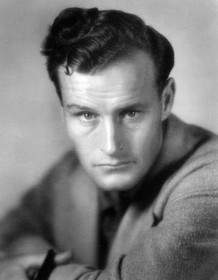
William A. Wellman
Made by

20th Century Fox
The Iron Curtain Plot Summary
Read the complete plot summary and ending explained for The Iron Curtain (1948). From turning points to emotional moments, uncover what really happened and why it matters.
Igor Gouzenko [Dana Andrews]—an expert at deciphering codes—arrives at the Soviet embassy in Ottawa in 1943 with a Soviet military colonel, Trigorin [Frederic Tozere], and a major, Kulin [Eduard Franz], to establish a discreet base of operations. From the outset, Igor is briefed on how sensitive and top-secret his work is, and the air of danger that surrounds every move they make.
To test his loyalty, Igor faces a calculated temptation: the seductive Nina Karanova [June Havoc] tries to sway him from his duties. Yet Igor remains steadfast, loyal not only to the cause but to his wife, Anna Gouzenko [Gene Tierney], who soon joins him in Ottawa and reveals that she is pregnant, a detail that deepens the personal stakes for the couple.
Trigorin and his security chief, Ranov [Stefan Schnabel], press their case with John Grubb [Berry Kroeger], founder of Canada’s branch of the Communist Party. Their attention centers on uranium used for atomic energy, which they seek to recruit for dangerous purposes through Dr. Harold Norman [Nicholas Joy], a scientist they target as a key ally. The plot underscores the broader Cold War tensions, painting Ottawa as a frontline in espionage and counter-espionage.
As years pass, the world moves from war to shifting power, and the atomic bomb reshapes the global order. Anna bears a son, and the growing family begins to confront questions about their future amid uncertainty. Igor’s doubts deepen after Kulin suffers a breakdown and is arrested, highlighting the fragility of the network they inhabit. When Igor is told he will be reassigned back to Moscow, he makes a fateful decision: he takes secret documents from the Embassy and asks Anna to hide them, preparing for any worst-case scenario.
Trigorin [Frederic Tozere] and Ranov [Stefan Schnabel] threaten Igor and his loved ones in the Soviet Union, but Igor stands firm, refusing to relinquish the papers that could unravel the conspiracy. In response, Grubb and others are recalled to the Soviet Union to answer for their failures, while Canada’s government uses the documents to dismantle the communist cabal on its soil. The Gouzenko family is placed into protective custody, residing under the watch of the Royal Canadian Mounted Police, and granted a secure home as a safeguard against further danger.
The film closes with a sober, hopeful note about the resilience of democratic life and the belief that ultimate security rests in the continued survival of those freedoms.
Yet they have not lost faith in the future. They know that ultimate security for themselves and their children lies in the survival of the democratic way of life.
The Iron Curtain Timeline
Follow the complete movie timeline of The Iron Curtain (1948) with every major event in chronological order. Great for understanding complex plots and story progression.
Arrival at the Ottawa embassy
Igor Gouzenko, an expert at deciphering codes, arrives at the Soviet embassy in Ottawa to help establish a hidden base of operations. The assignment is presented as highly sensitive and top-secret, setting a dangerous tone for what follows.
Secrecy tested by Nina Karanova
Igor is warned about the delicate nature of the work and undergoes a test by his superiors, who enlist Nina Karanova to try her wiles on him. The aim is to probe his loyalty and commitment to the cause.
Nina's seduction and Igor's loyalty
Nina Karanova makes a deliberate bid to seduce Igor, testing whether he can be swayed from his duties. Despite the temptation, Igor remains loyal to his wife and to the mission.
Anna Gouzenko arrives pregnant
Anna Gouzenko arrives in Ottawa with news that she is pregnant, seeking to support Igor and start a family. The pregnancy adds pressure as Igor weighs personal risk against duty.
Meetings with Grubb and recruitment targets
Trigorin and Ranov meet John Grubb, founder of Canada's branch of the Communist Party, to discuss operations. They target uranium for atomic energy and attempt to recruit Dr. Harold Norman.
War ends; Anna bears a son; Igor doubts
Over the following years, the war ends with the atomic bomb, and Anna has given birth to a son. Igor begins to have serious doubts about their future as the political dangers grow.
Kulin's breakdown and arrest
Kulin, a colleague, suffers a breakdown under mounting pressure and is arrested, highlighting the increasing scrutiny within the operation. Igor's doubts about safety and loyalties intensify as the situation tightens.
Reassignment and secret documents
Igor is told he will be reassigned back to Moscow. He resolves to act to protect the materials, taking secret documents from the embassy and asking Anna to hide them; he refuses to return the papers despite threats from Trigorin and Ranov.
Grubb recalled; cabal dismantled in Canada
Grubb and several others are called back to the Soviet Union to answer for their failures. Canada uses the documents Igor took to dismantle the communist cabal operating in the country.
Protective custody and new life
The Canadian government places the Gouzenkos in protective custody and grants them residence, with ongoing protection by the Royal Canadian Mounted Police. They begin a fragile new life while remaining under peril.
Democracy endures as the family hides
The film ends with the Gouzenkos living in hiding, yet they maintain faith that the ultimate security for themselves and their children lies in the survival of the democratic way of life. The message emphasizes resilience in the face of ideological threat.
The Iron Curtain Characters
Explore all characters from The Iron Curtain (1948). Get detailed profiles with their roles, arcs, and key relationships explained.
Igor Gouzenko (Dana Andrews)
A code-breaking expert whose 1943 Ottawa posting places him at the center of dangerous espionage. He remains loyal to his wife Anna while navigating temptations and threats from his Soviet handlers. His decision to safeguard the documents — rather than returning them — becomes pivotal in unravelling the cabal.
Anna Gouzenko (Gene Tierney)
Igor’s wife, who travels to Ottawa pregnant with their child. She stands by him amid fear and uncertainty as the couple weighs the future under the shadow of espionage. Her resilience anchors the family’s hope for a democratic future.
Nina Karanova (June Havoc)
A Soviet contact who tests Igor with seduction, highlighting how personal allure can intersect with political manipulation. Her relationship with Igor spotlights the temptations faced by operatives under pressure. The dynamic reveals how trust can be weaponized in espionage.
Col. Ilya Ranov (Stefan Schnabel)
Soviet security chief involved with the Ottawa operation, representing the looming threat to his target’s family. He embodies the calculating, external pressure exerted by the cabal. His presence escalates the stakes of Igor’s dilemma.
Col. Aleksandr Trigorin (Frederic Tozere)
A senior Soviet officer coordinating the operation from the embassy. He embodies authority and strategic planning behind the cabal’s actions. His involvement underlines the institutional pressure behind individual agents’ choices.
Dr. Harold Norman (Nicholas Joy)
A scientist whose expertise in uranium makes him a recruitment target for the cabal. The subplot emphasizes the wartime race for atomic energy and the ethical risks scientists face. Norman’s position tests the security of scientific knowledge in a tense political climate.
John Grubb, aka Paul (Berry Kroeger)
Founder of Canada’s branch of the Communist Party, a key contact for Soviet interests within Canada. His network illustrates how ideological movements intersect with national security. Grubb’s role foregrounds the political dimensions of the operation.
Andrei Gouzenko (Christopher Olsen)
The Gouzenkos’ son, whose existence anchors the family’s future and the personal stakes of espionage. His presence represents the human cost of choosing secrecy over safety. The family’s hopes for a secure future rest in the protection they receive.
The Iron Curtain Settings
Learn where and when The Iron Curtain (1948) takes place. Explore the film’s settings, era, and how they shape the narrative.
Time period
1943-1945
Set during World War II, the action begins in 1943 as Igor Gouzenko arrives at the Soviet embassy in Ottawa. The saga tracks wartime espionage and shifting loyalties through the war’s end in 1945. The narrative also nods to the atomic age and the broader consequences of the conflict on personal futures.
Location
Ottawa, Canada
The story unfolds largely in Ottawa around the Soviet embassy, anchoring the espionage plot in a government hub. The embassy and the Canadian authorities backdrop drive the tension between loyalty, secrecy, and safety. By the end, the Gouzenkos live under Royal Canadian Mounted Police protection, symbolizing Canada’s role in safeguarding democratic values during wartime.
The Iron Curtain Themes
Discover the main themes in The Iron Curtain (1948). Analyze the deeper meanings, emotional layers, and social commentary behind the film.
🕵️♂️
Loyalty under Pressure
Igor faces pressure from his superiors while tempted by Nina’s seduction, testing his loyalty to his wife Anna and to his country. The plot centers on choosing between personal comfort and the greater good of preserving sensitive information. His choices reveal how personal bonds can clash with professional duty in a high-stakes world.
🔐
Secrets and Sacrifice
Top-secret documents and covert operations drive the story, forcing characters to weigh personal safety against the burden of information. Igor’s decision to take and hide the papers comes at great personal risk, affecting his family’s fate. The narrative treats secrecy as a morally charged currency with high costs.
🕊️
Democracy vs Control
The film frames the struggle as a contest between democratic life and totalitarian pressure, culminating in Canada’s dismantling of a Soviet cabal. The Gouzenkos’ future rests on the endurance of democratic values and lawful protection. Even in hiding, the characters cling to the belief that freedom offers lasting security for their child.

Coming soon on iOS and Android
The Plot Explained Mobile App
From blockbusters to hidden gems — dive into movie stories anytime, anywhere. Save your favorites, discover plots faster, and never miss a twist again.
Sign up to be the first to know when we launch. Your email stays private — always.
Explore the mobile appThe Iron Curtain Spoiler-Free Summary
Discover the spoiler-free summary of The Iron Curtain (1948). Get a concise overview without any spoilers.
In the shadowed corridors of the Soviet Embassy in wartime Ottawa, a quiet but vital figure keeps watch over the encrypted whispers of a world at war. Igor Gouzenko arrives as a specialist in code‑breaking, his every day defined by the precise click of machines and the weight of secrets that could alter nations. The city outside hums with the ordinary rhythm of ration lines and distant artillery, while inside the embassy a more subtle, colder current flows—one that binds allies, conspirators, and the fragile promise of peace.
At home, the promise of a new life tempers the relentless pressure of his duties. Anna Gouzenko joins him in the modest apartment, her pregnancy a quiet beacon of hope against the stark backdrop of espionage. Their marriage is tested not only by the strain of secrecy but also by the alluring presence of Nina Karanova, a charismatic operative whose charms are as calculated as the codes Igor deciphers. The interplay between loyalty to a cause, devotion to family, and the pull of personal desire creates a delicate tension that colors every interaction.
Beyond the embassy walls, Ottawa itself becomes a frontline in a growing, invisible conflict. Whispers of uranium, the dawning atomic age, and the silent recruitment of scientists hint at a world poised on the brink of a new kind of power. The atmosphere is thick with suspicion—neighbors glance cautiously, officials exchange guarded smiles, and the ordinary streets pulse with an undercurrent of unease. This setting frames a story where the ordinary and the extraordinary coexist, each magnifying the other’s stakes.
The film embraces a somber, noir‑tinged aesthetic, lighting the cold winter light of the capital with the flicker of lamplight in cramped offices. It balances the crackle of machinery with the soft murmur of domestic life, inviting the audience to feel the weight of secrets held close to the chest. Through restrained performances and carefully rendered period detail, the story immerses viewers in a world where duty, love, and the unspoken threat of discovery swirl together, leaving a lingering sense of both tension and quiet resolve.
Movies with Similar Twists and Themes
Uncover films that echo the narrative beats, emotional arcs, or dramatic twists of the one you're exploring. These recommendations are handpicked based on story depth, thematic resonance, and spoiler-worthy moments — perfect for fans who crave more of the same intrigue.
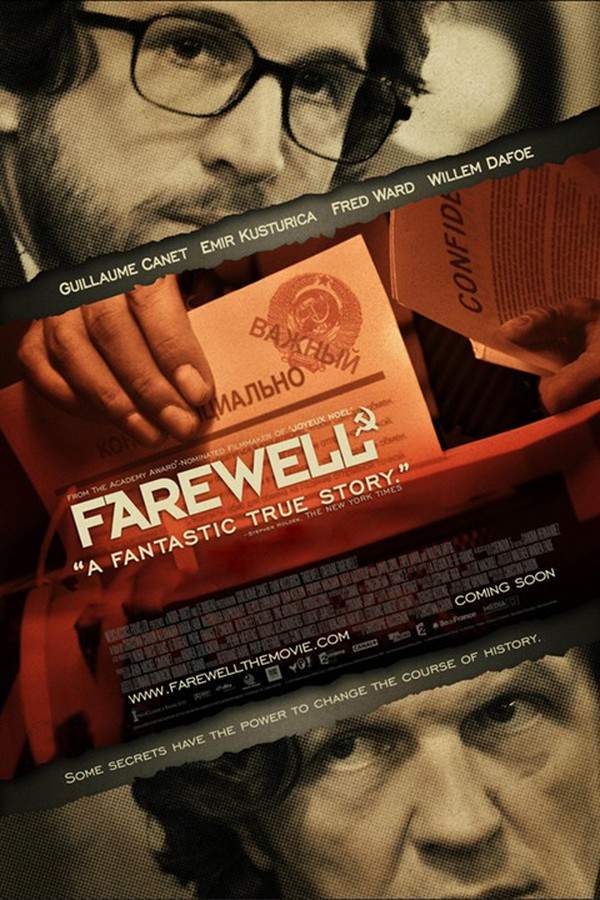
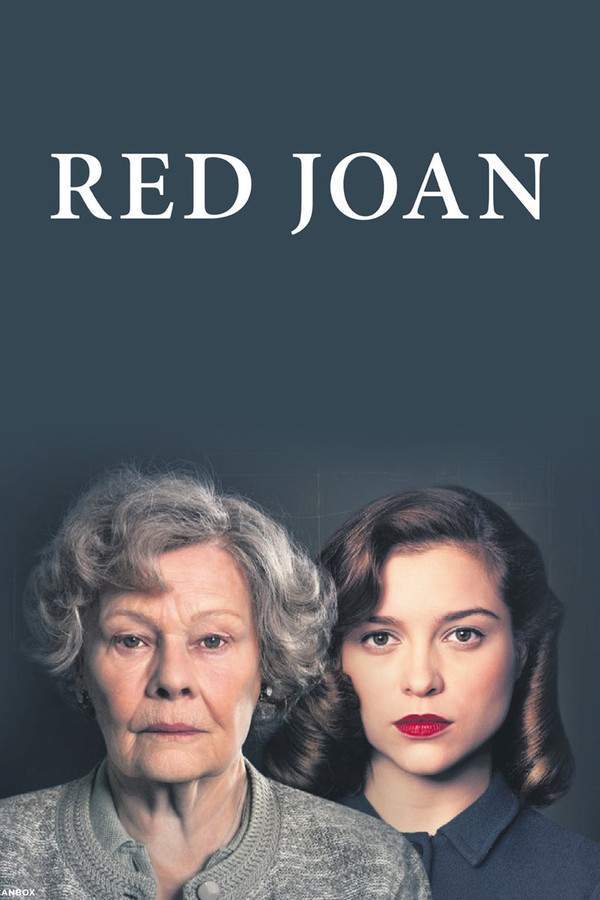


Featured on this page

What's After the Movie?
Not sure whether to stay after the credits? Find out!
Check out our other apps:

SAT Sphere
Build confidence for the Digital SAT.

Mori Atlas
Discover wild places worth protecting.

Luntero
Search smarter for a home in Amsterdam.

Plot Explained
Unravel movie endings and hidden clues.

Pokechamp
Dive into Pokémon data and battle logic.

Driving Theory
Get ready for your European theory test.

Movie Dust
Plan your next cinema trip with ease.

Musemap
Find art and culture as you travel.

Selkobase
Compare credentials before committing.

Local Manual
Turn an unfamiliar country into practical next steps.

Lernavi
Compare school systems before your next move.

GymRoam
Find a workout stop wherever your plans take you.
Explore Our Movie Platform
New Movie Releases (2026)
Famous Movie Actors
Top Film Production Studios
Movie Plot Summaries & Endings
Major Movie Awards & Winners
Best Concert Films & Music Documentaries
Movie Collections and Curated Lists
© 2026 What's After the Movie. All rights reserved.
Privacy Policy