

What Is Man on a String About?
The premise of Man on a String in 299 words, with nothing given away. The full story follows below.
Based on a sensational true story, Man on a String plunges into the murky depths of Cold War espionage, a world where allegiances are fragile and survival is a game of inches. The film centers on Boris Mitrov, a Moscow-born film producer who has established a comfortable and seemingly legitimate life in the United States. To the outside world, he appears to be a creative force within the industry, yet his background and associations cast a long shadow, drawing the intense scrutiny of American intelligence agencies who suspect there is more to his story than meets the eye.
When the net tightens around Boris, American agent Frank Sanford orchestrates a confrontation that changes the trajectory of his life. Rather than facing immediate prosecution for his covert activities, Boris is given a stark choice: face the consequences or turn double agent. This proposition forces him into a precarious arrangement where he must continue to play the role of a loyal Soviet operative while secretly working under the thumb of U.S. intelligence. It is a psychological tightrope walk where the slightest misstep could lead to exposure by either side, creating an atmosphere of sustained, claustrophobic tension.
The narrative paints a vivid picture of a world where privacy is an illusion and danger lurks behind the glamour of Beverly Hills. As Boris navigates this treacherous landscape, he must contend with figures like the influential KGB Colonel Vadja Kubelov and wealthy sympathizers Helen and Adrian Benson, all while knowing that his every move is likely being watched. Man on a String captures the essence of an era defined by surveillance, exploring the moral ambiguities of a man who must betray his past to secure his future, all while trying to stay one step ahead of a game where the rules are constantly shifting.
What Happens in Man on a String?
The complete story of Man on a String, from the first scene to the last, in 508 words (about 2 minutes). Spoilers throughout. Names in the text link to 6 cast member pages.
Spoilers ahead
An American government intelligence agency in Washington, D.C. wants agent Frank Sanford to shadow Boris Mitrov, a film producer who also appears to be a Russian spy. The tension between espionage and appearances unfolds as Boris moves through a world of media and intrigue, where every handshake could hide a motive and every door could lead to a trap. This is a story built on surveillance, double meanings, and the fragile line between loyalty and self-preservation.
In Beverly Hills, a wealthy couple, Helen Benson and Adrian Benson, seem to live the high life tied to a thriving film studio, yet their public persona masks a sympathy for communist ideas. They operate in the orbit of Colonel Vadja Kubelov, the top KGB figure in the United States, whose influence stretches into the private rooms of the Bensons and the creative chaos of Boris’s world. The film’s tension arises not just from espionage, but from the intimate betrayals and loyalties that bind people to powerful factions.
Boris’s operation at the office is compromised when his assistant Bob Avery—a plant working for the Americans—plants a bug that tunes into every move he makes. Caught red-handed, Boris is forced to reconsider his stance and his future. He agrees to become a double agent, slipping to Berlin under the pretense of directing a documentary film. The journey is a cat-and-mouse game where the truth is continually reframed by shifting alliances and the ever-present threat of exposure.
Meanwhile, the Bensons’ private world spirals as Helen’s affair with Kubelov deepens the sense that surveillance has teeth in every relationship. Their home is bugged, and the couple’s attempt to flee to Mexico underscores the constant pursuit of safety in a climate of suspicion and counter-surveillance. The plot thickens as Boris is sent to Moscow to take on a new assignment, and Bob Avery supplies him with a critical code word—“cinerama”—to use if he finds himself in danger, a small phrase that becomes a lifeline in a maze of manipulation.
As the crisis escalates, Adrian’s plan to publicly expose Boris and Kubelov prompts Avery to act, pushing Boris toward a dangerous choice. The chase intensifies when a checkpoint is closed, forcing Boris to improvise under extreme pressure. In a decisive moment, Boris shoots a police officer and escapes to West Berlin, a perilous return that leaves him facing a life-or-death struggle with a Russian assassin. The narrative builds to a tense confrontation where every decision could rewrite loyalties and alter the balance of power between nations.
This story blends political intrigue with personal risk, highlighting how a single misstep can cascade into a web of infiltration, deception, and survival. The espionage atmosphere is punctuated by high-stakes moves between cities, constant surveillance, and the fragile hope of turning tides—whether through a whispered code, a hurried exit, or a last-ditch confrontation in a freezing street of West Berlin. The film crafts a meticulous portrait of spies in motion, where the line between ally and enemy is perpetually blurred and the cost of truth is measured in courage and consequence.
Man on a String Timeline: Every Key Event in Order
12 key events in the order they happen, from “Agency assigns Sanford to tail Boris Mitrov” to “The double-agent plot reaches a fever pitch”. 9 events name a place, across 7 locations.
- 1
Agency assigns Sanford to tail Boris Mitrov
A government intelligence agency in Washington, D.C. assigns agent Frank Sanford to follow Boris Mitrov, a film producer who appears to be a Russian spy. Sanford begins tracking Mitrov's public appearances and business contacts to uncover his true loyalties. The case sets the stage for a tense cat-and-mouse game between U.S. agents and Mitrov.
When:early Where:Washington, D.C.
- 2
Boris's office bugged by a plant
Boris Mitrov's office is bugged by his assistant Bob Avery, a plant secretly working for the Americans. The surveillance uncovers hints that Mitrov may be willing to cooperate with U.S. intelligence. This discovery pushes both sides toward a risky double-agent arrangement.
When:soon after initial monitoring Where:Boris Mitrov's office
- 3
Boris agrees to become a double agent
Caught in the web of surveillance, Boris agrees to turn double agent. He consents to participate in a covert operation that could give the Americans access to Soviet networks. This decision shifts him from suspect to active participant in espionage.
When:after bugging
- 4
Boris travels to Berlin to begin undercover work
Under the pretense of making a documentary, Boris travels to Berlin to begin his undercover assignment. The East-West city becomes the stage for his dual roles as filmmaker and spy. The trip heightens the risk of exposure as old loyalties clash with new orders.
When:after leaving the U.S. Where:Berlin
- 5
Avery provides the danger code cinerama
Avery gives Boris a code word, cinerama, to be used if he finds himself in danger. The code is meant to summon help and signal a crisis to U.S. intelligence. The moment underscores the fragile line between Boris's cover and his real loyalties.
When:during Berlin assignment Where:Berlin
- 6
Helen Benson and Kubelov's affair; Benson home bugged
In Beverly Hills, Helen Benson is having an affair with Colonel Vadja Kubelov, the top KGB man in the U.S. Their home is bugged, and the Bensons attempt to flee to Mexico. The personal entanglements mirror the broader espionage game and increase pressure on everyone involved.
When:concurrent with Berlin assignment Where:Beverly Hills
- 7
Boris is sent to Moscow for a new assignment
Boris Mitrov is sent to Moscow to be entrusted with a new assignment, expanding his operational reach into the Soviet sphere. This move heightens the stakes as old enemies and new schemes collide. The transfer mirrors the escalating war of intelligence surrounding him.
When:during the mission progression Where:Moscow
- 8
Adrian plans to publicly expose Boris and Kubelov
Adrian intends to publicly expose Boris and Kubelov, which would dramatically worsen their already dangerous situation. Avery uses this threat to pressure Boris and prompt a rapid return to Germany. The revelation risk forces tighter control over Mitrov's movements.
When:time unspecified
- 9
Checkpoint closes; Boris shoots a police officer to escape
As the chase intensifies, a checkpoint is suddenly closed, blocking Boris's escape route. He shoots a police officer in the ensuing confrontation and escapes safely to West Berlin. The violent escape underscores the peril of his double life.
When:during escape Where:Berlin border area
- 10
Boris reaches West Berlin and is hunted
Boris arrives in West Berlin, where he continues to be pursued by enemies amid the divided city. He must navigate the tense streets and borderlines while keeping his cover intact. The escape marks a new phase of the espionage pursuit.
When:immediate after escape Where:West Berlin
- 11
A Russian assassin closes in
In West Berlin, Boris encounters a Russian assassin intent on silencing him. He engages in a dangerous fight that tests his skills and nerve as a double agent. The confrontation deepens the peril of his mission and raises the stakes for survival.
When:final confrontation Where:West Berlin
- 12
The double-agent plot reaches a fever pitch
With Boris and Kubelov under heavy scrutiny, the espionage game tightens around them. The espionage thriller ends on a tense note as Boris fights to stay alive and secret identities are put to the ultimate test. The story leaves questions of loyalty and exposure lingering in the air.
When:climax
Who Are the Main Characters in Man on a String?
6 characters, among them Frank Sanford (Ted Knight), Boris Mitrov and Helen Benson: who each one is and the part they play in the story. Every profile links to the actor’s page.
- FS
Frank Sanford (Ted Knight)
Played by Ted Knight
A government intelligence agent in Washington, D.C., Frank Sanford is tasked with shadowing Boris Mitrov. He is diligent and wary, relying on surveillance and careful deduction. His sense of duty is tested as espionage and personal risk collide.
- 🕵️ Detective
- 💼 Government
- 🧭 Espionage
-
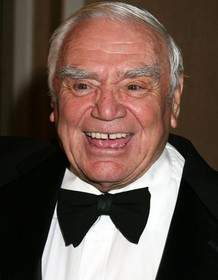
Boris Mitrov
Played by Ernest Borgnine
A film producer who seems to be a Russian spy, Boris moves with brisk pragmatism between legitimate production work and covert operations. He leans into double agency, traveling to Berlin under the guise of a documentary project and later heading to Moscow for a new assignment. His choices are driven by self-preservation and a chilling readiness to gamble with danger.
- 🧭 Spy
- 🎬 Producer
- ⚖️ Risk-taker
-
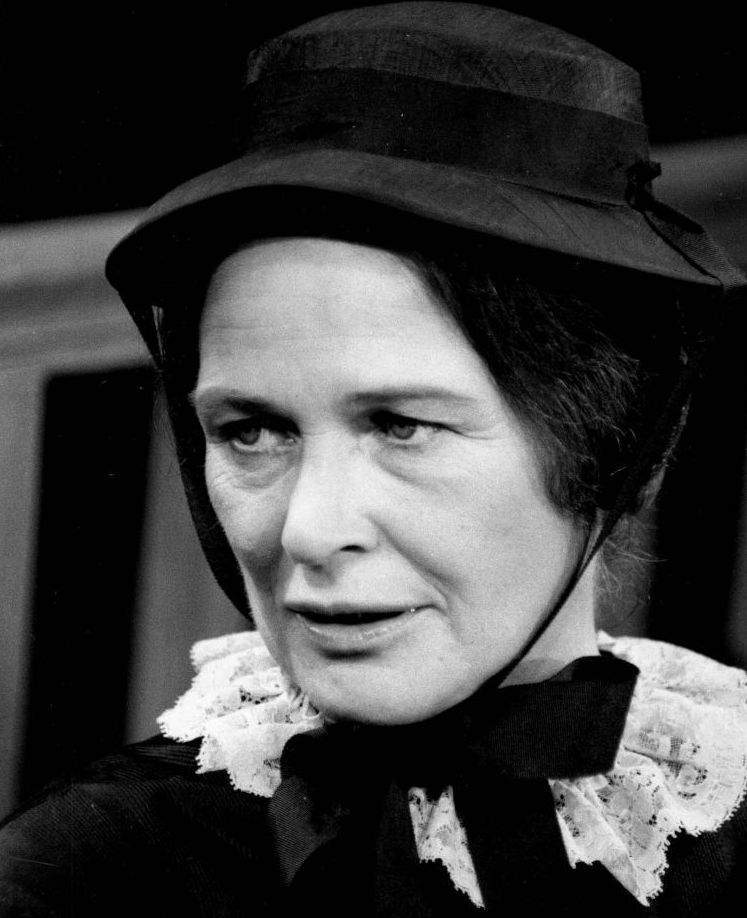
Helen Benson
Played by Colleen Dewhurst
A wealthy American socialite whose political sympathies tilt toward communism, Helen is entangled in an affair with Kubelov. Her home becomes part of a surveillance game, and she is drawn into the broader intrigue as plans to expose Boris and Kubelov unfold. Her actions reveal how desire and ideology can intersect with espionage.
- 💔 Affair
- 🏰 Socialite
- 🧭 Politics
- CV
Colonel Vadja Kubelov
Played by Alexander Scourby
The top KGB operative in the United States, Kubelov is calculating and dangerous. He wields influence through charm and manipulation, and his relationship with Helen complicates the political chessboard. He orchestrates moves designed to advance Soviet interests while evading exposure.
- 🧭 Spy Master
- 💘 Manipulator
- 🏛️ International politics
- BA
Bob Avery
Played by Kerwin Mathews
Boris Mitrov’s assistant who acts as a plant for American intelligence. He bugs Boris’s office and uses the information flow to keep both sides in the loop, steering events through coded signals. His role underscores the perpetual game of deception in espionage.
- 🕵️♂️ Double Agent
- 💡 Informant
- 🧭 Counterintelligence
- AB
Adrian Benson
Played by James T. Callahan
The wealthy husband of Helen, Adrian shares the couple’s political leanings and becomes a figure intent on exposing Boris and Kubelov. His stance adds pressure to reveal secrets, heightening the stakes of the spy game.
- 💼 Husband
- 🧭 Public exposure
- 🗳️ Politics
Where and When Is Man on a String Set?
Man on a String is set in Washington, D.C., Beverly Hills, Berlin, Moscow, West Berlin, Mexico (1960s). Here is why the time and place matter to the story.
When
1960s
Set in the mid-1960s amid the Cold War, the film captures the era’s paranoia and spy craft. Tension rises as surveillance and coded signals drive the chase across continents. Loyalties are tested as personal relationships intersect with geopolitical stakes.
Where
Washington, D.C., Beverly Hills, Berlin, Moscow, West Berlin, Mexico
The story moves from the U.S. capital’s government corridors to the glamour of a Beverly Hills film studio, reflecting the film industry’s cover for political games. It traverses Cold War hubs in Berlin and Moscow, and crosses into West Berlin as a border zone. The plot also reaches toward Mexico as a potential refuge, illustrating how geography shapes pursuit and secrecy in a spy narrative.
- 🗽 United States
- 🗺️ Espionage
- 🎬 Film Industry
What Are the Themes of Man on a String?
3 ideas the story keeps returning to, among them Espionage, Betrayal and Exposure.
-
01
Espionage
A web of spies, double agents, and undercover operations drives the story. The pursuit of Boris Mitrov by an American agent reveals how detection, misdirection, and secrecy shape every move. The line between ally and threat constantly shifts, creating relentless tension.
-
02
Betrayal
Trust is scarce as characters balance personal interests with political loyalties. Affairs, undercover loyalties, and coded communications expose how quickly alliances can fracture. Each decision threatens to unravel the already delicate balance of power.
-
03
Exposure
The fear of public exposure undercuts every plan, pushing characters to manipulate, flee, or confront their pursuers. The plot hinges on what comes to light and what remains hidden behind surveillance and propaganda. Public revelation becomes a weapon as much as a consequence.
What Kind of Film Is Man on a String?
Tense in tone, with fast pacing and a moderate story, going by the plot summary.
- Tone
- Tense
- Pacing
- Fast
- Story
- Moderate
- Intensity
- High
- Ending
- Mixed
A fast-paced Cold War thriller steeped in constant tension and paranoia, following a reluctant double agent as he navigates a treacherous world of surveillance and imminent danger.
- suspenseful
- anxious
- paranoid
- dangerous
- clandestine
- urgent
- espionage
- cold war
- double agent
- blackmail
Content notes: assassination attempt, gun violence.
Where to Watch Man on a String
. US availability and prices from JustWatch.
Streaming availability in the US, powered by 


