What Is The Infernal Trio About?
The premise of The Infernal Trio in 244 words, with nothing given away. The full story follows below.
In post‑war Marseille, the city still reverberates with the clatter of trams and the echo of recent victories, a place where honor and opportunity intertwine on cobbled streets. Amid the lingering haze of 1919, Georges Sarret—a distinguished lawyer freshly lauded for his wartime service—finds himself drawn into the restless pulse of a society rebuilding itself. His sharp intellect and confident demeanor make him a natural navigator of the legal world, yet his ambitions whisper of a desire for more than courtroom triumphs.
When Philomène Schmidt, a striking German refugee, arrives in the bustling port, their connection ignites a volatile mix of romance and calculation. Determined to keep her foothold in France, Georges offers a solution that blurs the line between affection and ingenuity, setting the stage for a partnership that feels both intimate and strategic. Their bond quickly expands to include Philomène’s sister, Catherine, whose presence adds another layer of complexity to the trio’s dynamic, hinting at a fragile equilibrium between love, loyalty, and the lure of financial security.
Together, the three navigate a world where life‑insurance contracts and marital arrangements become tools for survival and advancement, their interactions colored by the darkly comic tone of a city that never quite lets its secrets stay hidden. The atmospheric backdrop of Marseille—its bustling markets, austere villas, and lingering melancholy—mirrors the characters’ own contradictions, promising a story where ambition, desire, and the fragile veneer of respectability constantly test the limits of what they’re willing to risk.
What Happens in The Infernal Trio?
The complete story of The Infernal Trio, from the first scene to the last, in 451 words (about 2 minutes). Spoilers throughout. Names in the text link to 3 cast member pages.
Spoilers ahead
In 1920s Marseille, Georges Sarret, a middle-aged lawyer, is presented with a military medal in a pompous ceremony as a tinny municipal band plays. A strikingly beautiful nurse-attendant wheels a rich, elderly lady to the ceremony in a bath-chair. As her eyes meet Sarret’s, lingering and speculative, she fails to notice the old lady has slipped down in the chair, dead. The nurse, Philomena Schmidt, Romy Schneider, is an unemployed German who soon becomes entangled with Sarret. She beds him after helping arrange a marriage between her and an older man so she can stay in France. After the wedding, Sarret also beds her sister Catherine, and a lustful ménage à trois develops between the trio.
The three embark on a career of insurance fraud. Catherine marries an elderly man called Deltreuil, while Sarret bribes Chambon, a dubious priest, to impersonate Deltreuil at the medical exam, and the gang—including Chambon’s mistress Noemie Andréa Ferréol—pulls off highly profitable schemes. Sarret decides to get rid of Chambon and Noémie, whom he shoots at a villa near Aix-en-Provence rented for the purpose. Sarret has already bought carboys of sulphuric acid, and with the sisters’ help, the dead bodies are disposed of in two baths upstairs, and the ghastly, gooey residue is painstakingly ladled and bucketed into a corner of the villa’s garden. This prolonged scene is the film’s grisly comic set-piece, a starkly dark moment that lingers in the memory.
Appropriating Chambon’s assets, the trio share the loot, and Catherine departs for Paris, while Philomena returns to Sarret in Marseilles. When Catherine rejoins them—and with the money running low in the early 1930s—they embark on new swindles by befriending and insuring patients in a tuberculosis hospital. With Philomena posing as a charitable Lady Bountiful and Catherine as the maid, they persuade the hospital nuns to release a terminally ill young patient, Magali Herbin, into their care, where they pamper her with luxuries, casinos, and high living.
Magali and Catherine begin an affair, adding another layer to the web of deception. Then, as Sarret and Philomena dance, Catherine’s body suddenly falls dead from an upper window. Distraught, Philomena attacks Sarret while Magali looks on, confused by the chaos around her. At Catherine’s elaborate funeral procession, Sarret proposes to Philomena, and the film ends abruptly with their wedding on the Mairie steps, attended only by Magali and the photographer, deliberately echoing the wedding photos that had appeared earlier in the film. The finale leaves a lingering sense of fate and irony over the trio’s criminal ascent and its chilling, unresolved aftermath.
This retelling preserves the film’s tonal shifts—from brittle farce to grim tragedy—while highlighting the characters’ entanglements and the escalating schemes that drive the story forward.
The Infernal Trio Timeline: Every Key Event in Order
14 key events in the order they happen, from “Medal ceremony in 1920s Marseille” to “Wedding on the mairie steps”. 14 events name a place, across 7 locations.
- 1
Medal ceremony in 1920s Marseille
The film opens in 1920s Marseille with a pompous medal ceremony for Georges Sarret, a middle-aged lawyer who basks in recognition. A tinny municipal band plays as the scene signals Sarret's social ascent and public respect.
When:1920s Where:Marseille
- 2
The dead old lady arrives, unnoticed in the crowd
A striking nurse, Philomena Schmidt, wheels a rich elderly lady to the ceremony in a bath-chair. In a cruel twist, the old woman slips from the chair and dies during the spectacle, unnoticed by the celebrants surrounding Sarret.
When:1920s Where:Marseille
- 3
Philomena falls into Sarret's orbit
Philomena enters Sarret's life through a liaison, and he arranges her wedding to an older man so she can stay in France. Their initial affair seeds a ruthless, criminal partnership that will soon expand beyond romance.
When:1920s Where:Marseille
- 4
A lustful ménage à trois forms
After the wedding, Sarret beds Philomena's sister Catherine, and a tense, lustful ménage à trois develops among the three. The intimacy quickly evolves into a joint criminal enterprise.
When:1920s Where:Marseille
- 5
First insurance fraud scheme takes shape
Catherine marries the elderly Deltreuil while Sarret bribes Chambon, a dubious priest, to impersonate Deltreuil at the medical exam, enabling their first profitable insurance fraud. The gang expands to include Chambon’s mistress Noémie, broadening their conspiracy.
When:1920s Where:Marseille / Aix-en-Provence area
- 6
A plan to sever ties with Cham bon and Noémie
As the fraud proceeds, Sarret decides to eliminate Chambon and Noémie. He executes the pair with a plan to remove them from the scheme once their assets are secured, marking a turn toward more violent methods.
When:Late 1920s Where:Villa near Aix-en-Provence
- 7
The grisly murder at the villa
Chambon and Noémie are shot at a villa near Aix-en-Provence, and the trio pretends the crime never happened as they continue to drain the profits. The murder becomes a centerpiece of the film’s macabre humor.
When:Late 1920s Where:Villa near Aix-en-Provence
- 8
Loot, departure, and a return to Marseille
Having seized Chambon’s assets, the trio divides the loot. Catherine departs for Paris, while Philomena returns to Sarret in Marseille, signaling a shift in loyalties and geography as their wealth fluctuates.
When:Late 1920s to early 1930s Where:Marseille / Paris
- 9
A new scheme: tuberculosis hospital fraud
With money running low, the trio pivots to another swindle by befriending and insuring patients in a tuberculosis hospital. Philomena plays a charitable benefactor while Catherine acts as a maid to facilitate access.
When:Early 1930s Where:Tuberculosis hospital, Marseille
- 10
Magali Herbin enters their care
They manipulate hospital nuns to release Magali Herbin, a terminally ill young patient, into their care, where luxuries, casinos, and a high-living lifestyle replace her fragile existence. The scheme hinges on Magali’s vulnerability and the trio’s greed.
When:Early 1930s Where:Tuberculosis hospital, Marseille
Show the other 4 events of The Infernal Trio Hide the last 4 events
- 11
Affair between Magali and Catherine
Magali and Catherine begin an affair, complicating loyalties within the trio and deepening their moral decay as the con continues to unravel.
When:Early 1930s Where:Tuberculosis hospital, Marseille
- 12
Catherine falls to her death
During a dance, Catherine’s body suddenly falls from an upper window, mortally shocking Philomena and Sarret and abruptly altering the dynamics of their crimes.
When:Early 1930s Where:Tuberculosis hospital / residence, Marseille
- 13
Funeral, proposal, and ongoing dual lives
At Catherine’s elaborate funeral procession, Sarret proposes to Philomena, solidifying their bond despite the murders and betrayals that haunt them. The couple’s grim alliance remains intact as they press forward.
When:Early 1930s Where:Marseille
- 14
Wedding on the mairie steps
The film ends abruptly with a wedding on the mairie steps, attended only by Magali and a photographer, echoing earlier wedding photos and underscoring the film’s fatalistic cycle of greed and desire.
When:End of the film Where:Marseille (mairie steps)
Who Are the Main Characters in The Infernal Trio?
7 characters, among them Georges Sarret (Michel Piccoli), Philomena Schmidt (Romy Schneider) and Catherine Schmidt (Mascha Gonska): who each one is and the part they play in the story. Every profile links to the actor’s page.
-
Georges Sarret (Michel Piccoli)
Played by Michel Piccoli
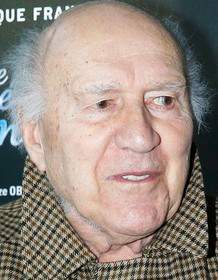
Georges Sarret is a middle-aged lawyer driven by vanity and a thirst for control. He orchestrates the trio’s insurance fraud, manipulating marriages and medical exams to maximize profit. Sarret treats people as tools for his schemes and shows a chilling willingness to kill when needed.
- 💼 Lawyer
- 💰 Manipulator
- 🕵️♂️ Deceit
- PS
Philomena Schmidt (Romy Schneider)
Played by Romy Schneider
Philomena is a beautiful, unemployed German nurse who becomes the object of Sarret's schemes. She uses her allure to secure a place in the plan and to navigate the marriage web. Her loyalties are tested as romance and crime intertwine around her.
- 💃 Seduction
- 💰 Opportunism
- 🧠 Cunning
- CS
Catherine Schmidt (Mascha Gonska)
Played by Mascha Gonska
Catherine is Philomena’s sister, ambitious and deeply complicit in the fraud. She marries the elderly Deltreuil to further the scheme and later participates in the lovers’ intrigue, influencing the course of events through manipulation.
- 💼 Social climber
- 💔 Infidelity
- 🕵️♀️ Deception
-
Noémie (Andréa Ferréol)
Played by Andréa Ferréol
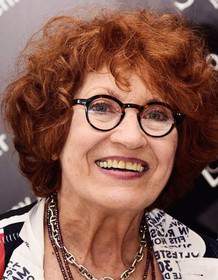
Noémie is Chambon’s mistress and a key member of the fraud network. She joins the scheme and later becomes a target as the plot thickens, balancing affection and calculation in equal measure.
- 💄 Femme fatale
- 🤝 Partner in crime
- 🎭 Manipulation
- C(
Chambon (Philippe Brizard)
Played by Philippe Brizard
Chambon is a dubious priest who bribed to impersonate Deltreuil during a medical exam. He provides a veneer of legitimacy to the fraud while remaining morally compromised and ultimately a casualty of the scheme.
- 🧭 Corrupt clergyman
- 💸 Bribery
- 🔪 Targeted
- D(
Deltreuil (Hubert Deschamps)
Played by Hubert Deschamps
Deltreuil is the elderly husband Catherine marries as part of the fraud. He becomes a symbol of the corrupt alliance that sustains the trio's wealth and deceit.
- 💰 Wealthy husband
- 🤝 Fraud target
- 🧊 Object of manipulation
- MH
Magali Herbin (Monica Fiorentini)
Played by Monica Fiorentini
Magali is a terminally ill tuberculosis patient who is pampered by the trio to profit from her care. She forms a fleeting bond with Catherine and remains a pivotal figure as the plot progresses toward tragedy.
- 🩺 Patient
- 💔 Love triangle
- 💰 Exploitation
Where and When Is The Infernal Trio Set?
The Infernal Trio is set in Marseille, Aix-en-Provence and Paris (1920s-early 1930s). Here is why the time and place matter to the story.
When
1920s-early 1930s
The story unfolds in the 1920s in Marseille, during the interwar period. It extends into the early 1930s, tracing a world of wealth, social pretensions, and medical-fraud schemes. The era’s atmosphere of moral ambiguity provides a backdrop for elaborate schemes and grim humor.
Where
Marseille, Aix-en-Provence, Paris
Marseille is a major port city in southern France and serves as the film's opening backdrop with a pompous municipal ceremony. The plot moves to a villa near Aix-en-Provence where the murders and disguises unfold. Paris appears as Catherine’s movements reflect the expanding fraud, while the Mairie steps in Marseille become the climactic wedding setting.
- 🏙️ Port city
- 🕵️♂️ Crime & deception
- 🗺️ Interwar European setting
What Are the Themes of The Infernal Trio?
4 ideas the story keeps returning to, among them Greed, Love and Death.
-
01
Greed
Greed drives the trio's insurance fraud, with Georges Sarret manipulating marriages, medical exams, and wealth to compound their profits. The film uses dark humor to show how money eclipses ethics and humanity. Each scheme tightens the grip of avarice, pushing characters toward increasingly reckless acts. The pursuit of profit ultimately destabilizes the very lives they seek to control.
-
02
Love
Romantic entanglements propel the plot: Sarret's pursuit of Philomena and Catherine's thirst for affection bind the trio together and drive their decisions. Philomena's seduction and Catherine's affections complicate loyalties and blur moral lines. Love is weaponized to justify deceit, while fragile relationships become leverage in the con game. The finale arrives at a wedding that doubles as a grim, ironic statement on love and deceit.
-
03
Death
Death haunts the scheme from the outset, with murders staged to cover up fraud and bodies disposed of in baths. The trio calculates how to erase traces while maintaining a lavish lifestyle, revealing a chilling indifference to life. The grisly set-piece underscores the film's blend of macabre humor and moral rot. A fatal accident and betrayals culminate in a tragically fateful wedding.
-
04
Hospitals
Hospitals function as the engine of the fraud, where doctors, nurses, and patients are co-opted into the con. The tuberculosis hospital becomes a stage for exploitation, turning care into profit. Medical settings reveal how institutions can be manipulated when ethics yield to ambition. The abuse of a healing system exposes the era's fragile moral standards.
What Kind of Film Is The Infernal Trio?
Dark in tone, with steady pacing and a complex story, going by the plot summary.
- Tone
- Dark
- Pacing
- Steady
- Story
- Complex
- Intensity
- High
- Ending
- Ambiguous
A darkly cynical and macabre crime comedy that follows a trio's escalating greed and moral dissolution through fraud and murder, creating a suspenseful and sleazy atmosphere.
- cynical
- sleazy
- suspenseful
- morally ambiguous
- decadent
- macabre
- insurance fraud
- murder
- crime scheme
- toxic relationships
Content notes: murder, disposing of a dead body, blackmail.