
The Idol 2016


Directed by
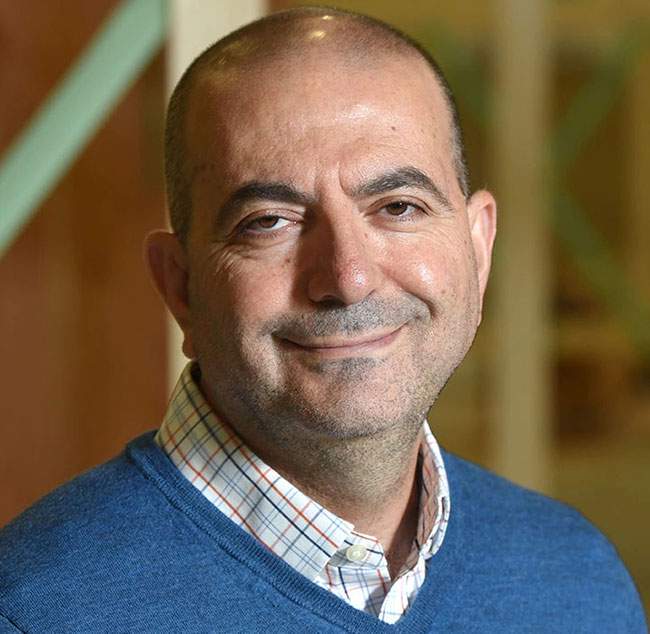
Hany Abu-Assad
Made by

Adopt Films
Where to Watch The Idol
See current US streaming, rental, and purchase options for The Idol (2016) via JustWatch.







The Idol Plot Summary
Read the complete plot summary and ending explained for The Idol (2016). From turning points to emotional moments, uncover what really happened and why it matters.
The Idol reimagines a remarkable arc from Gaza to global stages, focusing on Mohammed Assaf, a gifted wedding singer who rises from a refugee camp to win Arab Idol in 2013. The film begins in 2005, within the tight-knit world of a young musician and his family. Mohammed forms a band with his tomboy sister Nour and two friends, turning small wedding gigs into a lifeline and a beacon of possibility. The music carries more than melody—it carries hope for a community living under siege and separation, and it begins to carve a path for Mohammed to become more than a local talent.
As Mohammed’s voice dazzles those who hear him, Nour’s health crisis changes the family’s course. Nour collapses during a performance and is diagnosed with kidney failure, forcing a painful choice: ongoing dialysis or a kidney transplant which is far beyond the family’s means. The film follows Mohammed’s resolve to use his singing to fund Nour’s treatment, a driving force that deepens the bond between siblings and tests the family’s finances and faith. Mohammed immerses himself in training, and a new friendship forms during Nour’s dialysis sessions with Amal, a patient who shares Nour’s struggle. The emotional weight is clear: Nour’s illness becomes both catalyst and tragedy, shaping Mohammed’s ambitions while weaving in themes of sacrifice, duty, and the limits of care in a community under pressure.
Years pass, and by 2012 Mohammed returns to the stage, this time under the banner of Palestinian Idol. Yet the reality of Gaza’s restrictions threads through every moment: travel to Ramallah is blocked, and his performance is transmitted by a precarious Skype link from a makeshift studio. The electricity that powers Gaza’s streets and studios flickers, threatening every note and heightening the sense of fragility surrounding Mohammed’s dream. The longing to perform in person collides with logistical barriers, pushing Mohammed toward a moment of doubt. Yet the memory of Amal’s courage, and the steadfast support of his family, rekindle his determination to press on.
The obstacle course shifts when Mohammed decides to audition for Arab Idol, a decision that will test every ounce of his resilience. Crossing into Egypt from Gaza—an ordeal in itself—he faces a near-impossible journey that culminates in a tense encounter at the Rafah Border Crossing. A fake passport lands him in a precarious hood of legitimacy, and a border clerk’s listening ear through a religious song becomes his unlikely ticket to proceed, even as he’s warned about the possibility of never returning. In Cairo, the audition scene becomes a turning point: slots are scarce, but fate smiles when a young singer helps Mohammed secure a slot after hearing him sing from a bathroom stall. The path ahead opens to Beirut, and a new chapter begins as Mohammed earns a place in the main competition.
As Arab Idol unfolds, Mohammed’s presence ignites a surge of Palestinian pride. The film captures how his growing acclaim reframes identity and resilience for a people who watch every performance with hopeful awe. The pressure edges higher with each round, and a panic attack threatens to derail a crucial rehearsal. In a quiet moment of solidarity, a judge offers encouragement, and Amal’s voice—reaching him by phone—reminds him of what is at stake. With renewed resolve, Mohammed finds his rhythm again, delivering performances that blend technical skill with the raw emotion of his journey.
The narrative builds toward a climactic arrival: the show culminates in real-life footage of Mohammed Assaf winning Arab Idol, a moment that the film frames as both a personal triumph and a communal one. The final passages reflect on what comes after the finale, offering a snapshot of life beyond the competition while honoring the improbable ascent from a Gaza band to a continental stage. The Idol, at its core, is a portrait of endurance, family loyalty, and the power of music to transmute hardship into shared hope, a reminder that the human spirit can cross borders even when borders themselves seem unyielding. If you watch closely, the film’s resonance lingers in the ways a single voice can become a beacon for a people’s pride and perseverance.
The Idol Timeline
Follow the complete movie timeline of The Idol (2016) with every major event in chronological order. Great for understanding complex plots and story progression.
Mohammed forms a Gaza band
In 2005, Mohammed is a young boy in Gaza who forms a band with his tomboy sister Nour and two friends. They start playing at weddings, discovering Mohammed's extraordinary voice. The dream of being a real band grows as they perform at local events.
Nour collapses; kidney failure diagnosed
During a wedding performance, Nour collapses and is diagnosed with kidney failure. She requires weekly dialysis and a transplant, which the family cannot easily afford. Mohammed is pulled into a new mission: to become a singer who can raise the funds.
Amal enters during Nour's dialysis
Mohammed befriends Amal, a girl also suffering from kidney disease, during Nour's dialysis sessions. They form a bond that gives Mohammed renewed hope and motivation. Nour's illness becomes a catalyst for the trio's dreams.
Nour dies; Mohammed's dreams dim
Despite treatment, Nour dies, leaving Mohammed devastated and disillusioned. The dream of raising money through music seems to falter as his motivation wanes. The family struggles with loss while Mohammed contemplates giving up his singing.
Palestinian Idol performance via Skype
In 2012, Mohammed performs with a band for Palestinian Idol, but travel restrictions prevent him from reaching the Ramallah studio. He must perform over Skype from Gaza, and Gaza's unreliable electricity makes the performance tense. The experience rekindles his desire to sing but also highlights the obstacles he faces.
Amal inspires him again; family supports Arab Idol bid
After the Skype performance, Amal inspires Mohammed anew and his family rallies behind him as he contemplates entering Arab Idol. They urge him to keep pursuing his dream despite the hardships. The decision marks a turning point toward seeking broader recognition.
Crossing into Egypt for auditions
Mohammed faces the impossible border barrier, attempting to cross from Gaza into Egypt for the Arab Idol auditions. He is caught with a fake passport at Rafah, but a border clerk is moved by a religious song he performs and allows him through with a warning that returning may be difficult.
Auditions in Cairo; a slot is offered
In Cairo, auditions are already underway with all slots filled. Mohammed secretly breaks into the building, and a young singer overhears him singing in the toilet and offers him a slot. He auditions for Arab Idol and finally gains a pass to Beirut.
Arab Idol main competition in Beirut
Mohammed's performance earns him a pass to the main competition in Beirut after a successful audition in Cairo. His rising reputation among Palestinians grows as they cheer for a Palestinian candidate achieving success.
Panic attack before rehearsal; support from judge and Amal
As Arab Idol progresses, Mohammed grapples with the pressure and experiences a panic attack before a major rehearsal. A judge provides support, and Amal communicates with him by phone, helping him regain his confidence. He returns to perform, bolstered by the encouragement.
Mohammed advances; Palestinian pride grows
Mohammed continues to advance in the competition, his Palestinian fans celebrating each performance as a sign of national pride. The energy in the events reflects a broader hope for his people. He remains focused on delivering performances that honor his community.
Arab Idol winner; finale and life after
The film culminates with real-life footage of Mohammed Assaf winning Arab Idol. The studio erupts as he is crowned champion, confirming his dream's realization. The final montage offers a brief look at his life after the finale.
The Idol Characters
Explore all characters from The Idol (2016). Get detailed profiles with their roles, arcs, and key relationships explained.
Mohammed Assaf
A gifted young singer from a Gaza refugee camp who grows from a determined child into a nationally celebrated performer. His remarkable voice and drive turn personal tragedy—Nour’s illness and death—into a mission to help his family and bring hope to his people. He battles anxiety and uncertainty, yet perseveres, drawing strength from his family, Amal, and the Palestinian crowd’s support.
Nour
Mohammed’s tomboy sister who joins their early band. Nour’s kidney failure drives the family’s financial strain and Mohammed’s ambition to raise money for a transplant. Her illness and eventual death become a turning point that fuels Mohammed’s resolve and deepens the family’s heartbreak.
Amal
A fellow kidney patient who becomes a source of inspiration for Mohammed during dialysis sessions. Amal’s friendship and support help Mohammed regain confidence after a panic attack before a crucial rehearsal. Her presence links Mohammed’s personal struggle with his broader dream to perform for a hopeful Palestinian audience.
The Idol Settings
Learn where and when The Idol (2016) takes place. Explore the film’s settings, era, and how they shape the narrative.
Time period
2005-2013
The film begins in 2005 in Gaza during a period of blockade and limited resources. Over seven years, Mohammed's voice and ambition mature while Nour battles illness. By 2012-2013, he attempts Arab Idol, facing border hurdles and electricity outages that test his resolve. The ending blends fiction with real footage of his Arab Idol victory, anchoring the character's arc in a true event.
Location
Gaza Strip, Rafah Border Crossing, Cairo, Beirut
The story opens in the Gaza Strip, centered on a refugee camp where Mohammed grows up amid scarcity and periodic power outages. The area is shaped by blockade-imposed travel restrictions that limit opportunities. The narrative threads through Cairo and Beirut as Mohammed pursues auditions, illustrating the long journeys Palestinians undertake for artistic chances. The Rafah Border Crossing acts as a pivotal gateway between Gaza and the wider Arab world.
The Idol Themes
Discover the main themes in The Idol (2016). Analyze the deeper meanings, emotional layers, and social commentary behind the film.
🎯
Hope
Mohammed channels hardship into a relentless drive to succeed. His quest to fund Nour’s transplant shows how personal goals become a beacon for a community's aspirations. Music becomes a lifeline that sustains him through fear, doubt, and danger at border crossings. The journey demonstrates how hope can transform individual dreams into collective pride.
🌍
Identity
The film foregrounds Palestinian identity and pride as Mohammed's talent carries the stories of his people beyond borders. The supporters in Gaza and the diaspora rally around a homegrown hero, reinforcing a sense of belonging despite displacement. The cross-border odyssey to Cairo and Beirut underlines the resilience of a people who persist through hardship. Music acts as a bridge connecting personal struggles to national memory.
👪
Family
Family defines Mohammed’s motivations and choices, from his sister Nour’s illness to the encouragement of his parents and Amal. Nour’s illness wounds the family but also binds them together, fueling Mohammed’s commitment to help. Amal’s presence offers emotional support that fuels his comeback after a panic attack. The film shows how kinship and community sustain resilience in the face of adversity.

Coming soon on iOS and Android
The Plot Explained Mobile App
From blockbusters to hidden gems — dive into movie stories anytime, anywhere. Save your favorites, discover plots faster, and never miss a twist again.
Sign up to be the first to know when we launch. Your email stays private — always.
Explore the mobile appThe Idol Ending Explained
Unravel the ending of The Idol (2016) with our detailed explanation. Understand the final scenes, character fates, and unresolved questions.
The ending of The Idol reveals a deeply unsettling twist: Jocelyn, who initially seemed like a victim manipulated by Tedros, ultimately turns out to be in control of her own story. Throughout the series, she appeared emotionally fragile, haunted by her mother’s death and driven to regain her lost stardom. She had been vulnerable to Tedros’ influence, but in a shocking revelation, it is shown that Jocelyn was fabricating her past trauma to garner sympathy and better fuel her artistic revival. The story comes full circle when, during a crucial concert, Jocelyn calls Tedros on stage and openly declares that he is the love of her life—despite everything, she’s still deeply involved with him. This moment exposes how much she has been orchestrating her persona and her career, even her supposed trauma, to manipulate those around her, including her fans. The reveal about Jocelyn’s deception underscores a larger commentary: she prefers suffering and chaos because it keeps her in the limelight and motivated to create music. The series ends with Jocelyn embracing her newfound control, fully aware of her manipulative tactics, while Leia leaves her, feeling disillusioned and betrayed. Jocelyn’s calculated actions show her as a complex, morally ambiguous character who, perhaps, chooses her destructive behavior to sustain her artistic identity and fame. Ultimately, The Idol leaves viewers pondering the nature of authenticity and the blurred line between victimhood and agency in the modern celebrity landscape.
The Idol Spoiler-Free Summary
Discover the spoiler-free summary of The Idol (2016). Get a concise overview without any spoilers.
In a Gaza where the daily clang of sirens mixes with the lingering echo of prayers, the city’s cramped streets and modest homes pulse with an unquiet resilience. Amid the uncertainty of a conflict‑scarred landscape, music becomes a makeshift sanctuary—a language that carries both a lullaby for the weary and a rallying cry for those who dare to imagine something brighter beyond the rubble.
Mohammed is a young singer whose voice seems to rise above the static of his surroundings, drawing neighbors into impromptu gatherings where battered instruments are coaxed into melody. Beside him stands his spirited sister, Nour, whose fierce energy matches his own, and together they form a modest band that turns wedding celebrations into fleeting moments of collective hope. Their shared ambition is simple yet audacious: to take their songs from the narrow alleys of Gaza to the grand stage of the Cairo Opera House, a symbol of artistic achievement that feels both distant and within reach.
The film’s tone walks a delicate line between gritty realism and lyrical optimism. Sun‑drenched afternoons bleed into night‑lit rooftops where the glow of candles flickers against the backdrop of power outages, underscoring a world where every note is earned against a tide of scarcity. The sibling bond anchors the narrative, their playful banter and quiet support painting a portrait of familial love that sustains them amidst external pressures.
As the story unfolds, the audience is invited to feel the tension between the weight of circumstance and the buoyancy of dream. The atmosphere hums with anticipation—each rehearsal, each whispered promise hints at a journey that could carry their voices far beyond the borders that confine them, leaving viewers eager to hear where the music might lead.
Featured on this page

What's After the Movie?
Not sure whether to stay after the credits? Find out!
Check out our other apps:

SAT Sphere
Build confidence for the Digital SAT.

Mori Atlas
Discover wild places worth protecting.

Luntero
Search smarter for a home in Amsterdam.

Plot Explained
Unravel movie endings and hidden clues.

Pokechamp
Dive into Pokémon data and battle logic.

Driving Theory
Get ready for your European theory test.

Movie Dust
Plan your next cinema trip with ease.

Musemap
Find art and culture as you travel.

Selkobase
Compare credentials before committing.

Local Manual
Turn an unfamiliar country into practical next steps.

Lernavi
Compare school systems before your next move.

GymRoam
Find a workout stop wherever your plans take you.
Explore Our Movie Platform
New Movie Releases (2026)
Famous Movie Actors
Top Film Production Studios
Movie Plot Summaries & Endings
Major Movie Awards & Winners
Best Concert Films & Music Documentaries
Movie Collections and Curated Lists
© 2026 What's After the Movie. All rights reserved.
Privacy Policy