
The History of Mr. Polly 1949

Directed by

Anthony Pelissier
Made by

Two Cities Films
The History of Mr. Polly Plot Summary
Read the complete plot summary and ending explained for The History of Mr. Polly (1949). From turning points to emotional moments, uncover what really happened and why it matters.
Alfred Polly, John Mills, is dismissed from a draper’s shop where his father had placed him as an apprentice, and he struggles to find another position. When a telegram arrives informing him of his father’s death, he returns to the family home with a mix of resolve and hesitation, weighing what the future might hold for him and those who depend on him. With a modest bequest of £500, Polly contemplates his options, and a trusted older friend of his father, Mr Johnsen, urges him to invest in a shop—a path Polly recoils from, preferring to carve his own, less conventional route.
While wandering the countryside on a newly bought bicycle, Polly has a brief dalliance with a schoolgirl, Christabel, played with a spark by Sally Ann Howes; but the momentum of life pulls him toward family duty, and he eventually marries Miriam Larkins Betty Ann Davies, one of his cousins. Fifteen years pass, and Polly and his wife operate a draper’s shop in Fishbourne, yet the marriage has fallen into constant arguing and petty squabbles that sap their happiness and cloud their days with friction and fatigue.
Overwhelmed by despair, Polly walks the country lanes with a heavy heart and contemplates ending it all; he sets his shop on fire in a misguided bid to secure insurance that would supposedly guarantee Miriam’s prosperity. The plan backfires in a dramatic way: instead of ending his life, Polly survives the blaze and, to the surprise of the village, emerges as a minor local celebrity after he selflessly saves an elderly neighbour from the flames.
Still unsettled, Polly leaves his wife and takes a job with a rural innkeeper as handyman and ferryman. The position exists largely because the innkeeper’s brother-in-law Jim, a bully with a penchant for drunken bravado, makes life difficult for any other worker. Polly clashes with Jim until a fateful turn of events—Jim drowns accidentally in a weir while pursuing Polly—shifts the balance of power and leaves Polly to navigate the quiet, hobby-filled days at the inn with a new sense of purpose.
Three years later, Polly returns to Fishbourne to discover Miriam running a tea-shop with her sister, under the assumption that Polly has drowned. This mistaken belief ushers in a chance at a more tranquil life, and he finds a renewed sense of happiness by the side of the inn, where the stubborn, hard-won peace of his new routine begins to feel right again.
The History of Mr. Polly Timeline
Follow the complete movie timeline of The History of Mr. Polly (1949) with every major event in chronological order. Great for understanding complex plots and story progression.
Dismissal from the draper's shop
Alfred Polly is dismissed from his father's draper's shop where he had been apprenticed, leaving him with little solid work prospects. He wanders through a string of low-paid jobs and uncertain opportunities, setting the tone for his unsettled early career.
Return home after his father's death
A telegram informs Polly of his father's death, forcing his return to the family home. The news prompts him to reassess his future and assume new responsibilities tied to the bequest and family legacy.
Bequest and advice to invest
Polly inherits a bequest of £500 and contemplates his options. A family friend, Mr Johnsen, urges him to invest in a shop, but Polly resists the idea and dislikes the prospect of running a business.
Country bicycle ride and dalliance
While dawdling in the countryside on a newly bought bicycle, Polly has a brief dalliance with a schoolgirl named Christabel. The encounter is fleeting and does not define his later life.
Marriage to Miriam Larkins
Polly marries one of his cousins, Miriam Larkins, in a union that emerges after his earlier dalliance is set aside. The marriage becomes a long-term arrangement that shapes his later circumstances.
Fifteen years later: Draper's shop in Fishbourne
Fifteen years later, Polly and Miriam run a draper's shop in Fishbourne, but their marriage has descended into incessant arguments and bickering. The daily routine of shop life sits atop a strained relationship.
Suicide attempt and arson; unexpected celebrity
While walking in the country, Polly resolves to end his life and sets his shop on fire hoping for insurance money. The plan goes awry; he does not die, but he saves an elderly neighbour and earns unexpected local celebrity for the act.
Leaves his wife; moves to the inn
Still unhappy, Polly leaves Miriam and is hired by a rural innkeeper as handyman and ferryman. The job seems simple, but it sets him on a path of new acquaintances and conflicts.
Clash with Jim, the drunk bully
He discovers the innkeeper's brother-in-law, Jim, is a drunk who bullies anyone else to leave, and Polly clashes with him. The rivalry highlights the precariousness of Polly's new life.
Jim drowns in a weir
During the confrontation, Jim accidentally drowns in a weir while pursuing Polly. The death removes a tyrant-like figure and alters the local balance of power.
Three years later: Miriam's tea-shop; Polly returns to the inn
Three years later, Polly returns to Fishbourne to find Miriam running a tea-shop with her sister and believes Polly has drowned. He re-engages with life at the inn, seeking a measure of happiness in his new routine.
The History of Mr. Polly Characters
Explore all characters from The History of Mr. Polly (1949). Get detailed profiles with their roles, arcs, and key relationships explained.
Alfred Polly (John Mills)
Alfred Polly is a restless, underfoot man who struggles to find steady work after leaving the draper's shop. After learning of his father's death and receiving a £500 bequest, he contemplates opening a shop but never commits. He botches an arson attempt, survives, and becomes a minor local celebrity, a turning point that leads him through a series of life changes, including later work at the inn and reconciliation with his life’s direction. His journey is defined by a constant search for belonging, stability, and meaning.
Christabel (Sally Ann Howes)
Christabel is a schoolgirl with whom Polly shares a brief dalliance during his country wanderings. The encounter is a fleeting romantic spark that reveals Polly's capacity for tenderness and longing. This early brush with romance marks the beginning of Polly's understanding of love and commitment in his later life.
Miriam Larkins Polly (Betty Ann Davies)
Miriam is Polly’s wife, a cousin whom he marries after a dalliance. Over the years their marriage devolves into constant bickering and dissatisfaction, reflecting the strains of unfulfilled expectations. She later runs a tea-shop with her sister, displaying resilience and independence in the face of marital woes. Polly's wandering life and eventual return frame a potential renewal of their relationship.
The Innkeeper (Megs Jenkins)
The Innkeeper runs a rural inn where Polly works as a handyman and ferryman. The inn serves as a social hub and a backdrop for Polly's interactions with the town's people, highlighting the communal rhythms of rural life. This setting becomes central to Polly's sense of belonging and the story's later developments.
Mr. Johnson (Edward Chapman)
Mr. Johnson is a friend of Polly's late father who urges Polly to invest the £500 bequest in a shop. Polly dislikes the plan but is drawn into it, setting him on a path toward eventual misadventure. This advisory figure acts as a catalyst for Polly's early decisions and the story's subsequent turns.
Uncle Jim (Finlay Currie)
Uncle Jim is the innkeeper's brother-in-law, a drunk who bullies others and disrupts Polly's plans. Polly clashes with him, and Jim ultimately drowns in a weir while chasing Polly, shifting the inn's power dynamics and signaling a turning point in Polly's life. Jim's death removes an obstacle to Polly's return to Fishbourne life.
Annie Larkins (Diana Churchill)
Annie Larkins is Miriam's sister who helps run the tea-shop, illustrating the supportive family network surrounding Polly and Miriam. Her presence reinforces the importance of family ties in the community and the collaborative effort behind the tea-shop life. Annie helps anchor the domestic sphere in Fishbourne.
Minnie Larkins (Shelagh Fraser)
Minnie Larkins is Miriam's sister who assists in the tea-shop, contributing to the family’s shared enterprise. Her role underscores the cooperative nature of family life in Fishbourne and how siblings collaborate to support one another. Minnie helps keep the household economy and social life running.
Aunt Larkins (Gladys Henson)
Aunt Larkins is a senior member of the Larkins family, providing an older-generation perspective on the family’s fortunes. Her presence adds weight to traditional expectations and the continuity of family life within Fishbourne. She embodies the stable, guiding presence of elder relatives in a tight-knit community.
Little Polly (Juliet Mills)
Little Polly appears as part of the extended Polly family, a reminder of the life Polly hopes to build or return to. While not central to every plot beat, her presence marks the domestic horizon that motivates Polly's actions. The character signifies the stakes of family life and continuity in the story.
The History of Mr. Polly Settings
Learn where and when The History of Mr. Polly (1949) takes place. Explore the film’s settings, era, and how they shape the narrative.
Location
Fishbourne
Fishbourne is the central setting where Alfred Polly and his wife operate a draper's shop. The story unfolds against a rural English backdrop, with the countryside surrounding the town shaping Polly's wanderings and moments of despair. The drift between town life and the inn creates a sense of a tight-knit community where everyone knows each other.
The History of Mr. Polly Themes
Discover the main themes in The History of Mr. Polly (1949). Analyze the deeper meanings, emotional layers, and social commentary behind the film.
💭
Self-discovery
Alfred Polly is a restless, drifting figure who cannot settle into one role or routine. His inheritance prompts him to imagine security through a shop, but the dream never fully takes shape. A series of impulsive choices pushes him through cycles of ambition and discontent, highlighting the search for personal purpose. The narrative follows how grasping for stability ultimately leads to new, uncertain chapters rather than clear, easy answers.
🔥
Risk and redemption
Polly's despair culminates in a drastic arson attempt, a desperate bid for control that backfires. Instead of death, he survives and becomes a minor local celebrity, showing how a single reckless act can redirect a life in unexpected directions. The incident complicates his relationships and future choices, yet it also opens doors to new roles and community standing. Redemption, in this story, arrives through endurance, adaptation, and humble work rather than grand triumph.
💔
Marital strain
Polly's marriage to Miriam deteriorates into frequent bickering and dissatisfaction, illustrating how unfulfilled dreams strain intimate relationships. The couple's eventual separation and Polly's search for a new path underscore the difficulty of maintaining independence within a traditional union. Time and circumstance bring Polly back toward a simpler life, hinting at reconciliation rather than complete rupture. Miriam's life, including running a tea-shop with her sister, reveals resilience and the capacity to forge a life beyond marriage.

Coming soon on iOS and Android
The Plot Explained Mobile App
From blockbusters to hidden gems — dive into movie stories anytime, anywhere. Save your favorites, discover plots faster, and never miss a twist again.
Sign up to be the first to know when we launch. Your email stays private — always.
Explore the mobile appThe History of Mr. Polly Spoiler-Free Summary
Discover the spoiler-free summary of The History of Mr. Polly (1949). Get a concise overview without any spoilers.
Adapted from H.G. Wells’s classic novel, the story introduces Alfred Polly, a dreamer ill-suited for the rigid structures of Edwardian society. Following the death of his father and a modest financial inheritance, Alfred finds himself pushed toward a life of conventionality by well-meaning acquaintances. Despite his deep reservations, he succumbs to the pressure to invest in a business and marries his cousin, Miriam, settling into a draper’s shop in the sleepy town of Fishbourne. It is a life chosen for him rather than by him, setting the stage for a profound internal conflict between duty and desire.
Fifteen years on, the reality of Alfred’s situation has soured into a quiet desperation. The shop, intended as a secure foundation, feels more like a cage, while his marriage has devolved into a ceaseless cycle of petty squabbles and friction. The film captures the suffocating atmosphere of a man who has somehow misplaced his own identity amidst the mundane obligations of retail and domestic life. It paints a vivid picture of a stultifying small-town existence, where the color and adventure Alfred craves are smothered by the grey weight of routine and regret.
Yearning for something undefined, Alfred begins to look beyond the confines of his current circumstances, considering drastic measures to alter his fate. The narrative balances the melancholy of his stagnation with the whimsical possibility of escape, suggesting that the countryside might hold the answer to his restlessness. As he navigates the prospect of leaving his old life behind, he is drawn toward a world of eccentric locals and new routines, where a chance at purpose—and a hard-won peace—waits to be discovered.
Movies with Similar Twists and Themes
Uncover films that echo the narrative beats, emotional arcs, or dramatic twists of the one you're exploring. These recommendations are handpicked based on story depth, thematic resonance, and spoiler-worthy moments — perfect for fans who crave more of the same intrigue.
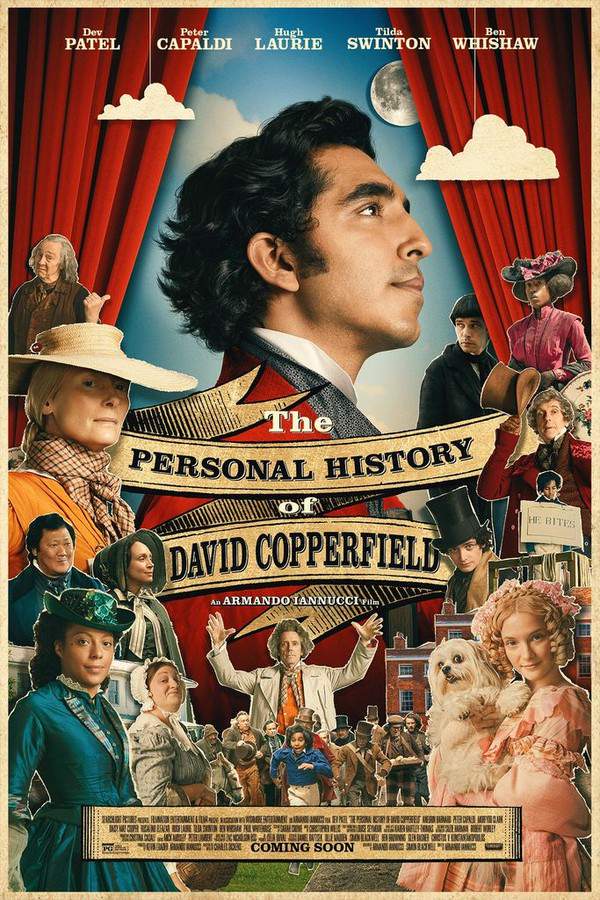
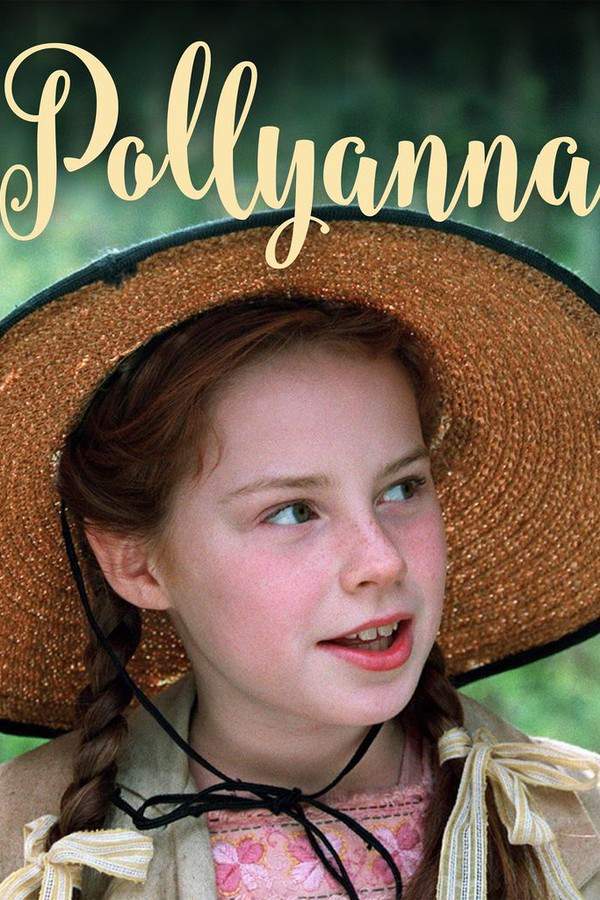


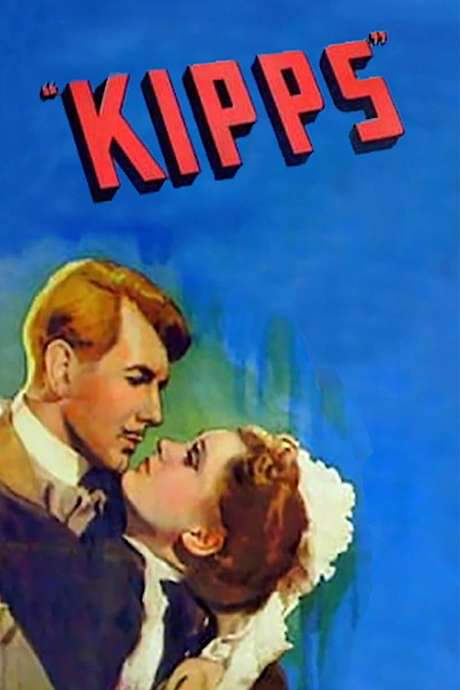

Featured on this page

What's After the Movie?
Not sure whether to stay after the credits? Find out!
Check out our other apps:

SAT Sphere
Build confidence for the Digital SAT.

Mori Atlas
Discover wild places worth protecting.

Luntero
Search smarter for a home in Amsterdam.

Plot Explained
Unravel movie endings and hidden clues.

Pokechamp
Dive into Pokémon data and battle logic.

Driving Theory
Get ready for your European theory test.

Movie Dust
Plan your next cinema trip with ease.

Musemap
Find art and culture as you travel.

Selkobase
Compare credentials before committing.

Local Manual
Turn an unfamiliar country into practical next steps.

Lernavi
Compare school systems before your next move.

GymRoam
Find a workout stop wherever your plans take you.
Explore Our Movie Platform
New Movie Releases (2026)
Famous Movie Actors
Top Film Production Studios
Movie Plot Summaries & Endings
Major Movie Awards & Winners
Best Concert Films & Music Documentaries
Movie Collections and Curated Lists
© 2026 What's After the Movie. All rights reserved.
Privacy Policy