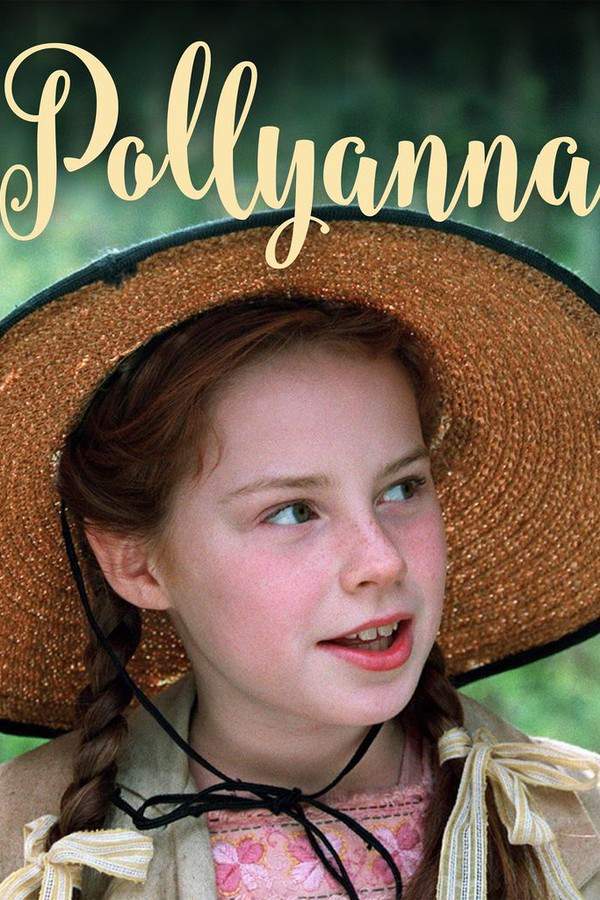
Pollyanna 1960

Directed by

David Swift
Made by

Buena Vista Distribution Company
Where to Watch Pollyanna
See current US streaming, rental, and purchase options for Pollyanna (1960) via JustWatch.







Pollyanna Plot Summary
Read the complete plot summary and ending explained for Pollyanna (1960). From turning points to emotional moments, uncover what really happened and why it matters.
Pollyanna, Hayley Mills, arrives in the small town of Harrington as the cheerful, 11-year-old orphaned daughter of missionaries, to live with her rich and strict aunt Polly Harrington, Jane Wyman. Pollyanna’s sunny outlook—ever ready to find something to be glad about—wins her a circle of friends across the town, including the hypochondriac and grouchy Mrs. Snow, Agnes Moorehead, and the acidic recluse Mr. Pendergast, Adolphe Menjou.
A group of citizens, led by Aunt Polly’s ex-boyfriend Dr. Edmond Chilton, Karl Malden, tries to persuade the town’s minister Rev. Ford, James Drury, to publicly back a carnival to fund a new orphanage, reminding them that “nobody owns a church.” Pollyanna presents a note from Aunt Polly with sermon recommendations and shares a locket from her late father, inscribed with a quote from Abraham Lincoln: > When you look for the bad in mankind expecting to find it, you surely will. The moment opens Rev. Ford to the idea that the town should listen to the people and that the bazaar could be a community event rather than a display of control.
This shift leads Ford to announce that he will read one of the so‑called “Glad Passages” from the Bible each week and to openly support the bazaar, encouraging everyone to attend. Aunt Polly, however, is furious at this defiance and forbids Pollyanna from participating. On the carnival evening, Pollyanna is locked in her attic by Aunt Polly but is rescued by her playmate and fellow orphan Jimmy Bean, [Kevin Corcoran], who reminds her that she will lead “America the Beautiful” at the high point of the event. With Jimmy’s help, she slips away and has a wonderful time at the carnival, even winning her first-ever doll.
Returning home, Pollyanna avoids Aunt Polly by climbing a tree toward her attic room. When she slips, her doll falls, and she drops from the window ledge, losing consciousness. The news that her legs may be paralyzed shatters her ordinarily buoyant spirit and threatens her ability to walk again. Aunt Polly is overwhelmed by guilt, realizing how her insistence on control has isolated Pollyanna from the town. She confides in Dr. Chilton that Pollyanna needed love, and that she herself failed to provide it. Dr. Chilton encourages them to mend the rift and to bring the town together in care for Pollyanna.
As the townspeople learn of Pollyanna’s accident, they come to Aunt Polly’s house with open hands and warm support. Dr. Chilton helps carry Pollyanna downstairs, and neighbors one by one express their well‑wishes for her recovery. Pollyanna’s spirit slowly returns, and she learns that Jimmy has been adopted by Mr. Pendergast. The bond between Pollyanna and Aunt Polly deepens, and they depart Harrington with Dr. Chilton for an operation in Baltimore that could restore her ability to walk. Grateful and united, the town embraces a new identity, nicknamed Gladtown.
Pollyanna Timeline
Follow the complete movie timeline of Pollyanna (1960) with every major event in chronological order. Great for understanding complex plots and story progression.
Pollyanna arrives in Harrington
Pollyanna, an 11-year-old orphan with a radiant optimism, arrives to live with her strict Aunt Polly Harrington. She immediately sets a bright tone for the town with her can-do spirit and endless gladness, making quick impressions on the people she meets.
Pollyanna makes friends across the town
Her upbeat approach wins over a diverse cast of neighbors, including the hypochondriac Mrs. Snow and the reclusive Mr. Pendergast. Her constant positivity helps people look at their lives in a new light, softening old resentments. The town begins to feel less divided as she recruits cheer into everyday life.
Aunt Polly blocks the orphanage plan and controls the town
Aunt Polly's wealth and influence steer most of Harrington, including opposition to razing and rebuilding the derelict orphanage. The townspeople still want a carnival to raise funds, but Aunt Polly's authority makes many hesitant to openly help. Pollyanna's presence slowly challenges that control with her optimism.
Chilton schemes to win support for the bazaar
Dr. Edmond Chilton and others press the town minister to publicly back the carnival, reminding him that a church belongs to the people, not a single owner. Pollyanna shows Rev. Ford a locket and a note from Aunt Polly, aligning him with the idea of community aid. The minister begins to see the bazaar as a shared effort rather than a personal feud.
Pollyanna challenges Aunt Polly publicly at church
Pollyanna's remarks and her late father's quote motivate Rev. Ford to speak up during services. Her optimism becomes a visible counterpoint to Aunt Polly's rigidity, which frustrates Pollyanna's aunt. The church scene marks a turning point in the town's perception of community and faith.
Aunt Polly forbids Pollyanna from participating in the bazaar
Aunt Polly forbids Pollyanna from taking part in the carnival, fearing a loss of control. Pollyanna accepts the setback with surprising grace, though the restriction intensifies the rift between her guardian and the townspeople. The town's curiosity about Pollyanna's influence continues to grow nonetheless.
Pollyanna escapes to the carnival with Jimmy Bean
Jimmy Bean, her friend and fellow orphan, helps Pollyanna slip away from the attic and head to the carnival. The pair share a sense of adventure as they make their way into a celebration that promises a better future for the community. The escape scene demonstrates Pollyanna's relentless pursuit of joy despite Aunt Polly's orders.
Pollyanna wins a doll at the carnival
At the carnival, Pollyanna fully embraces the event and finds something to be glad about, winning her first-ever doll. The moment underscores her gift for finding goodness even in small victories. The town sees her spirit shine as the carnival unfolds.
A fall and paralysis tangles Pollyanna's world
Returning home after the carnival, Pollyanna climbs to her attic window to reach her bedroom and accidentally drops the new doll, losing her balance. She falls and is knocked unconscious, and the severity of her injuries becomes a heavy new burden for the family. Aunt Polly and the servants discover her, and the town's cheers turn to concern.
Pollyanna’s illness leads to a town-wide outpouring of love
Paralyzed and grieving for her loss of mobility, Pollyanna inspires guilt in Aunt Polly, who realizes her isolation of the girl harmed more than helped. Dr. Chilton consoles her, suggesting that they unite to give Pollyanna the love she needs. The townspeople flock to Aunt Polly's house to share their support.
Jimmy is adopted by Mr. Pendergast
Jimmy Bean's future is secured when Mr. Pendergast adopts him, bringing him into a new family and away from the orphanage's shadow. Pollyanna's circle widens as the community follows these changes with hopeful eyes. Aunt Polly begins to see more of the town's affection for her niece.
Plans to leave Harrington for Baltimore for an operation
Aunt Polly, Pollyanna, and Dr. Chilton resolve to seek treatment in Baltimore that could restore Pollyanna's ability to walk. The decision marks a formal shift from local healing to a wider, medical hope that the town embraces. The nickname Gladtown begins to spread as the community rallies behind Pollyanna.
Baltimore operation planned to restore mobility
The trip to Baltimore is set, with the operation hoped to correct Pollyanna's injury and help her walk again. The town supports the journey, reflecting the change in their relationship with Aunt Polly and Pollyanna. The story closes with the townspeople adopting the nickname Gladtown in Pollyanna's honor.
Pollyanna Characters
Explore all characters from Pollyanna (1960). Get detailed profiles with their roles, arcs, and key relationships explained.
Pollyanna (Hayley Mills)
An 11-year-old orphan with an infectious cheerful demeanor, Pollyanna treats life as a series of blessings to be discovered. Her radical optimism and social openness attract friends across a wary town, and she uses her bright perspective to defuse tensions and encourage kindness. She endures hardship with resilience, transforming those around her through steadfast hope.
Aunt Polly Harrington (Jane Wyman)
Wealthy and strict, Aunt Polly wields social influence to control town affairs and protect her late husband’s legacy. Her initial rigidity isolates Pollyanna from the community, but she gradually confronts her own need for love and belonging. Her journey from authority to empathy drives much of the story’s emotional arc.
Dr. Edmond Chilton (Karl Malden)
A compassionate physician who helps bridge the gap between Pollyanna and Aunt Polly. He champions a more community-centered approach to welfare and mentors Aunt Polly toward shared care with the townspeople. His presence softens old resentments and encourages collaboration.
Mrs. Snow (Agnes Moorehead)
A hypochondriac and grouchy resident who embodies initial skepticism toward Pollyanna’s optimism. Her interactions with Pollyanna provide comic relief while also illustrating how fear and complaint can permeate a community. She gradually reveals a softer side as trust blossoms.
Mr. Pendergast (Donald Crisp)
A reclusive neighbor who quietly embodies generosity as he ultimately adopts Jimmy Bean. His withdrawal from social life contrasts with the town’s growing warmth, highlighting the transformative power of belonging. His actions illustrate redemption and the quiet impact of compassion.
Jimmy Bean (Kevin Corcoran)
An affectionate orphan and Pollyanna’s friend who plays a pivotal role in unraveling the town’s emotional knots. He brings energy and hope to the narrative and becomes a bridge between Pollyanna and Mr. Pendergast. His adoption by a caring neighbor marks the theme of found family.
Rev. Ford (Richard Egan)
The town’s pastor who grapples with the balance between tradition and the new, hopeful message Pollyanna brings. He endorses a message of inclusivity by embracing Pollyanna’s 'Glad Passages' and guiding the community toward shared celebration. His sermons anchor the moral arc of the story.
Pollyanna Settings
Learn where and when Pollyanna (1960) takes place. Explore the film’s settings, era, and how they shape the narrative.
Time period
1910s
The story is set in the early 20th century, during the 1910s. It centers on a small town with rigid social hierarchies and strong family influence, while progress and modern medicine begin to touch daily life. Pollyanna’s optimism challenges conventional norms and helps heal social rifts within the community.
Location
Harrington, Baltimore
Harrington is a quaint, insular town where Aunt Polly Harrington's wealth shapes social power and local decisions. The town’s dynamics hinge on status, charity, and the balance between public duty and private control. Baltimore appears as the destination for Pollyanna’s life-saving operation, signaling a move from local concerns to broader medical care.
Pollyanna Themes
Discover the main themes in Pollyanna (1960). Analyze the deeper meanings, emotional layers, and social commentary behind the film.
🌤️
Optimism
Pollyanna’s 'glad game' reframes misfortune as a source of gratitude, guiding characters through personal setbacks and social tensions. Her relentless optimism reveals how a positive outlook can influence relationships, decisions, and community mood. The theme shows that hope can catalyze change even in a town ruled by wealth.
🤝
Community
The town's response to Pollyanna’s accident and Aunt Polly Harrington's initial isolation demonstrates how collective support can mend divides. The carnival fundraiser and the nickname 'Gladtown' illustrate a shared identity built through generosity and cooperation. Pollyanna's presence catalyzes reconciliation between loners and the crowd.
💰
Power and Wealth
Aunt Polly's wealth gives her control over town affairs, highlighting how money can influence public opinion and policy. The conflict over the orphanage and the bazaar exposes tensions between individual authority and communal need. The narrative suggests that wealth without empathy can erode community, while care can redeem it.
💪
Resilience
Pollyanna's accident tests her resolve and the town's capacity to care. Recovery requires social support, love, and perseverance, not just medical treatment. The story celebrates the resilience of individuals and communities in the face of hardship.
⛪
Faith and Morality
The Reverend Ford's sermons mark the town's moral compass, introducing 'Glad Passages' that encourage choosing hopeful interpretations of life. Pollyanna's letter and the locket from her father reinforce values of humility, charity, and forgiveness. The arc shows how faith and ethics evolve as characters learn to balance duty with compassion.

Coming soon on iOS and Android
The Plot Explained Mobile App
From blockbusters to hidden gems — dive into movie stories anytime, anywhere. Save your favorites, discover plots faster, and never miss a twist again.
Sign up to be the first to know when we launch. Your email stays private — always.
Explore the mobile appPollyanna Spoiler-Free Summary
Discover the spoiler-free summary of Pollyanna (1960). Get a concise overview without any spoilers.
In the quiet hills of Vermont, a small town clings to tradition while quietly nursing its own aches and hopes. Into this gentle world arrives a bright‑eyed orphan whose father has just passed, and the town’s rhythm is set to shift. The girl, Pollyanna, carries an unexpected treasure: a habit of spotting the silver lining in any circumstance. She turns that habit into a simple, contagious pastime she calls “glad games,” inviting anyone who crosses her path to pause, reflect, and celebrate the positives that often slip unnoticed.
Awaiting her is a house ruled by Aunt Polly Harrington, a woman whose years have hardened her into a careful, sometimes embittered guardian. The two women could not be more different—one lives in the glow of hope, the other in the shadows of control. Their relationship forms the film’s emotional core, a delicate dance between rigid responsibility and the irresistible pull of youthful optimism. As Pollyanna’s cheerfulness spreads, it brushes against the town’s reserved residents, coaxing smiles from those who have long forgotten how to laugh freely.
The community itself is painted with a warm, nostalgic palette, its streets and storefronts resonating with the quiet charm of mid‑century America. The atmosphere balances gentle humor with heartfelt sincerity, allowing the audience to feel both the comfort of familiar small‑town life and the subtle tension that arises when a single bright voice begins to echo louder than expected. Beneath the smiles lies a promise that even the most guarded hearts can be nudged toward light, setting the stage for a story where hope is as contagious as it is transformative.
Movies with Similar Twists and Themes
Uncover films that echo the narrative beats, emotional arcs, or dramatic twists of the one you're exploring. These recommendations are handpicked based on story depth, thematic resonance, and spoiler-worthy moments — perfect for fans who crave more of the same intrigue.


Featured on this page

What's After the Movie?
Not sure whether to stay after the credits? Find out!
Check out our other apps:

SAT Sphere
Build confidence for the Digital SAT.

Mori Atlas
Discover wild places worth protecting.

Luntero
Search smarter for a home in Amsterdam.

Plot Explained
Unravel movie endings and hidden clues.

Pokechamp
Dive into Pokémon data and battle logic.

Driving Theory
Get ready for your European theory test.

Movie Dust
Plan your next cinema trip with ease.

Musemap
Find art and culture as you travel.

Selkobase
Compare credentials before committing.

Local Manual
Turn an unfamiliar country into practical next steps.

Lernavi
Compare school systems before your next move.

GymRoam
Find a workout stop wherever your plans take you.
Explore Our Movie Platform
New Movie Releases (2026)
Famous Movie Actors
Top Film Production Studios
Movie Plot Summaries & Endings
Major Movie Awards & Winners
Best Concert Films & Music Documentaries
Movie Collections and Curated Lists
© 2026 What's After the Movie. All rights reserved.
Privacy Policy