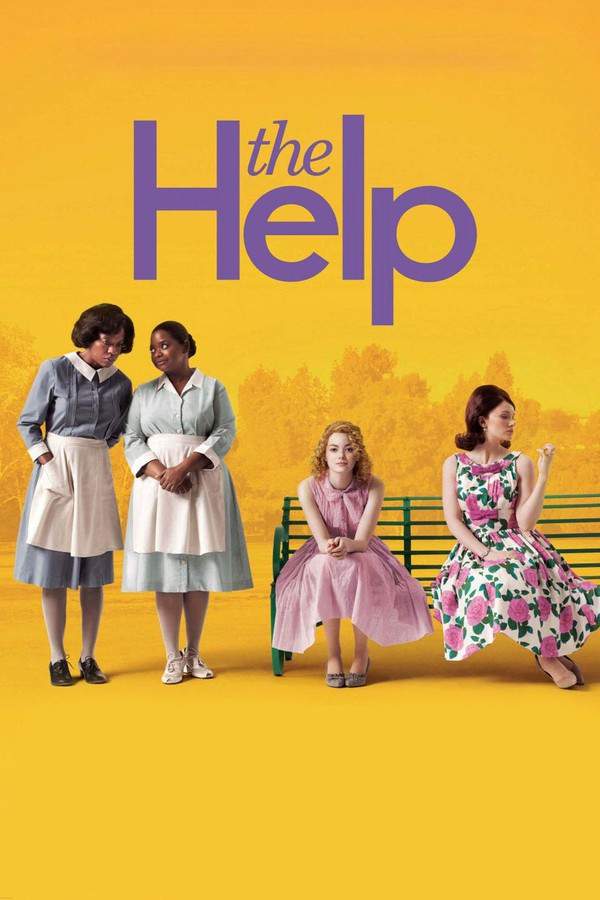
The Help 2011


Directed by

Tate Taylor

Where to Watch The Help
See current US streaming, rental, and purchase options for The Help (2011) via JustWatch.










The Help Plot Summary
Read the complete plot summary and ending explained for The Help (2011). From turning points to emotional moments, uncover what really happened and why it matters.
Aibileen Clark, portrayed by Viola Davis, is a resilient middle-aged African American maid who has dedicated her life to raising white children, a profession that has become her sanctuary. Recently, however, she has faced the heart-wrenching loss of her only son, a tragedy that adds a layer of depth to her nurturing spirit. Her closest ally in this world is Minny Jackson, played by the talented Octavia Spencer, another African American maid known for her spunk and impressive culinary skills. Though Minny has earned a reputation for being a challenging employee due to her candid nature, her remarkable cooking compensates for her fiery temperament, and the duo’s friendship is a bright spot amidst societal challenges.
Enter Eugenia “Skeeter” Phelan, a young white woman brought to life by Emma Stone, who, after completing her studies at the University of Mississippi, returns to her family’s plantation. Skeeter’s homecoming is bittersweet as she discovers that her beloved childhood maid, Constantine, portrayed by Cicely Tyson, has mysteriously left without a word. Troubled by this absence, Skeeter suspects that there is more to the story, especially given Constantine’s significance in her life and upbringing.
Unlike her peers, who have all set their sights on matrimony and child-rearing, Skeeter is single-mindedly focused on her burgeoning career as a writer. Her first venture into the professional world is as a “homemaker hints” columnist for the local paper. In an effort to fill the void left by Constantine, Skeeter reaches out to Aibileen to help her navigate the inquiries from readers seeking domestic advice. As Skeeter delves deeper into her role, she becomes increasingly aware of the disdainful attitudes her friends hold towards their help, particularly the unyielding and bigoted Hilly Holbrook, played by Bryce Dallas Howard. Hilly advocates the “Home Help Sanitation Initiative,” an outrageous proposal aimed at mandating separate restrooms for African American help, under the false notion that they carry diseases.
In a time when racial discrimination runs rampant, Skeeter stands apart as a voice of reason, determined to document the untold stories of the maids who have shaped the lives of those they serve. Initially resistant to share their experiences with Skeeter due to fears of losing their employment or facing dire consequences, the maids gradually warm up to the idea as they recognize the power of storytelling. Aibileen, the first to gather her courage, begins to open up after witnessing Hilly’s discriminatory plans, realizing the implications of raising the next generation of children who mirror their parents’ prejudice.
Adding to the narrative complexity, Minny finds herself without a job after a personal dispute with Hilly results in her dismissal for an absurd reason tied to a storm and a bathroom emergency. With her livelihood at stake and her daughter’s education hanging in the balance, Minny reluctantly agrees to contribute her own tales. In a fortunate turn of events, Aibileen helps Minny secure employment with Celia Foote, a kind-hearted woman shunned by high society, who, unlike Hilly, treats Minny with the dignity she deserves.
As Skeeter crafts the book, weaving together the poignant narratives of Minny and Aibileen, she strives to capture voices that have long been submerged beneath the weight of societal expectations. The book garners initial interest from Miss Stein, an editor based in New York City, but the path to publication becomes increasingly fraught with the realities of the Civil Rights movement. When the assassination of Medgar Evers sends shockwaves through Mississippi, and Hilly’s current maid is horrifically apprehended for attempting to secure funds for her children’s education, the maids find the courage to speak up, recognizing that their stories could wield significant power.
One particularly unforgettable moment unfolds when Minny shares the story of the “Terrible Awful,” a legendary act of revenge involving a pie, meant to safeguard their identities while seeking justice against Hilly. Armed with a culmination of tales that reflect their experiences and struggles, the book nears completion, with Skeeter confronting her own past and the truth about Constantine finally coming to light.
As momentum builds, the project receives approval for publication, marking a significant victory not just for Skeeter but for the voices of the women who found strength in unity. Revealing her newfound success brings joy, yet it also alienates Skeeter from those who fail to grasp the significance of her work, including her boyfriend, who chooses to leave her upon learning of her progressive views on race.
In a harrowing twist, Hilly orchestrates a devious plan to undermine Aibileen’s position, submitting false theft accusations to Elizabeth, her employer. In this turbulent climax, Aibileen stands tall against the wave of adversity, denouncing Hilly’s maliciousness and encouraging Elizabeth and her daughter, Mae Mobley, to understand the true value of love and respect for those who have dedicated their lives to care for them. As Aibileen embarks on a new chapter, Mae Mobley’s desperate pleas resonate, symbolizing the profound bond that transcends the barriers imposed by society.
The Help Timeline
Follow the complete movie timeline of The Help (2011) with every major event in chronological order. Great for understanding complex plots and story progression.
Aibileen's Loss
Aibileen Clark, a middle-aged African American maid, struggles with the recent loss of her only son. Devastated by his death, she reflects on her life of raising white children while balancing her grief.
Skeeter Returns Home
Eugenia 'Skeeter' Phelan returns to her family's plantation after graduating from the University of Mississippi. Upon her return, she discovers that her beloved childhood maid, Constantine, has mysteriously quit.
Skeeter's Job as a Columnist
Skeeter begins her career as a 'homemaker hints' columnist for the local newspaper. This job eventually leads her to reach out to Aibileen for help in answering domestic questions.
The Home Help Sanitation Initiative
Hilly Holbrook proposes the 'Home Help Sanitation Initiative', which seeks to create separate toilets for African American maids. Skeeter is disturbed by this initiative and begins to question her friends' attitudes toward their maids.
Aibileen's Realization
After overhearing Hilly's discriminatory remarks, Aibileen realizes that the children she has raised are learning racism from their parents. This sparks her willingness to share her stories with Skeeter.
Minny Loses her Job
Minny Jackson, Aibileen's best friend, is fired by Hilly after a misunderstanding leads to her using the bathroom during a storm. The incident puts Minny in a precarious situation as she struggles to find new work.
Finding a New Job
Determined to take care of her family, Aibileen helps Minny secure a job with Celia Foote, an outcast from high society. The respect and kindness shown by Celia provide a safe haven for Minny.
The Book Takes Shape
Skeeter writes a draft of her book, incorporating the stories of Aibileen and Minny. She sends it to an editor at Harper & Row, who suggests more contributions are needed for the book to be viable.
Racial Tensions Rise
The assassination of Medgar Evers sends shockwaves through Jackson, Mississippi, igniting racial tensions. This event prompts more maids to come forward and share their stories for Skeeter's book.
Minny's 'Terrible Awful'
Minny shares her revenge story, dubbed the 'Terrible Awful,' with Skeeter and Aibileen. She recounts how she baked a pie with feces in it to prank Hilly as an act of defiance for her unfair treatment.
Learning About Constantine
Skeeter learns the truth about what happened to Constantine from her mother. She discovers that Constantine was fired during a reception and later died in Chicago, leaving Skeeter with unresolved feelings.
Book Acceptance and Success
The book, highlighting the experiences of African American maids, is accepted for publication and becomes a success. Skeeter shares her royalties with each maid who contributed their stories.
Skeeter's Career Opportunity
After the book's success, Skeeter receives a job offer from a publishing company in New York City. This opportunity promises to further her career as a writer and advocate for equality.
Hilly's Betrayal
Hilly plots to have Aibileen dismissed by falsely accusing her of theft. Despite Elizabeth's attempts to defend her, Aibileen is forced to leave, and her departure devastates young Mae Mobley.
Aibileen's Departure
As Aibileen leaves her job, Mae Mobley cries out for her, showcasing the bond they shared. Aibileen walks away to start a new chapter in her life, symbolizing both loss and hope for change.
The Help Characters
Explore all characters from The Help (2011). Get detailed profiles with their roles, arcs, and key relationships explained.
Aibileen Clark (Viola Davis)
Aibileen is a kind-hearted and nurturing maid who has dedicated her life to raising white children. She is deeply affected by the loss of her son, which gives her emotional depth and complexity. Aibileen’s courage in sharing her story serves as a pivotal element in the fight for recognition and justice.
Minny Jackson (Octavia Spencer)
Minny is fiery and outspoken, known for her incredible cooking skills and strong-willed personality. Despite her reputation for being difficult, Minny’s story unveils the hardships she faces as a maid and the injustices imposed upon her. Her bravery and humor add a unique flavor to the narrative.
Eugenia "Skeeter" Phelan (Emma Stone)
Skeeter is a progressive young woman with aspirations of being a writer, contrasting sharply with her friends' traditional values. Her determination to uncover and share the stories of the maids highlights her courage to challenge societal norms. Skeeter's character evolves as she navigates her role in a deeply divided society.
The Help Settings
Learn where and when The Help (2011) takes place. Explore the film’s settings, era, and how they shape the narrative.
Time period
1960s
The 1960s were a time of significant social upheaval and transformation in the United States, especially concerning civil rights. During this decade, the struggle against segregation and discrimination reached a heightened intensity, culminating in key events and movements advocating for equality. This period serves as a backdrop for the racial tensions and the fight for justice depicted in the film.
Location
Jackson, Mississippi
Jackson, Mississippi, serves as the central setting for the movie, highlighting the stark racial divides of the time. Known for its rich history in the Civil Rights Movement, the city becomes a pivotal location for the struggles faced by African American maids. The narrative showcases the social dynamics and prejudices that defined the lives of its residents during this era.
The Help Themes
Discover the main themes in The Help (2011). Analyze the deeper meanings, emotional layers, and social commentary behind the film.
✊
Racial Equality
The theme of racial equality is central to 'The Help', exploring the lives of African American maids in a segregated society. Skeeter's efforts to give these women a voice highlight the injustices they face and the societal norms that oppress them. The narrative champions the idea that empathy and understanding across races can spur change and promote equality.
📚
Storytelling
Storytelling emerges as a powerful theme, as the maids' personal experiences are woven into a collective narrative. The act of sharing their stories allows them to reclaim their identities and assert their dignity. Skeeter's book becomes a catalyst for change, illustrating the importance of voices often silenced in society.
❤️
Friendship
The bonds of friendship among the characters, particularly between Aibileen and Minny, showcase the importance of solidarity in the face of adversity. Their mutual support allows them to navigate the challenges of their social environment. This theme emphasizes that friendship can serve as a source of strength and resilience.

Coming soon on iOS and Android
The Plot Explained Mobile App
From blockbusters to hidden gems — dive into movie stories anytime, anywhere. Save your favorites, discover plots faster, and never miss a twist again.
Sign up to be the first to know when we launch. Your email stays private — always.
Explore the mobile appThe Help Spoiler-Free Summary
Discover the spoiler-free summary of The Help (2011). Get a concise overview without any spoilers.
In the simmering heat of 1960s Mississippi, a world of strict social codes and quietly humming households forms the backdrop for a story that balances the weight of tradition with the stir of change. The genteel veneer of white‑upper‑class life sits uneasy atop the labor and love of the black women who keep these families running, creating a landscape where every polite greeting masks deeper, unspoken tensions.
Eugenia “Skeeter” Phelan returns home from college with a notebook full of ambitions and a restless curiosity about the lives that have shaped her own. Unlike many of her peers, whose futures are measured by marriage and motherhood, Skeeter is drawn to the power of words and the possibility of giving voice to those who have long been unheard. Her determination to document the hidden narratives of the women who raise the white children becomes both a personal quest and a subtle rebellion against the status quo.
Aibileen Clark is a seasoned maid whose quiet strength has been honed by years of caring for white families and by personal heartache. Beside her stands Minny Jackson, whose sharp wit and fierce loyalty add both humor and resilience to the daily grind. Their friendship, forged in the kitchens and living rooms of the South, provides a sanctuary where stories can be whispered, shared, and cherished, hinting at a collective courage that has long lingered beneath the surface.
When Skeeter begins to collect these intimate recollections, the project takes on a life of its own, promising to challenge entrenched attitudes while illuminating the dignity, humor, and humanity of a community often rendered invisible. The film weaves together warmth, tenderness, and a quietly powerful defiance, inviting viewers to listen for the unheard voices that shape a changing era.
Movies with Similar Twists and Themes
Uncover films that echo the narrative beats, emotional arcs, or dramatic twists of the one you're exploring. These recommendations are handpicked based on story depth, thematic resonance, and spoiler-worthy moments — perfect for fans who crave more of the same intrigue.
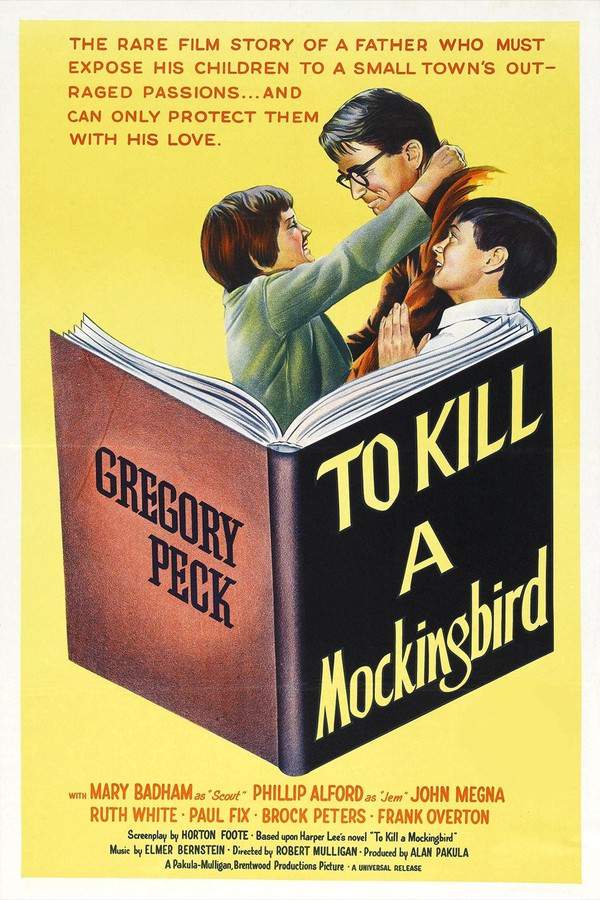

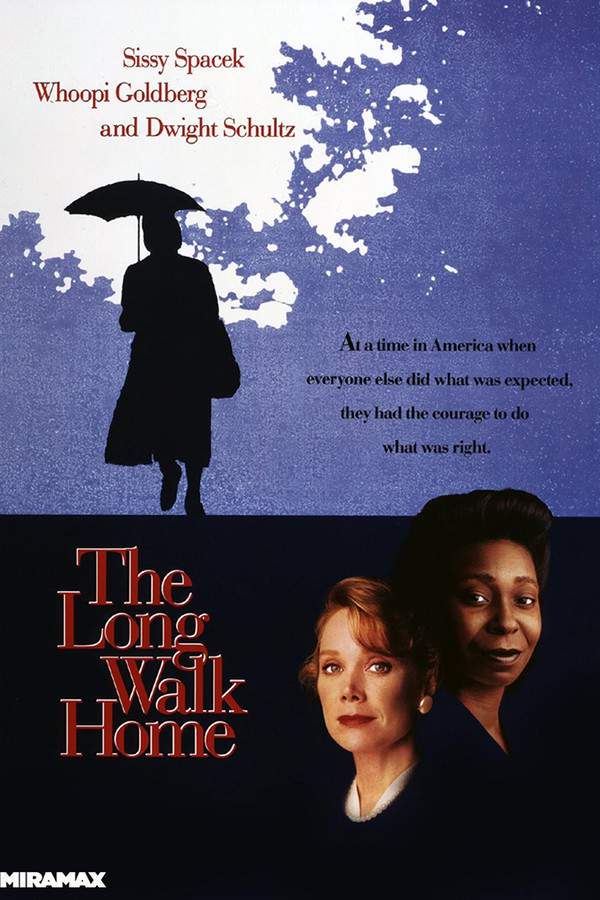




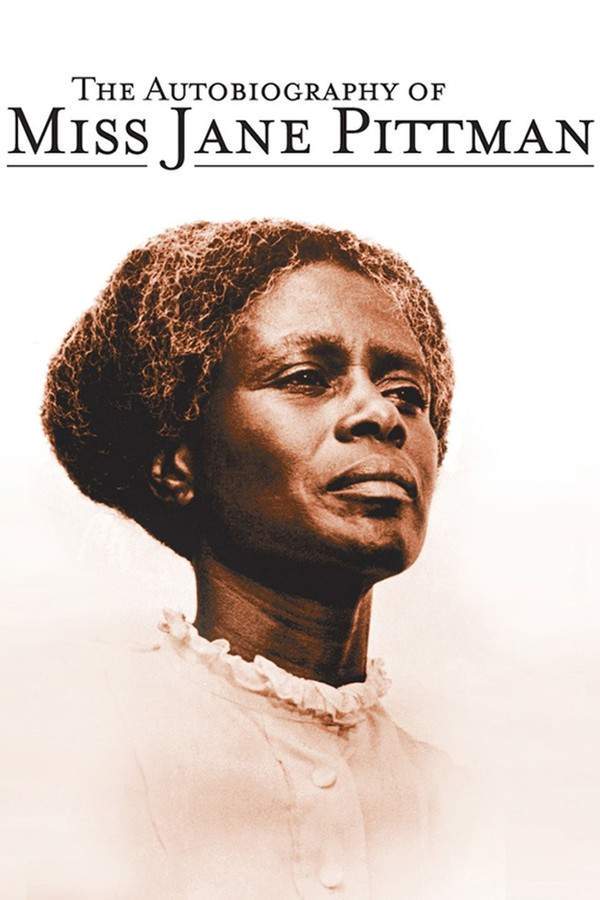

Featured on this page

What's After the Movie?
Not sure whether to stay after the credits? Find out!
Check out our other apps:

SAT Sphere
Build confidence for the Digital SAT.

Mori Atlas
Discover wild places worth protecting.

Luntero
Search smarter for a home in Amsterdam.

Plot Explained
Unravel movie endings and hidden clues.

Pokechamp
Dive into Pokémon data and battle logic.

Driving Theory
Get ready for your European theory test.

Movie Dust
Plan your next cinema trip with ease.

Musemap
Find art and culture as you travel.

Selkobase
Compare credentials before committing.

Local Manual
Turn an unfamiliar country into practical next steps.

Lernavi
Compare school systems before your next move.

GymRoam
Find a workout stop wherever your plans take you.
Explore Our Movie Platform
New Movie Releases (2026)
Famous Movie Actors
Top Film Production Studios
Movie Plot Summaries & Endings
Major Movie Awards & Winners
Best Concert Films & Music Documentaries
Movie Collections and Curated Lists
© 2026 What's After the Movie. All rights reserved.
Privacy Policy