
The General Died at Dawn 1936

Directed by
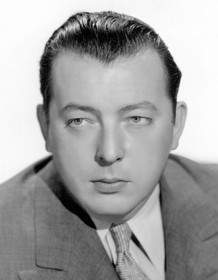
Lewis Milestone
Made by

Paramount Pictures
The General Died at Dawn Plot Summary
Read the complete plot summary and ending explained for The General Died at Dawn (1936). From turning points to emotional moments, uncover what really happened and why it matters.
General Yang, Akim Tamiroff, a warlord who controls one Chinese province, dreams of sweeping across the land to corner the silk, rice, and opium markets. His ambitions meet stern resistance from Mr. Wu, a calculating opponent who believes Yang’s army is too thin and too prone to desertion to hold a country-wide grip. To counter Yang, Wu recruits O’Hara, Gary Cooper, a tough, world-weary soldier of fortune, to travel to Shanghai and strike a weapons deal with a gunrunner in Brighton. The money funding this dangerous venture is said to be carried in a belt, a stash built on the backs of peasants crushed by Yang’s regime. Into this maelstrom drift the Perrie family—Peter Perrie, Porter Hall a dying man looking to secure a future for his daughter, and Judy Perrie, Madeleine Carroll who reluctantly agrees to be part of the plan so she can see America.
The scheme centers on distracting O’Hara while Yang’s cross-border push unfolds, and Judy accompanies her father on a journey that will play out on a train and beyond. Leach, J.M. Kerrigan, a schemer hungry for a cut, lurks in the background, trying to bend events to his own advantage as the money’s whereabouts become increasingly critical. Peter, driven by a mix of desperation and love, hides the funds in the lining of his suitcase, insisting that Judy proceed despite her growing misgivings about the plan.
O’Hara manages to escape Yang’s initial capture and makes his way toward the house where Wu awaits. Yet Peter’s attempt to safeguard the hoard—by firing a shot at Wu and thwarting the moment—ends with O’Hara gaining the upper hand and Peter meeting a grim fate at his enemies’ hands. Yang arrives with his captive trio—Judy, O’Hara, and Wu—on a boat, intent on extracting the money before the operation can unravel.
The tension tightens as Leach’s opportunism is crushed when Yang’s men shoot him, and Judy is pressed to a heart-wrenching choice: she is forced to consider telling Yang where the money lies, a move that would endanger everyone else. In a sudden turn of fate, Brighton, William Frawley and a man slipping into a stupor while seeking a drink, stumbles into Yang’s soldiers and inadvertently alters the balance of power. He awakens to confront the danger and, in the chaos, nearly brings about Yang’s downfall by mortally wounding the general with a knife.
O’Hara pleads for mercy, arguing that sparing the trio would preserve a story of loyalty and honor for the world to see. Yang, testing a grim sense of honor, orders his own men to turn on one another before he dies, a symbolic collapse of power as the dawn light spills over the scene. In the end, Judy and O’Hara share a quiet, hopeful embrace as the sun rises, the peril behind them but the memory of the night lingering in the air.
The General Died at Dawn Timeline
Follow the complete movie timeline of The General Died at Dawn (1936) with every major event in chronological order. Great for understanding complex plots and story progression.
Yang's conquest plan and Wu's resistance
General Yang, who controls a province, plans to invade others to corner silk, rice, and opium markets. Wu sees Yang's manpower shortage and doubts a successful invasion without backing. This sets up the central conflict and the drive to obtain weapons.
Wu enlists O'Hara to acquire weapons
Wu recruits O'Hara, a soldier of fortune, to travel to Shanghai and buy arms from a gunrunner in Brighton. The money for the operation is hidden in a belt funded by oppressed peasants under Yang's regime. This belt and the weapons deal become the driving force behind the plot.
The Perrie family enters the plot
Peter Perrie, dying, plans to steal money so his daughter Judy can see America. Judy joins reluctantly, intending to distract O'Hara while Yang advances toward the weapons deal. The theft ignites a chain of betrayals and danger.
Judy accompanies the distraction on the train
On the train, Judy participates in the distraction to lure O'Hara while Yang makes his move to capture him. The plan hinges on seizing the weapons deal before it can be completed. Tension rises as the trap unfolds.
Leach's demand for a cut
Leach, eager for a cut, tries to claim a portion of Peter's theft. His scheming adds risk and foreshadows further betrayals. Peter's and Judy's fates become intertwined with Leach's ambitions.
Peter hides the belt of money
Peter hides the money in the lining of his suitcase, ignoring Judy's pleas to stay clear of the crime. The hidden belt becomes a dangerous asset that many characters will chase. His attempt to protect his daughter and himself sets up a fateful confrontation.
O'Hara escapes capture and reaches Wu
O'Hara escapes Yang's trap and reaches Wu's house, where Wu awaits with a plan to secure weapons. The escape shifts focus to the alliance between O'Hara and Wu. The stage is set for a confrontational showdown.
Peter shoots at Yang, then is killed by O'Hara
Peter tries to help himself by firing at Yang, taking a chance to protect his hiding place. O'Hara overpowers him and kills Peter. The violence underscores the brutal stakes of the mission.
Yang captures Judy, O'Hara, and Wu on the boat
Yang arrives with his soldiers and takes the trio captive on a boat, demanding the money. The captives become pawns in Yang's schemes. Tensions spike as the boat becomes a floating trap.
Leach is shot by Yang's men
Leach, seeking a cut, is left to be shot by Yang's men, demonstrating Yang's ruthlessness. The betrayal removes another obstacle to Yang's plan. The survivors must now decide how far to trust one another.
Judy's confession and Yang's demand
Judy contemplates telling Yang where the money is to save O'Hara and Wu, but Yang orders her to kiss O'Hara goodbye first. This cruel moment tests loyalty and love amid looming danger. The power dynamic on the boat tightens the grip of Yang's tyranny.
Brighton discovers the money; fatal encounter with Yang
Brighton wakes, finds the money, and pockets it while seeking alcohol. He then stumbles into Yang's soldiers, insists the money is American, and is drawn into a deadly confrontation as he accidentally wounds Yang with his knife. The general is mortally wounded in the struggle.
O'Hara argues for sparing the survivors
As Yang lies dying, O'Hara argues that sparing the survivors will preserve the truth about Yang's rule and prevent a cascade of bloodshed. He suggests that letting them live could carry the story of Yang's supposed greatness to the world. The moral clash adds depth to the final conflict.
Yang dies after the duel of men
Yang, dying, orders his men to kill each other for honor before he dies, attempting to leave a final display of feigned glory. The plan collapses as the chain of command breaks under his death. The survivors face the consequences of their choices in the aftermath.
Dawn and a fragile embrace
Dawn breaks as Judy and O'Hara embrace, signaling a bittersweet ending after a perilous journey. They have survived the ordeal but at great cost, and the world remains to be interpreted through the tale they carry. The final image is one of cautious hope amid the cost of ambition.
The General Died at Dawn Characters
Explore all characters from The General Died at Dawn (1936). Get detailed profiles with their roles, arcs, and key relationships explained.
O'Hara (Gary Cooper)
A soldier of fortune drawn into a dangerous gunrunning scheme, O'Hara moves with calm pragmatism through shifting loyalties. He uses wit and nerve to outmaneuver threats, and his priorities shift from personal survival to protecting others. Beneath a world-weary exterior, he reveals moments of moral complexity and courage as he fights to save Judy and Wu.
Judy Perrie (Madeleine Carroll)
Peter's daughter who reluctantly participates in her father's plan to secure money for America. She wrestles with loyalty to her father and her own desire for independence, including a future abroad. Judy questions the scheme and demonstrates courage when faced with dangerous choices. Her evolving stance drives the narrative toward the dawn confrontation.
Peter Perrie (Porter Hall)
A dying father who engineers a plan to steal money so Judy can see America, wielding manipulation and deception to secure his family's future. He hides the wealth inside his suitcase, gambling on the scheme's success. His scheming sets off the chain of events that drives the tension between characters and cultures. His fate underscores the moral costs of greed.
General Yang (Akim Tamiroff)
A ruthless warlord intent on expanding his control over China's provinces to dominate markets. He commands a formidable force and uses fear and diplomatic pressure to coerce others. His plan destabilizes the region, and his downfall comes as a result of his own entanglements and the actions of those he tries to control.
Leach (J.M. Kerrigan)
A schemer who seeks a cut from Peter's theft, driven by opportunism and greed. He mixes with multiple factions, playing them against each other to increase his own payoff. His duplicity leads to a violent reckoning when the plan unravels and those around him begin to turn on one another.
General Wu (Mr. Wu)
A military leader aligned with Wu who awaits O'Hara's arrival; a calculating figure in the power game. He stands as a counterweight to Yang, orchestrating strategies that hinge on alliances and timing. His presence creates another layer of political tension as the plan unfolds.
The General Died at Dawn Settings
Learn where and when The General Died at Dawn (1936) takes place. Explore the film’s settings, era, and how they shape the narrative.
Time period
1930s
Set during China's Warlord Era in the 1930s, the story pits rival generals against each other amid shifting loyalties. Foreign interest in arms and trade intensifies the stakes, while civilians bear the cost of power struggles. The era's instability frames a tense, collision-filled plot that culminates at dawn.
Location
Shanghai, Brighton
The film unfolds across Chinese urban and frontier settings centered on Shanghai's mercantile landscape. The action moves between a train, a house, a ship, and a port where a gunrunner operates in Brighton. The backdrop is a warlord-era China marked by political instability, mercenary schemes, and global interest in its markets.
The General Died at Dawn Themes
Discover the main themes in The General Died at Dawn (1936). Analyze the deeper meanings, emotional layers, and social commentary behind the film.
⚔️
Power & Corruption
The warlord Yang's bid to conquer provinces to control markets exposes how wealth and force feed each other. Money tied to peasants funds arms deals, highlighting the use of economic power to coerce others. Characters manipulate loyalty, fear, and ambition to secure advantage, often at great human cost. The film asks whether power can be exercised without corrupting those who wield it.
💔
Family & Duty
Peter Perrie's dying wish to shield Judy with money sets off a web of deceit that drags them into danger. Judy must choose between loyalty to her father and her own longing for freedom, including a future abroad. Judy questions the scheme and demonstrates courage when faced with dangerous choices. Her evolving stance drives the narrative toward the dawn confrontation.
🎭
Deception & Survival
Characters constantly test loyalties and mask true intentions to survive the deadly game. Leach pursues profit by exploiting others, while Judy and O'Hara navigate a maze of schemes. Moves are calculated, betrayals are common, and trust is a rare commodity. The tension rests on whether mercy and honesty can prevail over opportunism.
🌅
Dawn & Hope
Dawn breaks at the film's climax, offering a fragile moment of humanity amid violence. O'Hara and Judy confront the consequences of their choices, choosing connection over further peril. The ending implies that life can continue beyond the schemes, even as the costs linger. The dawn scene frames a hopeful, yet tempered, conclusion.

Coming soon on iOS and Android
The Plot Explained Mobile App
From blockbusters to hidden gems — dive into movie stories anytime, anywhere. Save your favorites, discover plots faster, and never miss a twist again.
Sign up to be the first to know when we launch. Your email stays private — always.
Explore the mobile appThe General Died at Dawn Spoiler-Free Summary
Discover the spoiler-free summary of The General Died at Dawn (1936). Get a concise overview without any spoilers.
In the smoky haze of 1930s China, a nation riven by civil war teeters on the brink of chaos. War‑torn villages and bustling ports share a common undercurrent of desperation, as rival armies clash over control of trade routes, rice, silk and opium. The landscape is painted in shades of dust‑filled sunrise and the cold steel of rifles, setting a stark backdrop where every contract, every promise, feels as fragile as the fragile peace that briefly holds between battles.
General Pen — a seasoned commander with a reputation for ruthless pragmatism — commissions an unlikely ally for a critical mission. O’Hara, an American adventurer whose weathered demeanor masks a fierce sense of honor, is tasked with transporting a substantial sum across treacherous terrain. The money is destined for Mr. Wu, a shrewd Chinese operative who holds the key to an arms purchase in Shanghai, a transaction that could tip the balance of power. Opposing them, though never directly confronted in this opening, is General Yang, whose iron‑fisted rule over an entire province looms as a constant threat to any attempt at change.
The tone of the story is taut and atmospheric, a blend of gritty realism and lingering romanticism. O’Hara moves through the world with a mix of cynicism and idealism, his rugged charisma drawing both mistrust and admiration from those he meets. The interplay between the foreign mercenary and the local power brokers creates a charged dynamic, hinting at alliances that may shift as quickly as the front lines. Beneath the surface, personal motives intertwine with political intrigue, suggesting that the success of the mission may hinge as much on character as on circumstance.
As the protagonists set out on their perilous journey, the audience is invited to feel the weight of a nation in turmoil and the fragile hope that a single act of daring might spark something larger. The film’s mood balances suspense with moments of quiet reflection, offering a glimpse into a world where honor, desperation, and the promise of a new dawn coexist in uneasy tension.
Movies with Similar Twists and Themes
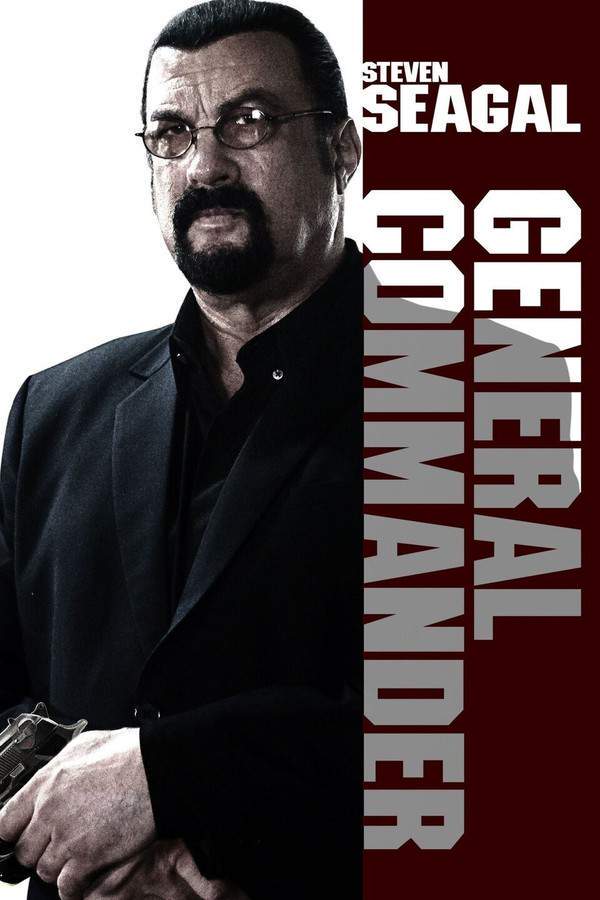
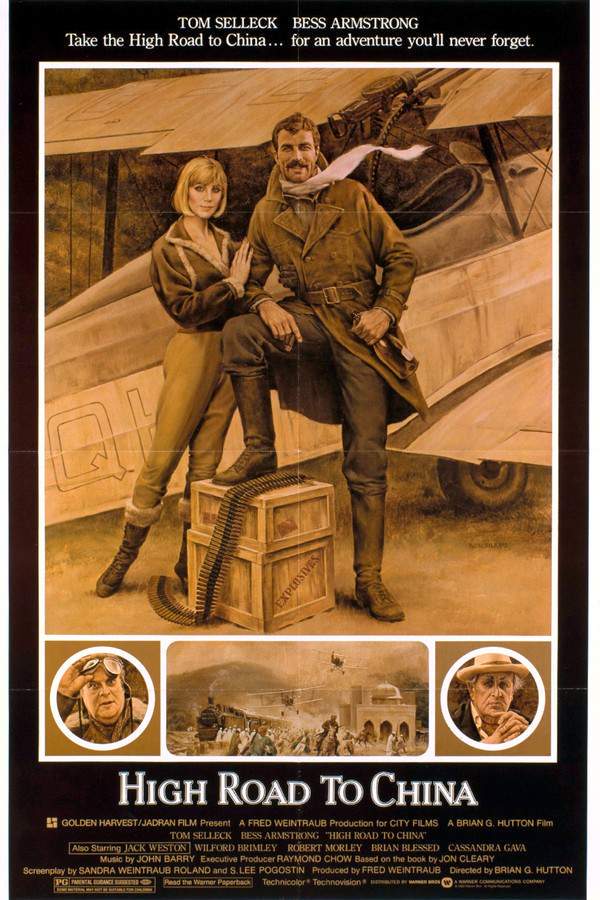
Uncover films that echo the narrative beats, emotional arcs, or dramatic twists of the one you're exploring. These recommendations are handpicked based on story depth, thematic resonance, and spoiler-worthy moments — perfect for fans who crave more of the same intrigue.


Featured on this page

What's After the Movie?
Not sure whether to stay after the credits? Find out!
Check out our other apps:

SAT Sphere
Build confidence for the Digital SAT.

Mori Atlas
Discover wild places worth protecting.

Luntero
Search smarter for a home in Amsterdam.

Plot Explained
Unravel movie endings and hidden clues.

Pokechamp
Dive into Pokémon data and battle logic.

Driving Theory
Get ready for your European theory test.

Movie Dust
Plan your next cinema trip with ease.

Musemap
Find art and culture as you travel.

Selkobase
Compare credentials before committing.

Local Manual
Turn an unfamiliar country into practical next steps.

Lernavi
Compare school systems before your next move.

GymRoam
Find a workout stop wherever your plans take you.
Explore Our Movie Platform
New Movie Releases (2026)
Famous Movie Actors
Top Film Production Studios
Movie Plot Summaries & Endings
Major Movie Awards & Winners
Best Concert Films & Music Documentaries
Movie Collections and Curated Lists
© 2026 What's After the Movie. All rights reserved.
Privacy Policy