
The Gay Deceivers 1969


Directed by

Jack Starrett
Made by

Fanfare Films
Where to Watch The Gay Deceivers
See current US streaming, rental, and purchase options for The Gay Deceivers (1969) via JustWatch.









The Gay Deceivers Plot Summary
Read the complete plot summary and ending explained for The Gay Deceivers (1969). From turning points to emotional moments, uncover what really happened and why it matters.
Two friends, Danny and Elliot, hatch a risky plan to dodge the draft by posing as a gay couple. Under tight Army surveillance, they move into a vibrant, openly gay apartment building and try to blend in with the residents while clinging to their relationships with the women in their lives. Danny embeds himself in the social web of the place, while Elliott wrestles with the limits of their ruse. Danny’s girlfriend, Karen, becomes part of the emotional pressure cooker as the two men balance fear of discovery with the lure of genuine connection. The premise is odd, comic, and uneasy in turns, setting up a investigation into masculinity, desire, and the price of pretending to be someone you’re not.
Inside the building, they meet their landlord, a warm and thoughtful man named Malcolm, and his partner, the steadfast Craig. Malcolm and Craig bring a steadiness to the chaos around the two young men, offering stories from their own early days as a couple and reminding Danny and Elliot of possibilities beyond fear and conformity. At first, the pair write off Malcolm and Craig as “two fruits” and try to perform their roles, but the more they observe these men’s tenderness and courage, the more they question the assumptions they’ve been fed about what it means to be gay. The apartment becomes a stage where friendship, empathy, and the stubborn resilience of love begin to bend the rules that kept the two friends in their shells.
Tension mounts as personal boundaries collide with social expectations. Danny insists that Elliot cannot have any romantic or physical relations with women during the ruse, while Danny himself continues to date Karen, hoping the tactic will keep their cover intact. The conflict grows when Elliot, feeling cornered by the pressure to perform, takes a reckless step: he visits a gay bar, allowing a man to buy him drinks and flirt, only to be overwhelmed by the moment and then punch the advances away in a confused, angry daze. The incident fractures trust between the friends and rattles everyone around them, including Karen, who begins to doubt what she knows about Danny and Elliot—and what they’re capable of feeling.
The emotional earthquake widens when Karen breaks up with Danny, suspecting that the two men are more than friends. In a bid to prove his own heterosexual fidelity and to defend his brother’s reputation, Danny’s sister, Leslie Devlin, enters the tangled dynamics and makes a provocative move of her own by seducing Elliot. The encounter forces Elliot to face deeper questions about desire, identity, and his own emotional wiring, including a painful moment of erectile dysfunction that seems to confirm the suspicions of those around him. The plot uses these intimate tensions not just for drama, but to probe the idea of authenticity under pressure and the ways fear can distort attraction and loyalty.
The social circle expands into a large gay party hosted by Malcolm and Craig, a gathering that becomes a crucible for everyone involved. Elliot attends, and in a moment of vulnerability he sneaks toward intimacy with a drag performer, only to be interrupted by the creeping presence of the Army investigators who have been tailing him. The event highlights how the line between safety and exposure can blur in a world where surveillance and stigma are constant companions. As the night unfolds, the pair’s ruse teeters on collapse, yet something unexpected happens: the people tasked with policing them are also navigating their own truths and attractions, complicating the already fragile game they’re playing.
In the end, Danny and Elliot are not inducted into the Army, but not through a victory of clarity or confession. Instead, a surprising reversal reveals that the Army investigators assigned to monitor them are themselves navigating same-sex attractions and the complexities of staying true to who they are in a system designed to police who people should be. The film closes on a sobering, thought-provoking note: the moral landscape is messier and more nuanced than a simple moral judgment, and sometimes the most meaningful resistance comes from choosing honesty and empathy over maintaining a perfect cover. What begins as a farcical attempt to dodge conscription evolves into a meditation on identity, love, and the quiet courage it takes to live without pretending.
The Gay Deceivers Timeline
Follow the complete movie timeline of The Gay Deceivers (1969) with every major event in chronological order. Great for understanding complex plots and story progression.
Decision to fake being gay to dodge the draft
Danny and Elliot decide to dodge the draft by pretending to be a gay couple. They enter a high-stakes ruse and agree to be surveilled by the Army to verify their claims. Throughout the process they still try to maintain their real relationships with the women in their lives.
Move into a gay apartment building
They relocate to a gay apartment building to blend in with the residents and avoid arousing suspicion. The Army tracks their every move as they pretend to be a couple. The new environment tests their ability to act natural as part of the deception.
Meeting Malcolm and Craig
In the building, they meet Malcolm and his husband Craig, the landlord couple who will influence their understanding of relationships. Malcolm and Craig offer memories and advice from their own early days as a couple. The encounter seeds a shift in Danny and Elliot’s perspective toward the couple.
Advice from Malcolm and Craig
Malcolm and Craig try to share insight and guidance about love and commitment from their history together. Danny and Elliot initially dismiss them as 'two fruits' and resist their perspective. The exchange plants the first seeds of doubt about their prejudices.
Growing empathy and doubt
As conversations continue, Danny and Elliot begin to see Malcolm and Craig as decent people. They start questioning the beliefs they were taught about homosexuals. The seeds of change start to undermine the rigidity of their ruse.
Rift at home: Karen and the rule
Tension escalates when Danny insists Elliot cannot have relations with women during the ruse, while Danny himself continues dating his girlfriend Karen. The pressure tests their alliance and the feasibility of maintaining the deception. The situation strains the couple’s relationship with each other and those around them.
Elliot loses control at a gay bar
Following a fight with Danny, Elliot knowingly enters a gay bar and allows a man to buy him drinks and flirt with him. The man’s advances lead to a tense moment, and Elliot ends up punching him before leaving in a confused rage. The incident highlights Elliot’s internal conflict about desire and identity.
Karen breaks up with Danny
Karen breaks up with Danny, convinced that he and Elliot are a real couple as part of the deception. This rejection adds pressure on Danny, who is still trying to juggle the ruse with his feelings. The breakup accelerates the unraveling of their original plan.
Leslie's seduction and Elliot's doubt
Danny’s sister Leslie seduces Elliot to prove he isn’t gay, but he suffers erectile dysfunction in the moment, further confirming the girls’ suspicions. The incident adds another layer of doubt to their legitimacy and complicates the ruse. It also deepens the emotional tension between the two friends.
Gay party and a risky move
During a gay party hosted by Malcolm and Craig, Elliot attempts to sleep with a drag queen, testing boundaries of the deception. An Army investigator who has been following him interrupts the moment, uncovering the act. The party becomes a turning point in the surveillance process.
Caught but not inducted
Even after the moment is caught, the pair are not inducted into the military. The investigators assigned to watch them reveal a surprising twist about the Army’s internal dynamics. The surveillance continues without granting them exemption through induction.
The twist: the investigators are gay
The Army investigators themselves are gay, and they are depicted as trying to keep straight people out of the Army. This revelation reframes the pursuit and suggests a counterpoint to the original premise of the draft dodge. The film closes with the idea that sexuality shapes how the system enforces its rules.
The Gay Deceivers Characters
Explore all characters from The Gay Deceivers (1969). Get detailed profiles with their roles, arcs, and key relationships explained.
Danny Devlin (Kevin Coughlin)
Danny is quick-witted and determined to dodge the draft by pretending to be gay. He tries to balance the deception with his relationship with his girlfriend Karen, while clashing with Elliot over rules and feelings. The ruse strains his loyalties to family and friends and forces him to confront his own beliefs about sexuality.
Elliot Crane (Lawrence P. Casey)
Elliot is anxious and divided, wrestling with his own sexuality as the plan unravels. He flirts with a man in a gay bar and reacts with confusion and anger, revealing inner turmoil. His evolving feelings and the pressure of the cover story strain his bond with Danny and his ability to conform to expectations.
Karen (Brooke Bundy)
Karen is Danny's girlfriend who breaks up with him after learning of the ruse. She tries to prove Danny's heterosexuality by seducing Elliot, highlighting the era's assumptions about sexuality and the fragility of relationships built on deception.
Leslie Devlin (Jo Ann Harris)
Leslie is Danny's sister who initially suspects her brother and Elliot of deception. She complicates the situation by attempting to seduce Elliot to prove he isn't gay, illustrating family dynamics and the pressure to conform.
Malcolm
Malcolm is the landlord and a thoughtful, supportive figure who, with his husband Craig, offers advice to Danny and Elliot. Their relationship provides a humane counterpoint to the era's prejudice and models a compassionate LGBTQ+ dynamic.
Craig
Craig is Malcolm's husband and a key voice of acceptance in the building. He hosts gatherings that reveal a warm, inclusive side of the LGBTQ+ community and helps the young men rethink their assumptions about love and honesty.
The Gay Deceivers Settings
Learn where and when The Gay Deceivers (1969) takes place. Explore the film’s settings, era, and how they shape the narrative.
Time period
1960s
The film takes place during the Vietnam War draft era in the United States, a period when conformity was strongly policed and attitudes toward homosexuality were largely hostile. Army surveillance and the threat of induction loom over the characters as they navigate their ruses. Social norms and laws of the era shape every decision, forcing the characters to confront what it means to be 'normal'.
Location
Gay apartment building
Set in a US city, the action centers on a gay apartment building that functions as a microcosm of 1960s attitudes toward sexuality. The building hosts a diverse mix of residents, including a newly formed couple and their friends, whose interactions reveal both prejudice and warmth. The cramped, communal space intensifies the stakes of disguise and acceptance as the characters navigate love, secrecy, and belonging.
The Gay Deceivers Themes
Discover the main themes in The Gay Deceivers (1969). Analyze the deeper meanings, emotional layers, and social commentary behind the film.
🧭
Identity
The film probes how young people are taught to define themselves and what happens when those lessons are questioned. Danny and Elliot must confront their own desires and loyalties as the ruse blurs lines between friendship, romance, and self-perception. Interactions with Malcolm and Craig push them to reconsider stereotypes and move toward self-acceptance.
🎭
Deception
Deception drives the plot, creating fear of exposure and the constant risk of being found out. The men juggle a dangerous performance with personal relationships, revealing the costs of pretending to be someone they are not. The tension between truth and illusion exposes both the vulnerability and absurdity of social masks.
🤝
Acceptance
The narrative gradually challenges prejudice by presenting caring, nonjudgmental LGBTQ+ characters who become mentors. Malcolm and Craig model a humane alternative to hostility, showing that empathy and character matter more than labels. The twist that Army investigators are themselves gay adds a nuanced layer about where acceptance can truly exist.

Coming soon on iOS and Android
The Plot Explained Mobile App
From blockbusters to hidden gems — dive into movie stories anytime, anywhere. Save your favorites, discover plots faster, and never miss a twist again.
Sign up to be the first to know when we launch. Your email stays private — always.
Explore the mobile appThe Gay Deceivers Spoiler-Free Summary
Discover the spoiler-free summary of The Gay Deceivers (1969). Get a concise overview without any spoilers.
In a restless 1960s America teetering on the brink of war, two close friends, Danny and Elliot, hatch a desperate scheme to slip under the draft‑board’s radar. Their plan? Pose as a gay couple long enough to convince a skeptical recruiting officer that they’re unfit for service. The comedy of their ruse is tempered by an undercurrent of anxiety, as the pair must learn quickly how to inhabit a world that feels both foreign and oddly familiar. The film’s tone wavers between sharp satire and earnest observation, inviting the audience to laugh while feeling the weight of the men’s gamble.
To pull off the deception, they move into a vibrant, openly gay apartment building that throbs with community, music, and unapologetic self‑expression. Here they meet the building’s warm landlord, Malcolm, and his steadfast partner, Craig, whose seasoned relationship offers a glimpse of what life can be beyond fear‑driven performance. Karen, Danny’s girlfriend, is drawn into the tangled web, her presence highlighting the fragile line the friends walk between deception and genuine connection. Meanwhile, Leslie—Danny’s sister—adds another layer of familial pressure, reminding everyone that the stakes stretch far beyond the draft board.
Against this colorful backdrop, the movie explores questions of masculinity, desire, and authenticity. The ever‑watchful eye of the military looms, turning everyday interactions into high‑wire acts. As the friends navigate parties, hallway conversations, and the intimate rituals of their new neighbors, the audience senses a broader meditation on what it means to live without pretense. The blend of witty dialogue, period details, and tender character moments creates a world where comedy and contemplation coexist, urging viewers to consider how far someone will go to escape a fate that feels imposed.
Movies with Similar Twists and Themes
Uncover films that echo the narrative beats, emotional arcs, or dramatic twists of the one you're exploring. These recommendations are handpicked based on story depth, thematic resonance, and spoiler-worthy moments — perfect for fans who crave more of the same intrigue.
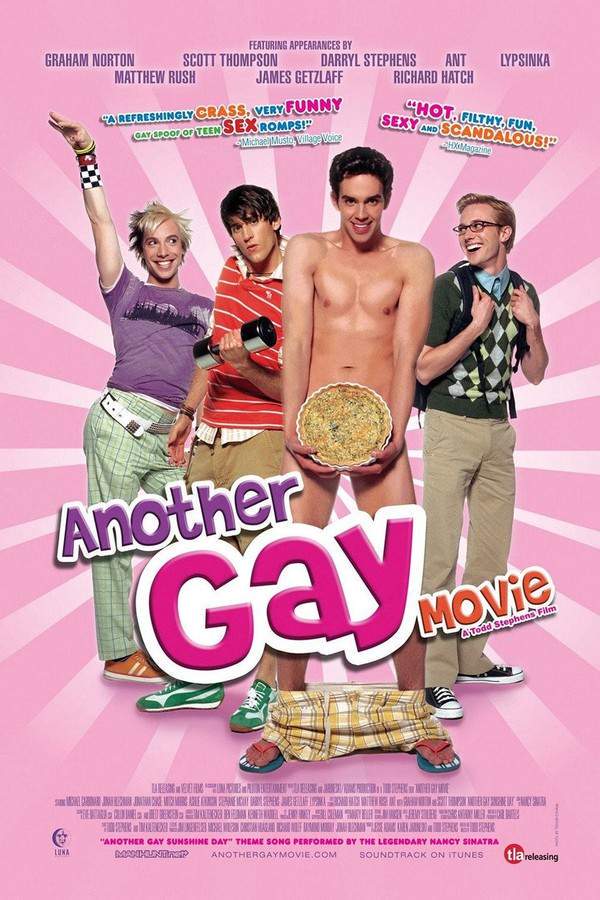
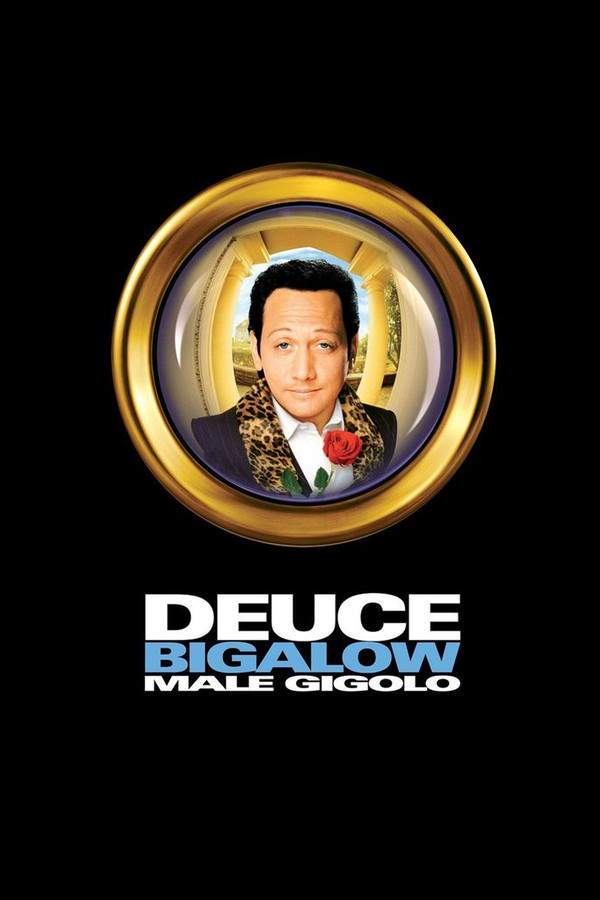

Featured on this page

What's After the Movie?
Not sure whether to stay after the credits? Find out!
Check out our other apps:

SAT Sphere
Build confidence for the Digital SAT.

Mori Atlas
Discover wild places worth protecting.

Luntero
Search smarter for a home in Amsterdam.

Plot Explained
Unravel movie endings and hidden clues.

Pokechamp
Dive into Pokémon data and battle logic.

Driving Theory
Get ready for your European theory test.

Movie Dust
Plan your next cinema trip with ease.

Musemap
Find art and culture as you travel.

Selkobase
Compare credentials before committing.

Local Manual
Turn an unfamiliar country into practical next steps.

Lernavi
Compare school systems before your next move.

GymRoam
Find a workout stop wherever your plans take you.
Explore Our Movie Platform
New Movie Releases (2026)
Famous Movie Actors
Top Film Production Studios
Movie Plot Summaries & Endings
Major Movie Awards & Winners
Best Concert Films & Music Documentaries
Movie Collections and Curated Lists
© 2026 What's After the Movie. All rights reserved.
Privacy Policy