What Is The End About?
The premise of The End in 323 words, with nothing given away. The full story and the ending follow below.
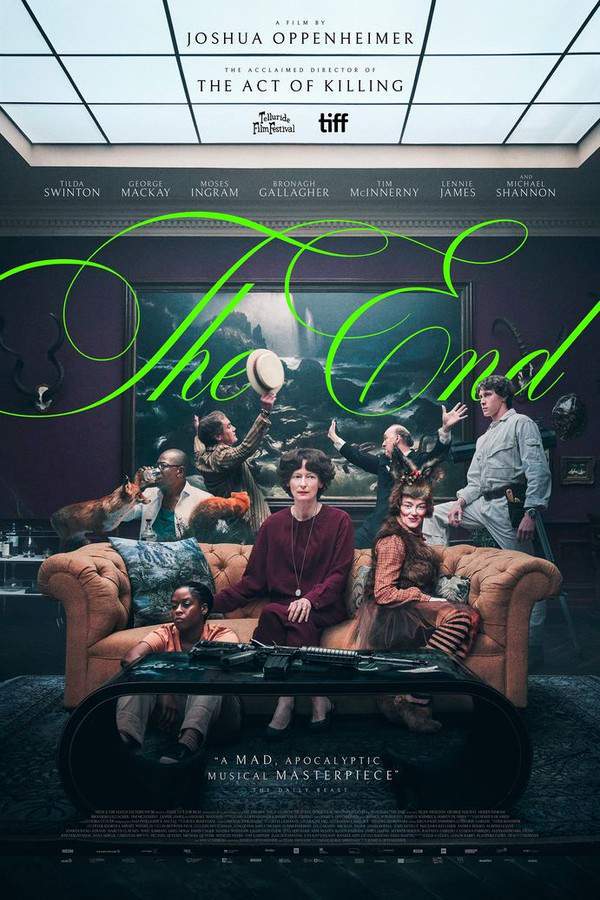
In a world where the surface has become uninhabitable, a small elite community has retreated into a sprawling underground bunker carved from a former salt mine. The space is luxuriously appointed, its walls lined with fine art and seasonal décor meant to evoke a world that exists only in memory. Daily life is a careful choreography of drills, fitness routines, and meticulous upkeep, all designed to preserve a fragile illusion of normalcy amid the endless darkness outside.
At the heart of this hidden enclave live Mother, a perfectionist who obsesses over every detail of the bunker’s appearance, and Father, a former oil‑industry magnate now consumed with documenting his legacy. Their 20‑year‑old Son has known nothing but the cavernous halls of this subterranean refuge; he spends his time building scale models of lost cities and histories, yearning for a glimpse of the world he has never seen. Their close‑knit circle also includes Friend, an old confidante of Mother; Butler, an aging queer caretaker who has served the family for years; and Doctor, the pragmatic medical professional who watches over their health and safety.
The delicate balance of their insulated existence is unsettled by the sudden arrival of Girl, a young woman found unconscious in the mines. Her presence introduces an unfamiliar spark of curiosity and desire, especially for the Son, whose sheltered life has been defined by routine and restraint. As she learns to navigate the bunker’s strange rituals, questions of trust, belonging, and the true cost of survival begin to surface, hinting at deeper emotional currents beneath the polished surface.
The film unfolds with a tone that blends claustrophobic tension and quiet opulence, exploring themes of guilt, longing, and the human need for connection. Through the interplay of its characters—each carrying their own secrets and hopes—the story invites viewers to wonder what it means to cling to the past while confronting an uncertain future, all within the hush of an artificial underground world.
What Happens in The End?
The complete story of The End, from the first scene to the last, in 852 words (about 4 minutes). Spoilers throughout. Names in the text link to 7 cast member pages.
Spoilers ahead
Set two decades after an environmental catastrophe renders Earth’s surface uninhabitable, the narrative centers on a wealthy family—Tilda Swinton as Mother, Michael Shannon as Father, and their 20-year-old George MacKay as Son—who have sealed themselves inside a luxurious bunker carved from a converted salt mine, living with a small circle of companions: Bronagh Gallagher as Friend, Tim McInnerny as Butler, and Lennie James as Doctor. The Son, raised underground, longs to see the surface and fills his days by building scale models of historical events and places, a quiet, imaginative rebellion against the world they’ve chosen to inhabit.
Inside, the family follows a strict routine that gives order to their claustrophobic life: safety emergency drills, indoor pool workouts, ongoing duties to keep the bunker running, and a carefully curated collection of art Mother had brought with them. The bunker is dressed to mirror changing seasons, a deliberate effort by Mother to craft perfection in their isolated existence. The Father assists in maintaining this fragile illusion while the Son collaborates on a memoir, describing his past in the energy industry in broader, sometimes embellished terms and recounting philanthropy in a way that blurs fact and memory.
The Friend describes to the Son how her own son was sick with cancer and would not have survived in the bunker, a candid, painful memory that deepens the sense of isolation and loss surrounding the group. The Son begins to feel keen loneliness, a longing to experience the outside world that has become mythic to him. Their quiet routine is interrupted when they discover a Moses Ingram as Girl unconscious in the mines, and they bring her inside to question her about how she found them and what she might know about the surface. The Girl paints a bleak picture of an uninhabitable exterior and reveals that her family died trying to cross a river, leaving her alone with her trauma. Although they debate whether to keep her, the group casts her back out, but the Girl escapes and runs through the bunker, evading capture until the Son pleads for her to stay.
The Girl struggles to adapt to life underground. Mother grows suspicious and voices concerns to the Father while attempting to teach the Girl about their world and to probe her motives. The Mother also pursues her relationship with the Father, a tension that surprises him. Over time, the Girl and the Son form a slow bond. The Son confesses his growing feelings for the Girl to his parents, triggering a debate about love, naivety, and the ethics of their covert existence. He gives the Girl a watch as a sign of trust, and she accepts, though with lingering hesitation. The Girl challenges the Son’s obsession with his scale models of the outside world, especially when he defends the brutal history of the first transcontinental railroad as a necessary step in civilization.
Meanwhile, the Mother and Friend grapple with sleeplessness and nightmares, which Doctor tends to with sleeping pills and reassurance. During a writing session, the Son seeks to understand more about their lives before the bunker and how his Father met his Mother. The Butler and the Father discuss love and longing, and the Son later writes a flowery, embellished version of how the Father met the Mother, which he then shares with the Mother, folding their memories into the present. As winter arrives, the family stages a New Year’s Eve with homemade costumes and a program of skits, even a soft-shoe dance by the Butler and the Father, a moment of fragile joy amid their confinement.
During the New Year dinner, the Girl appeals to the Mother about abandoning the rest of humanity, arguing for a more permanent retreat from the world; the Father halts the conversation, and the Mother wrestles with survivor’s guilt, ultimately justifying their choice as a life they too helped create. The Father continues to rationalize his actions while working on the memoir with the Son, even trying to persuade the Girl of his innocence by insisting that other corporations were worse and, at least, >cared<. The Father’s reflections turn toward mortality and aging, and the Son questions why they left everyone else behind, a debate that underscores the ethical weight of their isolation. The Friend reveals a painful truth: her son did not die of cancer but was lost to addiction, and she chose to leave him behind to seek safety in the bunker. She later overdoses on sleeping pills prescribed by the Doctor, leaving the Son distraught and inflaming a confrontation with the Girl about responsibility and guilt.
Time passes, and a troubling quiet settles over the bunker until, in a future that feels both distant and intimate, the Son and the Girl have a baby together. The family gathers to celebrate the Girl’s birthday and captures a family photo, a fragile record of a life that refuses to be erased. The Mother and the Girl both contemplate what lies ahead for them, and the final moments leave a quiet echo of hope and uncertainty about the future beneath the surface they have chosen to inhabit.
The End Timeline: Every Key Event in Order
12 key events in the order they happen, from “Catastrophe and bunker life begins” to “A future family and reflection”. 12 events name a place, across 3 locations.
- 1
Catastrophe and bunker life begins
Two decades after an environmental catastrophe renders Earth’s surface uninhabitable, a wealthy family isolates in a luxurious bunker inside a converted salt mine. They establish routines, drills, an indoor pool, and a small art collection to maintain a sense of normalcy. The Mother obsessively perfects the décor and layout, while the Father compiles a memoir and the Son grows up largely underground.
When:Two decades after catastrophe Where:Converted salt mine bunker
- 2
The Son's longing for the outside world
Having never seen the outside world, the Son longs to step above ground. He fills his days by building scale models of historical events and places, imagining a life beyond the bunker walls.
When:Early years in bunker Where:Bunker
- 3
Daily routines and tensions
The family follows strict routines: safety drills, indoor workouts, and duties to keep the outpost running. The Mother obsesses over perfection and decor, while the Father writes the memoir and the Son assists by shaping the narrative. The atmosphere is carefully curated, concerned with appearances as much as survival.
When:Ongoing Where:Bunker
- 4
The Girl is found in the mines
The group discovers a Girl unconscious in the mines and brings her into the bunker for questioning. She describes the uninhabitable surface and explains that her family died crossing a river; pressed by fear, they consider casting her back out. The Girl escapes her would-be captors and runs through the corridors, leaving the Son to plead for allowing her to stay.
When:Early Where:Mines and bunker
- 5
Suspicion and tentative bonding
Mother remains wary of the Girl and probes her motives while trying to teach her the rhythms of bunker life. The Girl slowly adapts, and the Son begins to form a bond with her, even confessing his growing feelings. Tension undercuts the calm, as trust is earned slowly.
When:Shortly after arrival Where:Bunker
- 6
The gift of trust and debate over memory
The Son gives the Girl a watch, and she accepts it with quiet hesitation. The two clash over the Son’s scale models, especially his defense of the brutality of the first transcontinental railroad, which the Girl questions as a symbol of exploitation.
When:Later Where:Bunker
- 7
Sleepless nights and pills
Mother and Friend suffer sleeplessness and nightmares, which the Doctor minimizes as harmless nerves. He prescribes sleeping pills to help them rest, masking deeper anxieties about their isolation.
When:Mid-phase Where:Bunker
- 8
Writing and revelation
During a writing session, the Son learns more about their lives before the bunker and how his Father met his Mother. The Butler and the Father discuss ideas of love and longing, and the Son drafts a flowery, embellished version of their origin that he later repeats to the Mother.
When:During writing session Where:Bunker
- 9
New Year's Eve in the bunker
Winter deepens as New Year's Eve approaches, and the family stages a program of homemade animal costumes while the Butler and Father perform a soft-shoe tap dance. The Girl appeals to the Mother to abandon humanity, but the Father interrupts and ends the debate.
When:New Year's Eve Where:Bunker
- 10
Survivor guilt and justifications
The Father continues to justify his actions while writing, insisting he cared and that other corporations were worse. He and the Son argue about leaving everyone else behind, and the Mother grapples with survivor's guilt, ultimately defending their choice.
When:Post New Year’s Eve Where:Bunker
- 11
Friend's confession and tragedy
The Friend reveals that her son did not die of cancer but struggled with addiction, and she chose to leave him to join the bunker. She later obtains more sleeping pills from the Doctor and overdoses.
When:After Eve Where:Bunker
- 12
A future family and reflection
Some time in the future, the Son and the Girl have a baby, and the family gathers to celebrate the Girl's birthday with a family photo. The Mother and the Girl both ponder what lies ahead for humanity beyond the bunker.
When:Some time in the future Where:Bunker
Who Are the Main Characters in The End?
7 characters, among them Girl (Moses Ingram), Son (George MacKay) and Mother (Tilda Swinton): who each one is and the part they play in the story. Every profile links to the actor’s page.
-

Girl (Moses Ingram)
Played by Moses Ingram
An outsider from the uninhabitable surface, she arrives unconscious in the mines and must navigate a wary, self-contained world. Her trauma exposes the cost of survival and unsettles the bunker’s routines. Her presence challenges the Mother’s suspicions and awakens the Son to deeper feelings, testing loyalties and boundaries.
- 🧭 Outsider
- 💔 Trauma
- 🕊️ Hope
-

Son (George MacKay)
Played by George MacKay
A twenty-year-old who has spent his life underground, he longs to experience the world above and builds scale models of historical events as substitutes. His loneliness drives him toward the Girl, risking safety and changing family dynamics. He reveals a tender, imaginative side through his reflections on his father’s past.
- 🧠 Dreamer
- 💞 Romantic
- 🧭 Explorer
-

Mother (Tilda Swinton)
Played by Tilda Swinton
A meticulous matriarch who keeps the bunker perfectly curated, she masks deeper survivor’s guilt behind appearances. Her suspicions toward the Girl and her intimate moments with the Father reveal a frayed, protective instinct in an isolated life. Her attempts to control the environment expose the limits of sheltering love.
- 🧰 Control
- 💔 Guilt
- 🥀 Perfection
-

Father (Michael Shannon)
Played by Michael Shannon
An aging oil magnate who documents his past and justifies his choices in a memoir, often defending a life spent shaping energy and wealth. He maintains a practiced calm while confronting mortality and the ethics of leaving others behind. His rationalizations expose a morally murky core, balancing care with self-justification.
- 💎 Wealth
- 🕊️ Ethics
- 🧭 Ambition
-

Doctor (Lennie James)
Played by Lennie James
A steady medical authority who monitors safety and dispenses medications to keep the bunker functioning. He downplays existential unease with practical solutions, enabling routines to continue despite underlying tensions. His presence underscores the fragility of mental and physical health in confinement.
- 🩺 Authority
- 💊 Medication
- 🗣️ Pragmatism
-

Butler (Tim McInnerny)
Played by Tim McInnerny
An aging, devoted helper who keeps the household running and mediates the group’s emotional life. He shares stories of love and longing that humanize the bunker’s rigid order. His warmth and humor provide a counterpoint to the claustrophobia and tension of isolation.
- 🪪 Service
- 🧡 Companionship
- 🎭 Performance
-
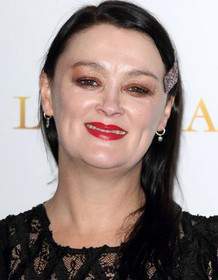
Friend (Bronagh Gallagher)
Played by Bronagh Gallagher
Mother’s oldest friend who reveals painful truths about her own family and the cost of survival. She confesses that her son’s death was not cancer but addiction, and she chose to leave him behind to join the bunker. Her eventual overdose forces the group to confront the consequences of their choices and the fragility of life in confinement.
- 💔 Trauma
- 💊 Addiction
- 🧭 Outsider
Where and When Is The End Set?
The End is set in Converted salt mine bunker and Post-catastrophe surface (Two decades after the catastrophe). Here is why the time and place matter to the story.
When
Two decades after the catastrophe
Approximately twenty years have passed since the environmental disaster rendered the surface uninhabitable. The family has built a luxurious, subterranean life in a bunker, sustaining themselves with curated routines and a wall-to-wall art collection. Time is marked by drills, meals, and the quiet erosion of contact with the outside world. The era is defined by survival, memory, and the fragile line between safety and humanity.
Where
Converted salt mine bunker, Post-catastrophe surface
Deep within a converted salt mine, a luxurious bunker serves as a self-contained world for a Mother, Father, Son, and a few others. The group maintains a regimented schedule of drills, fitness, and duties, and decorates to imitate changing seasons. Outside the mine, Earth's surface is described as uninhabitable following a catastrophic event. The expansive halls offer claustrophobic comfort and a stark divide between the family’s sanctuary and the ruined world above.
- ❄️ Underground bunker
- 🗺️ Post-apocalyptic
- 🧭 Salt mine
What Are the Themes of The End?
4 ideas the story keeps returning to, among them Love and Longing, Survivor Guilt and Wealth and Ethics.
-
01
Love and Longing
The Son’s yearning to see the world and his growing bond with the Girl push against the bunker’s rigid boundaries. Their budding relationship tests parental authority and questions what constitutes relationship and loyalty in confinement. Love acts as both solace and disruption, revealing the vulnerabilities of the family unit. The story uses intimate emotion to explore the costs of safety at the expense of freedom.
-
02
Survivor Guilt
The residents wrestle with guilt over abandoning others outside the bunker and the ethics of their chosen isolation. The Mother’s survivor’s guilt and the Father’s justifications collide, while the Girl’s arrival forces reckoning with responsibility. The Friend’s confession about her own son adds another layer of remorse and moral ambiguity. The group’s attempt to preserve memory becomes a trial of conscience.
-
03
Wealth and Ethics
The family’s wealth and status shape their decisions, with the Father’s former power as an oil magnate casting a shadow over how they live and whom they leave behind. The bunker’s luxury—art, decor, and comforts—creates a benchmark for civilization that is contested by the outside ruin. The memoir-writing and self-justifications reveal how wealth can be used to rationalize harm. The film questions whether care and compassion survive when safety is secured by exclusion.
-
04
Confinement and Identity
Isolation defines who the characters are, molding their identities through routine, ritual, and role expectations. The Son’s world shrinks to models and memories while the Girl’s arrival unsettles the fixed order. The bunker becomes a fragile micro-society where loyalties shift and secrets accumulate. The narrative probes what people become when cut off from society, and how that confinement reshapes love, desire, and self-understanding.
How Does The End End?
The last act of The End and what it means, in 374 words. The ending lands as ambiguous. Big spoilers: read the plot summary first if you have not seen it.
The final act, in full
The film concludes with the family’s gradual awakening to the truths about themselves and the outside world that they have long ignored. Throughout the story, they live in a carefully constructed bubble of luxury and denial, believing they are safe from the catastrophic aftermath of humanity’s destruction. As the outsider— the young woman— enters their lives, she challenges their perceptions. She exposes the cruelty and suffering that their father’s past actions caused, forcing the family to confront the reality they have been hiding from themselves.
Their internal struggles come to a head when the Mother finally admits her survivor’s guilt and reveals her unfulfilled desires, exposing the emotional repression she has maintained for decades. Her confession prompts the Son to see his parents—and possibly himself—in a new light, as he begins questioning the morality of their actions and the false perceptions they’ve maintained. Meanwhile, the Father faces an existential crisis, realizing how his choices have contributed to a world of pain. The truth about the Friend emerges as well, showing that her past as an addict and her abandonment of her son cast doubt on her moral integrity, leading to her death and the family’s subsequent shift in their understanding of their past.
As the Son and Girl become a couple and have a child, they symbolically move forward, leaving behind the secrets and lies that defined their former lives in the bunker. The family’s final act of singing together underscores their recognition of their shared history and their mutual love, but also highlights the distance they have kept from the outside world. The ending emphasizes how their ignorance has insulated them from pain but also bound them in a cycle of repression, guilt, and denial. In the end, they choose to cling to their safety and unity, knowing full well the suffering beyond the bunker, but remaining ultimately unable to face the full truth of the world outside. This ending underscores the human tendency to preserve what is familiar, at the cost of confronting uncomfortable realities, and leaves viewers contemplating the fragile balance between perception, knowledge, and truth. The End poses profound questions about the nature of knowledge, guilt, and the human need for denial in the face of an often brutal reality.
What Kind of Film Is The End?
Melancholic in tone, with slow pacing and a moderate story, going by the plot summary.
- Tone
- Melancholic
- Pacing
- Slow
- Story
- Moderate
- Intensity
- Medium
- Ending
- Ambiguous
A slow, melancholic, and claustrophobic drama about a family's fragile existence in a luxurious bunker, where the arrival of an outsider exposes deep-seated tensions, grief, and the heavy moral weight of their survival.
- claustrophobic
- melancholic
- introspective
- isolated
- tense
- sorrowful
- post-apocalyptic survival
- family dynamics
- isolation
- grief and loss
Content notes: suicide, drug overdose, survivor's guilt.
Quiz
How well do you remember The End? Test yourself on the story.