What Is The Eight Hundred About?
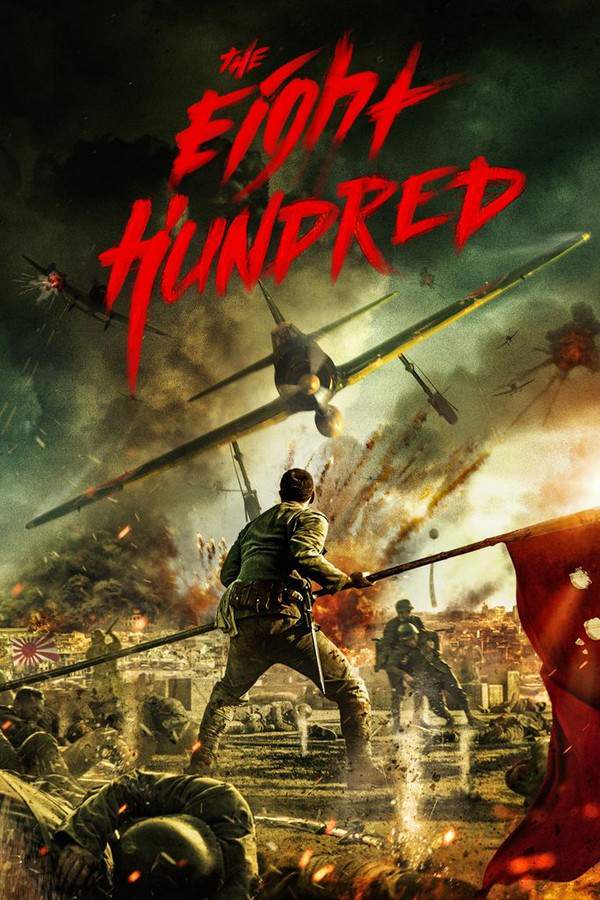
The premise of The Eight Hundred in 312 words, with nothing given away. The full story follows below.
In the summer of 1937 Shanghai, a city teetering between modernity and chaos becomes the backdrop for an extraordinary standoff. As Japanese forces press ever closer, the streets pulse with the clang of artillery, the murmur of refugees, and the faint echo of distant observers from the International Settlement across Suzhou Creek. Against this volatile canvas, a sprawling, half‑ruined warehouse—its steel girders scarred by shellfire—stands as an unlikely fortress, poised to become a symbol of defiant hope.
The film unfolds within the cramped, dust‑filled corridors of that warehouse, where the claustrophobic proximity of soldiers and civilians creates a pressure‑cooked atmosphere of camaraderie and anxiety. Light filters through shattered panes, casting stark shadows that mirror the uncertainty of the moment, while the distant thunder of the enemy’s advance provides a relentless, ominous rhythm. The visual style blends gritty realism with painterly compositions, emphasizing both the human cost of war and the stubborn beauty of ordinary lives clinging to resolve.
At the heart of the story is Xie Jinyuan, a disciplined lieutenant colonel tasked with leading the 524th Regiment amidst supply shortages and mounting casualties. His leadership is defined by a quiet, unyielding determination; he carries the weight of an order from Generalissimo Chiang Kai-shek that aims to lift a nation’s spirit even as the war threatens to crush it. Around him, a mosaic of soldiers and civilians—each bearing their own fears, loyalties, and hidden strengths—forms uneasy alliances, sparking moments of humor, tension, and unexpected solidarity.
The tone balances solemn reverence with a pulse‑quickening urgency, inviting the audience to feel the raw tension of a city on the brink while rooting for the human spirit that refuses to surrender. As the siege looms, the characters navigate a delicate dance between duty and survival, hinting at the profound impact their collective stand will have on the wider world without revealing the outcomes that lie ahead.
What Happens in The Eight Hundred?
The complete story of The Eight Hundred, from the first scene to the last, in 239 words (about 1 minute). Spoilers throughout. Names in the text link to 1 cast member page.
Spoilers ahead
As the Second Sino-Japanese War and World War II unfolded, the Imperial Japanese Army launched a savage invasion of Shanghai, marking a pivotal moment that would shift the course of the conflict. The brave Chinese troops managed to fend off the invaders for over three months, yet ultimately, they faced overwhelming casualties and were compelled to withdraw under the imminent threat of encirclement. In this grim scenario, Lieutenant Colonel Xie Jinyuan, a dedicated leader of the 524th Regiment within the inadequately supplied 88th Division of the National Revolutionary Army, resolved to make a courageous stand.
Determined to hold the Sihang Warehouse against the formidable 3rd Imperial Japanese Division, which boasted around 20,000 soldiers, Colonel Xie’s audacious decision was fueled by an order from Generalissimo Chiang Kai-shek. This order aimed to uplift the spirits of the Chinese populace, especially following the recent devastating losses in regions like Beijing and Shanghai. Colonel Xie’s stand was not merely a tactical military maneuver; it was a powerful symbol of resistance that would rally support from Western onlookers observing the battle from the International Settlement across Suzhou Creek.
This remarkable chapter in history exemplified not only the valor and tenacity of the Chinese forces but also illuminated a beacon of hope for those opposing tyranny. As the world watched this monumental confrontation, the repercussions of this battles would ripple through time, significantly altering the trajectory of the war and the destinies of nations involved.
The Eight Hundred Timeline: Every Key Event in Order
12 key events in the order they happen, from “Invasion of Shanghai” to “Legacy of Valor and Tenacity”. 11 events name a place, across 3 locations.
- 1
Invasion of Shanghai
The Imperial Japanese Army launched a brutal invasion of Shanghai, marking a significant moment in the Second Sino-Japanese War. This aggressive move was part of their broader strategy during World War II, leading to profound consequences for the region.
Where:Shanghai
- 2
Chinese Troops Resist
Despite facing overwhelming odds, Chinese troops valiantly resisted the Japanese assault for more than three months. Their courageous stand highlighted the resolve of the National Revolutionary Army amid dire circumstances.
Where:Shanghai
- 3
Heavy Casualties
As the battle raged on, the Chinese forces suffered severe casualties, which took an immense toll on their numbers and morale. The mounting losses forced them to make critical decisions about their defensive efforts.
Where:Shanghai
- 4
Withdrawal Under Threat
Faced with the imminent threat of encirclement by Japanese forces, the Chinese troops were compelled to withdraw from their positions. This retreat was a heartbreaking decision made under pressure to preserve their remaining soldiers.
Where:Shanghai
- 5
Lieutenant Colonel Xie Jinyuan's Leadership
Lieutenant Colonel Xie Jinyuan emerged as a pivotal figure, leading the 524th Regiment of the National Revolutionary Army. His commitment to the defense of Shanghai was crucial as he rallied his troops for the challenges ahead.
Where:Shanghai
- 6
Defending Sihang Warehouse
Colonel Xie made the audacious decision to hold the Sihang Warehouse against the formidable 3rd Imperial Japanese Division. This strategic decision underscored his determination to protect his soldiers and resist the invaders.
Where:Sihang Warehouse, Shanghai
- 7
Order from Generalissimo Chiang Kai-shek
Colonel Xie received a crucial order from Generalissimo Chiang Kai-shek, motivating him to continue the fight. This order was designed to uplift the spirits of the Chinese people, especially after recent heavy losses.
- 8
Symbol of Resistance
Xie’s defiance at the Sihang Warehouse became a powerful symbol of resistance against Japanese aggression. His stand inspired not only his troops but also garnered attention and support from international observers.
Where:Sihang Warehouse, Shanghai
- 9
Observation from the International Settlement
The battle was closely watched by Western onlookers from the safety of the International Settlement across Suzhou Creek. Their observations added an international dimension to the conflict, heightening its global significance.
Where:International Settlement, Shanghai
- 10
A Beacon of Hope
The resistance demonstrated by Colonel Xie and his troops served as a beacon of hope for those opposing tyranny. Their courage in the face of adversity inspired many to support the Chinese cause amid the war.
Where:Shanghai
- 11
Repercussions of the Battle
The stand at Sihang Warehouse had far-reaching repercussions that would ripple through the course of the war. It not only altered military strategies but also affected the morale of both the Chinese forces and their adversaries.
Where:Shanghai
- 12
Legacy of Valor and Tenacity
The remarkable chapter of the defense of Shanghai exemplified the valor and tenacity of the Chinese forces during a critical period in history. Their fight against overwhelming odds became a lasting legacy.
Where:Shanghai
Who Are the Main Characters in The Eight Hundred?
2 characters, among them Xie Jinyuan and Yang Guai: who each one is and the part they play in the story. Every profile links to the actor’s page.
- XJ
Xie Jinyuan
Played by Chun Du
Lieutenant Colonel Xie Jinyuan is depicted as a steadfast leader committed to defending his troops and homeland. He symbolizes bravery and resilience, making strategic decisions under pressure that not only aim to secure victory but also inspire others. His dedication reflects the broader spirit of the Chinese resistance during the war.
- 🪖 Military
- 💪 Leadership
- 🇨🇳 Nationalism
-

Yang Guai
Played by Qianyuan Wang
Yang Guai stands as a representation of the ordinary soldiers facing extraordinary challenges. His character embodies the collective struggle of the troops, showcasing their camaraderie and the sacrifices they make for their country. He serves as a relatable figure for audiences, illustrating the human side of war.
- 👨✈️ Soldier
- 🤝 Loyalty
- 🇨🇳 Heritage
Where and When Is The Eight Hundred Set?
The Eight Hundred is set in Shanghai, Sihang Warehouse, International Settlement and Suzhou Creek (Second Sino-Japanese War, World War II). Here is why the time and place matter to the story.
When
Second Sino-Japanese War, World War II
The movie is set during the Second Sino-Japanese War, a critical phase of conflict that not only involved China and Japan but also had far-reaching implications in the context of World War II. This period was characterized by immense military confrontations, shifting alliances, and a struggle for survival and sovereignty that reshaped nations and their histories.
Where
Shanghai, Sihang Warehouse, International Settlement, Suzhou Creek
Shanghai, a bustling metropolis, served as a significant battleground during the Second Sino-Japanese War. The Sihang Warehouse became a symbol of defiance, with Chinese troops holding their ground against a vastly superior force. The International Settlement offered a stark contrast, where foreign observers watched the events unfold, highlighting the global interest in this pivotal conflict.
- 🏙️ City
- 🏭 Warehouse
- 🌍 International
What Are the Themes of The Eight Hundred?
3 ideas the story keeps returning to, among them Valor, Hope and Camaraderie.
-
01
Valor
The theme of valor is central to the movie, exemplified by the determined stand of Lieutenant Colonel Xie Jinyuan and his troops against overwhelming odds. Their courage in the face of adversity inspires hope and resilience, serving as a testament to human endurance. This valor is not just about military might, but also about the spirit of resistance against oppression.
-
02
Hope
Hope emerges as a significant theme, as the battle led by Colonel Xie symbolizes a flicker of light amid the darkness of war. It reflects the collective yearning for freedom and resistance against tyranny, resonating with both the Chinese population and international observers. The stand at Sihang Warehouse inspired many, emphasizing the power of hope during tumultuous times.
-
03
Camaraderie
Camaraderie plays a crucial role in the narrative, illustrating the bonds forged among the soldiers in the face of adversity. Their shared struggles and unified purpose highlight how relationships and teamwork are essential in overcoming challenges. This theme underlines the importance of solidarity during turbulent times and how it can bolster resilience.
What Kind of Film Is The Eight Hundred?
Tense in tone, with fast pacing and a straightforward story, going by the plot summary.
- Tone
- Tense
- Pacing
- Fast
- Story
- Straightforward
- Intensity
- High
- Ending
- Bittersweet
A relentlessly tense and fast-paced war epic that immerses the viewer in a desperate four-day siege, balancing the grim realities of combat with a powerful, symbolically hopeful struggle against overwhelming odds.
- tense
- desperate
- hopeful
- heroic
- claustrophobic
- grim
- war survival
- last stand
- military sacrifice
- nationalism
Content notes: war violence, military combat, suicide, mass casualty.
Quiz
How well do you remember The Eight Hundred? Test yourself on the story.