
The Easiest Way 1931

Directed by
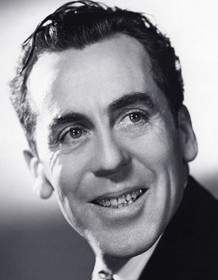
Jack Conway
Made by

Metro-Goldwyn-Mayer
The Easiest Way Plot Summary
Read the complete plot summary and ending explained for The Easiest Way (1931). From turning points to emotional moments, uncover what really happened and why it matters.
Growing up in a poor, working‑class family, Laura Murdock, Constance Bennett, carries the weight of her siblings’ futures with quiet resolve. Her father Ben Murdock, J. Farrell MacDonald, nudges his other daughter Peg Murdock, Anita Page, toward a stable match with Nickolas (Nick) Feliki, Clark Gable. Laura, however, rejects the boy‑next‑door and instead becomes involved with William Brockton, Adolphe Menjou, a wealthy man who is many years her senior. Through a modeling job, she enters a world of luxury, accepting expensive gifts and moving into his stylish, chauffeur‑driven life, where the glamour feels tempting and easy to grasp.
That glossy new life does not sit well with Laura’s family. Her mother Agnes Murdock, Clara Blandick, notices the change—Laura is working more nights, dressing in wealthier clothes, and arriving in a car she didn’t earn. A visit to Peg’s home—where Nickolas (Nick) Feliki, Clark Gable, now husband to Peg, sees through Laura’s newly polished image—ends with Nick demanding that she leave, insisting he wants no part of a “kept woman.” The confrontation marks the first rift between Laura and the world she once knew, yet Laura remains with Brockton, drawn to the security and sparkle he provides.
The story shifts to color and air as Laura travels to Colorado, where she meets and falls for Jack Madison, Robert Montgomery, a young, ambitious newsman. After a brief affair and a pledge of fidelity, Jack is sent to Argentina for several months. Laura promises to sever ties with Brockton, returns all of his gifts, relinquishes the luxury apartment, and takes a job at Macy’s to rebuild a life on her own terms. The turn to work, however, does not immediately secure stability; rent becomes a looming problem, and Laura finds herself unable to meet payments.
Desperation pushes her toward Elfie St. Clair, Marjorie Rambeau, a former colleague who suggests a drastic path: leave Brockton and marry Jack, but she advises Laura not to reveal her current arrangement to Jack. Laura agrees in a moment of precarious hope, even as doubt gnaws at her resolve. When Brockton unexpectedly arrives, he notices Laura’s packed bags and wastes no time in informing Jack of what happened in his absence. Laura tries to explain, but Jack, furious that she has broken her stated fidelity, walks out, leaving Laura heartbreakingly alone. Brockton offers to continue supporting her, yet Laura, feeling the sting of her choices, heads back toward her sister’s home.
Back in the family orbit, Nick sees Laura returning to her beginnings and steps in with a quiet, steady consolation: Madison may return when he’s “cool under the collar,” offering a glimmer of hope in a moment of despair. The film lingers on Laura’s sense of loss and the difficult reality of choices made in pursuit of a brighter life, portraying how ambition, love, and family loyalties pull at each other in a city of glitter and risk.
The Easiest Way Timeline
Follow the complete movie timeline of The Easiest Way (1931) with every major event in chronological order. Great for understanding complex plots and story progression.
Laura's humble beginnings and family pressure
Laura grows up in a poor working-class family and works hard to support them. Her father, Ben, pushes his other daughter Peg toward marriage with Nick, hoping for security. Laura watches these pressures shape her decisions as she grows.
A wealthy romance and a new home
A modeling job brings Laura into contact with the wealthy William Brockton, and she moves into his luxury apartment. The wealth buys social status but also creates distance from her family. She savors the glamorous life even as the consequences begin to surface.
Backlash and rejection
Laura's mother Agnes immediately notices the change: longer nights, expensive clothes, and a chauffeur-driven car. Nick, Peg's husband, resents Laura and wants no part of a kept woman. Laura becomes estranged from her family but keeps living with Brockton.
Estrangement deepens
Laura's climate of wealth isolates her further, deepening the rift with her roots and old friends. The glamour masks the emotional cost of her choices, while Brockton remains central to her life. The couple's separation from ordinary life becomes more pronounced.
Colorado vacation and a new romance
During a vacation in Colorado, Laura meets Jack Madison, a young newsman, and falls in love. They begin an affair and pledge fidelity to each other. Jack leaves for Argentina after a brief courtship.
Promises of a new life
Jack is stationed in Argentina for several months, and Laura promises him she will leave Brockton. She envisions a life with Jack and tries to bridge the two worlds. The distance between her luxury life and her new lover widens.
Confrontation and a new start
Laura breaks the news to Brockton, returns all his gifts, and leaves his apartment. She takes a job at Macy's to support herself and begins a working-class life. The departure marks a decisive turn away from the Brockton wealth.
Financial strain and a desperate plan
Back at Macy's, Laura struggles to pay rent and seeks help from Elfie St. Clair, but is refused a loan. In desperation she considers taking 'The Easiest Way' and asks Brockton for a loan to survive. Brockton refuses unless she returns to him and tells Jack the truth, a demand she promises to fulfill but does not.
Elfie's influence and a forbidden arrangement
Elfie visits Laura to offer money and advice. Elfie urges Laura to leave Brockton and marry Jack, but warns that she must not tell Jack the truth about her current situation. Laura weighs the plan as her life becomes more tangled.
Jack returns and the confrontation begins
Jack returns to New York, and Laura invites him to her swank apartment. Their reunion is tense, shadowed by the secret she keeps from Jack. The fidelity between them teeters as old loyalties collide with new temptations.
Confrontation intensifies: Brockton intervenes
Brockton unexpectedly shows up and confronts Laura in front of Jack, exposing her entanglement. Laura tries to explain, but Jack, furious about her broken promise of fidelity, leaves in anger. The relationship fractures as Laura faces the consequences of her choices.
Aftermath and sister's home
Laura travels to her sister Peg's home for refuge. Nick, Peg's husband, arrives and offers quiet support, suggesting that Madison will return once he calms down. The family ties, though frayed, provide a glimmer of stability amid the chaos.
Nick's reassurance and a fragile hope
Nick comforts Laura and hints that Jack Madison will return once he regains his composure. The promise offers a small, fragile thread of hope as Laura contends with the consequences of her choices. The ending leaves her at a crossroads between wealth, love, and family ties.
The Easiest Way Characters
Explore all characters from The Easiest Way (1931). Get detailed profiles with their roles, arcs, and key relationships explained.
Laura Murdock (Constance Bennett)
Laura grows up in a poor family but is drawn into a luxury world after meeting Brockton. She accepts expensive gifts and a high-society lifestyle, even as it creates distance from her family. Her ambition drives her to pursue security and status, often at the expense of transparency with Jack and those who care for her.
Nickolas (Nick) Feliki (Clark Gable)
Nick is a proud, working-class man who marries Laura’s sister Peg and resists associations with Laura’s new lifestyle. He embodies a blunt, no-nonsense morality and values family reputation over wealth. His anger at Laura’s arrangement with Brockton highlights the clash between loyalty and pride.
William Brockton (Adolphe Menjou)
Brockton is a wealthy, older man who showers Laura with gifts and pulls her into a luxurious but ethically fraught life. His charm masks a controlling approach to Laura, using wealth as leverage to keep her close. He represents the seductive danger of affluence and social power.
Jack Madison (Robert Montgomery)
Jack is a young, principled newsman who vows fidelity to Laura. He is drawn into Laura’s world, but when deceit comes to light, his trust shatters and he must choose between love and honesty. His departure marks a moral reckoning for Laura.
Elfie St. Clair (Marjorie Rambeau)
Elfie is Laura’s former confidante who offers practical but dangerous advice to improve Laura’s circumstances. She embodies opportunism and social climbing, often pushing Laura toward quick fixes. Her presence intensifies the tension between loyalty and financial desperation.
Peg Murdock (Anita Page)
Peg is Laura’s sister, married to Nick, representing a more conventional path. She embodies tradition and the safety of domestic life, providing a foil to Laura’s ascent. Peg’s choices anchor the family’s hopes and tensions as the plot unfolds.
Ben Murdock (J. Farrell MacDonald)
Ben is Laura’s father, urging Peg to marry Nick and valuing family stability. He anchors the family’s working-class roots and serves as a counterpoint to Laura’s drift into wealth. His perspective highlights the tension between duty and individual desire.
Agnes Murdock (Clara Blandick)
Agnes is Laura’s mother who notices Laura’s changes and worries about the impact on the family. She represents concern for reputation and the moral weight of Laura’s decisions. Her observations emphasize the familial consequences of Laura’s choices.
Mrs. Clara Williams (Hedda Hopper)
Clara Williams appears as part of the social circle surrounding the Murdocks and Brockton. She embodies the era’s social scrutiny and expectations, reflecting how society weighs a woman’s actions. Her presence underscores the pressure Laura faces from outside voices.
Chris Swoboda (John Harron)
Chris is Laura’s early suitor who represents the ordinary, earnest path before she encounters Brockton. His presence signals Laura’s conflicting romantic options and the consequences of choosing wealth over genuine connection. He remains a reminder of the life Laura might have led.
Bobby Murdock (Andy Shuford)
Bobby is the younger member of the Murdock family, mirroring the familial dynamics and the stake of the next generation. His presence highlights the family’s enduring ties and the consequences of adult choices on children. He serves as a humanity touchstone within the drama.
Mr. Gensler (Charles Judels)
Mr. Gensler appears as a figure within the social or business network surrounding the main characters. He adds to the world of deal-making and the social machinery that enables the wealthy to operate. His presence reinforces the film’s backdrop of power and commerce.
The Easiest Way Settings
Learn where and when The Easiest Way (1931) takes place. Explore the film’s settings, era, and how they shape the narrative.
Location
New York City, Colorado
Set across New York City's upscale social scene and a Colorado vacation backdrop, the story moves between wealth and everyday life. The opulent Brockton apartment and Laura's later work at Macy's anchor the glamorous, high-society milieu, while the Colorado interlude provides a contrast of freedom and temptation. The setting highlights the pull between luxury and family roots that drives the drama.
The Easiest Way Themes
Discover the main themes in The Easiest Way (1931). Analyze the deeper meanings, emotional layers, and social commentary behind the film.
💎
Wealth & Status
Laura is drawn into William Brockton's world of luxury, where expensive gifts and a chic apartment promise happiness. The film uses wealth as a lure that masks moral costs and strains family bonds. The allure of material comfort drives Laura to conceal true loyalties, highlighting how status can corrupt judgment.
💔
Fidelity & Deception
Laura promises fidelity to Jack and plans to leave Brockton, but deception undermines her love. Brockton publicly exposes the secret, forcing Jack to confront the truth and leave. The narrative centers on broken promises and the personal price of deceit.
🏙️
Family & Repercussions
The Murdock family represents Laura's roots, and the changing dynamics show how wealth strains familial loyalty. Agnes and Ben confront Laura as her behavior shifts, while Nick's judgment underscores moral standards in a working-class circle. The film demonstrates the consequences of choices on family ties.

Coming soon on iOS and Android
The Plot Explained Mobile App
From blockbusters to hidden gems — dive into movie stories anytime, anywhere. Save your favorites, discover plots faster, and never miss a twist again.
Sign up to be the first to know when we launch. Your email stays private — always.
Explore the mobile appThe Easiest Way Spoiler-Free Summary
Discover the spoiler-free summary of The Easiest Way (1931). Get a concise overview without any spoilers.
In the bustling streets of a 1930s American city, Laura Murdock carries the quiet weight of a working‑class family whose fortunes hinge on her resolve. Her father, Ben Murdock, instills a sense of duty, while her sister, Peg Murdock, navigates her own path toward stability. Amidst modest homes and the rhythm of everyday labor, Laura’s world feels both cramped and hopeful, a place where dreams are measured against necessity.
Choosing a different route, Laura turns away from the familiar childhood sweetheart and steps into the luminous orbit of William Brockton, a polished, older gentleman whose wealth offers a tempting escape from scarcity. The transition from modest living to a life of chauffeured cars, elegant apartments, and extravagant gifts introduces Laura to a glittering, yet fragile, realm of privilege. It is a world where the allure of comfort clashes with lingering ties to the family she left behind, setting up an inner tension that drives her choices.
When the press‑filled corridors of ambition beckon, Jack Madison arrives—a young, driven newsman whose career ambitions mirror Laura’s own yearning for self‑determination. Their connection hints at a partnership built on mutual aspiration, suggesting the possibility of forging a future that balances personal desire with the practical demands of a changing society. The prospect of love entwined with professional ambition adds another layer to Laura’s already complex journey.
Throughout the film, the tone sways between the soft melancholy of modest origins and the bright, sometimes disorienting sparkle of high society. Themes of class, loyalty, and the pursuit of a better life interweave, inviting viewers to wonder whether the ease of luxury can truly satisfy the deeper longings that steer Laura toward a path fraught with both promise and uncertainty.
Movies with Similar Twists and Themes
Uncover films that echo the narrative beats, emotional arcs, or dramatic twists of the one you're exploring. These recommendations are handpicked based on story depth, thematic resonance, and spoiler-worthy moments — perfect for fans who crave more of the same intrigue.


Featured on this page

What's After the Movie?
Not sure whether to stay after the credits? Find out!
Check out our other apps:

SAT Sphere
Build confidence for the Digital SAT.

Mori Atlas
Discover wild places worth protecting.

Luntero
Search smarter for a home in Amsterdam.

Plot Explained
Unravel movie endings and hidden clues.

Pokechamp
Dive into Pokémon data and battle logic.

Driving Theory
Get ready for your European theory test.

Movie Dust
Plan your next cinema trip with ease.

Musemap
Find art and culture as you travel.

Selkobase
Compare credentials before committing.

Local Manual
Turn an unfamiliar country into practical next steps.

Lernavi
Compare school systems before your next move.

GymRoam
Find a workout stop wherever your plans take you.
Explore Our Movie Platform
New Movie Releases (2026)
Famous Movie Actors
Top Film Production Studios
Movie Plot Summaries & Endings
Major Movie Awards & Winners
Best Concert Films & Music Documentaries
Movie Collections and Curated Lists
© 2026 What's After the Movie. All rights reserved.
Privacy Policy