
The Contender 2000

Directed by
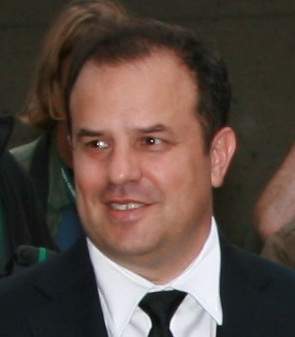
Rod Lurie
Made by

DreamWorks Distribution
Where to Watch The Contender
See current US streaming, rental, and purchase options for The Contender (2000) via JustWatch.

Fawesome
HD
Hoopla
SD
Kanopy
HD
Fandango at Home Free
HD
Plex
HD
Plex Channel
HD
Pluto TV
SD
The Roku Channel
HD
Tubi TV
SD
Apple TV Store
HD Fandango At Home
HD
Google Play Movies
SD
YouTube
SD Streaming availability powered by 
The Contender Plot Summary
Read the complete plot summary and ending explained for The Contender (2000). From turning points to emotional moments, uncover what really happened and why it matters.
In a measured, spine-tingling political drama, second-term Democratic President Jackson Evans must fill a sudden Vice Presidency vacancy after his current running mate dies. The selection process is anything but ordinary, because the Constitution requires confirmation from both houses, turning a routine choice into a national test of nerve, ideology, and perception.
Early talk centers on Virginia Governor Jack Hathaway, celebrated as a hero after a lake rescue, but Evans envisions a different kind of legacy. He nominates Ohio Senator Laine Hanson as his running mate, a choice seen as a bold bid to break the glass ceiling and reshape the presidency’s image. The nomination triggers a high-stakes political test that could redefine an administration’s direction.
Leading the opposition is Republican Congressman Sheldon Runyon of Illinois, who chairs the confirmation hearings. He digs into Hanson’s past, spotlighting an incident that allegedly shows her in a drunken sorority initiation. Hanson declines to address the claim directly, insisting that personal history should not derail public service, while Runyon and other lawmakers press the issue, painting the past as a sign of unfitness. Democratic Representative Reginald Webster backs Runyon in the opposition.
Hanson offers to withdraw to spare Evans further political damage, but she stands firm, arguing that answering the questions would validate the process that targets women in politics. Evans then informs Runyon that Hanson will not be the nominee, and Runyon quietly suggests Hathaway as a replacement. The two reach a tacit bargain: Runyon will back away from the attacks if Evans commits to a Hathaway selection and a public defense from Runyon. Evans agrees to that display of political theater.
During a White House gathering with Hanson, Hathaway, and Runyon, Evans reveals an FBI report alleging that Hathaway paid a woman to drive a car off a bridge. Hathaway is arrested, and Runyon’s credibility falters as he had vouched for Hathaway hours earlier. Hanson then shares her version of that college night, admitting she did attend a fraternity house with the intention of sexual activity but left before anything happened. She refuses to prove her innocence on principle, arguing that to do so would normalize the invasive line of questioning.
Facing Congress, Evans condemns the obstructionism from both parties, chastising Runyon in particular, who leaves in humiliation. Although the president notes that Hanson asked for withdrawal to finish his term with a clean triumph, he rejects her resignation and calls for an immediate confirmation vote. The film closes with a sober meditation on power, public scrutiny, and the personal cost of ambition.
The Contender Timeline
Follow the complete movie timeline of The Contender (2000) with every major event in chronological order. Great for understanding complex plots and story progression.
Evans nominates Laine Hanson for Vice President
President Jackson Evans shocks the political world by nominating Ohio Senator Laine Hanson as his running mate, aiming to push a historic glass ceiling moment. The choice signals a clash between private history and public fitness, and it triggers the constitutional requirement for confirmation by both houses of Congress. The nomination quickly sets the stage for a bruising confirmation battle.
Confirmation hearings open in Washington
Confirmation hearings begin in Washington, D.C., with Republican Congressman Sheldon Runyon chairing the committee. Hanson faces intense scrutiny as lawmakers weigh private flaws against public qualifications. Hanson refuses to address private matters, refocusing on policy debates and constitutional questions.
Runyon uncovers a sorority incident
Runyon launches a public probe into Hanson's past, exposing a photograph from a sorority initiation described as a drunken orgy. He frames the incident as evidence of unfitness for the vice presidency and fans the flames of opposition. Hanson remains defiant, declining to offer a straightforward denial.
Hanson refuses to address the charges
Hanson declines to address the alleged incident directly, arguing that questions about her private life are inappropriate for a candidate. She attempts to steer the discussion toward policy and qualifications for the office. The opposition presses for answers, and the hearings become a clash of personal history and political strategy.
Rumors of prostitution circulate
Runyon escalates the attack by circulating rumors that the college incident involved prostitution for money and favors. The allegations are used to undermine Hanson's integrity and undermine public confidence. The political temperature rises as media and lawmakers debate the truth and implications.
Hanson offers to withdraw; Evans rejects
Hanson privately offers to withdraw to spare Evans further embarrassment, but the President rejects the idea and commits to continuing the nomination. Runyon then proposes Hathaway as a replacement, setting the stage for a potential swap in the ticket. The two men contemplate a deal that could reshape the race.
Agreement to back Hathaway in exchange for backing down
Evans meets with Runyon and agrees that Runyon will back down on his attacks if Hathaway is named as vice president. Evans then asks Runyon to publicly defend Hathaway, hoping to neutralize the attack dog role. The arrangement reflects the high-stakes jockeying behind the scenes.
White House meeting and FBI report reveal Hathaway's wrongdoing
Hanson, Hathaway, and Runyon are invited to the White House, where an FBI report reveals that Hathaway paid a woman to drive off a bridge, damaging his credibility. Hathaway is immediately arrested, and Runyon is suddenly exposed as someone who vouched for his integrity hours earlier. The meeting exposes the fragility of the agreement and the ethical lines in play.
Hanson tells the truth about the night
Hanson meets with Evans and finally explains what happened that night in college. She admits she intended to have sex with two men but changed her mind before anything sexual occurred. She refuses to prove her innocence, arguing that doing so would normalize intrusive questioning in politics.
Evans addresses Congress and condemns the obstruction
Evans addresses Congress, chastising both Democrats and Republicans who blocked Hanson's confirmation. He publicly rebukes Runyon for the smear campaign and reaffirms his support for Hanson's nomination. He refuses to resign and urges an immediate confirmation vote.
Runyon leaves in humiliation
Runyon exits the scene in humiliation as his smear tactics collapse under scrutiny. The opposing party and the press spotlight his credibility being questioned. His political standing takes a severe hit as Evans' address signals the end of the attack strategy.
Immediate confirmation vote demanded
Evans declares that Hanson has not resigned and calls for an immediate confirmation vote, signaling that the nomination will proceed despite the controversy. The battle lines are drawn for a climactic vote that will determine the administration's fate. The outcome remains uncertain as lawmakers prepare to decide.
The Contender Characters
Explore all characters from The Contender (2000). Get detailed profiles with their roles, arcs, and key relationships explained.
Laine Hanson (portrayed by Joan Allen)
A brilliant, principled senator who faces relentless scrutiny during her bid for vice president. She remains calm under pressure, choosing principled restraint over detailing her private past, and navigates the tension between personal history and public accountability with dignity.
President Jackson Evans (portrayed by Jeff Bridges)
An incumbent president pursuing a so-called 'swan song' by breaking the glass ceiling, his administration is tested when the nomination process spirals. He weighs political strategy against the ideals of leadership, ultimately choosing to confront the truth publicly.
Sheldon Runyon (portrayed by Gary Oldman)
A ruthless committee chair and antagonist who weaponizes rumors to derail the nomination. His political ambition drives him to manipulate the process, only to be undone by his own public statements.
The Contender Settings
Learn where and when The Contender (2000) takes place. Explore the film’s settings, era, and how they shape the narrative.
Time period
Early 2000s
The story unfolds in a contemporary American political era, reflecting the fast-paced, media-driven nature of modern politics. It centers on a sitting president navigating a high-stakes nomination during a bustling, real-time news cycle. The period is defined by public accountability, partisan maneuvering, and the urgency of televised proceedings.
Location
Washington, D.C., The White House
The action unfolds in Washington, D.C., with key scenes on Capitol Hill and inside the White House. The hearings and political maneuvering are staged within the corridors of power, where media scrutiny and congressional inquiry shape the administration's fate. The White House rooms serve as the nerve center for strategy and televised moments that test leadership under pressure.
The Contender Themes
Discover the main themes in The Contender (2000). Analyze the deeper meanings, emotional layers, and social commentary behind the film.
🚺
Glass Ceiling
Laine Hanson's nomination as a woman becomes a litmus test for gender equality in high office. The narrative shows how gendered scrutiny can amplify controversy, while highlighting the resolve needed to challenge entrenched barriers. The hearings explore the cost and courage of breaking into the highest echelons of power.
⚖️
Power and Manipulation
Strategic maneuvering, rumor-spreading, and media pressure drive the plot. Characters weigh integrity against expediency as they jockey for advantage. The story reveals how institutions and individuals can weaponize information in the pursuit of political ends.
🔍
Privacy vs Public Duty
Personal history becomes a public battleground, prompting debate over how much private life should inform leadership. Hanson refuses to sensationalize or fully disclose her past, challenging the ethics of inquiry itself. The film questions whether public trust should hinge on unproven allegations or demonstrated character.

Coming soon on iOS and Android
The Plot Explained Mobile App
From blockbusters to hidden gems — dive into movie stories anytime, anywhere. Save your favorites, discover plots faster, and never miss a twist again.
Sign up to be the first to know when we launch. Your email stays private — always.
Explore the mobile appThe Contender Spoiler-Free Summary
Discover the spoiler-free summary of The Contender (2000). Get a concise overview without any spoilers.
In the high‑stakes world of elite gastronomy, Master Chef has spent decades perfecting a culinary language that speaks as loudly as the clatter of pans and the sizzle of a perfectly timed sear. His reputation is built on relentless precision, a deep respect for tradition, and an almost obsessive pursuit of flavor that transforms ordinary ingredients into unforgettable experiences. The film opens by immersing the audience in the intoxicating aromas and meticulous choreography of a kitchen that feels both a workshop and a battlefield, setting a tone that is as intense as it is elegant.
Enter Protégé, a rising talent whose enthusiasm and raw creativity pulse with the same vigor that has driven the master’s own ascent. Their partnership, forged through mutual admiration and a shared hunger for excellence, becomes the heart of the story. As they prepare to represent the United States at the Bocuse d’Or, the narrative swirls around the delicate balance of mentorship—where reverence for the past meets the daring of new ideas. The dynamic between the seasoned chef and the eager understudy is textured with quiet moments of instruction, playful challenges, and an unspoken pressure to honor both personal ambition and national pride.
The atmosphere of the competition itself looms large, a global stage where every plate is examined with the scrutiny of a judge’s discerning palate. The film captures the electric anticipation that fills the air, the almost theatrical ritual of plating, and the palpable tension that comes from knowing that a single misstep can echo far beyond the kitchen. Yet, even amid this pressure, the story remains grounded in the characters’ internal journeys—their doubts, their drive, and the quiet resolve that keeps them moving forward.
Through lush cinematography and a soundtrack that resonates with the rhythm of clanking cookware and hushed murmurs of anticipation, the movie paints a vivid portrait of dedication, collaboration, and the relentless quest for culinary perfection. The stage is set, the stakes are clear, and the audience is invited to taste the promise that lies in every meticulously crafted dish.
Movies with Similar Twists and Themes
Uncover films that echo the narrative beats, emotional arcs, or dramatic twists of the one you're exploring. These recommendations are handpicked based on story depth, thematic resonance, and spoiler-worthy moments — perfect for fans who crave more of the same intrigue.







Featured on this page

What's After the Movie?
Not sure whether to stay after the credits? Find out!
Check out our other apps:

SAT Sphere
Build confidence for the Digital SAT.

Mori Atlas
Discover wild places worth protecting.

Luntero
Search smarter for a home in Amsterdam.

Plot Explained
Unravel movie endings and hidden clues.

Pokechamp
Dive into Pokémon data and battle logic.

Driving Theory
Get ready for your European theory test.

Movie Dust
Plan your next cinema trip with ease.

Musemap
Find art and culture as you travel.

Selkobase
Compare credentials before committing.

Local Manual
Turn an unfamiliar country into practical next steps.

Lernavi
Compare school systems before your next move.

GymRoam
Find a workout stop wherever your plans take you.
Explore Our Movie Platform
New Movie Releases (2026)
Famous Movie Actors
Top Film Production Studios
Movie Plot Summaries & Endings
Major Movie Awards & Winners
Best Concert Films & Music Documentaries
Movie Collections and Curated Lists
© 2026 What's After the Movie. All rights reserved.
Privacy Policy