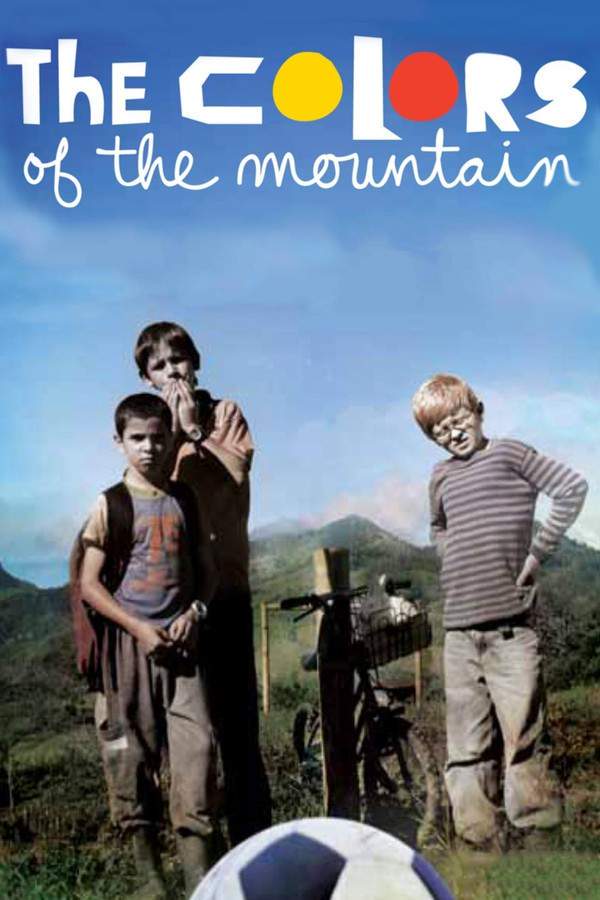
The Colors of the Mountain 2011

Directed by

Carlos César Arbeláez
Made by

Film Movement
Where to Watch The Colors of the Mountain
See current US streaming, rental, and purchase options for The Colors of the Mountain (2011) via JustWatch.

Film Movement Plus
HD
Film Movement Plus Amazon Channel
HD
Cineverse
HD
Amazon Video
SD
Apple TV Store
HD
Fandango At Home
SD
Google Play Movies
SD
Plex
HD
YouTube
SD Streaming availability powered by 
The Colors of the Mountain Plot Summary
Read the complete plot summary and ending explained for The Colors of the Mountain (2011). From turning points to emotional moments, uncover what really happened and why it matters.
In a picturesque yet perilous mountain town in Colombia, we view the world through the innocent eyes of Manuel, a nine-year-old on the threshold of his teenage years. The narrative is set against the backdrop of a tight-knit rural community, where childhood joy faces the looming threat of war.
The story opens in the village school, where children from multiple grades learn together, guided by their young teacher who closely monitors the classroom. As she hands out paper booklets and calls the roll, Manuel, distracted by his artistic impulses, is more inclined to draw than pay attention to his math lessons.
As the school day comes to a close, the children navigate home through scenic yet treacherous landscapes filled with vibrant plant life and murky waters. During this journey, they witness paramilitary training exercises in the distance. Julian, Manuel’s older friend, shares concerns about his brother’s mysterious disappearance, hinting at the possibility of his involvement with the “guerillas,” a notion that instills a deep sense of dread in Manuel.
Home life on their small finca is straightforward but fulfilling as Manuel lives with his mother, father Ernesto, and baby sibling. His days are filled with tasks like caring for livestock and exploring the idyllic countryside. The highlight comes when Ernesto takes Manuel to the market, and the boy watches in delight as his father attempts to sell a piglet. Back at home, Manuel experiences a heartwarming birthday celebration with a chocolate cake adorned with nine glowing candles, topped off with a thoughtful present from his father: a brand new soccer ball and goalkeeper gloves.
However, as tensions rise in the village, the children’s innocent laughter is shattered by the horrifying discovery of a landmine. The ensuing explosion sends ripples of fear throughout the community, prompting the teacher to advocate for warning signs to caution the population about these deadly traps. In the midst of rising chaos, Manuel develops a fixation on retrieving his lost soccer ball, finding allies in his friends Julian and Poca Luz, an albino boy who shares his enthusiasm for the game.
As the atmosphere grows increasingly tense in their village, the carefree games of children are overshadowed by the stark realities of war. Families begin to evacuate, and the school faces a noteworthy increase in absenteeism. The struggle for control escalates between the paramilitaries and guerrillas, leaving the community in a state of unease and uncertainty.
The Colors of the Mountain Timeline
Follow the complete movie timeline of The Colors of the Mountain (2011) with every major event in chronological order. Great for understanding complex plots and story progression.
School Day Begins
The story opens in a quaint village school where children of different ages learn together. The young teacher hands out paper booklets and meticulously takes roll, setting a nurturing yet disciplined environment for her students.
Manuel's Artistic Distraction
As lessons progress, young Manuel becomes increasingly distracted by his artistic impulses. Instead of focusing on math, he finds solace in drawing, showcasing his creative spirit amidst the structured school day.
Treacherous Journey Home
After the school day, the children embark on their journey home through the village's picturesque yet perilous landscapes. They navigate vibrant flora and murky waters, representing the beauty and dangers of their environment.
Concerns of Disappearance
During their trek, Manuel’s friend Julian opens up about the troubling disappearance of his brother. This revelation hints at deeper issues related to guerrilla activities, instilling a sense of dread in young Manuel.
Life on the Finca
At home on their small finca, life is straightforward yet fulfilling for Manuel as he shares time with his family. He helps care for the livestock and explores the idyllic countryside, embodying the simplicity of rural life.
Market Day with Ernesto
One day, Manuel accompanies his father Ernesto to the market, watching with delight as they attempt to sell a piglet. This experience not only fosters bonding but also exposes Manuel to the hustle and bustle of village life.
Manuel's Birthday Celebration
The family's simple yet heartwarming celebration of Manuel's ninth birthday is marked by a chocolate cake adorned with glowing candles. His father's thoughtful gift of a new soccer ball and gloves brings pure joy to the young boy.
Discovery of the Landmine
As tensions rise within the community, the children's laughter is interrupted by the chilling discovery of a landmine. This horrifying event serves as a grim reminder of the dangers surrounding them, prompting calls for increased safety measures.
The Explosion
The landmine detonates, sending shockwaves of fear throughout the village. This event heightens the atmosphere of dread, warning of the intrusive threat of war that has begun to encroach on their innocent lives.
Manuel's Soccer Fixation
Amid the chaos, Manuel becomes fixated on retrieving his lost soccer ball, a symbol of his childhood innocence. He finds support in his friends Julian and Poca Luz, who share his passion for the game, even in troubling times.
Increasing Tensions
As the village atmosphere grows increasingly tense, the carefree games of children are overshadowed by the grim realities of conflict. Families begin to evacuate as the strain of the situation takes its toll on the community.
School Absenteeism Rises
The repercussions of the ongoing chaos lead to a noticeable increase in absenteeism at the school. The children's education and carefree existence are being disrupted by the harsh backdrop of a community in crisis.
Control Struggles Erupt
Struggles for control expand between paramilitaries and guerrillas, deepening the village's unease. This turmoil endangers the once peaceful rural life and signifies the growing age of conflict overshadowing childhood.
Community's Uncertainty
The ongoing developments create a profound state of uncertainty within the community. As fear contorts the landscape of their lives, the children can no longer play freely, and the village faces an uncertain future.
The Colors of the Mountain Characters
Explore all characters from The Colors of the Mountain (2011). Get detailed profiles with their roles, arcs, and key relationships explained.
Manuel
Manuel is a nine-year-old boy teetering on the edge of adolescence. His character embodies the joy and curiosity of childhood, often distracted by artistic endeavors rather than academic lessons. As he grapples with the realities of his environment, his determination to reclaim his lost soccer ball reflects both innocence and resilience in the face of adversity.
Julian
Julian is Manuel's older friend who becomes a source of concern for the community, particularly regarding his brother's mysterious disappearance. His character provides a glimpse into the worries that plague families affected by the violence, adding a layer of depth to the narrative as he tries to support Manuel amidst their shared fears.
Poca Luz
Poca Luz is an albino boy who shares Manuel's enthusiasm for soccer. His friendship with Manuel offers camaraderie and joy in contrasting circumstances, representing the bonds that form in times of hardship. Together, they find a sense of normalcy and happiness through their love for the game.
Ernesto
Ernesto is Manuel's father, who provides a stable presence in the boy's life. He exemplifies the traditional roles in a rural family, taking care of responsibilities while fostering joy through simple experiences. His support during Manuel's birthday celebration highlights his love and dedication to his family.
The Colors of the Mountain Settings
Learn where and when The Colors of the Mountain (2011) takes place. Explore the film’s settings, era, and how they shape the narrative.
Time period
The events of the movie transpire in a recent era marked by civil unrest and violence. The village experiences the impact of paramilitary activities and guerrilla warfare, creating an atmosphere of fear and uncertainty for the residents. The children's lives, once filled with innocence and joy, are increasingly overshadowed by the harsh realities of war.
Location
Colombia, rural mountain town
The movie takes place in a picturesque mountainous region of Colombia, characterized by its scenic yet hazardous landscapes. This tight-knit rural community is known for its vibrant plant life and idyllic countryside settings, which are contrasted by the looming threat of conflict. The natural beauty of the area is marred by dangers such as landmines, reflecting the struggles faced by the villagers amidst the tension of war.
The Colors of the Mountain Themes
Discover the main themes in The Colors of the Mountain (2011). Analyze the deeper meanings, emotional layers, and social commentary behind the film.
🎨
Innocence vs. War
The theme of innocence is depicted through the character of Manuel, a young boy who navigates the joys of childhood amidst the encroaching violence of war. His artistic expressions and carefree moments with friends are juxtaposed against the fear and tension surrounding him, illustrating the loss of innocence. As the film progresses, the harsh realities of conflict intrude upon his simple pleasures, creating a poignant reflection on the impact of war on youth.
⚠️
Fear and Danger
The anxiety of living in a conflict zone is central to the movie's narrative. The discovery of a landmine serves as a stark reminder of danger, prompting the community to confront the risks in their environment. This theme emphasizes the disruptive nature of violence on daily life, as families must grapple with the constant threat to their safety and well-being.

Coming soon on iOS and Android
The Plot Explained Mobile App
From blockbusters to hidden gems — dive into movie stories anytime, anywhere. Save your favorites, discover plots faster, and never miss a twist again.
Sign up to be the first to know when we launch. Your email stays private — always.
Explore the mobile appThe Colors of the Mountain Spoiler-Free Summary
Discover the spoiler-free summary of The Colors of the Mountain (2011). Get a concise overview without any spoilers.
In the emerald folds of the Colombian highlands, a small mountain village basks in the brilliance of sunrise and the quiet hum of daily toil. The landscape is a tapestry of mist‑kissed peaks, winding rivers and fields that pulse with life, yet an undercurrent of unease lingers, a reminder that this paradise sits on the edge of a larger, unseen conflict. Through this setting we see the world from the eyes of a boy on the brink of adolescence, Manuel, whose curiosity and imagination turn every stone and stream into a backdrop for wonder.
Home life for Manuel is rooted in modest routines that feel both timeless and tender. With his mother’s gentle guidance and his father Ernesto’s steady presence, the family tends a modest finca, sharing moments that blend work with play—like a market trip where a piglet’s squeals become a source of delight. Birthdays are celebrated with chocolate cake and simple gifts, the most prized of which is a brand‑new soccer ball that quickly becomes a symbol of freedom and joy for the children of the village.
Friendship forms the heart of his world. Beside him stands Julián, an older companion whose quiet concern for his own family adds depth to their bond, and Poca Luz, an albino boy whose shared enthusiasm for the game lights up their afternoons. When a stray soccer ball rolls into the shadow of a dangerous minefield, the trio’s playful determination turns into an earnest quest, hinting at a journey that will test their courage, resourcefulness, and the strength of their togetherness.
The film’s tone balances the luminous beauty of rural life with the subtle tension of looming uncertainty, weaving a narrative that feels both intimate and expansive. It invites the audience to linger on the simple pleasures of childhood while feeling the pull of larger forces, suggesting that the true adventure lies not in the destination but in the rediscovery of what truly matters—friendship, hope, and the resilient spirit of a community that clings to its joys despite the shadows that surround it.
Featured on this page

What's After the Movie?
Not sure whether to stay after the credits? Find out!
Check out our other apps:

SAT Sphere
Build confidence for the Digital SAT.

Mori Atlas
Discover wild places worth protecting.

Luntero
Search smarter for a home in Amsterdam.

Plot Explained
Unravel movie endings and hidden clues.

Pokechamp
Dive into Pokémon data and battle logic.

Driving Theory
Get ready for your European theory test.

Movie Dust
Plan your next cinema trip with ease.

Musemap
Find art and culture as you travel.

Selkobase
Compare credentials before committing.

Local Manual
Turn an unfamiliar country into practical next steps.

Lernavi
Compare school systems before your next move.

GymRoam
Find a workout stop wherever your plans take you.
Explore Our Movie Platform
New Movie Releases (2026)
Famous Movie Actors
Top Film Production Studios
Movie Plot Summaries & Endings
Major Movie Awards & Winners
Best Concert Films & Music Documentaries
Movie Collections and Curated Lists
© 2026 What's After the Movie. All rights reserved.
Privacy Policy