What Is The Civil Dead About?
The premise of The Civil Dead in 215 words, with nothing given away. The full story follows below.
In the sprawling, neon‑lit streets of Los Angeles, an under‑employed photographer tries to fill the quiet void left by his wife’s absence. With his days spent scrolling through television static and indulging in sugary comforts, he clings to a fragile routine that feels both familiar and fragile. The city’s restless energy seeps through his apartment, turning ordinary moments into a backdrop for an uneasy calm.
When an old high‑school acquaintance drops by unannounced, the fragile equilibrium is suddenly disturbed. Whit arrives with a desperate urgency that hints at unfinished business, and his presence brings an off‑kilter mix of nostalgia and disquiet. The photographer’s attempts to maintain his solitary peace clash with the stranger’s odd insistence on staying, creating a subtle tension that buzzes beneath the surface of daily life.
The film drifts between the mundane and the uncanny, painting Los Angeles as a place where ordinary routines can be quietly upended by the unexpected. Its tone balances dark humor with a lingering sense of dread, allowing the audience to feel the photographer’s growing unease without spelling out the source. As the days stretch and the household fills with strange conversations and unexplained moments, the story teases a looming shift—suggesting that the line between reality and something far more unsettling may be thinner than it appears.
What Happens in The Civil Dead?
The complete story of The Civil Dead, from the first scene to the last, in 843 words (about 4 minutes). Spoilers throughout. Names in the text link to 6 cast member pages.
Spoilers ahead
Clay is an unemployed photographer, navigating life in Los Angeles with his wife, Whitney Weir. When Whitney heads out of town on a work trip, Clay vows to actually leave the apartment and capture some honest photos, hoping the distance might spark his creativity and help with the mounting rent. In a moment of desperation, he hatches a get-rich-quick plan: staging a fake open house right in his own apartment to lure potential renters and buyers.
While shooting pictures of a mattress spray-painted with the inflammatory phrase “5G killed my dog,” Clay spots a man lurking in the background and grows irritated that this interloper is wrecking his shot. The moment takes an odd turn when Whit Whitmer Thomas materializes as a ghost that seems oddly pleased Clay notices him and insists on tagging along. The two are old high school friends who lost touch when they moved to opposite corners of the country, and Whit explains that he made a modest name for himself in indie film projects before fading into something more spectral.
Whit’s presence becomes a strange, constant company in Clay’s life. He’s able to share observations from beyond the mortal realm, and Clay learns to interpret the ghost’s subtle hints as they navigate daily life together. The dynamic is fragile—Whit is grateful to be seen, but he also lacks a clear path back to the world he once knew. To prove he’s not a figment, Whit assists Clay with tasks that would otherwise be impossible, including peeking at others’ poker hands during a private game that Clay slips into with the help of Budd Budd Diaz. The game is hosted by Arnold Robert Longstreet, a shrewd figure who commands the room with a quiet, patient menace. Whit’s spectral insight lets Clay read the room and tug at luck, turning a tense night into something closer to a narrow win than a catastrophe.
The night ends with danger surfacing: on their way home, Clay is set upon by a man he duped earlier at the open house, and the confrontation ends with the assailant vanishing into dust, leaving Clay shaken and more aware than ever of the thin line between his ordinary life and the inexplicable. When Whitney returns to Los Angeles, Clay asks Whit for a week to figure out how to co-exist with his ghostly roommate without scaring away the only life he’s got. Whit reluctantly agrees to give him space, then follows Belle Teresa Lee, who had been the hostess at Arnold’s game, in a quiet, observant motion—as if to understand the rules that govern this new, fragile partnership.
There’s a tentative professional development too: Clay tells Whitney that a job opportunity has come up through a friend, and the two decide to relocate briefly to a cabin in a more secluded setting to work out a plan for Whit’s undetected presence. In the quiet of that cabin, Clay leaves the door open to allow Whit to come and go as he pleases, a small act that reflects a growing trust even as fear remains close behind. A sudden power outage prompts a surge of paranoia in Clay, who becomes convinced that Whit can manipulate the lights and perhaps even influence events in ways that threaten their safety. The ghost’s control is ambiguous, and Clay’s confidence wavers under the weight of responsibility.
The morning after the blackout, Clay hides a broken statue of the cabin owner’s beloved horse in the attic—an odd, symbolic gesture that signals the seriousness of Whit’s hidden past and the strange burdens they now share. Whit finally speaks openly about his own failed dream of being a successful actor; he reveals that his “career” was really a street-performer persona inspired by Heath Ledger’s Joker, a mask that ended in tragedy when he was beaten to death by rival performers dressed as Pennywise and Deadpool. The revelation reframes their relationship from simple cohabitation to a fragile, complicated friendship built on honesty, fear, and the strange, haunting truth of Whit’s afterlife.
As the days unfold, Clay and Whit exchange a candid, awkward apology, and Clay urges Whit to take a cautious look around the attic to understand what he’s chosen to keep hidden. The attic ladder is closed with a firm, final click, and Whit, trapped by the decision, begins to beg for release. Clay gathers his belongings, climbs into his car, and drives away, leaving the cabin’s shadowy interior to the silence and the echo of a life interrupted—one that still lingers in the corners of a home that once felt like a future and now feels like a question.
In the end, the film leaves a quiet, unsettling impression: a man and a ghost sharing space, a life rebuilt around a fragile partnership, and a door—both literal and metaphorical—left ajar. The story stays true to its core: a cautious, imperfect attempt to coexist with what cannot be unseen, with a final image that lingers as a reminder that some connections refuse to be neatly resolved, even as the living try to move forward.
The Civil Dead Timeline: Every Key Event in Order
12 key events in the order they happen, from “Clay's fake open house to pay the rent” to “Final act: Whit is trapped as Clay leaves”. 12 events name a place, across 10 locations.
- 1
Clay's fake open house to pay the rent
Clay, an unemployed photographer in Los Angeles, tries a get-rich-quick scheme by staging a fake open house at his apartment to pay the rent. With Whitney away on a work trip, he promises to get out of the house and actually take some photos. The stunt sets his life on edge as the money crunch worsens.
When:Whitney leaves town for a work trip Where:Los Angeles, Clay's apartment
- 2
Whit appears as a ghost and tags along
While photographing a mattress sprayed with '5G killed my dog,' Clay spots a man in the background who ruins the shot, fueling his annoyance. Whit, now unseen by others, appears and is pleased that Clay can see him, insisting on tagging along. The two are old high-school friends who have drifted apart, now reunited in an uncanny way.
When:During the fake open house Where:Clay's apartment, Los Angeles
- 3
Whit explains his ghostly state
Whit reveals that he is dead and cannot move or open doors, and that Clay is the only person who can see or hear him since becoming a ghost. He decides to spend time with Clay while Whitney is away. This marks the start of Whit living in Clay's world as an unseen presence.
When:Morning after first appearance Where:Clay's house
- 4
The first Polaroid confirms the haunting
Clay takes a Polaroid of Whit, but the photo fails to show Whit at all, making the ghostly reality even more unsettling. The moment confirms that Whit's presence is real but invisible to others. Clay grows distressed by this supernatural sign and its implications.
When:That same day Where:Clay's apartment
- 5
Whit helps at the poker game
Clay allows Whit to hang around, and Whit secretly reads the contents of others' poker hands during a private game hosted by Arnold. He relays the cards to Clay, giving them an eerie edge. The unlikely duo uses this eerie advantage to pull in money.
When:Night Where:Arnold's private poker game
- 6
Alley attack and a dusting exit
Returning from the game, Clay is attacked in an alley by a man he scammed at the open house. The assailant disappears into dust, hinting at a supernatural power connected to Whit. The event intensifies Clay's fear and reliance on his ghostly companion.
When:After poker Where:LA alley
- 7
Whit returns, and space is requested
Whit returns to LA as Whitney himself comes back, and Clay asks for a week to figure out how to integrate Whit into his life since Whitney cannot see or hear him. Whit reluctantly agrees to give Clay space and follows Belle, the hostess from Arnold's game, home with her date. The arrangement deepens the sense that Whit is both present and invisible.
When:Soon after Whitney's return Where:Los Angeles; Belle's home
- 8
Move to a cabin to plan a life with Whit
In the morning, Clay tells Whitney that he got a job through a friend, and the two drive out of LA with Whit to rent a cabin. They hope to devise a plan for Whit's undetected presence in Clay's life. The trip marks a shift from city hustle to a secluded attempt at stability.
When:Morning Where:Los Angeles to cabin
- 9
Open door policy at the cabin
Clay leaves the cabin door open so Whit can come and go as he pleases, signaling a tentative acceptance of Whit's ghostly presence. The uneasy calm settles in as they test living with a visible-but-invisible friend. This arrangement puts them on a fragile footing.
When:Evening Where:Cabin
- 10
Power outage and suspicions
During a power outage, Clay becomes convinced Whit has the ability to shut the lights off and accuses him of killing the alley man and other poltergeist-like powers. Whit remains quiet, neither confirming nor denying the accusation. The tension between them deepens as fear overshadows trust.
When:Night Where:Cabin
- 11
Attic secret and Whit's confession
In the morning, Clay hides a broken statue of the cabin owner's horse in the attic. Whit reveals the truth: he is not a successful actor but a street performer dressed like Heath Ledger's Joker who was beaten to death by performers dressed as Pennywise and Deadpool. The confession shatters Clay's image of his friend and redefines their bond.
When:Morning Where:Cabin attic
- 12
Final act: Whit is trapped as Clay leaves
Clay and Whit share an awkward apology, and Clay urges Whit to check out the attic. He closes the attic ladder behind him, leaving Whit unable to escape as Whit screams and pleads. Clay collects his things and drives away, effectively abandoning Whit to his fate.
When:After attic confrontation Where:Cabin
Who Are the Main Characters in The Civil Dead?
9 characters, among them Clay Tatum as Clay, Whitmer Thomas as Whit and Whitney Weir as Whitney: who each one is and the part they play in the story. Every profile links to the actor’s page.
- CT
Clay Tatum as Clay
Played by Clay Tatum
Clay Tatum as Clay is an unemployed photographer living in Los Angeles. When his wife leaves town, he hatches a plan to stage a fake open house to pay the rent. He befriends Whit, a ghost only he can see, and begins using the haunting to gain an edge at a private poker game, risking his marriage and moral boundaries.
- 🎭 Ambition
- 💡 Morality
- 👻 Supernatural
- WT
Whitmer Thomas as Whit
Played by Whitmer Thomas
Whit is Clay's dead high school friend who becomes a ghost that only Clay can perceive. He cannot pass through doors or touch objects, and he relies on Clay to navigate the living world. Whit offers insider information about the poker game and reveals his tragic backstory as a street performer who was beaten to death.
- 👻 Ghost
- 🤝 Friendship
- 🧭 Afterlife
- WW
Whitney Weir as Whitney
Played by Whitney Weir
Whitney is Clay's wife who travels for work and returns unaware of Whit's haunting. Her absence creates the domestic tension that drives Clay's desperate choices and highlights the fragility of their relationship.
- 💑 Wife
- 🏙️ Urban Life
- 🕰️ Absence
-
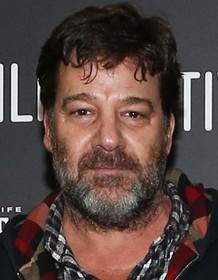
Robert Longstreet as Arnold
Played by Robert Longstreet
Arnold hosts a private poker game that pulls Clay into a dangerous social circle. He represents a figure of authority within an underground scene and acts as a gateway to the film's central tension between loyalty and opportunism.
- 🎲 Poker
- 🧭 Power
- 💰 Money
- TL
Teresa Lee as Belle
Played by Teresa Lee
Belle is the hostess at Arnold's poker game and the social conduit for the night’s proceedings. She navigates the web of relationships surrounding the game, adding texture to the underground social world the characters inhabit.
- 🎭 Social Scene
- 🕵️ Intrigue
- 💬 Conversation
- MJ
Mitra Jouhari as Sydney/Cabin Owner
Played by Mitra Jouhari
Sydney is the cabin owner who provides the remote space that becomes a pivotal setting in the film. Her presence anchors the shift from urban life to an isolated environment where Whit's haunting unfolds.
- 🏕️ Cabin
- 🗝️ Ownership
- 🗺️ Setting
- AS
Anna Seregina as Cabin Couple
Played by Anna Seregina
Anna Seregina is one half of the Cabin Couple who occupy the cabin, contributing to the domestic layer of the story and providing a sense of ordinary life within the remote setting.
- 💑 Couple
- 🏡 Home
- 🧭 Mystery
- CT
Chris Thayer as Cabin Couple
Played by Chris Thayer
Chris Thayer is the other half of the Cabin Couple, sharing the cabin space and adding to the intimate, lived-in atmosphere of the retreat where hidden tensions emerge.
- 💑 Couple
- 🏡 Home
- 🧭 Mystery
- BD
Budd Diaz as Budd
Played by Budd Diaz
Budd Diaz is a friend who helps Clay reach Arnold's poker game, acting as a bridge into the night’s darker social world. His involvement accelerates Clay's descent into the scheme surrounding the haunting.
- 🧑🤝🧑 Friendship
- 🎲 Gambling
- 🧭 Trust
Where and When Is The Civil Dead Set?
The Civil Dead is set in Los Angeles and Cabin Retreat. Here is why the place matters to the story.
Where
Los Angeles, Cabin Retreat
The story largely unfolds in Los Angeles, moving from Clay's apartment and city streets to a remote cabin where the haunting intensifies. This contrast highlights the shift from urban life to isolated spaces, which amplify the supernatural and interpersonal tensions at the heart of the film.
- 🏙️ Urban LA
- 🌲 Cabin Setting
What Are the Themes of The Civil Dead?
3 ideas the story keeps returning to, among them Haunting, Grief & Guilt and Isolation & Connection.
-
01
Haunting
Whit's ghost presence threads through the plot, shaping Clay's choices and sense of reality. The haunting is less about fear and more about companionship, loneliness, and how memory can manipulate present decisions. It questions whether warmth and friendship can justify morally gray actions.
-
02
Grief & Guilt
Clay's desperation to survive after unemployment collides with the burden of Whit's death and the ethical line he crosses. Using a ghost to gain advantage at a poker game exposes the cost of ambition on personal relationships. Grief fuels recklessness, even as it deepens Clay's need for connection.
-
03
Isolation & Connection
The cabin serves as a refuge and trap, intensifying the dynamics between characters and Whit's entrapment. Power outages and the attic sequence amplify claustrophobia while testing loyalty and trust. The film probes whether true connection can exist without visibility or consent.
What Kind of Film Is The Civil Dead?
Melancholic in tone, with slow pacing and a straightforward story, going by the plot summary.
- Tone
- Melancholic
- Pacing
- Slow
- Story
- Straightforward
- Intensity
- Medium
- Ending
- Ambiguous
A quiet, melancholic film about loneliness and an awkward ghostly friendship, creating an unsettling yet contemplative atmosphere that lingers long after the final ambiguous scene.
- lonely
- unsettling
- quiet
- melancholic
- claustrophobic
- awkward
- grief and loss
- loneliness
- friendship
- supernatural encounter
Content notes: confrontation, death.
Quiz
How well do you remember The Civil Dead? Test yourself on the story.