What Is The Black Room About?
The premise of The Black Room in 289 words, with nothing given away. The full story follows below.
In a remote Tyrolean valley, an ancient stone castle looms over a town where superstition still whispers through cobbled streets. A centuries‑old prophecy haunts the ruling house: twins born under its shadow are destined to bring tragedy, with the younger poised to end the elder’s line within the sealed “black room.” The looming dread of fate hangs heavy in candlelit corridors, casting every decision in a pall of foreboding and giving the fortified world a Gothic, almost oppressive beauty.
Baron Gregor de Berghman and his twin Anton de Berghman embody the prophecy’s bitter split. The elder, raised to command, carries the weight of legacy and a relentless drive to secure his authority, while the younger returns from years of wandering with a gentler demeanor that instantly wins the affection of servants and villagers alike. Into this delicate balance steps Thea Hassel, the intelligent and resolute daughter of a trusted advisor, whose heart is torn between the magnetic pull of the twins and the steady loyalty of Lt. Albert Lussan, a disciplined officer who sees beyond the castle’s gilded façade. Beneath the polished courtly rituals, the Black Room remains a forbidden sanctuary, its sealed doors promising both protection and peril.
The film unfolds with a brooding, atmospheric tone, where the clang of swords is matched by the soft rustle of tapestries and the distant howl of a lone mastiff. Tension rises from unspoken rivalries, whispered rumors, and the ever‑present threat that destiny may yet claim its due. As alliances form and loyalties are tested, the audience is drawn into a world where identity can be as mutable as the shadows that dance across the stone walls, and where the pursuit of power may blur the line between survival and sacrifice.
What Happens in The Black Room?
The complete story of The Black Room, from the first scene to the last, in 690 words (about 3 minutes). Spoilers throughout.
Spoilers ahead
Within a Tyrolean castle in the late 18th century, the de Berghmann line begins with twin sons: Baron Gregor de Berghman [Boris Karloff] and Anton de Berghman [Boris Karloff]. An old prophecy shadows the family: the younger shall kill the elder in the Black Room, a fate that gnaws at the heart of the castle’s rulers. The elder Bar on Gregor de Berghman, [Henry Kolker], rules with a dark hand, amplifying the fear that the prophecy might come true, while the fatherly concern of Baron de Berghman grows as the years pass.
Years later, in 1834, the tale tilts toward tragedy and tension. Gregor has become a depraved ruler who murders the wives of local peasants, leaving villagers to tremble at the mere mention of his name. His twin Anton, who cannot use his right arm and has spent much of his life traveling across Europe, returns to the fortress with a gentler presence that starkly contrasts his brother’s cruelty. The returning Anton wins the affection of the staff and the villagers alike, becoming a beacon of warmth in a place grown cold under Gregor’s shadow. Thea Hassel, [Marian Marsh], daughter of the loyal adviser Colonel Hassel, finds herself drawn to Anton, yet her heart also wavers toward Lt. Albert Lussan [Robert Allen], who is loyal and steadfast, a man who sees through Gregor’s veneer and believes in a future free from tyranny.
As Gregor’s schemes unfold, Mashka, Mashka [Katherine DeMille], a servant, disappears after being seen in the baron’s vicinity, and suspicion quickly ignites a chorus of fear and anger among the villagers. A mob descends on the castle, demanding answers and change. In a dramatic pivot, Gregor agrees to abdicate and transfer power to his popular brother, with papers signed to relinquish the baronetcy to Anton. Yet the moment of supposed reconciliation becomes a carefully laid trap: Gregor lures his unsuspecting brother to the Black Room, murders him, and casts him into a pit where the bodies of Mashka and other victims lie, a grim chorus line that confirms the prophecy’s chilling inevitability. Gregor now assumes Anton’s identity and sets his sights on wed Thea, a union that would cement his control. Thea’s father, Colonel Hassel [Thurston Hall], supports the match, while Lt. Lussan’s objections burn bright as a warning signal of the deception to come.
In the wake of the murder, Lt. Lussan’s faith in justice leads him to resist Gregor’s rise. The baron’s deceit is grievously exposed when Gregor murders Colonel Hassel after a tense game of chess and a mirror reflection that reveals the impostor’s true face. The Lieutenant is framed and condemned to die, a cruel twist that underscores the fragility of law in this house of shadows. Yet even as the system falters, Anton’s loyal mastiff senses the ruse, recognizing that the man posing as Anton is not their master. The dog becomes a silent ally, pursuing Gregor into town as the wedding to Thea proceeds.
In a parallel drama, Lt. Lussan escapes his cell and joins Thea as she urges him to flee. He chooses to stand and face the tide, while the wedding ceremony in the town cathedral unfolds with solemn ceremony and a warning in the air. The priest’s words—> speak now or forever hold their peace —hang over the congregation as the dog attacks the mistaken groom, revealing the impostor’s concealed identity and forcing a confrontation that exposes Gregor in the middle of the holy rite. The townspeople surge like a living riot, driven by fear and a desire for rightful order.
Gregor, now desperate, seeks refuge in the Black Room, but the mob converges. The mastiff squeezes through the secret passage, and the chase culminates with the dog pouncing on Gregor, who tumbles backward into the pit and onto the blade still clutched by his murdered brother’s hand. The brutal fulfillment of the old prophecy concludes the tale with a grim, inevitable justice: Gregor is undone by the very trap that the prophecy foretold, and the castle’s curse ends as the crowd carries the memory of Anton and the fate of a family torn by ambition and betrayal.
The Black Room Timeline: Every Key Event in Order
12 key events in the order they happen, from “Birth of the twins and the prophecy” to “Final fall in the Black Room”. 12 events name a place, across 6 locations.
- 1
Birth of the twins and the prophecy
In the Tyrolean castle, twin brothers Gregor and Anton are born into the de Berghmann family. An old prophecy warns that the younger brother will kill the elder in the Black Room, casting a long shadow over their lives. The ominous omen sets the stage for a tragic rivalry that defines the family's fate.
When:late 18th century Where:Tyrolean castle
- 2
Gregor's depravity revealed
By 1834, Baron Gregor has become a depraved ruler who murders the wives of local peasants. His cruelty unsettles the villagers and fuels whispers of a curse upon the family. The baron's tyranny directly contrasts with his brother's later return.
When:1834 Where:castle
- 3
Anton returns and confronts the rumors
Anton, Gregor's physically crippled but morally steadfast brother, returns to the castle and refuses to believe the rumors about Gregor. He is kind and beloved by the staff and villagers, a stark contrast to Gregor's brutality. The reunion heightens the tension within the household.
When:1834 Where:castle
- 4
Romance and rival suitors
Gregor woos Thea, daughter of Colonel Hassell, but Thea's heart truly rests with Anton and Lieutenant Albert Lussan. The complicated affections deepen the rift between the brothers as Thea's loyalties are tested. The balance of power inside the castle shifts as Gregor plots to solidify his control.
When:1834 Where:castle
- 5
Mashka's disappearance and the abdication
Mashka, a loyal servant, disappears after being seen with Gregor, sparking fear among the villagers. A mob forms and storms the castle to confront the baron. Gregor agrees to abdicate and transfer power to Anton, hoping to quell the unrest.
When:1834-1835 Where:castle
- 6
Relinquishing power and a deadly trap
Papers are signed relinquishing the baronetcy to Anton, fulfilling the outward gesture of peace. Gregor then lures his unsuspecting brother to the Black Room, murders him, and throws Anton into a pit where Mashka and other victims lie. He dons Anton's identity to advance his own plans.
When:1834-1835 Where:Black Room, castle
- 7
The wedding plan and political murder
With Anton dead, Gregor moves to wed Thea, whose father supports the match. Lt. Lussan objects to the union, creating a personal stake in the rising tension. In a calculated act, Gregor kills Colonel Hassell during a game of chess and uses a mirror trick to frame Lussan for the crime.
When:1835 Where:castle
- 8
The loyal mastiff detects the impostor
Anton's mastiff is the only one who senses that the baron is not his master. The dog trails Gregor as he travels to town for the wedding, signaling that the impostor's cover will soon be blown. The animal's instinct adds a twist to the growing pursuit of truth.
When:1835 Where:castle-to-town route
- 9
Lussan and Thea plot to escape
Lt. Lussan escapes his cell and quietly meets Thea, who urges him to flee. He refuses, choosing to face the consequences rather than abandon the truth about Gregor. The wedding ceremony proceeds in the town cathedral, setting up the final confrontation.
When:1835 Where:town cathedral
- 10
The wedding and the reveal
As the ceremony nears its close, the priest invites any objections, prompting the dog to strike and expose Gregor in his Anton disguise. The crowd realizes the deception, and the wedding ground to a halt as truth erupts. Gregor's plan to marry Thea collapses in front of the townspeople.
When:1835 Where:town cathedral
- 11
Mob closes in on the castle
The mob forms and pursues Gregor back to the castle. The mastiff leads the way, squeezing through to the Black Room as the crowd closes in. The chase intensifies the sense that justice will be served in the very place the prophecy foretold.
When:1835 Where:castle
- 12
Final fall in the Black Room
Gregor is cornered in the Black Room and falls backward onto the knife still held by his murdered brother's hand. The prophecy is fulfilled as the younger brother completes the cycle of murder in the place of the elder. Justice is served, and the castle's dark history ends.
When:1835 Where:Black Room/pit
Who Are the Main Characters in The Black Room?
16 characters, among them Baron Gregor de Berghman, Anton de Berghman and Lt. Albert Lussan: who each one is and the part they play in the story. 15 of them link to the actor’s page.
-
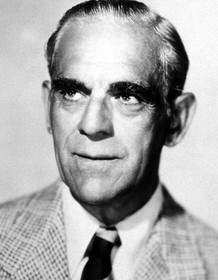
Baron Gregor de Berghman
Played by Boris Karloff
A depraved ruler who murders the wives of peasants and hides his crimes behind a charming, calculating exterior. He orchestrates a plot to abdicate only to murder his brother and steal Anton’s identity, revealing a penchant for manipulation and brutality. His mirrored deception culminates in a dramatic unmasking that the mob uses to reclaim justice.
- villain
- mastermind
- twin deception
-
Anton de Berghman
Played by Boris Karloff
The kind and popular brother who is the opposite of Gregor, beloved by villagers and trusted staff. He returns from Europe with a sense of integrity, seeking to reform the family’s rule, and becomes a legitimate alternative to Gregor’s cruelty. His fate hinges on loyalty, love, and the fight against his brother’s darkness.
- protagonist
- loyal
- compassionate
-

Lt. Albert Lussan
Played by Robert Allen
A young lieutenant who competes for Thea’s heart and becomes a target of Gregor’s schemes. He is bold, principled, and fiercely protective of Thea, but is ultimately framed and forced into a wrongful death sentence. His defiance and pursuit of truth fuel the final confrontation.
- romantic lead
- loyal
- determined
- M
Mashka
Played by Katherine DeMille
The castle servant who disappears after being seen with Gregor, sparking the locals’ outrage. Her disappearance becomes a catalyst for the mob’s raid on the castle and the uncovering of Gregor’s murderous plan. She is a symbol of the ordinary people drawn into the aristocratic power struggle.
- servant
- victim
- catalyst
- TH
Thea Hassel
Played by Marian Marsh
The daughter of Colonel Hassel, she is torn between her loyalty to her family and her love for Anton. She admires Anton’s decency while ultimately choosing to stand against Gregor’s tyranny. Her actions and affections drive key decisions and the eventual unmasking of the villain.
- romantic interest
- moral center
- CP
Col. Paul Hassel
Played by Thurston Hall
The stern, principled father figure and family adviser who supports Thea’s union with Lussan. His authority and integrity are tested as Gregor’s scheme unfolds, and his eventual opposition helps reveal the truth behind the courtly intrigues.
- patriarch
- authority
- ally
- B
Beran
Played by John Buckler
The gypsy foreseer whose presence signals fate’s grip on the family. His interactions hint at destiny and the inevitability of the tragic outcome, underscoring the story’s dark, fatalistic tone.
- mystic
- foreteller
- TJ
The Judge
Played by George MacQuarrie
A symbol of lawful order who becomes entangled in the castle’s schemes. His role underscores the collapse of justice when deceit and personal vendetta override the law.
- authority
- justice
- D
Doctor
Played by Edward Van Sloan
A physician who witnesses the mounting turmoil and contributes to the unfolding mystery surrounding the brothers’ true identities. His observations help piece together the sequence of events that lead to the climactic reveal.
- medical
- witness
- F(
Franz (Capt. Assassin-Villager)
Played by John Bleifer
A captured antagonist whose presence adds menace and a reminder of the castle’s danger. His role thickens the plot’s tension, illustrating the threats that haunt the castle’s inhabitants.
- antagonist
- danger
- IW
Inn Waiter
Played by John George
A minor, uncredited role that exists in the tapestry of the castle’s daily life. His brief scenes help establish the social environment and the bustling atmosphere around the aristocratic circle.
- supporting
- MT
Maria the Chambermaid
Played by Marion Lessing
A staff member whose presence reflects the everyday life within the castle. Her interactions contribute to the atmosphere of service, secrecy, and the social hierarchy at play.
- supporting
- staff
- BD
Baron de Berghman
Played by Henry Kolker
The elder baron whose legacy frames the family’s power and its downfall. His status and ambitions set the stage for the twin brothers’ fateful confrontation and the prophecy’s fulfillment.
- patriarch
- founder
- PH
Paul Hassel (young lieutenant)
Played by Colin Tapley
Young version of Colonel Hassel, representing tradition and duty. His role highlights the generational conflict within the Hassel family and the looming threat Gregor poses to their lineage.
- youth
- lieutenant
- P
Prosecutor
Played by Robert Middlemass
The legal figure who faces the consequences of the trial and the manipulation of evidence. His presence adds to the courtroom tension and the broader theme of justice under strain.
- legal
- trial
- TP
The Proceeds of the Cast
A placeholder for the collection of minor roles that populate the castle and its surrounding village, illustrating the network of people affected by the protagonists’ decisions.
- ensemble
- village
Where and When Is The Black Room Set?
The Black Room is set in Tyrolean castle (Late 18th century and 1834). Here is why the time and place matter to the story.
When
Late 18th century and 1834
The narrative begins in the late 18th century within a noble Tyrolean household and then carries through to 1834, a period marked by feudal privilege and social upheaval. The castle’s traditions clash with changing attitudes as prophecy and vengeance drive the plot. The timeframe anchors a Gothic mood of decadence, secrecy, and imminent danger.
Where
Tyrolean castle
The story unfolds inside a secluded Tyrolean castle perched in the Alpine region. The fortress serves as the center of aristocratic power, mystery, and looming prophecies. Its stone halls witness murders, disguises, and the clash between two brothers who share the same face but diverge in fate.
- 🏰 Castle
- 🗺️ Europe
- 🏔️ Alpine
What Are the Themes of The Black Room?
3 ideas the story keeps returning to, among them Power, Murder and Betrayal and Identity.
-
01
Power
A ruling aristocracy wields absolute influence within the castle walls. The narrative tracks how Gregor’s tyrannical rule collapses under pressure from his popular brother Anton and the villagers. The struggle for control culminates in manipulation, betrayal, and a ruthless bid to preserve or seize authority.
-
02
Murder and Betrayal
The plot is driven by a series of intimate and regional murders, including the killing of Anton and the framing of Lt. Lussan. Deceptive facades and plotted confrontations keep suspicion and danger alive. The pursuit of truth is tangled with fear, revenge, and a deadly struggle to outwit rivals.
-
03
Identity
The twins share a single actor yet distinct identities, creating a pervasive theme of duplicity. The dog’s recognition becomes a key clue to uncover the true villain. Disguise, deception, and the revelation of true character drive the dramatic tension to its climax.
What Kind of Film Is The Black Room?
Dark in tone, with steady pacing and a straightforward story, going by the plot summary.
- Tone
- Dark
- Pacing
- Steady
- Story
- Straightforward
- Intensity
- High
- Ending
- Bittersweet
A grim and foreboding gothic horror film that steadily builds tension around a curse of fratricide, creating a claustrophobic atmosphere of deception, tyranny, and grimly inevitable justice.
- ominous
- gothic
- tense
- grim
- claustrophobic
- melancholic
- evil twin
- prophecy and fate
- tyranny and deception
- vengeance
Content notes: murder, fratricide, impersonation, stabbing, concealed corpses.
Quiz
How well do you remember The Black Room? Test yourself on the story.