
The Black Sheep of Whitehall 1942

Directed by
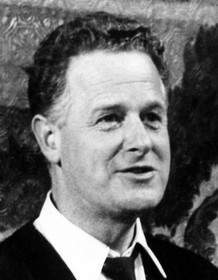
Basil Dearden
Made by

Ealing Studios
The Black Sheep of Whitehall Plot Summary
Read the complete plot summary and ending explained for The Black Sheep of Whitehall (1942). From turning points to emotional moments, uncover what really happened and why it matters.
In this brisk British comedy-thriller, the debt-ridden head of a correspondence college, Professor Will Hay Davis, is forced to vacate his dingy office and face a chance at redemption at Whitehall. He travels to the Ministry of International Commerce to confront his one formidable pupil, John Mills as Bobby Jessop, a sharp PR man who smells opportunity in every dust mote. Jessop promises a lifeline: a real job at Whitehall if Davis can play along.
To set the plan in motion, Jessop hurries off to fetch Henry Hewitt as Professor Davys, a leading economist who has just returned from a long stint in South America to brief the British government on a key trade treaty that could bolster the war effort. The arrangement hinges on Davis presenting himself as that top economist, a ruse that seems almost too convenient to be true. The tension between ambition, credibility, and wartime urgency fills the room.
What follows is a string of misfires that turns the interviews into a gleefully chaotic showcase of Davis’s bluster and ignorance. The responses are a collage of gambling metaphors, clever con tricks, double entendres, and outright wrong answers, each misstep nudging the public mood toward disbelief. The scene is heightened by the deadpan reactions of Joss Ambler as Sir John, the government minister whose calm façade slowly cracks under the strain of this theatrical deception.
The farce takes a dark turn when Jessop returns with the supposed Professor Davys, only to reveal that the man playing the part—Crabtree, a scheming figure connected to Nazi Germany—is not the real Davys at all. The revelation lands with a mix of shock and humor, as Felix Aylmer embodies the slippery spy in the role of Crabtree, blurring loyalty and ambition. The ministers’ nerves fray, and the briefing room buzzes with confused energy.
With the jig up but the clock still ticking, Jessop pleads with Davis to help locate the legitimate Professor Davys, who is reportedly being held in a safe house by Crabtree’s conspirators. The pair slip into a montage of disguises and quick-change tricks, chasing down leads across a web of stations, offices, and shadowy corners that echo wartime anxiety. Their mission is simple in aim but perilous in execution: prevent the hunter from compromising a treaty that could steer Britain through the war.
As the plot thickens, the comedy refuses to sacrifice wit for peril. The film skims along the fine line between farce and espionage, poking gentle fun at bureaucratic red tape and media hype while quietly acknowledging the high stakes of the era. In a finale that blends brains with bravado, the unlikely duo manages to outmaneuver the conspirators, safeguard the potential treaty, and remind audiences that improvisation and courage can triumph even when confidence is thin.
The Black Sheep of Whitehall Timeline
Follow the complete movie timeline of The Black Sheep of Whitehall (1942) with every major event in chronological order. Great for understanding complex plots and story progression.
Davis confronts debt and fate at Whitehall
Davis, debt-ridden and forced to vacate his office, goes to the Ministry of International Commerce at Whitehall to confront his one-and-only student, Bobby Jessop. The meeting introduces the pressure Davis faces and sets up Jessop's plan to keep him busy. This encounter marks the inciting moment that drives the ensuing misadventures.
Jessop offers a Whitehall job to fix things
To get him off his back, Jessop proposes to get Davis a job at Whitehall. The idea is to keep him occupied and out of trouble, while giving him a role in government circles. The offer hints at the farcical performances to come as Davis fumbles through supposed expertise.
Jessop fetches Professor Davys at the railway station
Jessop leaves to fetch Professor Davys at the railway station. The professor is a leading economist who has returned from a long stay in South America to advise the British government on a trade treaty crucial to Britain's war effort.
Professor Davys is introduced as a key adviser
The professor is presented as the government's top economist who will advise on a vital trade treaty. Davis is dragged along into the process, even though he has no real expertise. The setup foreshadows the comic chaos that follows during the interviews.
Davis mistaken for the expert during interviews
Davis is mistaken for the expert and becomes involved in a series of interviews. He offers answers based on gambling, con jobs, or sheer ignorance, which leaves the interviewers increasingly incredulous. The BBC hosts and Sir John react with mounting disbelief as the ruse unfolds.
Confusion sorted, but the BBC is left in shock
Jessop returns with 'Professor Davys' and the confusion is sorted out, though the BBC interviewers are left in mental collapse. The farce continues to reveal the gap between appearance and expertise. The scene tightens the comedic stakes for what comes next.
Crabtree revealed as a fifth columnist
Jessop discovers that the man he brought is Crabtree, a member of a group of fifth columnists working for Nazi Germany. The discovery shows that the sham identity has dangerous real-world implications. The stakes are raised as the plot thickens.
A plan to locate the real Davys is hatched
Jessop promises Davis a job if he will help track down the real Professor Davys, who is being held in a safe house by Crabtree's associates. The alliance forms as they realize they must find the true expert to safeguard the treaty. The mission shifts from a bluff to a real assignment.
Disguises and a perilous pursuit begin
Davis and Jessop assume a number of disguises and set off to foil the plot. They navigate through a web of deceit while chasing leads to locate the real Davys. The pursuit blends comedy with a sense of urgency as they press forward.
The mission to foil the plot continues
They set off to foil the plot before the trade treaty is compromised. The operation hinges on locating the real Davys and outmaneuvering Crabtree's network. The timeline tightens as the danger to Britain's war effort looms.
The Black Sheep of Whitehall Characters
Explore all characters from The Black Sheep of Whitehall (1942). Get detailed profiles with their roles, arcs, and key relationships explained.
Professor Will Davis (Will Hay)
A debt-ridden, well-meaning but clueless professor who is mistaken for the leading economist Davys. His awkward, improvised answers during interviews propel the comedy and mislead officials, until the truth of the situation forces a reckoning. His naivety masks a surprising resourcefulness as he navigates a web of espionage and bureaucratic pressure.
Bobby Jessop (John Mills)
A slick PR man who schemes to ferry Davis into Whitehall and manipulate the situation for political leverage. He orchestrates disguises and interviews to salvage the plan, often pushing the limits of deception. Beneath his bravado lies a calculated mind focused on preserving his own influence and the war effort.
Professor Davys (Henry Hewitt)
A leading economist returning from South America to advise on a trade treaty potentially crucial to Britain’s war effort. His expertise is the catalyst for the mistaken-identity setup, as Davis is mistaken for him. Davys’ presence elevates the stakes and frames the political urgency of the negotiations.
Crabtree (Felix Aylmer)
A member of a Nazi-aligned group operating as fifth columnists, posing a direct threat to national security. His involvement in the plot adds danger and urgency, prompting Davis and Jessop to improvise a counter-move to protect the treaty. He embodies the espionage menace lurking behind wartime politics.
Sir John (Joss Ambler)
A government minister whose incredulity and impatience fuel the comedy. His exchanges with Davis and the interview process reveal the fragility of political rhetoric under pressure. He embodies the bureaucratic rigidity and public scrutiny of wartime leadership.
BBC Interviewer (Leslie Mitchell)
A persistent broadcaster whose on-air questions amplify the tension of the situation. The interview scenes become a barometer for wartime morale, quickly turning chaotic as facts blur with farce. The character highlights the media’s role in shaping public perception during crisis.
The Black Sheep of Whitehall Settings
Learn where and when The Black Sheep of Whitehall (1942) takes place. Explore the film’s settings, era, and how they shape the narrative.
Time period
World War II era
The plot unfolds in a period of global conflict where Britain relies on timely decisions to support the war effort. Government negotiations, trade considerations with South American nations, and media coverage shape daily life and urgency. The wartime backdrop amplifies the stakes behind the bureaucratic misadventures and espionage intrigue.
Location
Whitehall, railway station, BBC interview room, safe house
The action centers in Whitehall at the Ministry of International Commerce, a hub of wartime government activity. Key scenes move through a bustling railway station as plans are prepared and a precarious transfer of figures occurs. The story also visits a BBC interview setting and a safe house where covert operations unfold, grounding the comedy in a tense security environment.
The Black Sheep of Whitehall Themes
Discover the main themes in The Black Sheep of Whitehall (1942). Analyze the deeper meanings, emotional layers, and social commentary behind the film.
🎭
Mistaken Identity
A bumbling professor is mistaken for a renowned economist, triggering a cascade of interviews and improvisations. The humor stems from his inability to convincingly answer questions, exposing the fragility of appearances. The farcical premise drives the plot as characters scramble to cover the ruse.
🕵️
Espionage
Crabtree and his fifth-columnist network loom as a real threat to Britain's war plans. The narrative weaves in disguise, pursuit, and covert plots aimed at derailing a crucial treaty. The danger is balanced with satire, highlighting the paranoia of wartime security.
🎙️
Media Satire
The BBC-interview sequences and ministerial scrutiny lampoon the relationship between government, press, and public messaging. Escalating pressure yields comical collapses, underscoring how wartime communications can become a theater of confusion and manipulation.

Coming soon on iOS and Android
The Plot Explained Mobile App
From blockbusters to hidden gems — dive into movie stories anytime, anywhere. Save your favorites, discover plots faster, and never miss a twist again.
Sign up to be the first to know when we launch. Your email stays private — always.
Explore the mobile appThe Black Sheep of Whitehall Spoiler-Free Summary
Discover the spoiler-free summary of The Black Sheep of Whitehall (1942). Get a concise overview without any spoilers.
In the bustling atmosphere of wartime Britain, Professor Davis stands out less for his academic rigor and more for his ability to bluster his way out of debt. As the head of a shaky correspondence college, he is accustomed to scraping by in a dingy office, but a sudden forced eviction pushes him toward an unexpected sanctuary: Whitehall. This brisk comedy-thriller introduces a world where bureaucratic red tape meets the school of hard knocks, anchored by a protagonist whose confidence far outstrips his credentials.
Davis’s fortunes shift when he encounters Bobby Jessop, a sharp PR man who spots an opportunity in the professor’s desperation. Jessop proposes a lifeline—a legitimate government position—but it comes with a catch that seems almost too convenient to be true. To secure the job, Davis must assume the identity of a renowned economist, tasked with briefing the government on a vital trade treaty with South America. The arrangement hinges on Davis convincing seasoned civil servants of his expertise, a ruse that sets the stage for a high-wire act of improvisation and wit.
The film deftly balances the absurdity of this charade against the genuine tension of the era. As Davis navigates the labyrinth of the Ministry of International Commerce, employing gambling metaphors and quick thinking to mask his ignorance, a darker reality emerges from the shadows. The treaty he is meant to champion holds significant weight for the war effort, drawing the attention of a Nazi agent determined to prevent its signing. Amidst the double entendres and nervous ministers, the story explores how far a little bravado can go when the stakes are at their highest.
Movies with Similar Twists and Themes
Uncover films that echo the narrative beats, emotional arcs, or dramatic twists of the one you're exploring. These recommendations are handpicked based on story depth, thematic resonance, and spoiler-worthy moments — perfect for fans who crave more of the same intrigue.


Featured on this page

What's After the Movie?
Not sure whether to stay after the credits? Find out!
Check out our other apps:

SAT Sphere
Build confidence for the Digital SAT.

Mori Atlas
Discover wild places worth protecting.

Luntero
Search smarter for a home in Amsterdam.

Plot Explained
Unravel movie endings and hidden clues.

Pokechamp
Dive into Pokémon data and battle logic.

Driving Theory
Get ready for your European theory test.

Movie Dust
Plan your next cinema trip with ease.

Musemap
Find art and culture as you travel.

Selkobase
Compare credentials before committing.

Local Manual
Turn an unfamiliar country into practical next steps.

Lernavi
Compare school systems before your next move.

GymRoam
Find a workout stop wherever your plans take you.
Explore Our Movie Platform
New Movie Releases (2026)
Famous Movie Actors
Top Film Production Studios
Movie Plot Summaries & Endings
Major Movie Awards & Winners
Best Concert Films & Music Documentaries
Movie Collections and Curated Lists
© 2026 What's After the Movie. All rights reserved.
Privacy Policy