

What Is The Beast from 20,000 Fathoms About?
The premise of The Beast from 20,000 Fathoms in 329 words, with nothing given away. The full story follows below.
In the stark, frozen reaches of the Arctic Circle, a routine atomic test reveals an unsettling truth: the power humanity wields can stir forces that have lain dormant for eons. The film opens on this pristine landscape, where the crack of a nuclear explosion reverberates far beyond the blast radius, hinting at consequences that no one yet fully understands. The stark cold and the glow of the detonation set a tone that is both scientific and foreboding, a reminder that progress often walks hand‑in‑hand with the unknown.
The story follows Thomas Nesbitt, a physicist stationed at the test site, whose quiet musings about the cumulative impact of atomic experiments foreshadow the central dilemma. Nesbitt becomes the first, and perhaps only, person to witness the sudden stir of something vast and ancient beneath the ice. His obsessive certainty clashes with a world that prefers to dismiss what cannot be easily measured, establishing a tension between hard‑won observation and skeptical denial that drives the narrative forward.
Joining him are Thurgood Elson, a seasoned paleontologist, and his eager assistant Lee Hunter, who bring scholarly rigor to the mounting mystery. Their expertise transforms scattered sightings into a credible warning, prompting the involvement of military authorities led by the pragmatic Col. Evans. This uneasy alliance of scientists and soldiers underscores a broader theme: the struggle to reconcile cautious inquiry with the urgency of an emerging threat that looms over one of the world’s most iconic cities.
The film’s atmosphere blends documentary‑style narration with an undercurrent of dread, letting the audience feel the weight of each unanswered question. The juxtaposition of icy isolation with the bustling, modern metropolis creates a palpable sense of impending collision. As scientists, military personnel, and ordinary people grapple with the implications of an ancient predator awakened by atomic fire, the story invites viewers to contemplate the fragile line between curiosity and catastrophe, and the price of probing forces that lie far beneath the surface of both ice and the atom.
What Happens in The Beast from 20,000 Fathoms?
The complete story of The Beast from 20,000 Fathoms, from the first scene to the last, in 896 words (about 4 minutes). Spoilers throughout. Names in the text link to 1 cast member page.
Spoilers ahead
Far north of the Arctic Circle, a nuclear bomb test named Operation Experiment is detonated, and the blast triggers a chilling prophecy about the unknown consequences of atomics. The physicist on watch, Thomas Nesbitt (the first time this character is mentioned, his name is accompanied by the linked actor) quietly wonders aloud what the cumulative effects of all these explosions and tests will be, and his question is captured in the film as a stark reminder that science can outpace comprehension. The moment of detonation awakens a colossal predator that has slept for millions of years beneath the ice—a Rhedosaurus measuring about 200 feet in length. Nesbitt is the sole witness to the creature’s awakening and, after that moment, is dismissed by many as delirious or fanciful, a skeptic in a world that refuses to take the danger seriously. Yet he remains convinced that what he saw is real, driven by a warning no one else dares to accept.
The creature’s emergence is nothing short of catastrophic. The Rhedosaurus begins a grim northward crawl along the Atlantic seaboard, leaving destruction in its wake as it travels from the Grand Banks to the Great Lakes region and onward to the northeastern United States. It sinks a fishing ketch off the Grand Banks, destroys another vessel near Marquette, Michigan, wrecks a lighthouse in Maine, and devastates structures in Massachusetts. The path of chaos is relentless, and Nesbitt’s early insistence that the threat is real gains momentum only when a surviving fisherman helps connect the sightings to a single, enormous creature. In time, the evidence lines up on a map, and the paleontologist Thurgood Elson [Cecil Kellaway] and his young assistant Lee Hunter [Paula Raymond] become key allies, translating sightings into a credible warning. The two scientists work with Nesbitt to track the beast, and their collaboration marks a crucial pivot from rumor to a recognized threat.
The investigation leads to a troubling hypothesis: the Rhedosaurus seems to be marching toward the Hudson River area, where fossils of its species were first found. A dramatic undersea expedition—conducted in a diving bell within the Hudson River Canyon—brings the team close to the creature’s lair. The encounter turns deadly when the bell is swallowed by the beast, and Professor Elson is killed in the resulting crisis. The tragedy confirms Nesbitt’s worst fears and signals a shift from observation to urgent action as the monster makes landfall in Manhattan. The city trembles as the Rhedosaurus devastates the urban landscape, devouring a police officer, totaling cars, toppling buildings, and triggering a citywide panic. News reports tally the human toll and the staggering economic damage: 180 known dead, 1500 injured, with damage estimates reaching around $300 million.
In response, military forces move to contain the threat. Commanded by Col. Evans [Kenneth Tobey], troops attempt to seal off the area with an electrified barricade and later strike at the creature with a bazooka aimed at its throat. The plan, however, stalls when the beast bleeds onto the streets, releasing a volatile prehistoric contagion that threatens to spread faster than any conventional weapon could contain. The contagion’s danger makes it clear that simple destruction would only spread the infection further, forcing commanders to rethink their approach. The new plan calls for neutralizing both the creature and the threat it carries, a dual objective that would require a nuclear-assisted solution. The uneasy choice is made to inject the beast’s neck wound with a radioactive isotope, a method intended to burn the creature from within while simultaneously stopping the contagion at its source.
The Rhedosaurus advances to Coney Island, bringing the military and the city to a fever pitch of fear and determination. On the desolate carnival grounds, Corporal Stone [Lee Van Cleef] takes aim with a rifle grenade loaded with the radioactive isotope, and Nesbitt accompanies him in a perilous ascent aboard the iconic Cyclone roller coaster. Reaching eye level with the monstrous animal, they fire the isotope into the open neck wound. The impact sends sparks through the coaster as it shudders and collapses, and the park is quickly enshrouded in flames as the ride and surrounding structures ignite. Stone and Nesbitt descend through the chaos, stepping away from the burning midway as rescue teams scramble and the creature begins to falter. The isotope’s radiation poisoning proves fatal to the Rhedosaurus, and the beast collapses in its final act of defiance before dying in the flames and wreckage of the amusement park.
The film closes with the grim aftermath of a city and a world forever altered by the encounter with a creature ancient and terrible. The narrative unfolds with a steady, documentary cadence that emphasizes the costs of hubris and the fragile line between scientific curiosity and existential danger. The story remains grounded in the human angles—the witnesses who refuse to abandon what they know, the soldiers who push forward despite overwhelming odds, and the civilians who face the terrifying spectacle of a prehistoric nightmare in a modern city. In the end, the Rhedosaurus’ rampage is halted not by brute force alone but by a fusion of science, courage, and the grim logic of necessity, leaving the audience with a lasting sense of awe and caution about the powers that lie beneath the ice and within the atom.
“What the cumulative effects of all these atomic explosions and tests will be, only time will tell.”
The Beast from 20,000 Fathoms Timeline: Every Key Event in Order
14 key events in the order they happen, from “Operation Experiment detonates in the Arctic” to “Aftermath and reflection”. 14 events name a place, across 13 locations.
- 1
Operation Experiment detonates in the Arctic
A nuclear bomb test called Operation Experiment is detonated far north of the Arctic Circle. Physicist Thomas Nesbitt muses about the cumulative effects of all atomic tests, a question that lingers as events unfold.
When:During Operation Experiment Where:Arctic Circle (test site)
- 2
Rhedosaurus awakens from suspended animation
The explosion unfreezes a 200-foot carnivorous dinosaur, the Rhedosaurus, from millions of years of suspended animation. Nesbitt is the only witness to the awakening and is later dismissed as delirious when recounting what he saw. The beast begins a slow, terrifying movement toward the surface world.
When:Immediately after the blast Where:Arctic test site
- 3
Nesbitt's warnings meet skepticism
Nesbitt encounters skepticism from authorities who doubt his account of the awakening. He persists in documenting sightings, convinced that the creature exists and is moving toward populated areas. The disbelief heightens the tension between eyewitness testimony and institutional decision-making.
When:Shortly after the awakening Where:Arctic region
- 4
Rhedosaurus rampages along the East Coast
The Rhedosaurus travels down the East Coast, sinking a fishing ketch off the Grand Banks and wrecking structures along the way. It also destroys a lighthouse in Maine and damages buildings in Massachusetts as panic rises among coastal communities. Nesbitt's mapping of sightings helps track its path.
When:In the days following the awakening Where:Grand Banks; Maine; Massachusetts
- 5
Allies join the hunt: Elson and Hunter
After a surviving fisherman identifies from drawings the very same dinosaur Nesbitt described, he connects with paleontologist Thurgood Elson and his assistant Lee Hunter. The trio begins to coordinate sightings on a map and shares notes about the creature’s behavior. Their partnership marks a turning point in countering the threat.
When:After initial sightings Where:New England coast
- 6
Elson proposes a path to the Hudson River
Elson hypothesizes that the Rhedosaurus is heading toward the Hudson River region. He uses a mapped account of sightings to argue for a location-based search. The plan shifts from a general chase to a targeted hunt.
When:As they chart sightings Where:Hudson River area
- 7
Undersea dive in the Hudson Canyon
Elson suits up for a diving bell expedition into the Hudson River Canyon to locate the beast. The creature ambushes the bell and swallows it, killing Elson in the process. The loss of Elson leaves the team in disarray, but the monster continues toward Manhattan.
When:During the diving expedition Where:Hudson River Canyon
- 8
Rhedosaurus comes ashore in Manhattan
After the underwater encounter, the beast emerges and roams through Manhattan. It devours a police officer and tears through cars and buildings, triggering a citywide panic. News reports tally the devastation with high casualty figures.
When:When it reaches shore Where:Manhattan, New York
- 9
Military response and countermeasures
Colonel Jack Evans leads troops who set up an electrified barricade to stop the creature, then attempt a direct strike with a bazooka aimed at the throat. The plan drives the beast back into the sea, but it bleeds on the streets, spreading a dangerous contagion. The contagion complicates efforts to incinerate or explode the monster.
When:During the counterassault Where:New York City vicinity
- 10
Contagion complicates destruction plans
The bleeding from the wound releases a prehistoric contagion that threatens to spread through the city. Officials realize conventional methods to kill or burn the Rhedosaurus could spread the infection further. The plan shifts toward containment and neutralization of the infection.
When:Post-battle Where:New York
Show the other 4 events of The Beast from 20,000 Fathoms Hide the last 4 events
- 11
Isotope strategy takes shape
A radioactive isotope is prepared to be injected into the beast's neck wound to burn it from within while halting the contagion. The dual goal is to kill the creature and prevent further infection spread. It marks a desperate, life-saving gamble.
When:Before the final assault Where:New York
- 12
Cyclone assault: eye-level attack
Corporal Stone and Nesbitt ride the Coney Island Cyclone roller coaster to reach the beast at eye level. Stone fires the isotope-laden grenade into the beast's neck wound as the coaster tops the tracks. Sparks fly, the park catches fire, and panic intensifies.
When:On the ride to the beast Where:Coney Island, Brooklyn
- 13
Park ablaze and the monster collapses
The roller coaster becomes a conduit of sparks as the isotope takes effect and the amusement park erupts in flames. The Rhedosaurus writhes under the radiation and finally collapses. The contagion is neutralized as the creature dies.
When:Immediately after the isotope injection Where:Coney Island, New York
- 14
Aftermath and reflection
With the creature dead, the city begins counting the cost of the disaster while recovery operations commence. Nesbitt reflects on the dangers of nuclear testing and the unpredictable consequences. The tale ends with a cautionary note about humanity s reach for power.
When:Aftermath Where:New York City
Who Are the Main Characters in The Beast from 20,000 Fathoms?
5 characters, among them Thomas Nesbitt (Prof. Nesbitt) – Paul Hubschmid, Thurgood Elson (Prof. Elson) – Cecil Kellaway and Lee Hunter – Paula Raymond: who each one is and the part they play in the story. Every profile links to the actor’s page.
- TN
Thomas Nesbitt (Prof. Nesbitt) – Paul Hubschmid
Played by Paul Hubschmid
A brilliant physicist whose sighting of the awakened beast forces him into the spotlight. He remains determined and persistently skeptical of official disbelief, driven to prove what he witnessed despite dismissal. Nesbitt embodies scientific curiosity tempered by a growing sense of urgency to prevent further catastrophe.
- 🧪 Scientist
- 🧠 Persistent
-
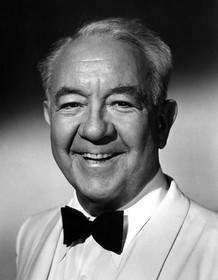
Thurgood Elson (Prof. Elson) – Cecil Kellaway
Played by Cecil Kellaway
A paleontologist who translates Nesbitt’s testimony into a concrete map of the monster’s path. He champions a methodical, research-driven approach and pays a heavy price in the pursuit of knowledge when his diving bell is swallowed by the beast. Elson represents the rational search for understanding in the face of terror.
- 🧬 Paleontologist
- 🗣️ Scholarly
- LH
Lee Hunter – Paula Raymond
Played by Paula Raymond
Elson’s young assistant who becomes an ally to Nesbitt, offering courage and practical help as the hunt intensifies. Her involvement marks a shift from isolated science to collaborative action against a dynamic threat. Hunter embodies resilience under pressure and quick adaptation in crisis.
- 👩🔬 Assistant
- 🛡️ Courageous
-

Corporal Stone – Lee Van Cleef
Played by Lee Van Cleef
A frontline operative who shares Nesbitt’s urgency, taking a pivotal role in the attempt to stop the creature from within the cityscape. His bravery and willingness to risk everything on a volatile plan are crucial to the climax. Stone personifies the human drive to confront danger head-on.
- 🔫 Marksman
- 🕯️ Brave
- CE
Col. Evans – Kenneth Tobey
Played by Kenneth Tobey
A commanding military figure leading the conflicting efforts to contain and annihilate the threat. He must balance strategic decisions with the real-time consequences of their actions, reflecting the tensions between authority, science, and public safety. Evans represents leadership under extreme pressure.
- 🎖️ Military Leader
- 🧭 Strategic
Where and When Is The Beast from 20,000 Fathoms Set?
The Beast from 20,000 Fathoms is set in Arctic Circle, Grand Banks, Marquette, Maine, Massachusetts, Hudson River… (1950s). Here is why the time and place matter to the story.
When
1950s
Set in the early Cold War era, the story is driven by anxieties around nuclear testing and technological progress. The period amplifies fear of radiation, containment failures, and unpredictable consequences of scientific hubris. The film uses this era to frame a monster-outbreak narrative within a world on edge.
Where
Arctic Circle, Grand Banks, Marquette, Maine, Massachusetts, Hudson River, Manhattan, Coney Island
The remote Arctic Circle test site anchors the opening, highlighting a setting where military experiments intersect with survival. As the creature leads a path down the East Coast, the film visits Grand Banks, Marquette, Maine, and Massachusetts before pushing into the bustling urban landscape of Manhattan and the seaside fun of Coney Island. The Hudson River becomes a crucial arena where science and military planning clash with the chaos of a monster on the loose.
- ❄️ Arctic Circle
- 🌊 East Coast
- 🗺️ Coastal towns
- 🎡 Urban centers
What Are the Themes of The Beast from 20,000 Fathoms?
3 ideas the story keeps returning to, among them Nuclear Hubris, Public Panic and Containment vs Destruction.
-
01
Nuclear Hubris
Atomic testing and scientific ambition drive the plot, yet skepticism from authorities and witnesses shows the peril of unchecked power. Nesbitt’s warnings about the long-term consequences of the bomb are dismissed, highlighting a tension between curiosity and caution. The awakening of a prehistoric predator serves as a blunt reminder of nature’s capacity to retaliate against human arrogance. The film uses the monster as a symbol of the costs of weaponized science.
-
02
Public Panic
News reports and military briefings create a creeping sense of fear as the creature travels along populated areas. The public's reactions—evacuation, disbelief, and mass confusion—mirror Cold War-era anxieties about invisible threats. Media coverage amplifies the threat, turning ordinary streets into potential sites of catastrophe. The story tests how society responds when the unimaginable invades everyday life.
-
03
Containment vs Destruction
Military forces attempt to corral the beast with barriers, artillery, and strategic planning, underscoring a belief in controlling nature through force. When containment fails and a deadly contagion spreads from the wound, authorities pivot to a perilous solution involving radiation to neutralize both monster and contagion. The decision pits utilitarian killing against the risk of wider catastrophe, illustrating the moral cost of trying to domesticate the unknown.
What Kind of Film Is The Beast from 20,000 Fathoms?
Tense in tone, with steady pacing and a straightforward story, going by the plot summary.
- Tone
- Tense
- Pacing
- Steady
- Story
- Straightforward
- Intensity
- High
- Ending
- Bittersweet
A tense and catastrophic monster film with a steady, documentary-like pace that evokes pervasive anxiety and awe as a prehistoric beast unleashed by atomic testing wreaks havoc on a modern city.
- anxious
- catastrophic
- solemn
- ominous
- methodical
- desperate
- nuclear hubris
- giant monster
- scientific responsibility
- disaster response
Content notes: mass destruction, mass casualties, animal death (monster), scientific hubris.
Quiz
How well do you remember The Beast from 20,000 Fathoms? Test yourself on the story.


