
The 400 Blows 1959


Directed by
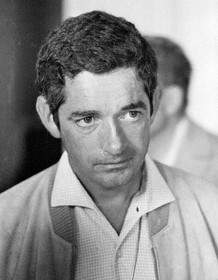
Jacques Demy
Made by

Les Films du Carrosse
Where to Watch The 400 Blows
See current US streaming, rental, and purchase options for The 400 Blows (1959) via JustWatch.

Criterion Channel
HD
HBO Max
HD
HBO Max Amazon Channel
HD
Kanopy
HD
Plex
HD
Plex Channel
HD
Shout! Factory TV
HD
Tubi TV
SD
YouTube Free
HD
Amazon Video
4K
Apple TV Store
4K
Fandango At Home
SD
Google Play Movies
SD
YouTube
SD Streaming availability powered by 
The 400 Blows Plot Summary
Read the complete plot summary and ending explained for The 400 Blows (1959). From turning points to emotional moments, uncover what really happened and why it matters.
Antoine Doinel is a restless, impressionable boy growing up in the bustling streets and crowded classrooms of Paris, where the world often seems louder than his own thoughts. The film follows his struggle to claim a little independence as he drifts between home and school, frequently skipping classes and slipping away from the expectations that pile up around him. A misread by adults shadows his days: a stern teacher who chastises him for mischief that feels more like a cry for attention, from chalk-dusted walls to the suspicion of plagiarism, all while Antoine quietly loves Balzac and clings to a deeper, more literary sense of self. In a revealing moment, he pours memories into a school essay about “the death of my grandfather,” a close, almost Balzac-esque echo that hints at a heartache he can barely name.
To fund a fleeting dream of escape, he seizes a Royal typewriter from his stepfather’s workshop. The plan falters when he cannot sell it, and his attempt to return the machine leads to his arrest. The consequences unfold rapidly: the stepfather hands him over to the police, and Antoine spends a night behind bars, sharing a cell with people on the fringes of society. The experience becomes a crucible: a judge’s interview acts as a pivotal moment, and a revelation from his mother—that her husband might not be his biological father—adds another layer of confusion and pain. This sequence marks a transition from childhood defiance to a struggle for belonging.
Placed in an observation center for troubled youths near the sea, Antoine encounters a clinical world that seeks to diagnose his unhappiness. A psychologist probes the reasons behind his restlessness, and through a series of brief, fractured monologues, the young boy lays bare his inner turmoil, fears, and longings. The narrative’s structure mirrors his mind: episodic, introspective, and charged with the tension between exterior behavior and interior life. In this setting, the film invites us to listen to the gaps between action and thought, to hear what a child cannot always say aloud.
On a brighter but fragile note, the story returns to a moment of play—Antoine and the other boys on the football field—before he again slips away, this time toward the sea. He crawls over a fence and follows a lifelong curiosity to glimpse the ocean, a horizon he has long imagined but never seen up close. He reaches the shoreline, and there, drawn by the water’s pull, he wades into the sea with a sense of pursuit and release. The film closes on a stark, unforgettable freeze-frame: Antoine’s face fills the frame as the image zooms in, and the camera seems to demand that we confront the face behind the name, the quiet, searching gaze that remains suspended between possibility and uncertainty. In this ending, the film leaves a lingering impression of a boy standing at the edge of the world, listening to the pull of life beyond the frame.
The 400 Blows Timeline
Follow the complete movie timeline of The 400 Blows (1959) with every major event in chronological order. Great for understanding complex plots and story progression.
Antoine's Paris childhood and restlessness
Antoine Doinel grows up in Paris, where he is frequently misunderstood by his parents. He skips school, steals, and runs away from both home and school. The environment around him fuels his restlessness and curiosity about life.
School discipline and Balzac affection
A strict teacher accuses him of disciplinary problems and plagiarizing Balzac; Antoine loves Balzac and writes about the death of his grandfather in a close paraphrase during a school essay. This act fuels the teacher's anger and intensifies his truancy. The clash between authority and his desire for freedom pushes him further from school.
Stealing the Royal typewriter
To fund his plan to leave home, Antoine steals a Royal typewriter from his stepfather's workplace. He cannot sell it and is caught trying to return it, which leads to more trouble. This impulsive theft marks a turning point toward imminent police involvement.
Turned over to the police and jail
The stepfather hands Antoine over to the police, and he spends the night in jail. He shares a cell with prostitutes and thieves, experiencing the harsh reality of incarceration. This night becomes a pivotal moment in his understanding of judgment and control over his life.
Mother's confession and the judge
During an interview with a judge, Antoine's mother confesses that her husband is not his biological father. The revelation compounds the sense of instability in his home life. The scene advances the legal processing of his case and his uncertain future.
Placed in an observation center near the sea
Antoine is placed in an observation center for troubled youths near the seashore, at his mother's wish. The facility frames the next phase of his life and provides a lens into his inner turmoil. The proximity to the sea underscores his longing for freedom.
The psychologist's inquiry and Antoine's monologues
A psychologist at the center tries to uncover the causes of Antoine's unhappiness. The youth speaks in fragmented monologues that reveal his inner world and emotions. These sessions expose a mind seeking a way out of confusion.
Football and a bold escape
While playing football with the other youths, Antoine escapes the routine of the center by slipping under a fence. The act shows his impulse to seize control of his fate. The moment foreshadows the final flight toward the sea.
The journey to the ocean
Antoine runs away to the ocean, a lifelong dream he has carried with him. He finally reaches the shoreline and enters the water, pursuing his own sense of belonging and freedom. The act embodies his longing to break from constraints.
The freeze-frame ending
The film concludes with a freeze-frame of Antoine as he looks toward the camera, followed by an optical zoom into his face. The moment leaves his fate open and emphasizes the mystery of adolescence. It frames his gaze as a question to the viewer.
The 400 Blows Characters
Explore all characters from The 400 Blows (1959). Get detailed profiles with their roles, arcs, and key relationships explained.
Antoine Doinel (Jean-Pierre Léaud)
A clever, sensitive, and restless boy who tests boundaries and dreams of freedom. He is capable of tenderness yet acts impulsively when he feels misunderstood or constrained. His experiences in school, home, and the streets reveal a persistent hunger for autonomy and recognition.
Gilberte Doinel (Claire Maurier)
Antoine's mother, a protective and strained figure who tries to keep the family together amid hardship. Her revelation about the paternal link adds emotional complexity to their relationship. Her care is tempered by the pressures of daily life and a sense of helplessness.
Julien Doinel (Albert Rémy)
The father figure in Antoine's life, whose relationship with his son and with Gilberte is shaped by tension and ambiguity. He embodies the adult world that Antoine struggles to navigate, often lacking the understanding he seeks.
The Judge (Claude Mansard)
A formal figure who represents the legal and institutional response to Antoine's behavior. His involvement marks a turning point where the child’s fate is placed in a system that may overlook the root causes of his unhappiness.
The 400 Blows Settings
Learn where and when The 400 Blows (1959) takes place. Explore the film’s settings, era, and how they shape the narrative.
Location
Paris, France, Coastal seashore observation center
The story unfolds in Paris, a dense urban backdrop where Antoine's life unfolds—from classrooms to crowded streets and home. A nearby coastal observation center by the sea features as a key location when authorities try to understand his unhappiness. The seaside sequences contrast city confinement with a distant, hopeful horizon that tempts Antoine to escape.
The 400 Blows Themes
Discover the main themes in The 400 Blows (1959). Analyze the deeper meanings, emotional layers, and social commentary behind the film.
🧒
Coming of Age
Antoine confronts the strict boundaries of adult authority as he navigates school, home, and the streets. His impulsive acts and evasive explanations reveal a child seeking autonomy in a world that views him as troubled. The narrative tracks his emotional growth and vulnerability as he grapples with belonging and identity.
👮
Authority and Repression
Teachers, law enforcement, and guardians consistently challenge Antoine, often misreading his motives. The film critiques how institutions respond to the pains of adolescence, sometimes offering punishment rather than understanding. The judge's involvement foregrounds the power dynamics between a child and the adult world.
🕊️
Freedom and Escape
Antoine's constant running and his final approach to the sea symbolize a longing for liberation from confinement. The ocean represents a barely reachable horizon where freedom feels possible yet fragile. The freeze-frame ending emphasizes the unresolved nature of a young life in search of escape.
📚
Literature and Imagination
Literary references, especially Balzac, fuel Antoine's imagination while also becoming a point of conflict with authority. The misinterpretation of his Balzac-inspired essay shows the tension between creative expression and adult criticism. Literature serves both as solace and a source of friction in his world.
🧬
Family and Paternity
A mother’s confession that the husband is not Antoine's biological father adds emotional weight to his sense of belonging. This revelation complicates family bonds and amplifies his feeling of misfit within the home. The dynamic with his mother and the adult figures around him deepens the exploration of family, love, and identity.

Coming soon on iOS and Android
The Plot Explained Mobile App
From blockbusters to hidden gems — dive into movie stories anytime, anywhere. Save your favorites, discover plots faster, and never miss a twist again.
Sign up to be the first to know when we launch. Your email stays private — always.
Explore the mobile appThe 400 Blows Spoiler-Free Summary
Discover the spoiler-free summary of The 400 Blows (1959). Get a concise overview without any spoilers.
In the vibrant yet indifferent landscape of Paris, Antoine Doinel navigates the turbulent waters of adolescence with a quiet, restless spirit. The film opens a window into his daily life, capturing the profound disconnect between a sensitive, literary soul and the rigid, often hostile environment of the classroom. He is a boy defined by a search for connection, drifting through a world that seems to value discipline over understanding. While he finds fleeting moments of joy and kinship with his friend René, a pervasive sense of isolation follows him, turning the bustling city into a series of closed doors and harsh judgments.
At home, the atmosphere offers little respite. Antoine exists between parents who are largely neglectful and a school system quick to label him a troublemaker. His acts of defiance—skipping classes and slipping away from expectations—are less about malice and more about a desperate bid for attention and autonomy. The film paints a poignant portrait of a child misunderstood by the adults in his life, from a teacher who mistakes mischief for insolence to a mother whose affection is distant and conditional. It is a delicate, observational study of a young mind clinging to a sense of self when the world refuses to see him clearly.
As Antoine’s small rebellions escalate, the narrative shifts from childhood mischief to a more serious confrontation with the adult world. A failed attempt to secure a bit of freedom lands him in the crosshairs of a cold judicial system, setting him on a path toward juvenile court. This transition highlights the fragility of his existence, where a single mistake can irrevocably alter a young life. The story becomes a meditation on the gap between a child’s intent and an adult’s interpretation, asking the audience to look beyond the surface of a “troubled youth” to the heartbreak beneath.
Ultimately, the film is a timeless exploration of the struggle to belong. It captures the raw experience of a child feeling his way through a society that offers little guidance and less forgiveness. As the pressures of his environment mount, the story leaves a lingering sense of urgency, inviting viewers to confront the gaze of a boy standing on the edge of the world. It is a haunting, unforgettable look at the quiet desperation of youth and the enduring human need to be seen and understood.
Movies with Similar Twists and Themes
Uncover films that echo the narrative beats, emotional arcs, or dramatic twists of the one you're exploring. These recommendations are handpicked based on story depth, thematic resonance, and spoiler-worthy moments — perfect for fans who crave more of the same intrigue.


Featured on this page

What's After the Movie?
Not sure whether to stay after the credits? Find out!
Check out our other apps:

SAT Sphere
Build confidence for the Digital SAT.

Mori Atlas
Discover wild places worth protecting.

Luntero
Search smarter for a home in Amsterdam.

Plot Explained
Unravel movie endings and hidden clues.

Pokechamp
Dive into Pokémon data and battle logic.

Driving Theory
Get ready for your European theory test.

Movie Dust
Plan your next cinema trip with ease.

Musemap
Find art and culture as you travel.

Selkobase
Compare credentials before committing.

Local Manual
Turn an unfamiliar country into practical next steps.

Lernavi
Compare school systems before your next move.

GymRoam
Find a workout stop wherever your plans take you.
Explore Our Movie Platform
New Movie Releases (2026)
Famous Movie Actors
Top Film Production Studios
Movie Plot Summaries & Endings
Major Movie Awards & Winners
Best Concert Films & Music Documentaries
Movie Collections and Curated Lists
© 2026 What's After the Movie. All rights reserved.
Privacy Policy