The 400 Blows 1959



Antoine Doinel, a Parisian boy, endures hardships under the indifference of his neglectful parents and school officials. He spends his free time with his friend René, devising plans to escape their bleak surroundings, feeling hopeless. A failed scheme lands Antoine in juvenile court, intensifying his clash with uncaring authority figures.


Does The 400 Blows have end credit scenes?
No!
The 400 Blows does not have end credit scenes. You can leave when the credits roll.
Where to Watch The 400 Blows
See current US streaming, rental, and purchase options for The 400 Blows (1959) via JustWatch.

Criterion Channel
HD
HBO Max
HD
HBO Max Amazon Channel
HD
Kanopy
HD
Plex
HD
Plex Channel
HD
Shout! Factory TV
HD
Tubi TV
SD
YouTube Free
HD
Amazon Video
4K
Apple TV Store
4K
Fandango At Home
SD
Google Play Movies
SD
YouTube
SD Streaming availability powered by 
Meet the Full Cast and Actors of The 400 Blows
Explore the complete cast of The 400 Blows, including both lead and supporting actors. Learn who plays each character, discover their past roles and achievements, and find out what makes this ensemble cast stand out in the world of film and television.
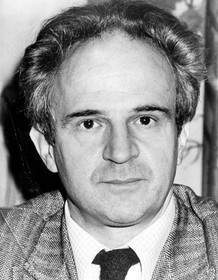
François Truffaut
Man in Funfair (uncredited)

Jeanne Moreau
Woman with Dog
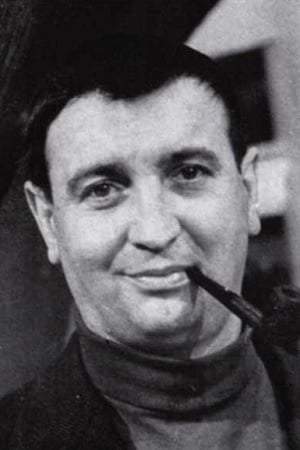
Albert Rémy
Julien Doinel

Claire Maurier
Gilberte Doinel

Jean Douchet
Gilberte's Lover (uncredited)
Jean-Luc Godard
(voice)(uncredited)
Jean-Pierre Léaud
Antoine Doinel
Jean-Claude Brialy
Man in Street
Charles L. Bitsch
Police Officer (uncredited)
Louise Chevalier
Gossip (uncredited)
Henri Virlogeux
The Nightguard
Pierre Repp
English Teacher
Serge Moati
Child
Laure Paillette
A Gossip (uncredited)
Claude Mansard
The Judge
Luc Andrieux
Gym Teacher
Christian Brocard
The Typewriter Crook
Patrick Auffay
René
Guy Decomble
French Teacher
Yvonne Claudie
Mme Bigey
Jacques Monod
The Police Commissioner
Robert Beauvais
Director of the school
Marius Laurey
Inspector Cabanel
François Nocher
Child
Richard Kanayan
Child
Georges Flamant
Mr. Bigey
Renaud Fontanarosa
Child
Daniel Couturier
Betrand Mauricet
Michel Girard
Child
Bernard Abbou
Child
Jean-François Bergouignan
Child
Michel Lesignor
Child
Bouchon
Armand Coppello
Little Bit (uncredited)
Marianne Girard
(uncredited)
Simon Jolivet
(uncredited)
Gérard Van Ruymbeke
Child (uncredited)
External Links and Streaming Options
Discover where to watch The 400 Blows online, including streaming platforms, rental options, and official sources. Compare reviews, ratings, and in-depth movie information across sites like IMDb, TMDb, Wikipedia or Rotten Tomatoes.







Full Plot Summary and Ending Explained for The 400 Blows
Read the complete plot summary of The 400 Blows, including all major events, twists, and the full ending explained in detail. Explore key characters, themes, hidden meanings, and everything you need to understand the story from beginning to end.
Antoine Doinel is a restless, impressionable boy growing up in the bustling streets and crowded classrooms of Paris, where the world often seems louder than his own thoughts. The film follows his struggle to claim a little independence as he drifts between home and school, frequently skipping classes and slipping away from the expectations that pile up around him. A misread by adults shadows his days: a stern teacher who chastises him for mischief that feels more like a cry for attention, from chalk-dusted walls to the suspicion of plagiarism, all while Antoine quietly loves Balzac and clings to a deeper, more literary sense of self. In a revealing moment, he pours memories into a school essay about “the death of my grandfather,” a close, almost Balzac-esque echo that hints at a heartache he can barely name.
To fund a fleeting dream of escape, he seizes a Royal typewriter from his stepfather’s workshop. The plan falters when he cannot sell it, and his attempt to return the machine leads to his arrest. The consequences unfold rapidly: the stepfather hands him over to the police, and Antoine spends a night behind bars, sharing a cell with people on the fringes of society. The experience becomes a crucible: a judge’s interview acts as a pivotal moment, and a revelation from his mother—that her husband might not be his biological father—adds another layer of confusion and pain. This sequence marks a transition from childhood defiance to a struggle for belonging.
Placed in an observation center for troubled youths near the sea, Antoine encounters a clinical world that seeks to diagnose his unhappiness. A psychologist probes the reasons behind his restlessness, and through a series of brief, fractured monologues, the young boy lays bare his inner turmoil, fears, and longings. The narrative’s structure mirrors his mind: episodic, introspective, and charged with the tension between exterior behavior and interior life. In this setting, the film invites us to listen to the gaps between action and thought, to hear what a child cannot always say aloud.
On a brighter but fragile note, the story returns to a moment of play—Antoine and the other boys on the football field—before he again slips away, this time toward the sea. He crawls over a fence and follows a lifelong curiosity to glimpse the ocean, a horizon he has long imagined but never seen up close. He reaches the shoreline, and there, drawn by the water’s pull, he wades into the sea with a sense of pursuit and release. The film closes on a stark, unforgettable freeze-frame: Antoine’s face fills the frame as the image zooms in, and the camera seems to demand that we confront the face behind the name, the quiet, searching gaze that remains suspended between possibility and uncertainty. In this ending, the film leaves a lingering impression of a boy standing at the edge of the world, listening to the pull of life beyond the frame.

Coming soon on iOS and Android
The Plot Explained Mobile App
From blockbusters to hidden gems — dive into movie stories anytime, anywhere. Save your favorites, discover plots faster, and never miss a twist again.
Sign up to be the first to know when we launch. Your email stays private — always.
Explore the mobile appWatch Trailers, Clips & Behind-the-Scenes for The 400 Blows
Watch official trailers, exclusive clips, cast interviews, and behind-the-scenes footage from The 400 Blows. Dive deeper into the making of the film, its standout moments, and key production insights.
The 400 Blows Themes and Keywords
Discover the central themes, ideas, and keywords that define the movie’s story, tone, and message. Analyze the film’s deeper meanings, genre influences, and recurring concepts.

Unlock the World of Movies with Our Comprehensive Wiki
Dive into our Movie Wiki for in-depth film encyclopedia entries, including cast biographies, production trivia, plot synopses, behind-the-scenes facts, and thematic analyses. Whether you’re researching iconic directors, exploring genre histories, or discovering hidden easter eggs, our expertly curated movie database has everything you need to fuel your cinematic passion.

Similar Movies To The 400 Blows You Should Know About
Browse a curated list of movies similar in genre, tone, characters, or story structure. Discover new titles like the one you're watching, perfect for fans of related plots, vibes, or cinematic styles.




Quick Links: Summary, Cast, Ratings, More

What's After the Movie?
Not sure whether to stay after the credits? Find out!
Check out our other apps:

SAT Sphere
Build confidence for the Digital SAT.

Mori Atlas
Discover wild places worth protecting.

Luntero
Search smarter for a home in Amsterdam.

Plot Explained
Unravel movie endings and hidden clues.

Pokechamp
Dive into Pokémon data and battle logic.

Driving Theory
Get ready for your European theory test.

Movie Dust
Plan your next cinema trip with ease.

Musemap
Find art and culture as you travel.

Selkobase
Compare credentials before committing.

Local Manual
Turn an unfamiliar country into practical next steps.

Lernavi
Compare school systems before your next move.

GymRoam
Find a workout stop wherever your plans take you.
Explore Our Movie Platform
New Movie Releases (2026)
Famous Movie Actors
Top Film Production Studios
Movie Plot Summaries & Endings
Major Movie Awards & Winners
Best Concert Films & Music Documentaries
Movie Collections and Curated Lists
© 2026 What's After the Movie. All rights reserved.
Privacy Policy