What Is Terminal Entry About?
The premise of Terminal Entry in 297 words, with nothing given away. The full story follows below.
In a quiet college town, a tight‑knit circle of high‑school friends spends a weekend away from campus, hoping to break the password on a mysterious new bulletin‑board program called Terminal Entry. The group—led by the quick‑witted Bob and buoyed by the eccentric tech‑goddess Lady Electric—views the challenge as a harmless extension of their endless online marathons. Their dynamic mixes rivalry, camaraderie, and a shared curiosity that blurs the line between game and reality, setting a tone that is equal parts suspenseful and subtly humorous. As they delve deeper, the seemingly abstract puzzles begin to echo an unsettling presence beyond the dormitory walls.
Parallel to the teens’ digital escapades, a seasoned anti‑terror unit watches the nation’s networks for any sign of danger. Colonel Styles and Captain Jackson lead a small but elite team, balancing bureaucratic skepticism with an acute awareness that modern threats can hide behind the glow of a screen. Their world is a disciplined counterpoint to the students’ reckless enthusiasm, underscored by a gritty, procedural atmosphere that hints at larger stakes without revealing them. The tension between the two spheres—youthful experimentation and covert security operations—creates a steady, measured pulse that drives the film’s mood.
The premise hinges on the accidental convergence of these two worlds: an innocent‑looking, satellite‑linked computer system that the friends believe is just another puzzle, and a sophisticated terrorist cell that uses the same network for far‑more ominous purposes. As the weekend unfolds, the line between virtual commands and real‑world consequences begins to waver, prompting both the teenagers and the government agents to confront the unsettling possibility that a game can ripple out into the wider world. The film maintains a tone of cautious curiosity, exploring how the thirst for knowledge and the lure of competition can awaken forces far beyond anyone’s imagination.
What Happens in Terminal Entry?
The complete story of Terminal Entry, from the first scene to the last, in 976 words (about 4 minutes). Spoilers throughout. Names in the text link to 8 cast member pages.
Spoilers ahead
The film opens with Lady Electric, Barbara Edwards, and Bob Patrick Labyorteaux as they sprint through a dim dormitory hallway, chased into an elevator where it seems they fall to their deaths, only for Bob to snap out of his daydream at the last moment. He awakens to the unsettling realization that his friends have already fallen to the same fate in the latest round of their eerie digital game. The group has been absorbed in a string of high-stakes challenges on the Outlaw BBS, each more perilous than the last, and the newest title, Terminal Entry, arrives behind a stubborn password gate that promises to test their wits like never before. The sense that the line between fantasy and danger is dangerously thin hangs over the room as they discuss their plan to tackle the locked game from a mountain weekend retreat, with Tom determined to crack the password during what should be a quiet escape from campus life.
On the political front, Colonel Styles Yaphet Kotto and Captain Jackson Edward Albert convene a video-linked briefing with General Stewart, presenting concerns about a terrorist threat that could spill beyond borders if not contained. The general’s skepticism about extra manpower pushes him to fly out and take command personally, a decision that sets the stage for a dangerous confrontation. In a parallel thread of tension, the terrorist network commander Kabir Bedi watches a televised interview with General Stewart, where Dominique Tracy Brooks Swope reports from the field. The commander decides to target the general, a plan that is narrowly averted when Captain Jackson acts with resolve to guard the general as he checks into a hotel.
Back at the dorm, the Caltech students feel the sting of another setback in their game marathon, nearly ready to give up on Terminal Entry. Then Gwen Jill Terashita steps in and breaks through with a single, decisive command, nearly astonishing the others with how quickly she unlocks a pathway they couldn’t crack before. The terrorist commander is reminded by his own leadership that their operation must unfold within a tight schedule, and he is given a precise initiation window that heightens the stakes for everyone involved. Meanwhile, the Army anti-terrorist unit makes progress by tracing the terrorist network to a bulletin board system, and they assume a covert identity—posing as Hassan Michael Saad—to gather intelligence, a move that unsettles Captain Jackson who has to reconcile his professional duties with the personal cost of an order to eliminate Dominique.
As the weekend unfolds, the teenagers’ attempts to brute-force Terminal Entry falter, and the situation escalates to a point where Bob’s accidental keystroke becomes a turning point. He knocks a Twinkie onto the keyboard, an oddly comic moment that yields a string of numbers—5.9.125.35 1/5.25.35—that Gwennish luck and a bit of chance reveal as the secret password to Terminal Entry. What follows is not a game but a complex, living program: the six students discover a sophisticated computer system that seems to respond to their commands in real time, a discovery that blurs the boundary between their online adventures and the real world they inhabit.
The Army unit closes in on the terrorists’ operational base—a desert warehouse—and moves to seize the command post. The six students are compelled to take command within the simulated arena, and the commands they issue in play manifest as actual bombings, assassinations, and other terrorist acts that ripple across the world. A Russian peace delegate is suddenly endangered, an oil refinery in Los Angeles becomes a focal point of crisis, airplanes depart from Lisbon in ominous synchrony, and the heroes themselves become targets of the escalating war. In the tense cascade of events, Bob finds himself on a hit list he didn’t fully understand, and Operator 23 is dispatched before the group can reverse course. A malfunctioning car forces them back to the house, where they arm themselves in the face of looming danger, while the terrorist threat grows more personal and immediate by the minute.
Night falls, and a determined wave of terrorists descends on the house. Yet the anti-terrorist unit is one step ahead, executing a bold rescue that brings the kids to safety and begins the process of eradicating the immediate threat. In the heat of the firefight, Bob, guided by the imagined voice of Lady Electric, urges himself to return inside and enter his initials into the computer as the ultimate winner, a symbolic act that ties his daydreams to a tangible victory. Even with the terrorists defeated and the children saved, the film closes on a somber note: Captain Jackson [Edward Albert] and Colonel Styles [Yaphet Kotto] acknowledge that the war is far from over, and the danger of a world where games can bleed into reality remains very real.
Throughout the story, the tension between cyberspace and real-world peril is treated with a steady, measured tone that avoids melodrama while highlighting the characters’ resilience. The shifting loyalties, high-stakes missions, and the unsettling idea that a game could command real violence create a mood that is both suspenseful and thought-provoking. The performances—from the confident leads to the watchful authority figures—are grounded in a sense of plausible danger, and the climactic sequence emphasizes teamwork, quick thinking, and the uneasy truth that even small acts of curiosity can ripple outward in unpredictable, dangerous ways.
The narrative keeps a sharp focus on the balance between intellect and action, using the web-based intrigue as a lens to explore how technology can amplify or distort human intent. The film’s finale leans into a cautious optimism: even as the immediate threat is neutralized and the kids are saved, the human costs of the conflict and the ongoing specter of future confrontations remain, inviting viewers to consider the responsibilities that come with power, knowledge, and the strange, thrilling possibility that a game can become something far more consequential.
Terminal Entry Timeline: Every Key Event in Order
15 key events in the order they happen, from “Opening chase and dream foreshadowing” to “Ending note: war is not over”. 15 events name a place, across 12 locations.
- 1
Opening chase and dream foreshadowing
The film opens with Lady Electric and Bob being chased through a corridor, ending with them plunging into an elevator. Bob snaps out of his daydream at the last second. He later learns that his friends have also 'lost' the game in the same deadly fashion, foreshadowing the real-world consequences of their hacking.
Where:Caltech dorm
- 2
Terminal Entry password challenge
Back in the dorm, the Caltech students crave another game and discover Terminal Entry is password protected. Tom resolves to crack the password and run the game during a weekend trip to the mountains. They suspect the password scheme was set up by MIT members, fueling their determination.
Where:Caltech dorm room
- 3
Brass briefings on a terrorist threat
Colonel Styles and Captain Jackson inform General Stewart of the terrorist situation via video conference and request additional personnel to bolster the border. The General, skeptical of a quick solution, decides to fly out to take command personally.
Where:Video conference
- 4
Terrorist plan targets the General
The terrorist network commander watches a news interview of General Stewart and vows to strike him. The plan is nearly foiled when Captain Jackson escorts the general, interrupting the assassination attempt at the hotel.
Where:Hotel
- 5
Gwen defeats Dr. Fly
Back at the dorm, Gwen, invited to the weekend retreat, defeats the computer game 'Dr. Fly' with a single command. Her win unsettles the group and shows that a nonchalant approach to games can still outsmart the system. The moment also signals the growing skill of the teenagers with technology.
Where:Caltech dorm room
- 6
Terrorist leadership sets a timeframe
The terrorist commander, in a video conference with his leader, reminds them of the stakes and sets an initiation timeframe for their coordinated attack. They outline the targets and the urgency of their plan.
Where:Terrorist command post
- 7
Army locates the terrorist network
The Army anti-terrorism unit makes progress by locating the terrorist network's bulletin board system through searches of known listings. To infiltrate, they pose as Hassan, the operative the team had killed earlier, sparking internal conflict for Dan Jackson over orders.
Where:Desert communications facility
- 8
Weekend hush-hush: terminal access attempt
During the weekend getaway, the six teenagers fail to crack Terminal Entry through brute force. The mounting pressure and the looming threat push them to search for alternative ways in. Their persistence foreshadows a deeper connection between their play and real events.
Where:Mountain retreat
- 9
Password revealed by a snack
Bob drops a Twinkie on the keyboard, accidentally typing the numbers 5.9.125.35 and 1/5.25.35, which match Lady Electric's clues from the beginning. Access is granted, and the group discovers a complex program they mistake for a game. The moment marks a turning point where their exploration begins to blur with real consequences.
Where:Mountain retreat
- 10
Discovery of a powerful program
Inside the system, they find a powerful, complex program that appears to be a game. They interact with it, unaware of how their in-game actions will ripple into the real world. The line between virtual commands and real events begins to blur.
Where:Mountain retreat
Show the other 5 events of Terminal Entry Hide the last 5 events
- 11
In-game commands trigger real-world terror
The Army locates the terrorist command post and initiates an assault, but the six students are pulled into the action. As they play the game, their in-game commands trigger real bombings, assassinations, and acts of terrorism, including an attack on a Russian peace delegate and damage to an oil refinery in Los Angeles.
Where:Desert warehouse
- 12
Hit list and car troubles
Bob, unaware of the full impact, places the six on a hit list and Operator 23 is dispatched before countermeasures can stop them. Their car won’t start, forcing the group to retreat to the house to arm themselves. The situation escalates as the threat closes in on them.
Where:Caltech dorm / house
- 13
Night siege and rescue
Night falls as a large group of terrorists descends on the house. The anti-terrorist unit is one step ahead and rescues the kids, then proceeds to eradicate the immediate terrorist threat. The group narrowly escapes with their lives intact.
When:Night Where:Caltech dorm house
- 14
Bob completes the game, enters initials
Bob, guided by the voice of Lady Electric in his head, returns inside to put his initials into the computer as the winner. The win comes at a tense moment, reinforcing his emerging sense of agency within the chaos. The act also foreshadows the ongoing struggle beyond this victory.
Where:House
- 15
Ending note: war is not over
Even with the terrorists defeated and the kids safe, Captain Jackson and Colonel Styles acknowledge that the war is not over. The closing scene suggests further threats loom on the horizon, leaving a sense of unresolved danger.
Where:Desert command post
Who Are the Main Characters in Terminal Entry?
11 characters, among them Bob (Patrick Labyorteaux), Captain Danny Jackson (Edward Albert) and Col. Styles (Yaphet Kotto): who each one is and the part they play in the story. Every profile links to the actor’s page.
- B(
Bob (Patrick Labyorteaux)
Played by Patrick Labyorteaux
A teenage Caltech student and self-taught hacker who treats computers as toys. His daydreams fuse with reality when a password-protected game is cracked, turning imagination into dangerous consequences. He is impulsive and eager to prove himself, but the crisis forces him to confront the real stakes.
- 🧠 Prodigy
- 🕹️ Hacker
- ⚡ Impulsive
- CD
Captain Danny Jackson (Edward Albert)
Played by Edward Albert
A disciplined Army officer in charge of counter-terrorism operations during the crisis. He balances professional duty with personal stakes, including the knowledge that his girlfriend Dominique has become a target. He leads the pursuit of the terrorist network while grappling with difficult orders.
- 🛡️ Leader
- 🧭 Strategic
- 💥 Action
-
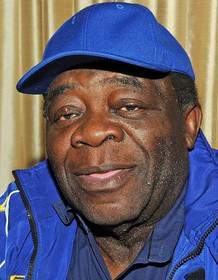
Col. Styles (Yaphet Kotto)
Played by Yaphet Kotto
A high-ranking military officer who coordinates the response to the terrorist threat. He communicates with General Stewart and marshals resources to counter attacks that unfold from a computer game turned real.
- 🎖️ Commander
- 🧭 Operational
- D(
Dominique (Tracy Brooks Swope)
Played by Tracy Brooks Swope
A television reporter and the love interest of Captain Jackson. She frames the crisis for the public and becomes entwined in the military operation as the threat escalates.
- 📰 Reporter
- ❤️ Love interest
- T(
Tom (Rob Stone)
Played by Rob Stone
One of the Caltech students who participates in the do-it-yourself cyber game. He helps monitor the network and experiences the consequences when the game’s commands begin affecting real-world events.
- 🤝 Friend
- 💡 Tech Enthusiast
- H(
Hassan (Michael Saad)
Played by Michael Saad
A terrorist character who is used as a unit to infiltrate the network; He interacts with the terrorist commander and becomes part of the plan.
- 🗡️ Terrorist
- 🕵️ Deception
- TC
Terrorist Commander (Kabir Bedi)
Played by Kabir Bedi
The network commander who orchestrates the coordinated attacks from a distant command post. He watches a news broadcast and issues orders, driving the plot’s escalation.
- 🎯 Leader
- 🗺️ Strategic
- G(
Gwen (Jill Terashita)
Played by Jill Terashita
A friend of Chris invited to the weekend retreat who helps drive the group forward. She contributes to the moments of breakthrough and tension during the game’s escalation.
- 👭 Friend
- 🧠 Curious
- H(
Howie (Sam Temeles)
Played by Sam Temeles
Another member of the Caltech group who participates in the retreat and helps with early attempts to access Terminal Entry.
- 👦 Student
- 🧭 Curious
- A(
Abdul (Mazhar Khan)
Played by Mazhar Khan
A terrorist figure among the group; he contributes to the threat and is part of the plan.
- 🗡️ Fighter
- 🧨 Terrorist
- LE
Lady Electric (Barbara Edwards)
Played by Barbara Edwards
A personification inside Bob’s mind who guides him and pushes him to enter his initials into the computer, effectively making him the winner.
- 🗣️ Voice
- 💡 Imagination
Where and When Is Terminal Entry Set?
Terminal Entry is set in Caltech Campus, Pasadena, California, Desert Command Warehouse, Middle of the… (1980s). Here is why the time and place matter to the story.
When
1980s
The plot unfolds in a late Cold War era marked by dial-up BBS culture and password-protected games. Technology on the edge of mainstream use drives the conflict, with authorities scrambling to counter threats born from digital play. The setting blends campus life with escalating security concerns, creating a tense, era-appropriate atmosphere.
Where
Caltech Campus, Pasadena, California, Desert Command Warehouse, Middle of the Desert, Mountain Weekend Retreat, Mountains
The action centers on the Caltech campus and its dorm rooms, where the students’ game begins. It shifts later to a desert warehouse that serves as the terrorist command post, highlighting a stark contrast between academic life and real-world danger. A weekend mountain retreat frames the story’s backdrop, emphasizing the proximity of danger to everyday life.
- 🎓 Academic
- 🏜️ Desert
- 🗺️ Travel/Setting
What Are the Themes of Terminal Entry?
3 ideas the story keeps returning to, among them Technology as Weapon, Moral Consequences and Hacker Ethic vs Terrorism.
-
01
Technology as Weapon
A seemingly harmless online game spills into reality as commands issued by the students cause real-world bombings and assassinations. The line between play and violence blurs, forcing adults to react to consequences they barely understand. The film questions who bears responsibility when digital power is weaponized.
-
02
Moral Consequences
The six students seek amusement, only to discover lives are at stake. Bob and his friends realize their actions can escalate into a broader conflict beyond their control. Authority figures must intervene to stop a threat that originated as a prank but grew into a deadly crisis.
-
03
Hacker Ethic vs Terrorism
Youthful curiosity collides with organized violence, raising questions about ethical hacking and accountability. The students’ competence becomes dangerous when safeguards fail and a terrorist network exploits the moment. The anti-terrorism unit rescues them, but the victory carries a warning that the war is far from over.
What Kind of Film Is Terminal Entry?
Tense in tone, with fast pacing and a moderate story, going by the plot summary.
- Tone
- Tense
- Pacing
- Fast
- Story
- Moderate
- Intensity
- High
- Ending
- Bittersweet
A fast-paced and tense thriller where a group of tech-savvy teenagers accidentally trigger a global terrorist crisis, blending high-stakes action with the unsettling realization that a game can bleed into deadly reality.
- tense
- anxious
- suspenseful
- paranoid
- thought-provoking
- urgent
- unintended consequences
- technology and danger
- terrorism
- coming of age
Content notes: terrorism, bombings, assassination, child endangerment.
Quiz
How well do you remember Terminal Entry? Test yourself on the story.