
Ted Bundy 2002


Directed by

Matthew Bright
Made by

First Look International
Where to Watch Ted Bundy
See current US streaming, rental, and purchase options for Ted Bundy (2002) via JustWatch.

fuboTV
HD
Howdy Amazon Channel
HD
Fawesome
HD
The CW
SD
Fandango at Home Free
SD
Plex
HD
Plex Channel
HD
Pluto TV
SD
The Roku Channel
HD
Tubi TV
SD
Xumo Play
HD
YouTube Free
HD
Apple TV Store
SD
Google Play Movies
SD
YouTube
SD Streaming availability powered by 
Ted Bundy Plot Summary
Read the complete plot summary and ending explained for Ted Bundy (2002). From turning points to emotional moments, uncover what really happened and why it matters.
In 1974, Ted Bundy is a bright, ambitious law student at the Seattle University School of Law who juggles a long-term girlfriend, Lee, with a part-time job at a local crisis center. On the surface, he seems charming and capable, but underneath lies a dangerous psychology. He cultivates a chilling ease with cruelty, engaging in stalking, voyeurism, and petty theft. Fueled by a hidden compulsion, he gathers the nerve to commit his first lust murder, killing one of his hotline callers and violating her corpse. What follows is a systematic pattern of predation: breaking into the homes of young women, or luring them to his car by faking disabilities or impersonating a police officer. He incapacitates and abducts his victims, drives them to a location with no escape, and commits acts of rape and murder. His intimate knowledge of law enforcement and legal tactics, honed in school, helps him avoid the kind of offender profiles that might otherwise fit him. Yet investigators begin to piece together the puzzle, aided by facial composites and the public’s memory of a nickname.
In 1975, a narrow escape by another driver saves Tina Gabler when Bundy’s moving car targets her. Based on Tina’s description of his car, a Utah Highway Patrol officer stops him, and a search reveals a rape kit in his trunk. Tina testifies at Bundy’s kidnapping trial, and the jury convicts him. Authorities quickly connect the dots, confirming that he is the serial killer they have been tracking. Bundy insists the charges involve multiple murders, but he argues that the evidence is insufficient for a conviction on those counts. Lee, confronted with the consequences of his dangerous duplicity, ends their relationship as the net tightens around him.
In 1977, Bundy represents himself at his trial and gains access to the Pitkin County Courthouse’s law library. He makes a dramatic escape by leaping from an upper-story window, a bold move that shocks everyone. Six days later, after attempting an auto theft at Aspen Mountain, he is arrested and sent back to custody. Months later, he escapes again and earns a place on the FBI’s Ten Most Wanted Fugitives list, transforming his flight into a national chase.
The following year, Bundy relocates to Tallahassee, Florida, and continues his murderous campaign. He assaults four women in Florida State University’s Chi Omega sorority house, killing two of them. About a month later, he rapes and murders 12-year-old Suzanne Bruster. He is quickly caught and beaten by a Pensacola police officer, a brutal reminder of the peril he leaves in his wake.
Bundy is tried in Dade County Circuit Court and sentenced to death in the electric chair at Florida State Prison. Over the next decade, he files several appeals that delay the execution, but each is denied. On the day of his execution, he is dragged from his cell to the death chamber and executed in front of the victims’ families; the executioner is revealed to be a young woman. As Lee watches the news coverage with her husband, she asks the lingering question that haunts the film’s ending: > Who was Ted Bundy?
Ted Bundy Timeline
Follow the complete movie timeline of Ted Bundy (2002) with every major event in chronological order. Great for understanding complex plots and story progression.
Ted's double life begins
Ted Bundy is a law student at Seattle University and works at a crisis center, while maintaining a long-term girlfriend, Lee. He hides his sadistic impulses as he begins his killing spree, starting with the murder of a hotline caller and violating her body. He soon escalates to breaking into homes, luring victims to his car or through deception, and abducting and murdering them, all while using his knowledge of law enforcement to evade detection.
First wave of killings expands
He habitually breaks into the homes of young women and lures them to his car by faking disabilities or impersonating a police officer. He incapacitates, abducts, and drives them to a location where escape is impossible, where he rapes and murders them. He evades authorities because of his knowledge of law enforcement and his ability to avoid fitting offender profiles; witnesses circulate facial composites and his nickname.
Tina Gabler's escape sparks arrest
In Murray, Utah, 1975, Tina Gabler escapes from Bundy's moving car and is rescued by another driver. Months later, based on her description, a Utah Highway Patrol officer stops Bundy, arresting him and finding a rape kit in his trunk. Tina testifies against Bundy, and he is convicted of kidnapping; authorities recognize the ongoing serial-killer pattern, while Bundy tells Lee that charges cover multiple murders and predicts he won't be convicted.
Tina's testimony and Bundy convicted of kidnapping
Ted testifies at his trial and is convicted of kidnapping. Authorities are alerted and investigate further, ultimately concluding he is the serial killer they have been seeking. Ted tells Lee that the charges are for multiple murders, but claims there is no hard evidence and that he will never be convicted, prompting Lee to end the relationship.
Trial in Aspen and courtroom escape
In 1977, Bundy represents himself at his trial and gains access to the Pitkin County Courthouse law library. He promptly escapes by jumping from an upper-story window.
Aspen Mountain auto theft attempt and recapture
Six days after the escape, Bundy attempts auto theft at Aspen Mountain and is arrested, returning him to prison.
Second escape and FBI Most Wanted
Months later, Bundy escapes again and becomes one of the FBI's Ten Most Wanted Fugitives.
Florida spree begins: Chi Omega attacks
Bundy relocates to Florida and, in Tallahassee, begins a murder spree, assaulting four women at the Chi Omega sorority house and killing two of them.
Rape and murder of Suzanne Bruster
Over a month later, Bundy rapes and murders 12-year-old Suzanne Bruster. Shortly after, he is arrested and beaten by a Pensacola police officer.
Death sentence in Florida
He is tried at Dade County Circuit Court and sentenced to death in the electric chair at Florida State Prison. The trial presents the state’s case for multiple murders and seals Bundy’s fate with a death sentence.
A decade of appeals
Over the next ten years, Bundy makes several appeals that delay the execution, but he loses each one. The legal process stretches on as his sentence hangs over him.
Execution day
On the day of his execution, Bundy is dragged from his cell to the death chamber and executed in the electric chair at Florida State Prison. His execution is witnessed by the victims' families, and the executing officer is a young woman.
Aftermath and a haunting question
As Lee watches the news coverage with her husband, she wonders who he really was. The ending leaves the question hanging about his true nature and how a person like Bundy could exist alongside the life she believed she knew.
Ted Bundy Characters
Explore all characters from Ted Bundy (2002). Get detailed profiles with their roles, arcs, and key relationships explained.
Ted Bundy
A law student whose outward charm masks a sadistic, calculating killer. He stalks, impersonates authorities, abducts, rapes, and murders his victims, exploiting his legal knowledge to avoid early detection. His actions span multiple states, revealing a pattern of calculated violence and deceit.
Lee
Ted's long-term girlfriend who gradually discovers his guilt as charges mount. Their relationship dissolves as she confronts the terrifying truth and the danger he poses to others. Her perspective provides a human lens on the impact of Bundy's crimes on loved ones.
Tina Gabler
One of Bundy's intended victims who escapes during a car incident and later testifies at his trial. Her survival and willingness to share details contribute to the identification and conviction of Bundy.
Ted Bundy Settings
Learn where and when Ted Bundy (2002) takes place. Explore the film’s settings, era, and how they shape the narrative.
Time period
1970s
Primarily set between 1974 and 1977, the film follows Bundy's escalating crime spree across multiple states. The period captures the era's investigative methods, media attention, and the rapid police coordination needed to track a nationwide fugitive.
Location
Seattle, Washington, Murray, Utah, Aspen Mountain, Colorado, Tallahassee, Florida, Pensacola, Florida, Miami-Dade County, Florida
The story unfolds across several U.S. locations in the mid-1970s, moving from Seattle's law school environment to Utah, Florida, and Colorado as Bundy's crimes escalate. The settings range from a university crisis center to crime scenes, sorority houses, and a high-security prison, reflecting the geographic breadth of his activities.
Ted Bundy Themes
Discover the main themes in Ted Bundy (2002). Analyze the deeper meanings, emotional layers, and social commentary behind the film.
🎭
Dual Life
The film centers on Bundy's ability to present a normal, even charming facade while hiding a violent, predatory nature. This theme explores how appearances can conceal dangerous intentions and how those around him fail to see the danger until it's too late. It emphasizes the tension between public persona and private crime, driving the narrative's suspense.
🧠
Psychology
A focus on manipulation, calculation, and sociopathic impulses underpins Bundy's actions. The summary depicts a predator who uses cunning, deception, and knowledge of law enforcement to evade capture. The theme probes how psychological traits fuel a serial killer's rampage and enable his survival across state lines.
⚖️
Justice
The narrative tracks the long arc of investigation, trial, and appeals, culminating in execution. It highlights the tension between seeking justice for victims and the legal system's complexities. The theme also considers the emotional impact on victims' families and the pursuit of closure.

Coming soon on iOS and Android
The Plot Explained Mobile App
From blockbusters to hidden gems — dive into movie stories anytime, anywhere. Save your favorites, discover plots faster, and never miss a twist again.
Sign up to be the first to know when we launch. Your email stays private — always.
Explore the mobile appTed Bundy Spoiler-Free Summary
Discover the spoiler-free summary of Ted Bundy (2002). Get a concise overview without any spoilers.
In the restless summer of the 1970s, the American landscape is stitched together by endless highways that pulse with both freedom and hidden dread. A shadow moves beneath the surface of everyday life, hinted at only by whispered warnings and a lingering sense that danger could appear behind any familiar windscreen. The film paints this era with a gritty, almost documentary‑like texture, letting the cracked pavement and neon‑lit motels become characters in their own right, each suggesting that something far more sinister is slipping through the cracks of a seemingly ordinary nation.
At the heart of the pursuit is Detective Kathleen McChesney, a hard‑earned veteran whose instincts are as sharp as the badge she wears, paired with Robert Ressler, an emerging FBI profiler whose analytical mind seeks patterns where others see only chaos. Their collaboration is a study in contrast: McChesney’s street‑level grit meets Ressler’s emerging science of criminal psychology, creating a dynamic tension that drives the investigation forward. Both are haunted by the knowledge that the perpetrator they chase is not a faceless monster but a man who can blend charm and normalcy with a chilling ease, making every lead feel both vital and unsettling.
The film’s tone balances stark realism with an almost palpable sense of looming menace, never fully revealing the true depth of the predator’s reach but constantly reminding the audience of how easily ordinary moments can conceal a darker purpose. Through atmospheric cinematography and a restrained score, the story invites viewers to sit beside the investigators as they piece together fragments of a puzzle that seems to shift with each new clue. The resulting mood is one of patient suspense, a relentless cat‑and‑mouse game where the line between hunter and hunted blurs, leaving the nation—and the audience—waiting for the moment when the chase will finally catch up with its elusive target.
Movies with Similar Twists and Themes
Uncover films that echo the narrative beats, emotional arcs, or dramatic twists of the one you're exploring. These recommendations are handpicked based on story depth, thematic resonance, and spoiler-worthy moments — perfect for fans who crave more of the same intrigue.



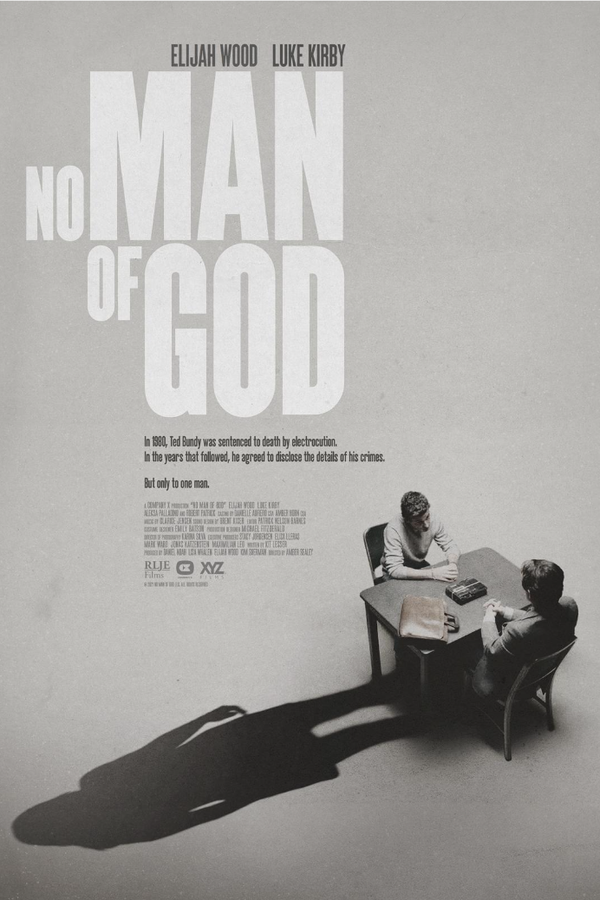


Featured on this page

What's After the Movie?
Not sure whether to stay after the credits? Find out!
Check out our other apps:

SAT Sphere
Build confidence for the Digital SAT.

Mori Atlas
Discover wild places worth protecting.

Luntero
Search smarter for a home in Amsterdam.

Plot Explained
Unravel movie endings and hidden clues.

Pokechamp
Dive into Pokémon data and battle logic.

Driving Theory
Get ready for your European theory test.

Movie Dust
Plan your next cinema trip with ease.

Musemap
Find art and culture as you travel.

Selkobase
Compare credentials before committing.

Local Manual
Turn an unfamiliar country into practical next steps.

Lernavi
Compare school systems before your next move.

GymRoam
Find a workout stop wherever your plans take you.
Explore Our Movie Platform
New Movie Releases (2026)
Famous Movie Actors
Top Film Production Studios
Movie Plot Summaries & Endings
Major Movie Awards & Winners
Best Concert Films & Music Documentaries
Movie Collections and Curated Lists
© 2026 What's After the Movie. All rights reserved.
Privacy Policy