
Tarantulas: The Deadly Cargo 1977

Directed by

Charles Frank
Made by

Alan Landsburg Productions
Tarantulas: The Deadly Cargo Plot Summary
Read the complete plot summary and ending explained for Tarantulas: The Deadly Cargo (1977). From turning points to emotional moments, uncover what really happened and why it matters.
In Ecuador, two reckless money-hungry pilots bribe officials to fly a load of coffee beans into the United States, secretly smuggling three passengers aboard to help pay off their scheme. As the cargo sails north, trouble brews when sacks of beans conceal deadly tarantulas, and a fierce thunderstorm tips the balance—the arachnids break free just as the plane is unsettled by the weather. The three illegal immigrants are trapped in the cargo hold, fighting the spiders with whatever they can find, including shoes and improvised swatters, but the relentless creatures overpower them in the cramped darkness.
In the cockpit, the pilots confront a developing mechanical problem and must execute an emergency landing as they skim over Finleyville, California. Unbeknownst to them, the tarantulas have already escaped into the plane and begin to swarm the cockpit, contributing to the disaster when the craft touches down near Finleyville.
Back on the ground, Finleyville’s emergency teams rush to the wreckage, and a fire erupts at the crash site as the deadly intruders start to spill toward an adjacent orange grove. The fortunate survivors are pulled from the wreckage, yet many begin to exhibit alarming symptoms, confounding the town’s medical community. Dr. Hodgins, [Pat Hingle], struggles to diagnose the unfolding mystery as a bitten bystander suddenly collapses and breaks into old vaudeville songs.
Cindy Beck, [Deborah Winters], and her fiancé Joe Harmon, [Charles Frank], join the effort to untangle the occurrence, while Cindy’s brother Matthew, [Matthew Labyorteaux], discovers a spider and tries to sound the alarm, though his warnings initially fall on deaf ears.
A determined Beck family teaches the town how little is known and how much there is to fear. They learn that the intruders are banana spiders, described with chilling simplicity as, > “the most aggressive and venomous spider in the world”.
Mayor Douglas, [Bert Remsen], and Bert Springer, [Claude Akins], rally the community to confront the growing danger as the spiders begin to threaten the town’s livelihood and its people. The bite of another family member proves fatal, underscoring the urgency of finding a cure or a control strategy.
The groaning problem forces a drastic plan: using the buzzing sounds of wasps to disorient the tarantulas, enabling a crew to capture the spiders in buckets of alcohol that kill them. An electrical outage complicates the operation, leaving the team briefly surrounded by the advancing hordes until doors reopen. A resourceful local teacher, [Nancy Burnett], crawls through a window near the roof to guide everyone to safety. When power returns, the town races to finish removing the remaining spiders and protect the area around the orange packaging plant, hoping to prevent a wider disaster.
Tarantulas: The Deadly Cargo Timeline
Follow the complete movie timeline of Tarantulas: The Deadly Cargo (1977) with every major event in chronological order. Great for understanding complex plots and story progression.
Bribery and smuggling begin in Ecuador
Two pilots in Ecuador accept bribes to fly a coffee cargo into the United States. To maximize profit, they secretly smuggle three passengers aboard as payment. This illicit setup seeds the disaster that will follow with the tarantula-laden beans.
Tarantulas loaded into the cargo hold
Sacks of coffee beans are loaded into the plane's cargo hold, concealing deadly tarantulas. The spiders remain undetected during loading, ready to be carried across the skies. The stage is set for a lethal surprise.
Spiders escape during storm, trapping passengers
A fierce thunderstorm rattles the aircraft, causing the tarantulas to escape their sacks. Three hidden passengers become trapped in the cargo hold with the spiders. They struggle to fend off the aggressive arachnids as the plane rocks mid-flight.
Pilot discovers mechanical problem, seeks emergency landing
In the cockpit, the pilots contend with a developing mechanical issue that endangers the flight. Realizing the danger, they decide they must make an emergency landing as they near the California coast. Their focus on the aircraft's safety leaves the spider crisis unfolding below.
Crash near Finleyville; fire and spider spread
The plane crash-lands near Finleyville, triggering a surrounding fire at the wreck site. Tarantulas spill from the wreckage and begin moving toward the nearby orange grove. The town's first responders rush to the scene as chaos erupts.
Medical mystery deepens at the clinic
Dr. Hodgins treats the first victims with baffling symptoms that defy explanation. The arrival of more bitten residents deepens the town's alarm. The clue comes slowly as doctors struggle to diagnose the illness.
Cindy Beck and fiancé investigate; brother spots a spider
Cindy Beck and her fiancé join the investigation into the crash's causes. Her brother Matthew discovers a spider but is dismissed by others who doubt his find. The family presses on despite skepticism.
Beck family learns the spiders are banana spiders
The Beck family, aided by local aviators, confirms the culprits: banana spiders, known for their aggression and venom. The discovery shifts the town's understanding of the threat and its scale. Authorities grapple with whether to warn the public.
Mayor fears economic ruin; hush decision
The mayor worries that news of an orange infestation could ruin the town's economy. To protect the citrus industry, officials weigh suppressing information about the danger. The fear shapes the town's response and heightens tensions.
Bert Springer helps organize the town
Bert Springer joins the effort, rallying citizens to confront the spider threat. Community leaders organize search and containment efforts and set up makeshift teams. The town bands together to protect its citrus economy and residents.
The death of Cindy's brother
Cindy's brother is bitten and incapacitated by a tarantula, and he dies despite medical efforts. His death intensifies the town's urgency to stop the spread. The tragedy becomes a turning point for public resolve.
Wasps buzz and cleanup amid a power outage
The plan to save the town centers on exploiting the tarantulas' reaction to the buzzing of wasps. The sound stuns the spiders, allowing workers to bucket them into alcohol and kill them. A temporary power outage traps the crew, but a local teacher guides them to safety, and power returns to finish the cleanup.
Tarantulas: The Deadly Cargo Characters
Explore all characters from Tarantulas: The Deadly Cargo (1977). Get detailed profiles with their roles, arcs, and key relationships explained.
Doc Hodgins (Pat Hingle)
Finleyville's physician who wrestles with baffling symptoms as tarantula infections spread. He relies on careful observation and medical reasoning to identify the spider threat and guide the town toward a cure or containment. His calm, methodical approach contrasts with the rising panic around the crisis.
Bert Springer (Claude Akins)
A pragmatic, protective member of the community who helps organize the town's response. He takes initiative to investigate the mystery and rally residents to defend the orange industry and public safety. His leadership under pressure anchors the effort to survive the outbreak.
Mayor Douglas (Bert Remsen)
The town's mayor who weighs economic fears against public safety. He aims to avoid sensationalism that could jeopardize Finleyville's finances while still supporting the emergency response. His decisions reflect the political dimension of managing a crisis.
Cindy Beck (Deborah Winters)
Engaged to Matthew Beck, Cindy actively aids the investigation and helps relay information to the town. She demonstrates resourcefulness and courage as the danger escalates and the mystery deepens. Her role highlights the human element in the community's struggle for answers.
Matthew Beck (Matthew Labyorteaux)
Cindy's brother, a perceptive young observer who discovers a spider and urges warning. His curiosity and persistence drive some of the early clues, showing how even the youngest residents contribute to solving the crisis.
Tarantulas: The Deadly Cargo Settings
Learn where and when Tarantulas: The Deadly Cargo (1977) takes place. Explore the film’s settings, era, and how they shape the narrative.
Location
Ecuador, Finleyville, California
The plot moves from the cargo plane's origin in Ecuador to the small American town of Finleyville, California, and the orange grove nearby. The town becomes the focal point for containment efforts as the spiders spread from the crash site toward agriculture and daily life. The setting juxtaposes remote South American origin with a tight-knit American community under siege by a natural threat.
Tarantulas: The Deadly Cargo Themes
Discover the main themes in Tarantulas: The Deadly Cargo (1977). Analyze the deeper meanings, emotional layers, and social commentary behind the film.
🕷️
Arachnid Threat
A deadly spider outbreak drives the central conflict, turning a routine flight into a race against a rapidly spreading natural menace. The tarantulas' aggression and venom transform everyday spaces—cargo holds, streets, and orange groves—into dangerous zones. The threat raises stakes for survival, forcing quick thinking and brave actions from civilians and authorities alike. The arachnid menace also serves as a catalyst for examining fear, response, and adaptability.
🤝
Community Action
Residents unite under pressure, with figures like Bert Springer coordinating efforts to investigate and protect the town. The Beck family and local citizens pool resources, bridging gaps between science and frontline action. The plan to trap spiders and safeguard the orange industry shows how a community mobilizes under threat. The story emphasizes solidarity, leadership, and collective risk.
🔬
Science vs Panic
Dr. Hodgins works to identify the cause and symptoms, moving from bafflement to informed response as evidence emerges. Public fear about the impact on the town's agricultural economy shapes decisions and media communication. When scientific insight guides containment—such as using wasps’ buzzing as a deterrent—the town regroups and executes a risky solution. The tension between knowledge and fear drives the narrative toward tangible containment.

Coming soon on iOS and Android
The Plot Explained Mobile App
From blockbusters to hidden gems — dive into movie stories anytime, anywhere. Save your favorites, discover plots faster, and never miss a twist again.
Sign up to be the first to know when we launch. Your email stays private — always.
Explore the mobile appTarantulas: The Deadly Cargo Spoiler-Free Summary
Discover the spoiler-free summary of Tarantulas: The Deadly Cargo (1977). Get a concise overview without any spoilers.
The sleepy orange‑grove town of Finleyville basks in golden light, its streets lined with blossoming citrus trees and the steady hum of a bustling processing plant. Life moves at a measured pace, punctuated by the scent of fresh juice and the chatter of locals who know each other’s names. This tranquil rhythm is shattered when a cargo plane, heavy with South American coffee beans, crashes just beyond the town’s outskirts, spilling an unexpected and unsettling cargo: a swarm of voracious tarantulas that quickly begin to infiltrate the community.
Amid the chaos, the town’s unlikely heroes emerge. Dr. Hodgins, the town’s seasoned physician, finds his medical expertise stretched beyond routine ailments as strange symptoms surface among the townspeople. Cindy Beck, a determined resident, and her fiancé Joe Harmon are drawn into the unfolding emergency, their practical ingenuity matched only by their resolve to protect their neighbors. Matthew, Cindy’s younger brother, watches the invasion with a mixture of fear and curiosity, while the town’s leadership—Mayor Douglas and his steadfast deputy Bert Springer—must rally a frightened populace and coordinate a response that balances order with urgency. Meanwhile, Nancy Burnett, a local teacher, brings a calm, resourceful presence that hints at unconventional thinking.
The film’s tone walks a fine line between tense thriller and off‑beat horror, letting the ordinary charm of a small agricultural community clash with the unsettling presence of an invasive species. The atmosphere is thick with suspense; every shadow in the orange groves feels charged, and the everyday sounds of the town become a backdrop for an unseen danger. As the residents learn to cope with the creeping menace, the story teases the audience with hints of ingenuity and collective bravery, leaving the outcome intriguingly uncertain.
Movies with Similar Twists and Themes
Uncover films that echo the narrative beats, emotional arcs, or dramatic twists of the one you're exploring. These recommendations are handpicked based on story depth, thematic resonance, and spoiler-worthy moments — perfect for fans who crave more of the same intrigue.
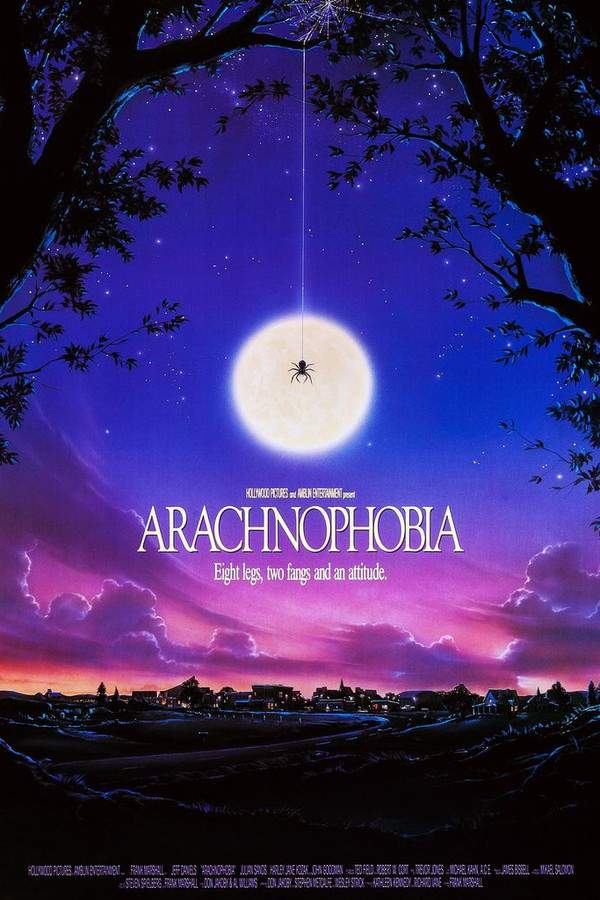






Featured on this page

What's After the Movie?
Not sure whether to stay after the credits? Find out!
Check out our other apps:

SAT Sphere
Build confidence for the Digital SAT.

Mori Atlas
Discover wild places worth protecting.

Luntero
Search smarter for a home in Amsterdam.

Plot Explained
Unravel movie endings and hidden clues.

Pokechamp
Dive into Pokémon data and battle logic.

Driving Theory
Get ready for your European theory test.

Movie Dust
Plan your next cinema trip with ease.

Musemap
Find art and culture as you travel.

Selkobase
Compare credentials before committing.

Local Manual
Turn an unfamiliar country into practical next steps.

Lernavi
Compare school systems before your next move.

GymRoam
Find a workout stop wherever your plans take you.
Explore Our Movie Platform
New Movie Releases (2026)
Famous Movie Actors
Top Film Production Studios
Movie Plot Summaries & Endings
Major Movie Awards & Winners
Best Concert Films & Music Documentaries
Movie Collections and Curated Lists
© 2026 What's After the Movie. All rights reserved.
Privacy Policy