What Is Swing Shift Cinderella About?
The premise of Swing Shift Cinderella in 312 words, with nothing given away. The full story follows below.
In a whirlwind of rubber‑sheet animation and wry self‑awareness, the short opens on a familiar forest chase that quickly mutates into something delightfully unexpected. The relentless Wolf—the classic big‑bad antagonist—starts hot on the trail of a perilous prey, only to stumble upon a title card that redirects his appetite toward a completely different fairy‑tale heroine. The cartoon’s opening tone brims with meta‑jokes, setting up a world where characters are as aware of their cinematic roles as they are of the absurdity surrounding them.
The brief appearance of Little Red Riding Hood serves as a cheeky reminder that the story is not bound by a single narrative line. Her quick‑witted objection that they’re in the wrong cartoon signals a playful willingness to bend genre conventions, allowing the chase to swing—literally—toward Cinderella. This iconic figure, poised between humble soot‑covered beginnings and an imminent night‑time glamour, becomes the new focus of the Wolf’s comically exaggerated pursuit, promising a clash of classic myth and cartoon exaggeration.
Enter the exuberant Fairy Godmother, whose larger‑than‑life personality instantly steals the spotlight. Rather than simply aiding the heroine, she turns the chase on its head, becoming an active participant who pursues the Wolf with a blend of magical flair and slap‑stick determination. This role reversal infuses the narrative with a fresh dynamic: the protector becomes the pursuer, and the predator finds himself outwitted by a spell‑casting confidante, all set against a backdrop of rapid‑fire visual gags.
The short’s visual style combines the glossy sheen of 1940s Technicolor with a frenetic, cartoon‑logic rhythm that feels both nostalgic and surprisingly modern. Through exaggerated expressions, rapid transformations, and a soundtrack that riff‑s on familiar melodies, the film creates a lively, self‑reflexive playground where fairy‑tale logic collides with contemporary hustle. The result is a whimsical, high‑energy romp that delights in turning expectations upside‑down while inviting the audience to revel in its joyous, chaotic chase.
What Happens in Swing Shift Cinderella?
The complete story of Swing Shift Cinderella, from the first scene to the last, in 527 words (about 2 minutes). Spoilers throughout. Names in the text link to 3 cast member pages.
Spoilers ahead
The short opens with the Wolf, Frank Graham in hot pursuit of the Big Bad Wolf, while the action briefly pivots to the comic misdirection of the moment: the chase involves Little Red Riding Hood, Sara Berner, who instantly calls out that they’re in the wrong cartoon. This meta-joke sets a playful, self-aware tone that nods to another Avery gag released earlier in the year, The Screwy Truant. The Wolf shoos her away and decides to go meet Cinderella, a figure voiced in this world by Imogene Lynn for the singing portion, and he heads off by taxi with a goofy determination to win her over.
Cinderella proves more than a match for him, calmly rebuffing his advances, and before long the constellations of trouble tighten as Cinderella phones for help. She summons her Fairy Godmother, a lively guide who arrives with dramatic flair. The Fairy Godmother, Sara Berner, wastes little time trapping the Wolf, then grants Cinderella a striking red evening gown and magically transforms a pumpkin into a Woodie so she can attend the ball—yet she makes the clock’s midnight deadline a strict condition. The Godmother’s exuberant charm becomes the cartoon’s engine, and her over-the-top personality quickly steals the spotlight as she schemes to keep the Wolf busy.
What follows is a rapid-fire series of comic antics. The Fairy Godmother shows up wearing an old-fashioned 1890s swimsuit—“Miss Repulsive 1898”—then switches into an elegant gown, all while trying to snuggle up to the Wolf on the couch. She chases him all around Cinderella’s house, but the Wolf cleverly slips away when he swipes her wand and turns Cinderella’s bathtub into a convertible. He gallops off to the nightclub where Cinderella is performing, with the Fairy Godmother in hot pursuit. In one hilarious mix-up, the Wolf kisses the Fairy Godmother, thinking she’s Cinderella, an odd moment that only deepens the Godmother’s own rampant infatuation and adds to the chaos of the chase.
On stage, Cinderella herself appears to perform a show dance and belts out a playful number, “Oh Wolfie,” sung to the tune of “Oh Johnny, Oh Johnny, Oh!” The Wolf roams the nightclub with a howling pursuit, while the smitten Fairy Godmother uses a variety of improvised tools—often a mallet—to keep him from spiraling out of control. The mood swings between slapstick and surreal as the chase swirls toward its crucial deadline.
When midnight finally looms, the Fairy Godmother warns Cinderella to depart, and the inevitable chase resumes as the Wolf presses the pursuit. This time, the Wolf’s ingenuity plays against the Godmother, who becomes the target of his own trickery in a reversal of roles. Cinderella rushes home just in time, and the twist lands with a wink: she is revealed to be Rosie the Riveter, and the reason she must be home by midnight is so she won’t be late for the night shift at Lockweed. Relief mixes with a touch of irony as the stage is set for the closing gag: a bus full of wolves pulls up, wolf-whistling and catcalling as the cartoon ends, leaving the impression of a world where fairy-tale logic collides headlong with modern hustle and cheeky self-awareness.
Swing Shift Cinderella Timeline: Every Key Event in Order
11 key events in the order they happen, from “Chase begins; wrong cartoon revealed” to “Ending tease: bus full of wolves outside”. 11 events name a place, across 7 locations.
- 1
Chase begins; wrong cartoon revealed
Two characters chase across the opening frame; Red Riding Hood stops the pursuit and points out they're in the wrong cartoon. The Wolf, frustrated, shoos her away and decides to go meet Cinderella instead.
When:Opening Where:Opening cartoon world
- 2
Wolf falls for Cinderella on the way to her house
The Wolf hails a taxi to Cinderella's house and instantly falls in love at first sight. Cinderella rebuffs him with a stern, worldly glance and makes it clear she wants nothing to do with him. The encounter sets in motion the Wolf's obsessive pursuit of Cinderella.
When:Evening Where:Street to Cinderella's house
- 3
Cinderella calls Fairy Godmother for help
Cinderella calls her Fairy Godmother to get rid of the Wolf and set her up for the ball that night. The Fairy Godmother heads to the scene with urgency.
When:Soon after Where:Cinderella's house
- 4
Fairy Godmother prepares Cinderella for the ball
The Fairy Godmother traps the Wolf, then dresses Cinderella in a red evening gown and turns a pumpkin into a Woodie so she can go to the ball. She warns Cinderella that she must return home by midnight. The transformation marks the start of the main fairy-tale business.
When:Shortly after Where:Cinderella's house
- 5
Godmother keeps Wolf busy around the house
To keep the Wolf busy, the Fairy Godmother parades before him in comically mismatched outfits and chases him around the house. The Wolf escapes when he grabs the Fairy Godmother's wand and inadvertently turns Cinderella's bathtub into a convertible. The chase moves toward the nightclub.
When:Evening Where:Cinderella's house
- 6
Wolf arrives at nightclub; Fairy Godmother follows
The Wolf arrives at the nightclub where Cinderella is performing, and the Fairy Godmother trails close behind. They cause merry chaos as the pursuit unfolds across the club. The Wolf's fixation on Cinderella intensifies under the glare of the crowded room.
When:Night Where:Nightclub
- 7
Wrong kiss intensifies the chase
In a comic mix-up, the Wolf accidentally kisses the Fairy Godmother, mistaking her for Cinderella, which only fuels her desire for him. The mistaken kiss complicates the chase and gives the Wolf an unexpected, dangerous charm.
When:Night Where:Nightclub
- 8
Cinderella performs; Wolf pursues during the show
Cinderella steps out on stage and performs a show dance, singing a tune titled 'Oh Wolfie.' The Wolf hungrily pursues her across the nightclub while the Godmother tries to rein him in with a series of tricks, including a mallet. The crowd cheers as the chase becomes part of the performance.
When:Mid-performance Where:Nightclub stage
- 9
Midnight nears; Cinderella must leave
When the clock strikes midnight, the Fairy Godmother warns Cinderella and she must leave quickly. The Wolf redoubles his chase, using whatever methods he can to reach her before she disappears.
When:Midnight Where:Nightclub
- 10
Cinderella returns home as magic wears off
Cinderella rushes home as the Godmother's magic wears off, revealing her Rosie the Riveter persona. She explains that she must be home by midnight to avoid being late for the night shift at Lockweed.
When:Midnight Where:Cinderella's home
- 11
Ending tease: bus full of wolves outside
Although the Wolf is foiled for the moment, the ending reveals a bus full of wolves outside, wolf-whistling and catcalling at Cinderella as the cartoon ends. The closing scene leaves the Wolf still pursuing, while the world resumes its mischievous chaos.
When:End Where:Outside Lockweed / Bus
Who Are the Main Characters in Swing Shift Cinderella?
4 characters, among them Wolf (Frank Graham), Cinderella (Imogene Lynn) and Fairy Godmother (Sara Berner): who each one is and the part they play in the story. Every profile links to the actor’s page.
- W(
Wolf (Frank Graham)
Played by Frank Graham
The Wolf is a bumbling yet lecherous antagonist whose pursuit of Cinderella fuels slapstick chaos. He oscillates between predatory energy and comic ineptitude, keeping the chase fast-paced and ridiculous. His antics drive the plot while satirizing traditional villain tropes.
- 🐺 Villain
- C(
Cinderella (Imogene Lynn)
Played by Imogene Lynn
A glamorous performer caught in the Wolf’s orbit, she embodies poise and sly resilience. Her midnight deadline ties romance to duty, revealing a working-woman angle beneath fairy-tale glamour. She uses charm and wit to navigate the chaos around her.
- 🎤 Protagonist
-
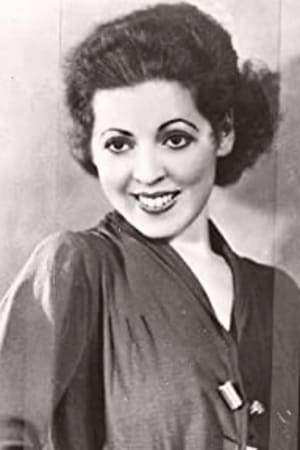
Fairy Godmother (Sara Berner)
Played by Sara Berner
A mischievous, oversexed magical mentor who both helps and complicates Cinderella’s plans. She chases the Wolf with a mallet and manipulates magical reality, adding a provocative, comic layer to the story. Her interventions highlight absurdity and whimsy.
- 🪄 Mentor
-
Little Red Riding Hood (Sara Berner)
Played by Sara Berner
An early meta-presence that points out the cartoon’s crossover nature, setting up the film’s self-referential humor. Her appearance signals a playful collision of fairy-tale worlds within a single short. She contributes to the parody by framing the narrative’s tone.
- 🌹 Meta
Where and When Is Swing Shift Cinderella Set?
Swing Shift Cinderella is set in Cinderella's House, Nightclub, City Bus and Lockweed Factory (1940s). Here is why the time and place matter to the story.
When
1940s
The events unfold in a modern 1940s urban world, reflecting wartime sensibilities and entertainment of the era. References to Rosie the Riveter and a factory night shift anchor the story in a working-class, mid-20th-century context. The tempo, fashion, and venues (club, bus, factory) reinforce a period-specific blend of fantasy and real-world culture.
Where
Cinderella's House, Nightclub, City Bus, Lockweed Factory
The action shifts between Cinderella's house and a bustling nightclub, with the city bus as a key backdrop. The visuals mix fairy-tale iconography with 1940s urban aesthetics to create a playful, behind-the-scenes feel. A Lockweed factory setting appears as the workforce context, underscoring the short's blend of fantasy and contemporary life.
- 🎡 Cartoon parody
- 🏙️ Urban setting
- 🧭 Cross-genre
What Are the Themes of Swing Shift Cinderella?
3 ideas the story keeps returning to, among them Meta humor, Female empowerment and Transformation & modernity.
-
01
Meta humor
The short constantly plays with its own cartoon logic, having characters acknowledge they’re in the wrong story. It riffs on crossover tropes by bouncing between Red Riding Hood and Cinderella within the same frame. The running gags invite the audience to see the cartoon as a playful construct rather than a strict fairy tale.
-
02
Female empowerment
Cinderella’s arc is linked to Rosie the Riveter, portraying a woman who balances performance with a working role at Lockweed. The narrative emphasizes independence and agency, even as romance bubbles around the central drive to get home by midnight. This juxtaposition foregrounds capable, working-woman resilience within a fairy-tale veneer.
-
03
Transformation & modernity
Magical transformations (pumpkin carriage, wand-assisted changes) sit alongside contemporary urban milieus like nightclubs and factories. The midnights deadline echoes classic fairy tales, while the modern setting provides a satirical lens on spectacle and desire. The tension between magic and the real world drives the humor and pace.
What Kind of Film Is Swing Shift Cinderella?
Whimsical in tone, with fast pacing and a straightforward story, going by the plot summary.
- Tone
- Whimsical
- Pacing
- Fast
- Story
- Straightforward
- Intensity
- Medium
- Ending
- Happy
A rapid-fire, self-aware cartoon that feels like a chaotic and whimsical romp, blending fairy tale characters with slapstick chases and flirtatious antics in a playful, modern twist.
- playful
- chaotic
- self-aware
- slapstick
- surreal
- romantic
- fairy tale parody
- role reversal
- magical chase
- meta humor
Content notes: cartoon violence.
Quiz
How well do you remember Swing Shift Cinderella? Test yourself on the story.