

What Is Still Crazy About?
The premise of Still Crazy in 354 words, with nothing given away. The full story follows below.
The story opens in the fever‑dream world of 1970s rock, where the legendary band Strange Fruit ruled festivals with blistering riffs, larger‑than‑life personas, and an endless tide of excess. Their fame was built on a potent mix of raw talent, hedonistic freedom, and an underlying current of rivalry that eventually cracked under the weight of addiction and a catastrophic finale on a storm‑torn stage. The era’s glittering lights and thunderous crowds left an indelible imprint, turning the group into a myth that still flickers in the minds of those who lived it.
Two decades later, a chance encounter pulls the band’s former keyboardist back into the fold. Tony Costello is approached by the son of the festival’s founder, who convinces him that the time is right for a comeback. He soon enlists Karen Knowles, the sharp‑tongued run‑around‑girl who handled the band’s backstage chaos in its heyday, and she insists on steering the reunion as its manager. Together they set out to locate the scattered members, each now living a quieter, more ordinary life far from the roaring amplifiers of their past.
The search uncovers a roster of familiar faces: Les Wickes, now a family‑man who trades his guitar for a roofer’s hammer; David “Beano” Baggot, tending plants in a nursery while dodging the taxman’s shadow; Ray Simms, the once‑unruly frontman who has wrestled with sobriety and the ghosts of his former self; and the fresh talent of Luke Shand, a gifted guitarist whose lack of history with the group hints at both hope and the unknown. Their personalities clash and complement in equal measure, setting the stage for a delicate balancing act between nostalgia and renewal.
Against a backdrop of smoky clubs, sprawling tour buses, and the relentless hum of the music industry, the film explores the bittersweet allure of second chances. It captures the gritty humor and lingering melancholy of aging rock icons trying to reclaim a spark that once burned brighter than the stadium lights. The tone is equal parts reverent homage and uneasy anticipation, inviting the audience to wonder whether the magic of their legendary past can ever truly be rekindled.
What Happens in Still Crazy?
The complete story of Still Crazy, from the first scene to the last, in 753 words (about 3 minutes). Spoilers throughout. Names in the text link to 8 cast member pages.
Spoilers ahead
The band Strange Fruit performs at the 1977 Wisbech Rock Festival, and Hughie Case (Billy Connolly) explains that, driven by the pursuit of “fame, fortune and fornication” — and the drug overdose of their original singer, Keith Lovell — this is their last performance. After a heated set, egos flare and the group ends the show early, frustrated by competing ambitions and the lack of self-control that once doomed them.
Twenty years pass, and a stranger who turns out to be the festival founder’s son recognizes keyboardist Tony Costello (Stephen Rea) and convinces him to reunite the band for an anniversary show. Tony tracks down Karen Knowles (Juliet Aubrey), their original runaround-girl, who, though reluctant, is inspired by memorabilia to return. She insists on becoming the manager, and Tony agrees. Gradually, they locate the rest of the lineup: Les Wickes (Jimmy Nail), now a family man and roofer; drummer David “Beano” Baggot (Timothy Spall), working at a plant nursery and on the run from the taxman; and lead singer Ray Simms (Bill Nighy), who has battled drugs and alcohol and is now sober but tested by time. Although he claims to be crafting a solo album, nothing has surfaced in ten years. The search for a replacement guitarist leads them to Luke Shand (Hans Matheson), a gifted player who does not fully grasp the band’s fractured history.
After a warm-up European tour, Karen negotiates the rights to their catalogue. The early returns are rough: the new performances fail to land with audiences, and Les, Beano, and Ray feel the sting of history—believing that Keith and Brian’s talents once carried the band. The roadie Hughie returns to resume his old role, while Ray is tempted to push for guitar supremacy but is persuaded to focus on singing. A replacement for Brian is found in Luke Shand, a talented but somewhat naive guitarist who is unaware of the internal tensions that once defined the group.
As the years roll on, the band faces a testing cycle of highs and lows. A warm-up in Europe yields cautious optimism, but the politics of the music business intrude: Karen negotiates a deal for their back catalog, and their initial performances are met with mixed reactions. The musicians’ confidence wavers, and the dream of recapturing their past magic feels increasingly fragile. At a pivotal gig, Ray’s ambitious ideas backfire, causing Les and Ray to walk off. A confrontation with Les triggers a nervous breakdown for Ray, worsened by turning fifty, and he sinks into a mood of despair, buying drugs and nearly ending up in a canal—only to be rescued by Karen’s daughter. Ray’s wife blames Karen for the turmoil that surrounds him.
Les and Ray eventually mend their tensions, and Ray senses a “positive message” from Brian’s ghost, a haunting reminder of what once was. The bus breaks down, and Karen questions whether the band’s collective self-doubt can be overcome. A hopeful sign arrives when they encounter a young woman wearing a Strange Fruit tour T-shirt—the daughter of a fan—seen as a good omen. The group signs a record deal, and Les writes and sings a new song that Ray had previously rejected. Yet a television interview turns sour when Les and Beano imply that the band was stronger with Keith and Brian, prompting Ray to quit once more.
With the past receding, Karen and Claire Knowles (Rachael Stirling) visit Keith’s grave to pay respects. They discover a note quoting “The Flame Still Burns,” a tribute to Keith written by Brian. Hughie is suddenly forced to confront a truth: Brian is alive. Karen and Tony locate Brian in a psychiatric hospital, where he has renounced material possessions to sever himself from the old life. Brian agrees to rejoin the band, and the others follow him, though a pre-show press conference stokes hostility and Brian initially walks away. Luke confronts the journalists, and Brian, visibly shaken, ultimately retreats—then gives his blessing to the comeback.
Beano nearly misses the set when a stalker-fan (whom he long mistook for a tax officer) presses in for sex, adding another layer of danger to the reunion. The band opens with the same song that kicked off the Wisbech Festival years earlier, and Ray’s nerves tremble at the outset. Tony steadies him by playing > The Flame Still Burns, a moment that rekindles belief. Brian, inspired, reappears onstage to deliver an electrifying guitar solo that resonates with the crowd, and the performance ends not with a whimper but with a triumphant, shared sense of redemption.
Still Crazy Timeline: Every Key Event in Order
12 key events in the order they happen, from “1977 Wisbech Rock Festival ends in controversy” to “The final Wisbech-style set and a triumphant return”. 3 events name a place, across 3 locations.
- 1
1977 Wisbech Rock Festival ends in controversy
Strange Fruit performs at the Wisbech Rock Festival, but the pursuit of fame and the band’s internal tensions threaten the set. The original singer Keith Lovell overdoses, casting a pall over the performance and sealing the band's decision to end on a sour note. The crowd and members depart with unresolved egos and a sense that this was their last shot together.
When:1977 Where:Wisbech
- 2
A stranger triggers the reunion for the anniversary show
Twenty years after the Wisbech festival, a stranger who turns out to be the festival founder's son recognizes Tony Costello and persuades him to reunite the band. Tony agrees to pursue the reunion plan, setting in motion the chance to reform Strange Fruit for an anniversary show.
When:1997
- 3
Karen Knowles becomes manager
Tony tracks down Karen Knowles, the former runaround-girl, who reluctantly agrees to return only if she can manage the comeback. Her decision to take control and leverage memorabilia for a revival gives the band a focused direction.
When:1997
- 4
First rehearsal at the Red Lion
The band reunites at the Red Lion pub for their first rehearsal since the split. Roadie Hughie returns to resume his old role, Ray is convinced to focus on singing, and Luke Shand is introduced as a younger replacement for Brian. The stage is set, but old tensions simmer just beneath the surface.
When:1997 Where:Red Lion pub
- 5
Warm-up European tour and rights negotiations
A warm-up European tour tests the band's chemistry as they perform in country pubs and small venues. Karen negotiates for the rights to the band's catalogue, aiming to secure a future for their revived career. Early performances feel awkward, and confidence remains fragile.
When:1997-1998 Where:Europe
- 6
Tensions flare and a crisis unfolds
Old tensions flare as Les, Beano, and Hughie doubt the band's return. At a gig, Ray's over-the-top ideas backfire, and he and Les walk off in anger. Ray's breakdown deepens after he buys drugs and nearly drowns in a canal, prompting his daughter's rescue and a blame game with Karen amid neighborly backlash as the band flees to their bus.
When:1997-1998
- 7
A hopeful sign amid breakdowns
Les and Ray reconcile, and Ray says he has received a positive message from Brian's ghost. The bus breaks down, but a girl wearing a Strange Fruit tour T-shirt found at a show gives them a hopeful sign. They press on as audiences respond a bit better and their confidence grows.
When:1998-1999
- 8
A new song and a deal
The revived band secures a record deal and records a new song written and sung by Les, something Ray had previously blocked. The track signals growing momentum for their comeback and widens the possibility of real success.
When:1998-1999
- 9
Ray quits after a drunken interview
A televised interview surfaces where Les and Beano imply the band was better with Keith and Brian, triggering a fresh crisis for Ray. Overwhelmed, he breaks down and quits the band, threatening to derail the revival.
When:1999
- 10
Keith's grave visit and a note
Karen and Claire visit Keith's grave and discover a note quoting The Flame Still Burns, a tribute written by Brian. Hughie reluctantly admits that Brian is alive, deepening the mystery and reigniting hope.
When:1999
- 11
Brian is found and agrees to rejoin
Tony and Karen locate Brian in a psychiatric hospital; he agrees to rejoin the band, hoping to close the circle and heal old wounds. A pre-show press conference descends into hostility, with journalists accusing them of past failures; Brian walks out, and Luke publicly defends the band while journalists press for answers. Despite the heat, Brian decides to back out but gives his blessing to the rest of the group.
When:1999-2000
- 12
The final Wisbech-style set and a triumphant return
Beano faces a stalker groupie who nearly derails the setup, forcing the band to start with the same opening track they used at Wisbech. Tony steadies Ray by playing The Flame Still Burns, giving him renewed nerves. Brian unexpectedly joins on a blistering guitar solo, and the crowd erupts in celebration as the band's revival reaches its defining moment.
When:late 1990s
Who Are the Main Characters in Still Crazy?
11 characters, among them Tony Costello (Stephen Rea), Karen Knowles (Juliet Aubrey) and Les Wickes (Jimmy Nail): who each one is and the part they play in the story. Every profile links to the actor’s page.
-
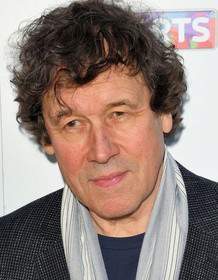
Tony Costello (Stephen Rea)
Played by Stephen Rea
Keyboardist and the reunion’s orchestrator; the steadying force who negotiates rights and manages egos. He bridges the past and present, weighing nostalgia against business realities to keep the project on track.
- 🎹 Keyboardist
- 🧭 Mediator
- KK
Karen Knowles (Juliet Aubrey)
Played by Juliet Aubrey
The former runaround-girl turned manager who pursues the rights to the catalogue and drives the reunion. She is protective of Keith’s memory and becomes a key force in guiding the band through its second act.
- 💼 Manager
- 🧭 Strategist
- LW
Les Wickes (Jimmy Nail)
Played by Jimmy Nail
Bassist and a family man who sees potential in a comeback; pushes for new material and becomes central to the band’s creative direction.
- 🎸 Bassist
- 🧩 Conflict
-
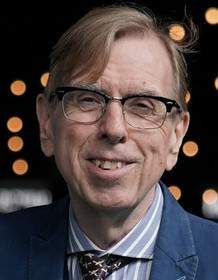
David "Beano" Baggot (Timothy Spall)
Played by Timothy Spall
Drummer who works at a plant nursery and faces tax troubles; a loyal friend whose practical outlook helps keep the group together amid chaos.
- 🥁 Drummer
- 🧭 Loyal Friend
-
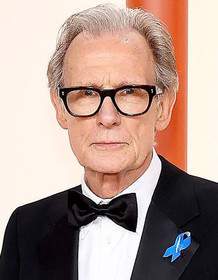
Ray Simms (Bill Nighy)
Played by Bill Nighy
Lead singer with a history of excess who is sober but emotionally volatile; his onstage presence and fragile confidence drive much of the dramatic tension.
- 🎤 Lead Singer
- 💊 Recovery
-
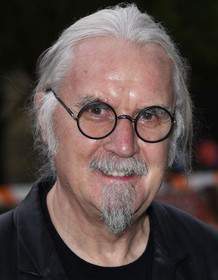
Hughie Case (Billy Connolly)
Played by Billy Connolly
Roadie who resurfaces to reclaim his original role; he carries memories of the band’s past turmoil and adds a mix of humor and grit to the group.
- 🎭 Roadie
- 🤝 Friend
- LS
Luke Shand (Hans Matheson)
Played by Hans Matheson
Young guitarist brought in to replace Brian; talented but initially ignorant of the band’s history and tensions, he becomes a catalyst for new dynamics.
- 🎸 Guitarist
- 🚦 New Talent
- BL
Brian Lovell (Bruce Robinson)
Played by Bruce Robinson
Former lead guitarist who has renounced material possessions and now lives apart from the band; his eventual return redefines the group’s identity.
- 🎸 Guitarist
- 🧠 Troubled
- CK
Clare Knowles (Rachael Stirling)
Played by Rachael Stirling
Karen Knowles’s daughter, who becomes part of the band’s emotional landscape; she visits Keith’s grave and plays a role in supporting Ray.
- 👧 Family
- 💬 Support
- YT
Young Tony (Gavin Kennedy)
Played by Gavin Kennedy
A younger version of Tony Costello, glimpsed in flashbacks; his presence helps connect the band’s origins with its present ambitions.
- 🧒 Flashback
- 🧭 Connector
- YR
Young Ray (Rupert Penry-Jones)
Played by Rupert Penry-Jones
A younger version of Ray Simms seen in flashbacks, illustrating the roots of his later history with the band.
- 🧒 Flashback
- 🎤 Future Star
Where and When Is Still Crazy Set?
Still Crazy is set in Wisbech and Red Lion pub (1977, 1997). Here is why the time and place matter to the story.
When
1977, 1997
The story moves from the 1977 Wisbech Rock Festival, where the band’s original run ends in chaos, to a reunion twenty years later around 1997. This back-and-forth highlights how fame, ego, and addiction shape the band across decades, blending nostalgia with present-day reality.
Where
Wisbech, Red Lion pub
The events revolve around the 1977 Wisbech Rock Festival in the English town of Wisbech, with the Red Lion pub serving as a central hub for rehearsals and social clashes. It anchors the band’s late-1970s scene and the town’s reception to a group chasing fame. The setting underscores the contrast between a small town’s atmosphere and a band’s big ambitions.
- 🎪 Festival town
- 🎶 Music venue
- 🇬🇧 England
What Are the Themes of Still Crazy?
4 ideas the story keeps returning to, among them Music & Legacy, Memory & Regret and Addiction & Recovery.
-
01
Music & Legacy
Strange Fruit's legacy drives the plot as the band grapples with catalog rights, new talent, and the ghosts of Keith and Brian. The reunion pits old chemistry against new dynamics, testing whether past glories can sustain a modern comeback. The stage becomes a proving ground for what the band's legacy truly means.
-
02
Memory & Regret
Keith Lovell’s overdose casts a long shadow over decisions and relationships within the band. Brian Lovell’s absence or memory challenges the group’s sense of self and purpose. The story grounds memory in Keith’s grave and the note about him, shaping how the band moves forward.
-
03
Addiction & Recovery
Ray Simms’s sobriety contrasts with past excess, while Beano’s tax troubles and the lure of old habits threaten stability. The reunion tests whether personal demons can be controlled in public performance. Addiction serves as a constant undercurrent that the band must navigate to stay together.
-
04
Reunion & Second Chances
Karen Knowles’s determination and Tony Costello’s orchestrating hand push the group toward a fresh start. Brian Lovell’s reluctant return redefines the band’s identity and sparks a pivotal, uplifting performance. The finale offers closure and a renewed flame for the band’s future.
What Kind of Film Is Still Crazy?
Bittersweet in tone, with steady pacing and a straightforward story, going by the plot summary.
- Tone
- Bittersweet
- Pacing
- Steady
- Story
- Straightforward
- Intensity
- Medium
- Ending
- Happy
A witty and soulful journey following a washed-up 70s rock band's bittersweet reunion tour, blending nostalgic melancholy with hopeful redemption as they confront past failures and seek one last shot at glory.
- nostalgic
- hopeful
- melancholic
- witty
- soulful
- redemptive
- band reunion
- aging musicians
- addiction recovery
- lost glory
Content notes: drug overdose, drug use, mental health crisis.
Quiz
How well do you remember Still Crazy? Test yourself on the story.
