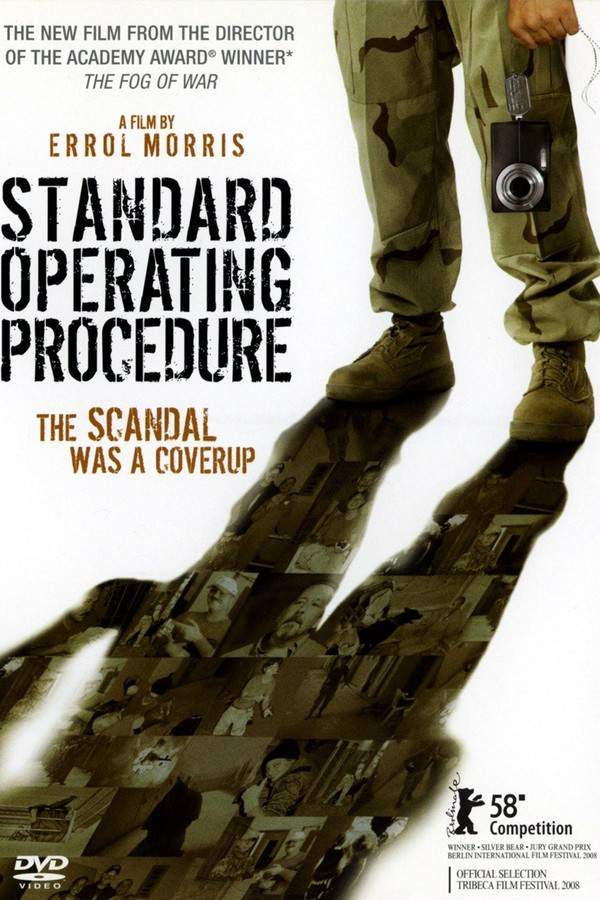
Standard Operating Procedure 2008

Directed by

Errol Morris
Made by

Sony Pictures Classics
Where to Watch Standard Operating Procedure
See current US streaming, rental, and purchase options for Standard Operating Procedure (2008) via JustWatch.






Standard Operating Procedure Plot Summary
Read the complete plot summary and ending explained for Standard Operating Procedure (2008). From turning points to emotional moments, uncover what really happened and why it matters.
Is it feasible for a single photograph to transform the world? The images captured by soldiers inside the Abu Ghraib prison not only shifted the course of the Iraq War but also altered America’s self-perception. Nonetheless, a significant mystery lingers: Do these infamous Abu Ghraib images serve as proof of systematic abuse perpetrated by the American military, or do they merely reflect the misconduct of a few individuals?
Our journey took us deep into the backdrop of these startling photographs. Why were they taken in the first place? What chaos lay beyond the edges of the frames? We engaged in conversations with the soldiers who took these haunting pictures as well as those who found themselves in them. Who are these individuals? What thoughts and feelings did they harbor? Over a rigorous two-year period, we gathered a staggering million and a half words of transcript from our interviews, alongside thousands of pages of unredacted documents, and hundreds of striking photographs. The narrative surrounding Abu Ghraib remains clouded with moral uncertainty; nonetheless, the events that transpired there remain chillingly clear.
The played-out saga of the Abu Ghraib photographs represents both a revelation and a concealment. They act as an expose, granting viewers an unsettling insight into the horrors witnessed at Abu Ghraib. Yet, they also serve as a coverup, leading journalists and the public to believe they had witnessed the entirety of the situation, creating an illusion that no further investigation was necessary. Recent news of the destruction of the Abu Zubaydah interrogation footage has emerged, adding layers to the ongoing coverup narrative. While this has garnered headline attention, the concealment tied to Abu Ghraib encompasses countless prisoners and numerous soldiers, leaving us to uncover its full extent.
Many in the media have pondered the existence of the “smoking gun” within the Abu Ghraib scandal. Yet, this inquiry misses the mark. As noted by Philip Gourevitch, “Abu Ghraib is the smoking gun.” A more profound question remains unresolved, even four years post-scandal: How could American ideals be so fundamentally compromised that the events at Abu Ghraib, along with the ensuing coverup, were able to unfold?
Standard Operating Procedure Timeline
Follow the complete movie timeline of Standard Operating Procedure (2008) with every major event in chronological order. Great for understanding complex plots and story progression.
Introduction of Abu Ghraib Photos
The film opens with the introduction of the infamous photographs taken by soldiers inside the Abu Ghraib prison. These images not only shocked the world but also became pivotal in reshaping the narrative of the Iraq War.
Shift in America's Perception
Following the release of the Abu Ghraib photographs, America's self-perception began to change significantly. The images forced a national introspection about the actions taken by the military and the implications of those actions on American values.
Investigating the Purpose of the Photos
As the narrative unfolds, the documentary delves into why these photographs were taken in the first place. It probes the conditions under which the soldiers operated and the chaotic environment that surrounded them during the Iraq War.
Interviews with Soldiers
The filmmakers conducted extensive interviews with the soldiers who took the haunting pictures as well as individuals featured in them. These conversations provided haunting insights into their motivations, emotions, and the moral dilemmas they faced.
Collection of Evidence
Through two years of research, the team amassed a staggering collection of transcripts, documents, and photographs. This effort sought to capture the full narrative surrounding the incidents at Abu Ghraib and the implications of each.
Exploring Moral Uncertainty
The complexities of the Abu Ghraib scandal are underscored by the moral uncertainty it presents. The documentary highlights how this uncertainty continues to cloud the interpretation of the events and the images that emerged from them.
The Nature of the Photographs
The photographs from Abu Ghraib are characterized as both a revelation and a concealment. They offer a disturbing glimpse into human rights abuses while also suggesting that the images may have obscured the need for a deeper investigation into the situation.
Emergence of Coverup Narrative
New developments regarding the destruction of the Abu Zubaydah interrogation footage contributed to the ongoing narrative of concealment. This raised eyebrows and suggested a broader effort to cover up the extent of military misdeeds tied to Abu Ghraib.
Media Reactions
In the media, debates proliferated around the existence of a 'smoking gun' that could clarify the scandal. Critics argue that the focus on finding such evidence detracts from the broader implications of the atrocities revealed by the photographs themselves.
Philosophical Questioning
The aftermath of the Abu Ghraib scandal raises profound questions about America's ideals and moral compass. The documentary leaves viewers grappling with how such significant compromises could occur within a nation that prides itself on human rights.
Lasting Impact of the Scandal
Even years after the scandal, the implications of Abu Ghraib continue to reverberate both within military circles and amongst the public. The military and societal perceptions of ethical responsibility have been irrevocably altered, demanding continuous scrutiny.
Call for Further Investigation
Despite the exposure provided by the photographs, the film argues that this was merely the tip of the iceberg. It emphasizes a need for ongoing investigation into the systemic issues surrounding military practices and treatment of detainees.
Standard Operating Procedure Settings
Learn where and when Standard Operating Procedure (2008) takes place. Explore the film’s settings, era, and how they shape the narrative.
Time period
Early 2000s
The early 2000s marked a significant period in modern history, characterized by the aftermath of the September 11 attacks and the ensuing global War on Terror. The invasion of Iraq in 2003 led to heightened scrutiny of military operations and the treatment of prisoners, particularly in the context of human rights violations that unfolded during this turbulent era.
Location
Abu Ghraib Prison
Abu Ghraib Prison, located near Baghdad, Iraq, is infamously known for the human rights abuses that took place during the Iraq War. It became a symbol of the darker aspects of American military policy and the ethical dilemmas surrounding wartime conduct. The prison's dark history remains a focal point of discussion about morality and accountability in conflict.
Standard Operating Procedure Themes
Discover the main themes in Standard Operating Procedure (2008). Analyze the deeper meanings, emotional layers, and social commentary behind the film.
🔍
Truth and Deception
The theme of truth versus deception is crucial in 'Standard Operating Procedure.' The controversial photographs from Abu Ghraib not only reveal shocking abuses but also generate questions regarding the narratives constructed around them. The film delves into how visual evidence can both expose reality and obscure deeper truths, ultimately prompting viewers to reflect on the complexities of accountability.
⚖️
Morality and Ethics
The film confronts the moral dilemmas faced by the military personnel involved in the Abu Ghraib scandal. It explores how individuals navigate their actions under the heightened stress of war and the ethical implications of their choices. This theme resonates throughout the narrative, illuminating the struggle between duty and personal ethics.

Coming soon on iOS and Android
The Plot Explained Mobile App
From blockbusters to hidden gems — dive into movie stories anytime, anywhere. Save your favorites, discover plots faster, and never miss a twist again.
Sign up to be the first to know when we launch. Your email stays private — always.
Explore the mobile appStandard Operating Procedure Spoiler-Free Summary
Discover the spoiler-free summary of Standard Operating Procedure (2008). Get a concise overview without any spoilers.
In a world still grappling with the fallout of a distant war, the film turns its gaze toward a single, haunting set of photographs that have come to symbolize a deeper crisis. By following the trail of those images—how they were captured, why they were taken, and what they have come to represent—the documentary asks what a picture can reveal about the structures that allow such moments to exist. Its premise rests on the tension between the visible and the hidden, inviting viewers to consider how a visual record can both expose and conceal the larger story behind it.
The setting shifts between stark prison corridors, crowded briefing rooms, and the hushed interiors of newsrooms, each space layered with its own texture of power, fear, and bureaucracy. Archival footage and unredacted documents sit alongside candid interviews, creating a collage that feels both investigative and reverent. The tone is deliberately measured, blending a journalistic rigor with a lingering melancholy that underscores the gravity of the subject without descending into sensationalism. Sound and image work together to evoke a mood of quiet urgency, as if the walls themselves are whispering unanswered questions.
The Filmmaker serves as the narrative’s steady compass, moving through these varied environments with a blend of curiosity and restraint. In conversations with the soldiers who lifted the cameras and the individuals who found themselves captured within their frames, the director uncovers personal reflections that humanize a story often reduced to headlines. These voices, each bearing its own weight of responsibility and doubt, form a chorus that hints at systemic forces while remaining grounded in individual experience.
Through its careful pacing and thoughtful composition, the documentary promises to peel back layers of complicity and denial, urging the audience to look beyond the single shot and confront the broader culture that allowed it to happen. The film’s immersive style and probing atmosphere leave a lingering sense of inquiry, inviting viewers to question how truth is constructed and what remains hidden in the shadows of official narratives.
Movies with Similar Twists and Themes
Uncover films that echo the narrative beats, emotional arcs, or dramatic twists of the one you're exploring. These recommendations are handpicked based on story depth, thematic resonance, and spoiler-worthy moments — perfect for fans who crave more of the same intrigue.

Featured on this page

What's After the Movie?
Not sure whether to stay after the credits? Find out!
Check out our other apps:

SAT Sphere
Build confidence for the Digital SAT.

Mori Atlas
Discover wild places worth protecting.

Luntero
Search smarter for a home in Amsterdam.

Plot Explained
Unravel movie endings and hidden clues.

Pokechamp
Dive into Pokémon data and battle logic.

Driving Theory
Get ready for your European theory test.

Movie Dust
Plan your next cinema trip with ease.

Musemap
Find art and culture as you travel.

Selkobase
Compare credentials before committing.

Local Manual
Turn an unfamiliar country into practical next steps.

Lernavi
Compare school systems before your next move.

GymRoam
Find a workout stop wherever your plans take you.
Explore Our Movie Platform
New Movie Releases (2026)
Famous Movie Actors
Top Film Production Studios
Movie Plot Summaries & Endings
Major Movie Awards & Winners
Best Concert Films & Music Documentaries
Movie Collections and Curated Lists
© 2026 What's After the Movie. All rights reserved.
Privacy Policy