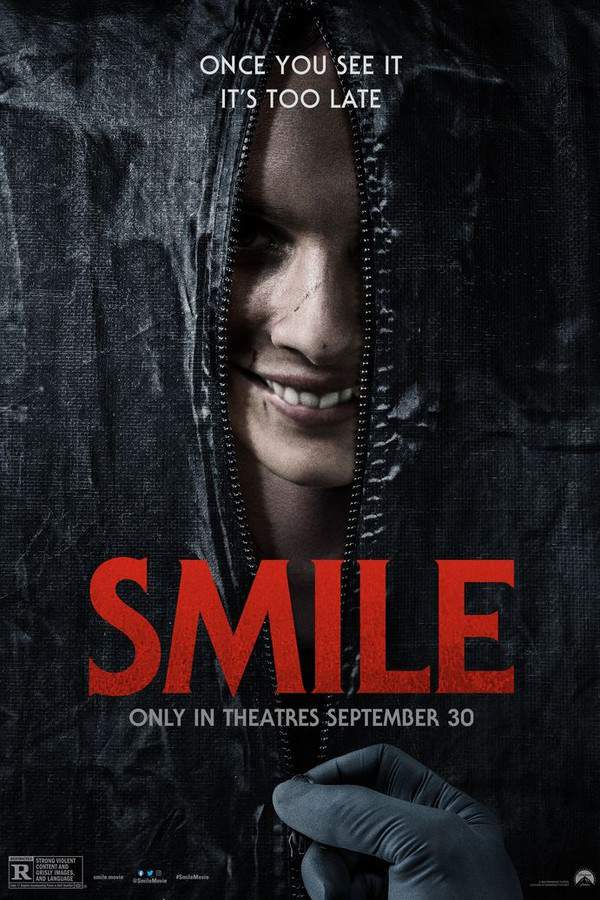


Smile Plot Summary
Read the complete plot summary and ending explained for Smile (1975). From turning points to emotional moments, uncover what really happened and why it matters.
Big Bob Freelander is a used-car dealer who also serves as the head judge of the Young American Miss Pageant held in Santa Rosa, California. The pageant operates under the steady gaze of Brenda DiCarlo, the executive director, while her husband, Andy, grapples with resentment and alcoholism. Andy faces a personal sense of obsolescence, as he begins to drift toward a humiliating rite at the local Jaycee chapter: kissing the anus of a dead chicken as part of a ritual that marks aging out of their circle.
The pageant atmosphere is a mix of glitter and pressure as thirty-three teenage contestants—each a local winner from across the state—arrive in Santa Rosa. They are sorted, instructed, and placed with host families that will shape their experiences in the days ahead. In the background, Little Bob—Big Bob’s son—focuses intently on the contestants’ applications, scrutinizing details like breast size, and he collaborates with friends to photograph the girls in various states of undress. The atmosphere grows tense as the camera lens comes to rest on the more vulnerable moments of the contestants.
Entering the scene is Tommy French, a Los Angeles-based choreographer who brings dance routines and a sharper dose of show business realism to the group. He clashes with Wilson Shears, the pageant’s producer, whose managerial instincts are practical, sometimes brittle, and who often reads the contestants with a blunt, sometimes caustic candor. The girls begin to give their interview responses to the judges, a process that exposes different personalities, ambitions, and insecurities.
Meanwhile, in the locker rooms, the pageant’s backstage dynamics take a darker turn. Little Bob snaps Polaroids of the contestants through a window while they shower, and his spying is finally interrupted when Wilson catches him and forces the young photographer to hand over the photographs to a police officer. The incident casts a pall over preparations for the upcoming performances and raises questions about boundaries, surveillance, and exploitation in a space meant for celebration.
On the Thursday preliminary show, a novice contestant named Robin Gibson emerges as one of the winners, earning support and practical advice from Doria Houston, a veteran of the pageant who offers tips on how to present oneself on stage. Her guidance includes practical tricks, such as how to adjust a smile for the cameras, which reflects the broader pressure contestants feel to present a flawless, marketable persona. The following morning, a tense moment occurs as Big Bob brings Little Bob to a psychiatrist, hoping to understand the disturbing fixation. Dr. H. Malvert offers a measured explanation, suggesting that Little Bob is simply a curious teenager exploring sexuality rather than exhibiting a deeper pathology.
That evening, during a pageant performance, trouble erupts as several contestants sabotage Maria Gonzales’s patriotic routine by damaging the stage sets. Around the same time, Andy visits the Jaycee chapter meeting, but he falters when forced to complete the initiation ritual. Upon returning home, he and Brenda argue, and a pistol is fired, grazing Brenda’s shoulder. The morning after, Big Bob visits Andy in jail to offer moral support and to advocate for old-fashioned American values. Yet Andy remains resentful, mocking him and accusing him of speaking like a Young American Miss.
Financial pressures intensify as the pageant becomes more expensive than anticipated. Wilson pushes Tommy to remove a ramp because it eats into seating, a decision that aggravates injuries to Doria and tests the performers’ ability to adapt on the fly. Tommy eventually agrees to reinstate the ramp and to cover the shortfall from his own fee, a move that underscores the fragile economics behind high-profile productions.
The pageant’s final night arrives with anticipation and strain. Brenda attends despite the lingering soreness from her shoulder injury, and the competition culminates with Shawn Christianson, a seemingly outsider to the other contestants, being crowned the state title winner after the judging concludes. The victory brings its own set of emotions and reactions, highlighting how the pageant can elevate some contestants while leaving others in the margins.
The morning after the finale, Robin wanders past Big Bob’s RV lot, where he is shown attempting to sell an RV to interested buyers. In a separate, quiet corner of the story, a policeman stationed nearby looks at a full-frontal nude photograph of Karen Love, Miss Simi Valley, hinting at the ongoing undercurrents of privacy invasion, fame, and the kinds of adult scrutiny that follow pageant life beyond the stage lights.
In this world of glitz and pressure, ambition and discomfort mingle in ways that test the contestants, the organizers, and the families connected to the pageant. The film traverses a landscape of mentorship and manipulation, celebration and risk, leaving a lasting impression of how competitive environments can reveal character—both laudable and deeply flawed—under the bright glare of competition.
Smile Timeline
Follow the complete movie timeline of Smile (1975) with every major event in chronological order. Great for understanding complex plots and story progression.
Contestants arrive in Santa Rosa
Thirty-three teenage pageant winners travel to Santa Rosa to begin the process. They are assigned to local host families and briefed by Brenda DiCarlo, with Big Bob Freelander serving as head judge. The arrival establishes the pageant’s social dynamics and the power structure surrounding the event.
Little Bob starts scheming
Big Bob’s son, Little Bob, pores over contestant applications and evaluates the contestants' figures. He plots with friends to photograph the girls in various states of undress, signaling the movie’s voyeuristic undercurrents. The scheming foreshadows the corruption simmering beneath the pageant’s sparkling surface.
Tommy French arrives and rehearses
Los Angeles choreographer Tommy French is introduced to the contestants and begins teaching dance routines. Producer Wilson Shears clashes with him, creating tension behind the scenes. The rehearsal period frames the contrast between showbiz glamour and harsh production realities.
Contestants interview with judges
The girls perform interviews for the judging panel, revealing ambitions, backgrounds, and personalities. These interviews help determine how the contestants will be perceived on stage. The process heightens the audience's investment in the pageant’s outcome.
Little Bob's camera incident
While the girls shower in the auditorium locker rooms, Little Bob snaps photos through a window. Wilson intervenes and forces him to surrender the photographs to a police officer. The incident underscores the intrusion of prying eyes and the breach of consent at the pageant.
Robin Gibson shines in prelims
At the Thursday preliminary show, Robin Gibson is one of three winners, signaling a potential standout. Her roommate Doria Houston offers practical advice on how to excel, like adjusting her smile with Vaseline on her teeth. The scene emphasizes preparation, mentorship, and the quest for the crown.
Big Bob confronts Little Bob's behavior
The next morning, Big Bob takes Little Bob to a psychiatrist, seeking to understand his son’s curiosity. Dr. H. Malvert reassures that Little Bob’s behavior is exploratory rather than pathological. This moment tries to normalize youthful curiosity amidst broader moral panic.
Sabotage disruption during performance
During a pageant performance, several contestants sabotage Maria Gonzales’s patriotic routine by damaging stage sets. The act of sabotage raises the stakes and reveals competitive tensions backstage. The incident adds a sharp, chaotic note to the competition.
Andy's Jaycee visit and home confrontation
Andy visits the Jaycee chapter meeting but aborts the initiation rite. When he returns home, he gets into an argument with Brenda and shoots her, grazing her shoulder. The violence confronts the fragile veneer of the pageant world and its domestic fallout.
Big Bob visits Andy in jail
The following morning, Big Bob goes to visit Andy in jail to offer moral support and defend American values. Andy insults him, accusing him of speaking like a Young American Miss. The scene highlights fractured family dynamics and the consequences of the crisis.
Production costs rise and ramp controversy
The pageant becomes more expensive than anticipated, forcing Wilson to pressure Tommy to remove a ramp to free seating. Doria is injured when the change is made, and Tommy agrees to reinstate the ramp and cover the difference out of his fee. The backstage drama shows the cost of spectacle.
Final night arrives
Big Bob arrives for the final night of the pageant, where Brenda still attends despite her shoulder injury. His presence reinforces the authority of the pageant’s organizers. The atmosphere is tense as the contestants await the final judging.
The winner is crowned
Miss Fountain Valley Shawn Christianson, an outsider, unexpectedly wins the state title after final judging. Her victory challenges expectations and expands the perceived boundaries of the pageant. The moment caps the competitive arc with a surprising outcome.
Robin’s farewell moment
The morning after the pageant, Robin passes by Big Bob’s RV lot while Big Bob tries to sell an RV. The scene juxtaposes ordinary sales with the pageant’s pervasive undercurrents. This turn hints at unresolved ambitions among the contestants.
Police photo reality closes the circle
In a patrol car nearby, the officer who confiscated Little Bob’s photos stares at a full-frontal nude photo of Karen Love, Miss Simi Valley. The image ties the surveillance, secrecy, and exploitation thread to a broader national gaze on beauty campaigns. The final moment lingers on the moral costs of the pageant world.
Smile Characters
Explore all characters from Smile (1975). Get detailed profiles with their roles, arcs, and key relationships explained.
Big Bob Freelander (Bruce Dern)
A pompous used-car magnate who serves as the head judge for the state pageant. He clings to a public image of traditional American values while managing family dynamics that blur personal and professional lines. His authority is tested as his own son’s misbehavior and the pageant’s expenses threaten the veneer of dignity he wants to project.
Brenda DiCarlo (Barbara Feldon)
The pageant’s executive director, married to Andy. She oversees the production, guiding the contestants through interviews and performances while bearing the physical and emotional toll of the pageant’s pressures. Her resilience is tested by violence and workplace politics as she navigates the politics of the pageant world.
Andy
Brenda’s resentful husband, a morescent figure whose frustrations surface over the pageant’s expectations and his own standing in the community. He resists the pageant’s rituals and ultimately acts violently, underscoring the moral fragility running through the event.
Little Bob
Big Bob’s son, a curious and opportunistic teen who pores through contestant applications, analyzing breast sizes, and conspires with friends to photograph contestants in various states of undress. His behavior exposes the moral blind spots of adults around the pageant and foreshadows the consequences of exploiting others for personal fascination.
Tommy French
Los Angeles choreographer hired to teach dance routines. He is blunt and cynical about the contestants while driving the production’s artistic direction. He negotiates with producers over stage design and finally reinstates a crucial ramp to accommodate the show, showing how art and money intersect on stage.
Wilson Shears
The pageant producer clashing with Tommy over creative decisions. He embodies the business-side of pageantry, pressuring talent and staging to maximize spectacle while navigating budget tensions.
Doria Houston
A veteran contestant who offers advice to rookie Robin, guiding them on how to excel in the pageant world. She represents the insider knowledge and experience within pageantry, as well as the fragility of long-term participation.
Robin Gibson
A novice contestant who wins one of the Thursday preliminaries and seeks guidance from a veteran. She embodies the new generation’s hopes and the pressure to perform during the pageant.
Maria Gonzales
A contestant who becomes a target of sabotage during a patriotic routine. Her experience underscores the ruthlessness and competitive danger inherent in the contest.
Shawn Christianson
The outsider winner of the final state title, whose victory seems unexpected. Her status as an outsider highlights the pageant’s unpredictable dynamics and the idea of breaking into the top ranks.
Karen Love
Miss Simi Valley who appears in a full-frontal nude photograph in a policeman's view; her appearance underscores the exposure of contestants under public scrutiny.
Smile Settings
Learn where and when Smile (1975) takes place. Explore the film’s settings, era, and how they shape the narrative.
Time period
1970s
The events unfold in a contemporary 1970s California setting, a period of growing TV-driven celebrity culture and evolving attitudes toward gender and spectacle. The pageant is a major local spectacle with organized productions, media interviews, and live performances. The era's social dynamics shape the characters' ambitions, tensions, and moral compromises.
Location
Santa Rosa, California, Los Angeles, California, Simi Valley, California, Fountain Valley, California
The pageant takes place primarily in Santa Rosa, California, in a large auditorium used for the state pageant ceremonies. The town provides the backdrop of local pride, with contestants staying with host families as they prepare. Scenes unfold across other Californian locales, including Los Angeles for choreography work, and background settings in Simi Valley and Fountain Valley that frame the contestants' lives.
Smile Themes
Discover the main themes in Smile (1975). Analyze the deeper meanings, emotional layers, and social commentary behind the film.
🎭
Pageant Satire
Smile uses a sharp satirical lens to expose how the beauty-pageant circuit reduces contestants to appearances and manufactured personas. Producers, judges, and directors manipulate outcomes to serve financial and reputational interests. Contestants navigate rivalries, pressure, and moral compromises as the show spirals into expense and spectacle.
🪞
Objectification
The film centers on the commodification of young women, where beauty, measurements, and photogenic smiles become the currency of success. Adolescents learn to perform confidence and charm while private insecurities go unaddressed. The narrative highlights how gaze, consent, and privacy are traded for opportunity.
💥
Conflict & Consequences
Tensions among family, producers, and contestants erupt into violence and chaos. There is sabotage of a contestant's routine, a shooting incident, and mounting financial strain as the pageant's costs escalate. Personal loyalties are tested as characters confront hypocrisy and moral compromise under pressure.

Coming soon on iOS and Android
The Plot Explained Mobile App
From blockbusters to hidden gems — dive into movie stories anytime, anywhere. Save your favorites, discover plots faster, and never miss a twist again.
Sign up to be the first to know when we launch. Your email stays private — always.
Explore the mobile appSmile Spoiler-Free Summary
Discover the spoiler-free summary of Smile (1975). Get a concise overview without any spoilers.
In the quiet corridors of a rural hospital, a routine medical emergency spirals into something far more unsettling, leaving a ripple of unease that reaches far beyond the operating room. Rose Cotter, a compassionate psychiatrist accustomed to anchoring others in reality, is thrust into a disorienting world where the line between what is seen and what is felt begins to blur. The incident awakens a series of inexplicable, increasingly ominous moments that seep into her everyday life, turning familiar settings into unsettling stages for strange, almost predatory, manifestations.
The film immerses the viewer in a tone that balances clinical precision with creeping dread, using stark lighting and tight framing to echo Rose’s growing sense of being watched. As she strives to maintain her professional composure, the atmosphere tightens around her, suggesting that the very act of confronting the trauma may be stirring forces that have long lain dormant. The ordinary becomes a canvas for uncanny silhouettes, and every reflective surface hints at a deeper, unseen presence that seems intent on unsettling her perception of self.
Rose’s relationships with those around her—colleagues, patients, and family—serve as both anchors and mirrors, reflecting the tension between her rational expertise and the irrational terror that gnaws at her psyche. The narrative hints at a personal history marked by hidden wounds, suggesting that the current ordeal may be forcing her to re‑examine buried truths. Through a blend of psychological suspense and subtle supernatural suggestion, the story invites the audience to wonder whether the horror is an external entity, an internal breakdown, or an unsettling convergence of both.
Against a backdrop of muted colors and a soundscape that shifts from clinical hum to disquieting whispers, the film maintains a relentless sense of anticipation. It draws viewers into a world where every smile could hide a threat, and where Rose must navigate an ever‑shrinking space between sanity and the abyss, all while the forces around her grow ever more relentless in their quiet, relentless pursuit.
Movies with Similar Twists and Themes
Uncover films that echo the narrative beats, emotional arcs, or dramatic twists of the one you're exploring. These recommendations are handpicked based on story depth, thematic resonance, and spoiler-worthy moments — perfect for fans who crave more of the same intrigue.
Featured on this page

What's After the Movie?
Not sure whether to stay after the credits? Find out!
Check out our other apps:

SAT Sphere
Build confidence for the Digital SAT.

Mori Atlas
Discover wild places worth protecting.

Luntero
Search smarter for a home in Amsterdam.

Plot Explained
Unravel movie endings and hidden clues.

Pokechamp
Dive into Pokémon data and battle logic.

Driving Theory
Get ready for your European theory test.

Movie Dust
Plan your next cinema trip with ease.

Musemap
Find art and culture as you travel.

Selkobase
Compare credentials before committing.

Local Manual
Turn an unfamiliar country into practical next steps.

Lernavi
Compare school systems before your next move.

GymRoam
Find a workout stop wherever your plans take you.
Explore Our Movie Platform
New Movie Releases (2026)
Famous Movie Actors
Top Film Production Studios
Movie Plot Summaries & Endings
Major Movie Awards & Winners
Best Concert Films & Music Documentaries
Movie Collections and Curated Lists
© 2026 What's After the Movie. All rights reserved.
Privacy Policy