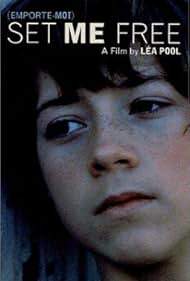
Set Me Free 2000

Directed by

Léa Pool
Made by

Merchant Ivory Productions
Set Me Free Plot Summary
Read the complete plot summary and ending explained for Set Me Free (2000). From turning points to emotional moments, uncover what really happened and why it matters.
In 1963, a 13-year-old girl named Hanna sits at the edge of a turning point in rural Quebec, living with her grandparents and her uncle who, it seems, has a developmental difference. When she gets her first period, a moment laden with awkwardness and curiosity, she interrupts a family dinner with a call from her father, an interruption that unsettles her grandmother and foreshadows a shift in Hanna’s sense of belonging. The onset of puberty, paired with her grandmother’s matter-of-fact, less-than-supportive explanation, nudges Hanna toward a decision: she will return to her parents in Montreal to navigate this new chapter with them.
Back in the small, fraying apartment, Hanna is greeted by her brother Paul. The family’s finances are strained, with rent often overdue and sometimes paid by pawning items from the home. Her father, a Polish Jewish poet who survived the Holocaust, is both overbearing and capable of tenderness. He longs to connect with Hanna by sharing intimate memories—recounting his former wife who was killed by the Nazis and urging Hanna to read works that shaped his worldview. His intensity contrasts with Hanna’s mother, who carries depression, labors long hours in a sewing factory, and spends nights typing her husband’s poems. Despite moments of anger toward him, Hanna’s mother confesses a need for him as part of their imperfect life.
As Hanna grows into this new life, she wrestles with her body and her feelings. A pivotal moment comes when she slips away to a cinema screening of Jean-Luc Godard’s Vivre Sa Vie and becomes entranced by Nana, the film’s poised and searching character. The influence of that film seeps into Hanna’s daily world—she begins to experiment with self-presentation, adopting certain poses and styles that echo Nana’s independence. At school, Hanna’s first day is charged with risk as she openly states that her parents are not married and that she herself does not identify as Jewish or Catholic, reflecting the complex loyalties and questions about identity that have shaped her life. A teacher who notices her courage and defiance defends Hanna against anti-Semitic taunts from a classmate. The teacher’s own resemblance to Karina’s character sparks a quiet admiration, and she encourages Hanna to forge her own beliefs rather than rely on a cinematic model.
Hanna’s world expands as she explores her sexuality and sense of self. She spends time with a school friend named Laura, and the two attend a dance together, sharing a kiss that deepens Hanna’s sense of possibility and vulnerability. When Hanna introduces Laura to Paul, the trio forms a small, complicated unit as they try to understand their feelings and friendships, all while Hanna increasingly feels isolated inside her own awakening.
Tragedy intrudes when Hanna’s mother attempts suicide after a quarrel with her husband. Visiting at the hospital, Hanna is haunted by the sedated, unresponsive figure of the mother she loves and fears losing. A moment of danger follows when a bread run becomes an assault: the baker, who is supposed to simply hand over bread and a few coins, leads Hanna into a back room where he gropes her. The encounter is brief but brutal, leaving Hanna with a sense of violation that shadows the rest of the day.
After a further dispute with her father, Hanna and Paul decide to leave the apartment, though Hanna does not return to the familiar home. She wanders into the city’s red-light district, is accompanied by a stray dog, and begins to borrow the persona of a prostitute, mirroring the style she admired in Godard’s film. A man offers her a ride to a cheap hotel, but when his advances turn coercive, Hanna musters the will to flee, narrowly escaping a worse fate.
Crushed by despair, Hanna collapses at her teacher’s doorstep, the dog by her side, and the next morning they are found. She returns to the family apartment, where her father offers a warm welcome with a dinner prepared in his house. She resumes school, where her teacher lends her a small movie camera, believing in her potential and promising she will learn to use it. The film closes with shots from the camera, capturing glimpses of Hanna’s mother and reflecting a tentative, hopeful turn toward the summer spent at the grandparents’ house. The ending suggests that, despite the turmoil, Hanna’s journey toward understanding herself and her place in her family—and the world around her—continues with a renewed sense of possibility.
Set Me Free Timeline
Follow the complete movie timeline of Set Me Free (2000) with every major event in chronological order. Great for understanding complex plots and story progression.
First period sparks return to Montreal
In 1963, Hanna, a 13-year-old girl living on a rural Quebec farm, experiences her first period. The moment interrupts family dinner and exposes the lack of supportive guidance about puberty. Spurred by the upheaval, she decides to return to her parents in Montreal.
Back in Montreal: crowded family life
Hanna arrives at a small Montreal apartment and is reunited with her brother Paul. The family struggles with rent and money, often pawning household items to cover costs. Her father, an aspiring poet who survived the Holocaust, alternates between tenderness and controlling outbursts.
Stories, memory, and pressure
Her father shares memories of his former wife and urges Hanna to read The Diary of Anne Frank, linking family history to present hardship. Her mother is depressed, working long hours and typing her husband's poems at home. The fragile domestic balance shapes Hanna's search for belonging.
Cinema escape and identity
While wrestling with puberty, Hanna sneaks into a cinema to see Godard's Vivre Sa Vie and is captivated by Nana's sense of personal responsibility. She begins imitating Karina's poses and style as a way to craft her own identity. The film's influence becomes a throughline for her self-image.
First school day and identity
On her first day at a new school, Hanna openly states that her parents are not married and that she does not identify as Jewish or Catholic. The revelation draws taunts and suspicion from classmates. The dynamics foreshadow a teacher stepping in to defend her later.
Teacher's defense and advice
A teacher who resembles Karina admires Hanna's independence but cautions her to form her own view of life rather than copying a film icon. The teacher's defense offers a potential mentor in Hanna's evolving self-perception. Hanna's resolve to be independent remains central.
Dance with Laura and unfolding feelings
Hanna attends a dance with her friend Laura, and they share a kiss, marking a new exploration of sexuality. She introduces Laura to Paul and the three spend time together, reflecting a shifting trio of relationships. The experience underscores Hanna's sense of growing autonomy and isolation.
Mother's suicide attempt
After a quarrel with her husband, Hanna's mother attempts suicide. Hanna visits the hospital and finds her sedated mother unresponsive, deepening her sense of familial distance. The moment reveals the fragility of Hanna's home life.
Bakery incident
Following a bread errand, Hanna is taken to the bakery's back kitchen where a worker gropes her. He gives her bread and money but the abuse leaves a lasting mark on her sense of safety. The incident exposes the predatory danger lurking in her world.
Leaving home and wandering the city
After a dispute with her father, Hanna and Paul leave the apartment and she does not return. She wanders into the city, befriends a lost dog, and begins adopting the pose and attitudes of a prostitute, echoing Karina's character. Her state of mind grows increasingly unsettled.
Red-light district and persona
Hanna continues to roam the city’s fringes, befriending a lost dog and deepening the Karina-inspired persona she’s been cultivating. The urban environment amplifies her isolation and curiosity about adult roles. The line between imitation and selfhood becomes increasingly blurred.
Hotel confrontation and escape
A man picks Hanna up and takes her to a cheap hotel room, where he tries to force himself on her. She resists the assault and flees, asserting her agency in a dangerous moment. The incident sharpens her resolve to seek safety and return home.
Collapse on the teacher's doorstep
Driven almost to despair, Hanna collapses on her teacher's doorstep with her dog; they are discovered in the morning. This moment signals a turning point toward seeking help and repair. The dog remains a steady companion through the crisis.
Return, camera, and summer plan
Hanna returns to the family apartment, where her father welcomes her back with a dinner prepared for the occasion. Back at school, she is loaned a small movie camera by her teacher, who promises she will learn to use it. The film ends with shots from the camera of Hanna's mother as they head to the grandparents' house for the summer.
Set Me Free Characters
Explore all characters from Set Me Free (2000). Get detailed profiles with their roles, arcs, and key relationships explained.
Hanna
13-year-old Hanna is caught between rural upbringing and urban possibilities as she navigates puberty and a dawning sense of independence. She is introspective, observant, and eager to understand herself, often turning to art and film for guidance. Her journey is marked by moments of vulnerability and resilience as she tests boundaries with family, friends, and strangers.
Father
Hanna's overbearing, sometimes abusive father is a Polish Jew who survived the Holocaust in France and is an aspiring poet. He uses literature and memories of the past to connect with Hanna while also exerting control over the family. His contradictions shape Hanna's understanding of love, danger, and artistic ambition.
Mother
Hanna's mother is depressive and overworked, spending long hours in a sewing factory while seeking emotional connection. She oscillates between anger and tenderness, and she confesses that she needs her husband. Her fragility and resilience create the emotional core of the home and influence Hanna's longing for stability.
Paul
Hanna's brother, who returns to the cramped apartment and offers a counterpoint to Hanna's desire for independence. He provides moments of camaraderie and occasional tension as the siblings navigate a complex family dynamic.
Laura
Hanna's school friend who joins her on a dance and a kiss, illustrating early experimentation with intimacy and identity. Laura gives Hanna companionship and a space to explore her feelings outside the family.
Teacher
A teacher who defends Hanna against taunts and admires her growing independence. She recognizes Hanna's potential and provides guidance, even lending her a camera to begin telling her own story.
Bakery Baker
A bakery worker who gropes Hanna in a back kitchen, highlighting the real danger she faces outside the family circle and the vulnerabilities of young girls in public spaces.
Set Me Free Settings
Learn where and when Set Me Free (2000) takes place. Explore the film’s settings, era, and how they shape the narrative.
Time period
1963
Set in 1963 Quebec, the story sits at a moment of social change where traditional family roles are being questioned. The contrast between rural life and city living mirrors Hanna's own shifting sense of self. The year anchors scenes of school, family conflict, and first steps toward independence and self-expression.
Location
Rural Quebec, Montreal
The film shifts between a farm in rural Quebec where Hanna lives with her grandparents and uncle, and a cramped Montreal apartment where she reconnects with her parents. The rural and urban settings highlight the pull between traditional life and new ideas in the early 1960s. These places frame Hanna's coming-of-age journey as she moves between worlds.
Set Me Free Themes
Discover the main themes in Set Me Free (2000). Analyze the deeper meanings, emotional layers, and social commentary behind the film.
🌱
Coming of Age
Hanna's puberty triggers a push toward independence and self-definition. She tests boundaries by questioning her religious and familial labels and seeking control over her body and choices. Her fascination with Godard's Nana embeds an idea of personal responsibility and self-authorship. The film ends with a glimmer of growth as she is handed a movie camera, signaling a new form of self-expression.
🧭
Family and Belonging
The father is overbearing and abusive at times, yet capable of tenderness, shaping Hanna's understanding of love and danger. The mother is depressive and overworked, creating emotional distance but deep needs for connection. The siblings navigate loyalty, blame, and care as the home becomes a pressure cooker. These dynamics push Hanna toward seeking belonging beyond her parents, while the eventual reconciliation hints at fragile family bonds.
🎭
Art and Identity
Hanna imitates Karina from Godard's film, adopting similar poses to explore personal responsibility and self-expression. Cinema becomes a lens through which she tries on different identities and navigates desire and autonomy. The teacher's admiration for Hanna's independence reinforces the value of art as a means of self-discovery. The end's camera gift underscores how creative tools can help narrate one's own life.
⚖️
Power and Boundaries
Moments of exploitation—such as the bakery incident and the lure of the city's red-light district—force Hanna to test her boundaries and safety. The story treats these dangers with care, emphasizing consent, protection, and the need for trusted adults. Hanna's flight from danger and eventual return illustrate resilience and a search for personal sovereignty. The narrative highlights the vulnerability of young girls and the importance of agency and support.

Coming soon on iOS and Android
The Plot Explained Mobile App
From blockbusters to hidden gems — dive into movie stories anytime, anywhere. Save your favorites, discover plots faster, and never miss a twist again.
Sign up to be the first to know when we launch. Your email stays private — always.
Explore the mobile appSet Me Free Spoiler-Free Summary
Discover the spoiler-free summary of Set Me Free (2000). Get a concise overview without any spoilers.
In the winter of 1963, a corner of rural Quebec cradles the world of Hanna, a thirteen‑year‑old on the brink of womanhood. Living with her grandparents and an uncle whose differences set him apart, she experiences the first stirrings of her own body and the ache of belonging. When her period arrives, a simple call from her father cracks the family dinner, hinting that the familiar walls of the farm will soon give way to the bustling streets of Montreal, where she hopes to chart a new course.
The move thrusts Hanna into a cramped apartment shared with her older brother Paul, a father haunted by the Holocaust and a mother whose quiet depression weighs on the household. Their finances hover on the edge, with rent often covered by pawning treasured objects. In this intimate, pressure‑filled setting, family love is expressed in tangled gestures—his father’s poetic longing to connect through stories and his mother’s relentless work in a sewing factory—creating a backdrop where every conversation feels both tender and fraught.
Montreal’s pulse introduces Hanna to a world that feels simultaneously alien and exhilarating. A chance encounter with Jean‑Luc Godard’s Vivre Sa Vie sparks a fascination with the film’s heroine, planting seeds of rebellion and self‑expression that begin to surface in her posture, style, and the way she speaks her truth at school. A daring teacher, noticing her courage, offers quiet support against the tide of prejudice, while a budding friendship with a classmate named Laura opens new questions about desire and identity. The city’s artistic undercurrents and the raw honesty of adolescence intertwine, painting a portrait of a girl learning to own her narrative.
Against the backdrop of 1960s Quebec—a time of cultural shift and lingering shadows—the story swells with a tone that is both lyrical and unflinching. Hanna moves through cramped rooms, bustling classrooms, and dimly lit cinemas, each space reflecting her yearning for freedom and the weight of familial responsibility. The atmosphere is tinged with melancholy yet flickers with the promise of self‑discovery, inviting the audience to linger in the delicate balance between confinement and the restless hope of breaking away.
Featured on this page

What's After the Movie?
Not sure whether to stay after the credits? Find out!
Check out our other apps:

SAT Sphere
Build confidence for the Digital SAT.

Mori Atlas
Discover wild places worth protecting.

Luntero
Search smarter for a home in Amsterdam.

Plot Explained
Unravel movie endings and hidden clues.

Pokechamp
Dive into Pokémon data and battle logic.

Driving Theory
Get ready for your European theory test.

Movie Dust
Plan your next cinema trip with ease.

Musemap
Find art and culture as you travel.

Selkobase
Compare credentials before committing.

Local Manual
Turn an unfamiliar country into practical next steps.

Lernavi
Compare school systems before your next move.

GymRoam
Find a workout stop wherever your plans take you.
Explore Our Movie Platform
New Movie Releases (2026)
Famous Movie Actors
Top Film Production Studios
Movie Plot Summaries & Endings
Major Movie Awards & Winners
Best Concert Films & Music Documentaries
Movie Collections and Curated Lists
© 2026 What's After the Movie. All rights reserved.
Privacy Policy