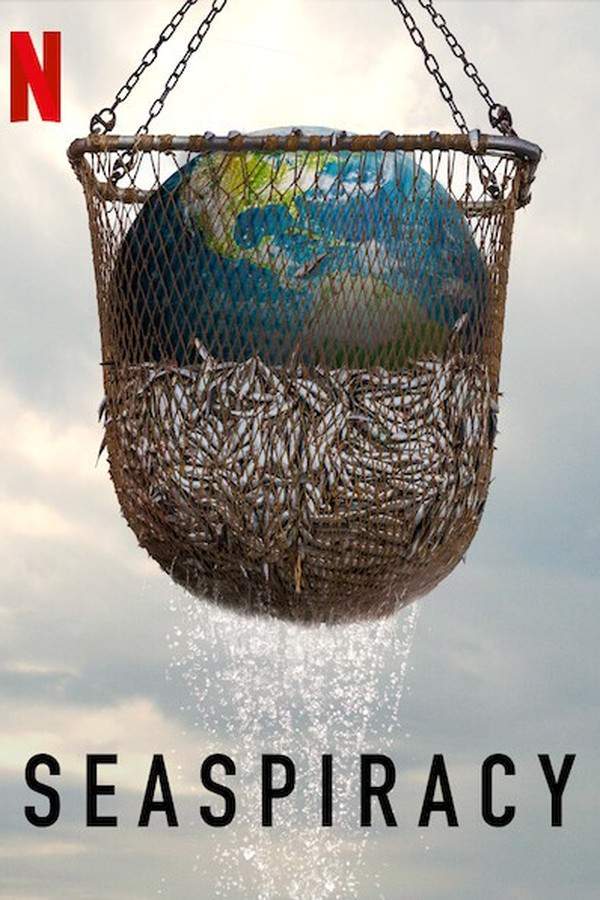
What Happens in Seaspiracy?
The complete story of Seaspiracy, from the first scene to the last, in 282 words (about 1 minute). Spoilers throughout. Names in the text link to 3 cast member pages.
Spoilers ahead
In this documentary, Tabrizi serves as both the narrator and protagonist, guiding the audience through a discovery process that builds narrative momentum and suspense. The film highlights the devastating collapse of sea turtle, dolphin, shark, and whale populations, arguing that public focus on small plastics, such as straws, has distracted from the more critical issue of ghost nets (discarded fishing gear) and the tragedy of bycatch.
The film critically examines the effectiveness of environmental organizations, specifically questioning whether the Earth Island Institute, the Marine Stewardship Council, and the Dianna Cohen-led Plastic Pollution Coalition have successfully implemented truly sustainable seafood standards.
Spanning a global landscape, the narrative visits:
- The dolphin drive hunts in Taiji, Japan
- Whaling operations in the Faroe Islands
- Fish markets across China and Thailand
- Salmon farms in Scotland
- The coastal waters of West Africa
Through the use of animation and hidden cameras, the film depicts scenes of violence and the imminent perils faced by Tabrizi and his crew. A significant portion of the documentary focuses on the direct action of the Sea Shepherd Conservation Society, featuring Lamya Essemlali and Tamara Arenovich. This includes a harrowing investigation into modern slavery and worker exploitation on Thai fishing vessels and illegal practices in Liberian waters.
The film ultimately asserts that the only viable solution to human exploitation and collapsing stocks is the complete cessation of fish consumption. This is supported by alarming statistics, including:
Various fish species listed at >90% wild population loss.
The documentary warns that global oceans could be essentially devoid of fish by 2048. While aquaculture is explored as a potential alternative, the film dismisses it as untenable due to coastal degradation, disease, and the unsustainable nature of fish feed.
Seaspiracy Timeline: Every Key Event in Order
16 key events in the order they happen, from “The journey begins” to “Reaching the conclusion”. 7 events name a place, across 6 locations.
- 1
The journey begins
Filmmaker Ali Tabrizi sets out as both narrator and protagonist, embarking on an investigation into the true state of the world's oceans. As an ocean advocate, he begins documenting his discoveries, sharing key pieces of information at the same moment the viewer learns them. This framing device builds narrative momentum and suspense throughout the film.
- 2
Learning of collapsing ocean populations
Early in the film, Tabrizi confronts the devastating collapse of whale, shark, dolphin, and sea turtle populations. The scale of the destruction becomes a central motivator for his deepening investigation. Statistics reveal that various fish species have suffered more than 90% wild population loss.
- 3
Following the plastics narrative
Tabrizi initially explores the environmental movement's focus on small consumer plastics, such as straws. He finds that campaign groups like the Plastic Pollution Coalition have heavily promoted this consumer-facing message. This focus, he discovers, has obscured far larger problems in the ocean.
- 4
Uncovering the ghost nets crisis
The film reveals that plastic waste from fishing gear, known as ghost nets, is a far greater source of ocean plastic than consumer items like straws. Alongside this, the devastation of bycatch comes into focus as a massive, underreported killer of marine life. The environmental groups' emphasis on straws is exposed as having obfuscated the true scale of the problem.
- 5
Questioning 'dolphin-safe' labels
Tabrizi investigates whether so-called dolphin-safe products can actually be trusted. His scrutiny centers on the Earth Island Institute, the organization responsible for certifying dolphin-safe tuna. The film suggests that environmental organizations have been unable to define or effectively implement dolphin-safe standards.
- 6
Witnessing the Taiji dolphin drive hunt
Tabrizi travels to southern Japan to document the infamous Taiji dolphin drive hunt. The film captures the brutal reality of the hunt, with animation used to depict scenes of violence. The sequence reveals how dolphins are driven into coves and slaughtered.
Where:Taiji, Japan
- 7
Documenting whaling in the Faroe Islands
The investigation continues north to the Faroe Islands, where traditional whaling hunts take place. Tabrizi and his crew film the practice despite the danger of confronting local participants. The sequence adds to the film's global portrait of large-scale marine mammal killing.
Where:Faroe Islands
- 8
Scrutinizing sustainability certifications
The film examines whether 'sustainable seafood' labels can be effective or even meaningfully defined. The Marine Stewardship Council comes under particular criticism for certifying fisheries as sustainable. Tabrizi argues that these organizations have failed to implement genuine sustainability standards.
- 9
Facing danger from the industry
At various moments, Tabrizi and his crew appear to face imminent peril from local authorities and corrupt fishing industry players. Some of this action is captured through hidden camera techniques, revealing confrontations that could not be filmed openly. The escalating tension underscores how much is at stake in exposing the industry's practices.
- 10
Sailing with Sea Shepherd in West Africa
The film features an extended section documenting the work of the Sea Shepherd Conservation Society, an American group focused on direct action at sea. Along the coast of West Africa, Tabrizi joins efforts to expose illegal fishing practices in Liberian waters. The investigation also documents the exploitation of workers in the region's fishing industry.
Where:Liberia, West Africa
Show the other 6 events of Seaspiracy Hide the last 6 events
- 11
Exposing modern slavery at sea
The investigation turns to Thailand, where modern slavery conditions on fishing vessels are examined in depth. Tabrizi interviews several survivors of forced labor at sea, sharing their harrowing firsthand accounts. The segment connects seafood supply chains directly to severe human rights abuses.
Where:Thailand
- 12
Touring Asian fish markets
Tabrizi visits fish markets in Thailand and China to trace the scale of global seafood commerce. The markets serve as a window into the vast demand driving both overfishing and labor exploitation. The footage reinforces the links between consumer demand and the abuses documented throughout the film.
Where:Thailand and China
- 13
Exploring fish farming in Scotland
The possibility of aquaculture as a solution to collapsing wild fish stocks is introduced, prompting a trip to Scotland. Tabrizi tours salmon aquaculture farms to evaluate whether farmed fish could relieve pressure on wild populations. The visit, however, raises serious concerns rather than offering reassurance.
Where:Scotland
- 14
Rejecting aquaculture as the answer
Following the Scotland trip, the film dismisses fish farming as an untenable solution. Problems with sourcing feed for farmed fish, along with the prevalence of disease and coastal degradation, undermine the industry's promises. Aquaculture, the film concludes, merely creates new problems instead of solving old ones.
Where:Scotland
- 15
Confronting the 2048 prediction
The film delivers one of its most sobering claims: global oceans could be essentially devoid of fish by 2048. Combined with statistics showing over 90% wild population loss in various fish species, the projection drives home the urgency of the crisis. The message that stopping fish consumption is the solution remains consistent throughout the film.
- 16
Reaching the conclusion
Tabrizi closes the film with the central argument that has been built throughout the investigation: the cessation of fish consumption is the solution to collapsing fish stocks and human exploitation. Every strand of evidence, from ghost nets to slavery at sea, points toward the same conclusion. The film ends by urging viewers to see their seafood choices as the most direct lever for change.
How Does Seaspiracy End?
The last act of Seaspiracy and what it means, in 218 words. Big spoilers: read the plot summary first if you have not seen it.
The final act, in full
The ending of Seaspiracy leaves us with a sobering realization about the true state of our oceans and the massive industries that claim to protect them. Throughout the film, Ali Tabrizi uncovers uncomfortable truths—how the fishing industry, driven by greed and profit, is responsible for devastating marine life, often masked by false labels of sustainability. It becomes clear that organizations we trust to save the oceans are often complicit or outright deceived, turning a blind eye to rampant overfishing and environmental destruction. The film suggests that amid these corporate interests and misleading certifications, the real damage is being done quietly, oceans are dying, and the ecological balance is collapsing.
In the closing moments, Tabrizi emphasizes that unless we change our approach—questioning the motives behind these so-called solutions and acknowledging the extent of the harm—our planet’s future is bleak. The message is that the obsession with profit and the system’s refusal to confront its role in environmental degradation have brought us to a dangerous precipice. The film doesn’t offer a simple solution but strongly urges viewers to reflect, be more conscious, and potentially act, before our seas—our lifeblood—are lost forever. It’s a wake-up call to reconsider how our choices impact the planet and to recognize that, ultimately, the fight for the oceans is a fight for our own survival.
Quiz
How well do you remember Seaspiracy? Test yourself on the story.