
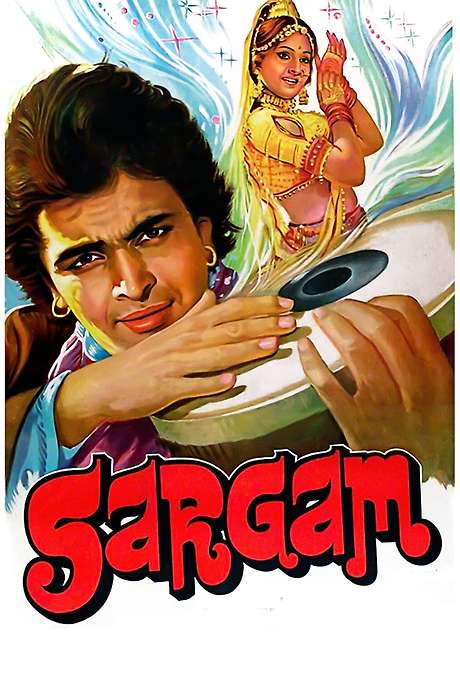
What Is Sargam About?
The premise of Sargam in 258 words, with nothing given away. The full story follows below.
In a quiet rural hamlet where tradition hums through every courtyard, a young girl who cannot speak or hear lives under the roof of her father’s modest home. Hema carries the weight of silence, her world shaped by gestures and glances, while the household is ruled by a demanding stepmother whose ambitions for her own daughter clash with the quiet child’s inner life. The atmosphere is one of restrained tension, the kind that lingers in the spaces between unspoken words.
Amidst this constrained existence, classical dance becomes Hema’s secret language. The rhythmic sway of her feet and the graceful articulation of her hands allow her to convey emotions that words could never capture. The village’s cultural backdrop—festivals, temple courtyards, and the ever‑present cadence of traditional music—provides a vivid canvas for her burgeoning talent, infusing the film with a lyrical, almost poetic mood that balances melancholy with hope.
Enter Raju, a compassionate wandering musician whose own melodies seem to echo Hema’s yearning. He recognizes the fire within her and offers gentle encouragement, nurturing her aspirations to move beyond the confines of the household and onto a larger stage. Their connection is rooted in mutual respect and an unspoken understanding, suggesting that art can bridge even the deepest divides.
The story unfolds as a delicate dance between oppression and expression, where familial expectations, silent resilience, and the promise of a brighter future intertwine. The tone remains tender yet charged, inviting the audience to feel the weight of Hema’s silence and the soaring possibility that lies in every step she takes.
What Happens in Sargam?
The complete story of Sargam, from the first scene to the last, in 349 words (about 2 minutes). Spoilers throughout. Names in the text link to 6 cast member pages.
Spoilers ahead
Hema is a mute young girl who lives with her father, Chintamani Pradhan, stepmother Savitri and stepsister Champa. Savitri dreams about her daughter becoming a star and arranges for her classical dance lessons. Hema also joins and quickly reveals her exceptional talent, hinting at a future where she could grace stages with graceful movements and expressive storytelling. Yet Savitri’s intolerance grows, and her disapproval tightens the house’s atmosphere as she forbids Hema from continuing dance, testing the girl’s resolve and the family’s bonds.
Her father, a patient schoolteacher, is visited by his old student Raju, who plays the dafli and brings a touch of warmth to the village. Raju tries to cheer Hema up from time to time, offering quiet encouragement as she navigates her frustration and the sting of rejection at home. One night, Raju finds a woman in trouble — Kusum — fighting off a man and steps in to help. Kusum later reveals that her husband, Prakash, forced her to spend the night with another man, a burden that deepens the dangers that shadow their lives.
Hema’s father passes away, and Savitri drives his daughter out of the family home. Raju has already become a lifeline, and the two of them set out from the village to build a new life together, hoping to escape the shadows of the past. Savitri and Champa head to the city in search of work, only to discover they have been conned, forcing them to return with hard lessons learned and a renewed, if fragile, sense of family ties. The threat of Prakash lingers, and he makes good on his grudges in a tense confrontation that ends with police intervention.
In the end, Raju and Hema find their way back to each other, and Savitri experiences a turning point of heart. She comes to accept Hema as her daughter, recognizing the resilience, loyalty, and quiet courage that have carried them through hardship. The story closes on a note of reconciliation, showing that talent can bloom even in the harshest circumstances, and that forgiveness can heal even the most fractured relationships.
Sargam Timeline: Every Key Event in Order
12 key events in the order they happen, from “Hema's family and mute innocence” to “Savitri’s changed heart”. 12 events name a place, across 9 locations.
- 1
Hema's family and mute innocence
Hema is a mute young girl living with her father, Chintamani Pradhan, stepmother Savitri, and stepsister Champa. The family dynamics are tense, especially as Savitri dreams of her daughter becoming a star. She arranges classical dance lessons for Hema, and the girl quickly demonstrates exceptional talent.
When:Opening Where:Home, Village
- 2
Dance training begins
Hema starts formal dance lessons and quickly stands out with her natural talent. Savitri’s dream of stardom drives the training, while the rest of the family watches with mixed feelings. Hema’s skill foreshadows her potential despite the family’s fragility.
When:Early stage Where:Home
- 3
Dance lessons forbidden
Savitri’s intolerance surfaces and she forbids Hema from learning dance any longer. The sudden ban creates tension at home and cuts off Hema’s artistic path. Hema must cope with the setback while her talent remains latent.
When:Soon after Where:Home
- 4
Raju arrives to brighten Hema
Chintamani’s old student Raju, who plays the Dafli, visits and tries to cheer Hema up. He becomes a gentle ally, signaling a new presence in her muted life. His companionship hints at a growing bond between them.
When:Night Where:Home, Village
- 5
Raju intervenes at night
One night, Raju encounters a woman being attacked by a man and intervenes to help her. The act of courage introduces Kusum, a pivotal figure in the story. The incident sets a tone of protection around Hema and those she cares for.
When:Night Where:Alley, Village
- 6
Kusum’s confession
Kusum explains to Raju that her husband Prakash forced her to sleep with another man. The revelation adds danger and complexity to Raju’s world. It also foreshadows ongoing conflict with Prakash.
When:Evening Where:Kusum’s home
- 7
Father’s death and Hema’s expulsion
Hema’s father passes away, leaving her vulnerable. Savitri uses the moment to eject Hema from the family home. Raju’s support becomes essential as Hema faces an uncertain future.
When:After death Where:Hema’s home
- 8
Hema and Raju leave the village
With Savitri and Champa absent, Raju extends help to Hema as they leave the village together. They seek safety and independence, starting a new chapter away from their toxic household. Their departure marks a turning point in Hema’s life.
When:Following departure Where:Village outskirts
- 9
Savitri and Champa in the city
Savitri and Champa travel to the city to find work, hoping to improve their fortunes. They soon realize they have been conned and return to the village in shame. The failed city venture contrasts with Hema’s ongoing struggles.
When:Later Where:City, then Village
- 10
Prakash’s attack and police intervention
Prakash holds a grudge against Raju and attacks him, escalating the danger surrounding Hema. The confrontation ends with police intervention, bringing a moment of justice to a tense situation. The incident deepens the resolve of those protecting Hema.
When:Climax Where:Village square
- 11
Reunion of Raju and Hema
Raju and Hema reunite, reaffirming their bond after all they have endured. Their partnership remains a beacon of mutual care and resilience. The moment marks a hopeful turn in their journey together.
When:Ending Where:Village
- 12
Savitri’s changed heart
Savitri experiences a change of heart, recognizing the goodness in Hema and accepting her as daughter at last. The family learns to reconcile, with renewed unity and affection. Hema’s place within the family is finally affirmed.
When:Ending Where:Home, Village
Who Are the Main Characters in Sargam?
6 characters, among them Hema (Jaya Prada), Raju (Rishi Kapoor) and Chintamani Pradhan (Shreeram Lagoo): who each one is and the part they play in the story. Every profile links to the actor’s page.
- H(
Hema (Jaya Prada)
Played by Jaya Prada
A mute girl whose extraordinary dance talent contrasts with the silence she is forced to endure. She communicates through expression and movement, drawing attention and sympathy while challenging her stepmother's control. Her talent becomes a beacon that motivates change within the family. The bond with Raju helps her navigate hardship and move toward independence.
- 🎭 Drama
- 🎵 Dance
- R(
Raju (Rishi Kapoor)
Played by Rishi Kapoor
A cheerful Dafli player who becomes Hema's confidant and ally. He spends time cheering her up and supporting her dreams, even as he faces danger from Prakash. His loyalty and courage help bridge the gap between village life and a wider world. The couple's reunion at the end marks the restoration of hope after hardship.
- 🎵 Music
- 💪 Loyal
- CP
Chintamani Pradhan (Shreeram Lagoo)
Played by Shreeram Lagoo
A devoted schoolteacher and father who champions Hema's talent. His death triggers upheaval, forcing Hema to contend with a hostile household. He remains a guiding presence in memory, shaping Hema's resilience. His values of education and kindness inspire others.
- 👨🏫 Teacher
- 💬 Guidance
- S(
Savitri (Shashikala)
Played by Shashikala
Hema's stepmother who initially treats Hema as a burden, dreaming of her own daughter's stardom. She embodies the strict, material-driven mindset that fuels the conflict. Over time, she discovers the goodness in Hema and accepts her as part of the family. Her arc moves from cruelty to mercy.
- 💔 Antagonist
- 👩 Authority
- K(
Kusum (Aruna Irani)
Played by Aruna Irani
A woman who endures abuse from her husband, Kusum's plight is revealed through Raju's rescue. She finds courage to speak up and relies on Raju's help to navigate threats. Her resilience adds depth to the film's themes of survival and trust. Her presence underscores the danger many women face and the importance of support.
- 💪 Survivor
- P(
Prakash (Shakti Kapoor)
Played by Shakti Kapoor
Kusum's husband who forces his wife into unwanted acts and holds a grudge against Raju. He embodies the film's antagonistic force, attacking when provoked and resisting change. His actions catalyze the conflict that tests the protagonists' resolve. His eventual opposition highlights the triumph of solidarity and justice.
- 😡 Villain
- 💥 Aggression
Where and When Is Sargam Set?
Sargam is set in Village and City. Here is why the place matters to the story.
Where
Village, City
Set primarily in a rural Indian village, the story follows Hema’s life with her father and a strict stepmother. The family later travels to the city as Savitri and Champa seek work, highlighting the stark contrast between village traditions and urban opportunities. The village scenes emphasize close-knit community norms, while the city sequences introduce new risks and chances for change. The journey frames Hema's path from dependence to independence.
- 🏞️ Village
- 🏙️ City
What Are the Themes of Sargam?
3 ideas the story keeps returning to, among them Love, Resilience and Tradition.
-
01
Love
Love drives the central relationship between Hema and Raju, offering solace amid hardship. Their bond challenges social norms around disability, gender, and propriety. The narrative uses their connection to show healing within a fractured family. The eventual reconciliation underscores redemption through compassion.
-
02
Resilience
Resilience is forged in hardship: Hema endures exile from her home and a cold welcome from the world she lives in. Raju's steadfast support gives her courage to pursue her dreams and stand up to adversity. Kusum's own endurance mirrors this resilience, surviving an abusive marriage with quiet strength. Together, their perseverance marks a path from oppression toward hope.
-
03
Tradition
Tradition vs. ambition is a running thread as village expectations clash with personal dreams. Savitri's early fixation on social climbing for Champa reveals societal pressures that burden women. The film suggests that understanding and acceptance can overcome rigid norms, especially when family ties are rebuilt. The ending emphasizes unity over conformity.
What Kind of Film Is Sargam?
Hopeful in tone, with steady pacing and a straightforward story, going by the plot summary.
- Tone
- Hopeful
- Pacing
- Steady
- Story
- Straightforward
- Intensity
- Medium
- Ending
- Happy
A hopeful yet emotionally challenging drama about a mute dancer overcoming adversity with the support of a compassionate musician, blending moments of tragedy with an ultimately uplifting and heartwarming resolution.
- uplifting
- melancholic
- hopeful
- struggle
- heartwarming
- tragic
- classical dance
- disability
- abusive family
- found family
Content notes: emotional abuse, parental death.
Quiz
How well do you remember Sargam? Test yourself on the story.
