
Rose of Washington Square 1939

Directed by
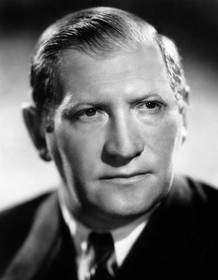
Gregory Ratoff
Made by

20th Century Fox
Rose of Washington Square Plot Summary
Read the complete plot summary and ending explained for Rose of Washington Square (1939). From turning points to emotional moments, uncover what really happened and why it matters.
Ted Cotter [Al Jolson], a successful Broadway minstrel performer, spots Rose Sargent [Alice Faye] performing in a vaudeville amateur night and immediately takes a personal and professional interest in her. He helps her climb the ladder of show business as she joins the famed Ziegfeld Follies, and her rising stardom begins to shine brighter with every performance. The pact between dream and drive pulls them into a larger world of entertainment, where talent must contend with nerves, nerves with nerves, and the ever-watchful gaze of audiences hungry for spectacle.
Cotter has troubles with his own act. One night, emboldened by alcohol, a meek Whitey Boone [Hobart Cavanaugh] heckles Cotter from a box seat. The crowd loves the moment, mistaking it for part of the show, and the feedback lights up the room as if it were all deliberate. Cotter later learns that his manager Harry Long [William Frawley] has quietly hired the little man as a permanent part of the act, complicating both his professional plans and his private feelings toward Rose.
Rose does not recognize Ted’s love for her, falling instead for Bart Clinton [Tyrone Power], a gambler and con man whose charm masks a string of shady dealings. Bart’s schemes catch up with him, and after Ted posts his bail, Bart skips town, leaving Rose to nurse her heartbreak and cling to the memory of a love she hasn’t fully admitted she wants. The tension between loyalty and temptation tests Rose’s trust in Ted, even as she continues to deliver performances that carry the weight of both joy and sorrow.
Bart’s misdeeds eventually bring him to the edge of ruin, but a pivotal moment arrives when Bart returns to the Follies and hears Rose tearfully perform the song My Man. The performance touches him in a way that makes him confront the consequences of his choices and the cost of his life with her. He realizes the error of his ways and sets out to make amends, even as the clock ticks toward a harsher fate.
As the story moves toward its end, Bart is sent away for a five-year prison sentence, and Rose, with steadfast hope, voices a vow that carries through the distance and longing: > I’ll be waiting, darling!
Rose of Washington Square Timeline
Follow the complete movie timeline of Rose of Washington Square (1939) with every major event in chronological order. Great for understanding complex plots and story progression.
Ted Cotter spots Rose Sargent in amateur vaudeville and takes an interest
Ted Cotter, a successful Broadway minstrel, spots Rose Sargent performing during an amateur night and is immediately drawn to her talent. He decides to mentor her, offering personal and professional guidance. This marks the start of Rose's rise as Ted helps her find opportunities and a path toward stardom.
Rose joins the Ziegfeld Follies with Ted's help
With Ted's backing, Rose joins the famed Ziegfeld Follies and begins to achieve real stardom. She gains exposure, sings on a bigger stage, and starts to feel the glimmer of fame. Ted's influence remains a steady force behind her ascent.
Whitey Boone's heckling becomes part of the act
Meek Whitey Boone heckles Ted from a box seat, and the audience mistakes it for part of the performance. The moment is embraced by the crowd, revealing the perverse dynamic of the show. Ted realizes his own act needs to adapt to this unexpected turn.
Manager Harry Long makes Whitey a permanent part of the act
Ted learns that his manager, Harry Long, has decided to keep Whitey Boone as a permanent fixture in the act. This undermines Ted's control and creates tension within the show he helped shape. The change foreshadows further struggles in his professional life.
Rose falls for Bart Clinton, while Ted's love goes unrecognized
Rose, now rising in fame, does not recognize Ted's love for her and instead falls for Bart Clinton, a gambler and con man. Ted watches from the wings as the woman he cares about chooses a dangerous romance. The bond between Rose and Bart becomes central to the drama surrounding her career.
Bart's arrest and Ted posts bail
Bart Clinton's nefarious activities catch up with him and he is arrested. Ted steps in to post bail, trying to shield Rose from the consequences of Bart's crimes. The legal trouble places strain on the fragile relationships surrounding Rose.
Bart flees town after bail is posted
After bail is posted, Bart Clinton disappears, leaving Rose to cope with the fallout of his actions. The absence deepens Rose's longing and disappointment in the romance she had hoped would bring stability. Meanwhile, Ted remains a steady, if conflicted, confidant in the background.
Rose endures heartbreak and continues performing
Separated from Bart, Rose endures heartbreak while continuing to perform, often channeling her longing into poignant performances. The emotional strain adds depth to her star turn and tests her resilience. Her vulnerability becomes a quiet through-line of the season's success.
Bart returns to the Follies and hears 'My Man'
Bart makes a dramatic return to the Follies and sits in the audience as Rose delivers a tearful rendition of the song 'My Man'. The performance becomes a turning point, revealing the depth of Rose's feeling and Bart's remorse. He realizes he must try to make things right.
Bart resolves to redeem himself, but is sentenced
Bart decides to repair his life and make amends, but his choices lead to a five-year prison sentence. The weight of his past catches up with him, and he accepts his punishment as Rose watches, torn between love and loyalty. The moment marks a harsh boundary between ambition and accountability.
Rose vows to wait for Bart
As Bart is taken away to serve his sentence, Rose declares that she will wait for him, showing a steadfast, if hopeful, commitment. The promise reflects her enduring love despite the hardships. The film closes on her quiet, determined resolve.
Rose of Washington Square Characters
Explore all characters from Rose of Washington Square (1939). Get detailed profiles with their roles, arcs, and key relationships explained.
Rose Sargent (Alice Faye)
A talented singer whose rise from amateur nights to the Ziegfeld Follies mirrors the allure and peril of show business. Her optimism about love is tested by Bart's charm and the temptations of fame. She ultimately balances ambition with loyalty, choosing romance over rapid fame or vice.
Ted Cotter (Al Jolson)
A successful Broadway minstrel who spots Rose and becomes a driving force behind her career. He struggles with his own act and an alcoholic impulse that complicates their relationship. His loyalty to Rose anchors his actions as he navigates the show's volatile world.
Bart Clinton (Tyrone Power)
A gambler and con man whose charm masks his criminal ambitions. He uses Rose's rising star to further his schemes and gets arrested when his luck runs out. His brief redemption arc culminates as he faces a five-year prison sentence.
Whitey Boone (Hobart Cavanaugh)
A meek, boorish spectator whose heckling unexpectedly becomes integrated into the show. His moment in the box seat catalyzes a shift in the act and highlights how ordinary people can influence performance.
Rose of Washington Square Settings
Learn where and when Rose of Washington Square (1939) takes place. Explore the film’s settings, era, and how they shape the narrative.
Time period
Early 20th century (circa 1910s–1920s)
Rose of Washington Square places its story in the era of vaudeville and the Broadway revue circuit. It evokes the early days of modern show business, with big stage acts and rival theatre cultures. The setting emphasizes the blend of glitter and grit that defined this period.
Location
New York City, Washington Square
Set against Manhattan's bustling theatre scene, the film unfolds in Washington Square and the surrounding Broadway venues. It follows vaudeville circuits and the glittering Ziegfeld Follies, capturing the glamour and cutthroat nature of show business. The city serves as a dynamic backdrop where ambitious performers chase fame and romantic dreams.
Rose of Washington Square Themes
Discover the main themes in Rose of Washington Square (1939). Analyze the deeper meanings, emotional layers, and social commentary behind the film.
✨
Fame
The ascent of Rose and Ted, alongside Bart's schemes, demonstrates how ambition can reshape relationships. Fame pulls people toward risky decisions and glamorous distractions. The film contrasts glittering stages with the vulnerabilities of performers seeking validation. It uses showbiz success to explore what people sacrifice for recognition.
💰
Greed
Bart Clinton embodies the lure of money and deception that destabilizes trust. His gambling, cons, and vanity create danger for Rose and Ted. The audience's initial warmth toward Bart turns to caution as his crimes come to light. The story uses these pressures to critique transactional relationships in the entertainment world.
❤️
Romance
Romance threads through the relationships: Rose's affection for Bart versus Ted's steady care and potential love. The characters face choices between desire, loyalty, and honor. When Bart faces consequences, Rose's steadfastness tests the limits of love. The ending hinges on patience and devotion.

Coming soon on iOS and Android
The Plot Explained Mobile App
From blockbusters to hidden gems — dive into movie stories anytime, anywhere. Save your favorites, discover plots faster, and never miss a twist again.
Sign up to be the first to know when we launch. Your email stays private — always.
Explore the mobile appRose of Washington Square Spoiler-Free Summary
Discover the spoiler-free summary of Rose of Washington Square (1939). Get a concise overview without any spoilers.
Set against the glittering, high-energy backdrop of the Roaring Twenties, the film introduces Rose Sargent, a determined singer with her sights set on the dazzling heights of Broadway. Beginning in the humble surroundings of a vaudeville amateur night, her journey is one of ambition and talent, poised to carry her into the legendary Ziegfeld Follies. It is a world where the hunger for spectacle meets the grit of raw drive, promising an ascent that is as dazzling as it is demanding.
Guiding her path is Ted Cotter, a seasoned and successful minstrel performer who recognizes a unique spark in Rose. He takes both a personal and professional interest in her career, helping her navigate the nerves and pitfalls of the entertainment industry. Their relationship forms the emotional core of the story, built on a pact of mutual ambition, though the lines between professional partnership and deeper affection prove difficult to define amidst the spotlight’s glare.
As Rose’s stardom begins to shine brighter, the story introduces a complication that pulls at the threads of her trust. She finds herself drawn to Bart Clinton, a man whose charm is as undeniable as it is dangerous. While Ted represents a steady presence in the chaotic world of show business, Bart offers a thrill that masks a life shadowed by questionable dealings, creating a tension between the safety of the known and the allure of the risky.
The film enriches this emotional landscape with a soundtrack of popular hits, using musical performances to underscore the narrative’s shifting moods. As Rose navigates the complexities of love and loyalty, the stage becomes a reflection of her internal struggles—bright with the promise of fame yet shadowed by the choices she must make. The atmosphere balances the spectacle of the Follies with the grounded reality of human connection, inviting the audience into a story where every song carries the weight of a heart in conflict.
Movies with Similar Twists and Themes
Uncover films that echo the narrative beats, emotional arcs, or dramatic twists of the one you're exploring. These recommendations are handpicked based on story depth, thematic resonance, and spoiler-worthy moments — perfect for fans who crave more of the same intrigue.

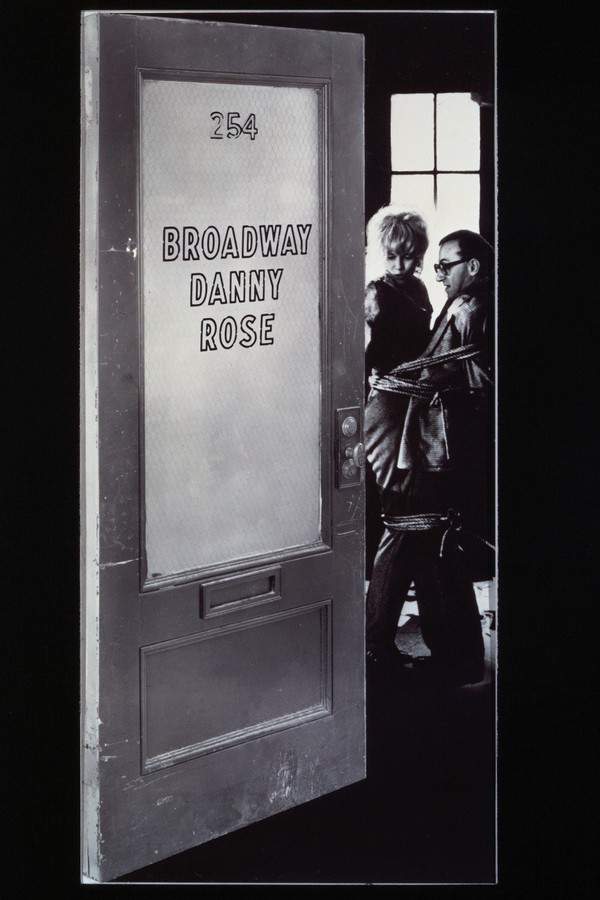
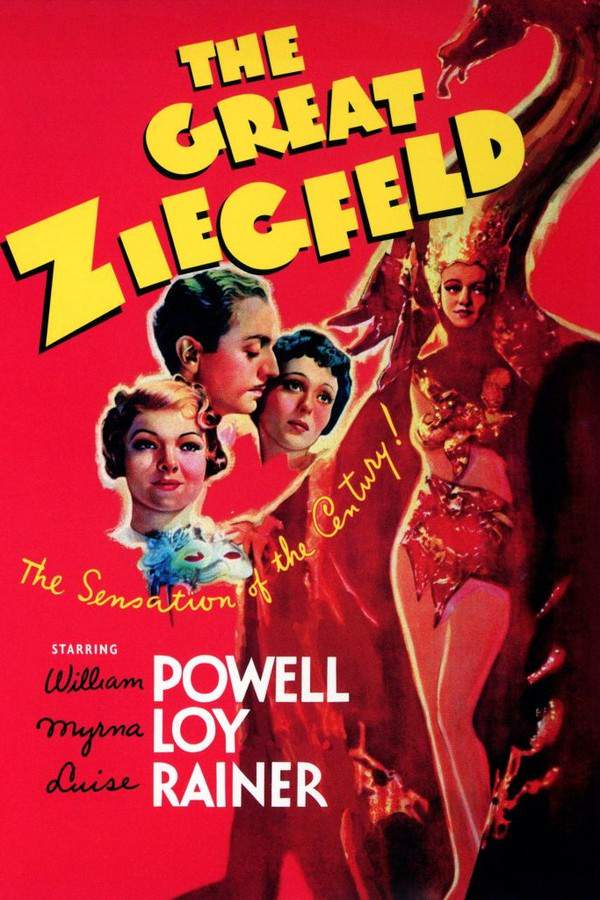


Featured on this page

What's After the Movie?
Not sure whether to stay after the credits? Find out!
Check out our other apps:

SAT Sphere
Build confidence for the Digital SAT.

Mori Atlas
Discover wild places worth protecting.

Luntero
Search smarter for a home in Amsterdam.

Plot Explained
Unravel movie endings and hidden clues.

Pokechamp
Dive into Pokémon data and battle logic.

Driving Theory
Get ready for your European theory test.

Movie Dust
Plan your next cinema trip with ease.

Musemap
Find art and culture as you travel.

Selkobase
Compare credentials before committing.

Local Manual
Turn an unfamiliar country into practical next steps.

Lernavi
Compare school systems before your next move.

GymRoam
Find a workout stop wherever your plans take you.
Explore Our Movie Platform
New Movie Releases (2026)
Famous Movie Actors
Top Film Production Studios
Movie Plot Summaries & Endings
Major Movie Awards & Winners
Best Concert Films & Music Documentaries
Movie Collections and Curated Lists
© 2026 What's After the Movie. All rights reserved.
Privacy Policy