What Is Return to Seoul About?
The premise of Return to Seoul in 286 words, with nothing given away. The full story and the ending follow below.
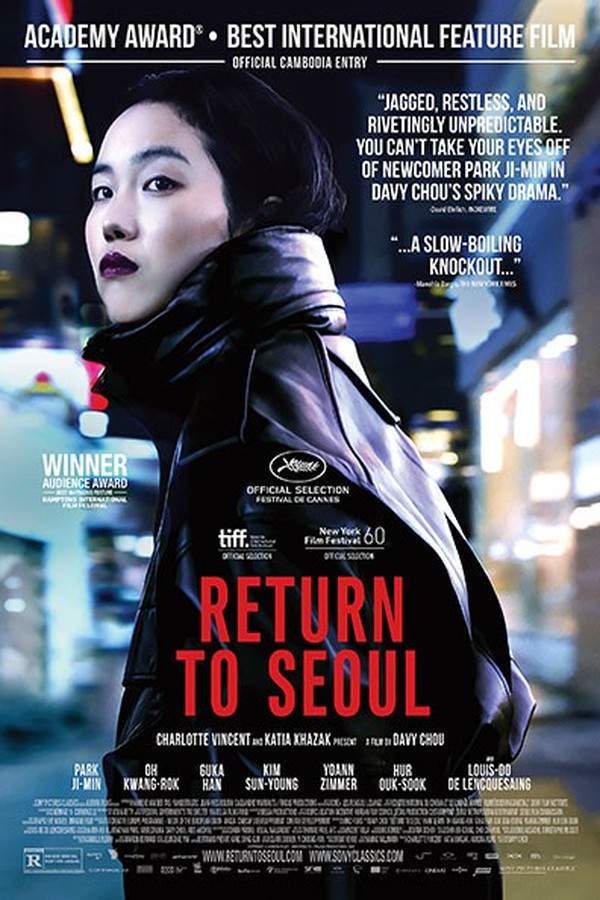
In the heart of a bustling Seoul that throbs with neon, street food, and the echo of centuries‑old temples, a young adult steps off a plane with a single, quiet question: what does it mean to belong? Freddie, a 25‑year‑old raised far from his birthplace, returns to the country of his origins after years of life in the United States. The journey is less a quest for answers than an invitation to linger in the liminal space between past and present, where every alleyway and marketplace offers a mirror to an identity that has long felt incomplete.
The film paints the city with a measured, almost lyrical cadence, allowing the viewer to feel the texture of daily life—a blend of modern skyscrapers shadowing traditional hanoks, the rhythm of K‑pop spilling into quiet cafés, and the soft hum of conversations in a language that feels both familiar and foreign. The tone is introspective yet gently buoyant, inviting curiosity without forcing conclusions. As Freddie wanders through crowded subway stations and serene riverside parks, the setting itself becomes a character, offering both comfort and disorientation in equal measure.
Around the newcomer, a small constellation of locals begins to take shape. A hotel desk clerk whose smile hints at stories untold, a friend who navigates the city’s hidden corners, and other faces that reflect the many layers of diasporic experience. Their interactions are understated, built on quiet gestures and the tentative sharing of histories. Through these subtle connections, Freddie is encouraged to confront lingering questions about family, heritage, and the sense of self that can only be forged when one dares to listen to the pulse of a place that has always been a part of them, even from afar.
What Happens in Return to Seoul?
The complete story of Return to Seoul, from the first scene to the last, in 608 words (about 3 minutes). Spoilers throughout. Names in the text link to 3 cast member pages.
Spoilers ahead
Freddie, a charming 25-year-old woman, finds herself on an unexpected journey of self-discovery. Born in South Korea and adopted by French parents, she arrives in Seoul for a two-week vacation after her flight to Tokyo gets cancelled. During her stay, she quickly forms a bond with Tena, the hotel desk clerk, and has a brief encounter with a man she meets at a restaurant. As she settles into the vibrant city, Tena, along with another friend, introduces Freddie to the Hammond Adoption Center. Although Freddie initially shows no desire to reconnect with her biological parents, her curiosity leads her to visit the agency.
At the center, she learns that while they cannot disclose her parents’ identities, they can notify them of her interest up to three times a year through telegrams. Freddie’s journey continues as she travels to Gunsan for a tense reunion with her father, with Tena translating their conversations. When she discovers that her mother has not responded to the telegrams, she decides to stay with her father’s family for a few nights. Her father’s persistent phone calls and messages filled with regret weigh heavily on her, leading her to feel trapped by his attempts at reconciliation.
During a night out, Freddie confides to Tena about her father’s incessant contact, calling it oppressive. Their evening takes a sour turn when Freddie mocks the declarations of affection from her first-night companion, and in a moment of vulnerability, she attempts to kiss Tena, who, unfortunately, rejects her, labeling her as “a very sad person.” That night, Freddie returns to her hotel accompanied by a DJ, only to face her drunken father, who confronts her about ignoring him. Tena intervenes, but chaos erupts when Freddie screams at her father to let her go.
Fast forward two years, and Freddie has made a new life in Seoul. She goes out with André, a weapons dealer who believes she has a future in the business. As she reflects on her birthday, she expresses her longing for her mother, pondering if she ever thinks of her. At a surprise birthday celebration, Freddie shares with a co-worker, who is also an adoptee, that her mother has finally replied to their telegrams, revealing she does not wish to meet. Though her father continues to email her, Freddie generally ignores him, focusing instead on understanding her roots.
Five years later, Freddie’s life takes another turn as she learns some Korean and begins working with André selling missiles. On a business excursion to South Korea, she attends a meeting with her father, where he plays a heartfelt piano piece he composed. His music stirs something within her, but frustration builds when her boyfriend, Maxime, suggests that her role in life is to protect South Korea. After dinner, she makes the difficult decision to break up with him, and the following morning finds herself alone in an alley.
The story comes full circle when Freddie receives an unexpected positive response to a telegram from her biological mother. They meet at a Hammond facility, where an emotional reunion occurs as they embrace, and her mother shares her email address for future correspondence.
A year later, on her birthday, while trying to check into a hotel, Freddie attempts to email her mother, expressing her apologies for the lack of contact and her belief that she is finally happy. However, her joy quickly turns to disappointment when she realizes her mother’s email address is no longer valid. Seeking solace, she enters the hotel lobby and is drawn to a piano. Hesitantly, she sits down and begins to play a beautiful melody, attempting to connect with herself once more through music.
Return to Seoul Timeline: Every Key Event in Order
13 key events in the order they happen, from “Freddie's Arrival in Seoul” to “Disappointment and Musical Reflection”. 13 events name a place, across 7 locations.
- 1
Freddie's Arrival in Seoul
Freddie, a 25-year-old woman, arrives in Seoul for a two-week vacation after her flight to Tokyo gets canceled. This unexpected journey marks the beginning of her self-discovery as she steps into the vibrant and bustling city of her origins.
Where:Seoul
- 2
Bonding with Tena
During her stay, Freddie quickly forms a bond with Tena, the hotel desk clerk. This friendship becomes a crucial support for her as she explores her feelings about her adoption and her roots.
Where:Hotel in Seoul
- 3
Visit to the Hammond Adoption Center
Tena and another friend introduce Freddie to the Hammond Adoption Center, where she learns about the possibility of reconnecting with her biological parents. Despite initially hesitating, her curiosity prompts her to explore this option further.
Where:Hammond Adoption Center
- 4
Telegram Notifications
At the center, Freddie discovers that while her parents' identities are kept confidential, they can notify them of her interest through telegrams. This revelation stirs complex emotions as she contemplates the possibility of connecting with her past.
Where:Hammond Adoption Center
- 5
Reunion with Father
Freddie ventures to Gunsan for a tense reunion with her father, facilitated by Tena's translation. The meeting brings forth a mix of emotions, especially when Freddie learns that her mother has not responded to the telegrams sent.
Where:Gunsan
- 6
Staying with Father's Family
Deciding to stay with her father's family for a few nights, Freddie is engulfed by his persistent attempts to reconcile. The weight of his regret adds to her sense of entrapment, leaving her conflicted about her feelings towards him.
Where:Father's home
- 7
Freddie's Confessions to Tena
Amidst a night out, Freddie confides in Tena about her father's incessant calls, labeling it oppressive. This moment of vulnerability leads to a strained exchange when she attempts to kiss Tena, who rejects her with concern for her emotional state.
Where:Seoul
- 8
Confrontation with Father
Returning to her hotel accompanied by a DJ, Freddie faces a drunken confrontation with her father. His attempts to connect lead to chaos, culminating in a now-infamous scream for him to let her go, highlighting her inner turmoil.
Where:Hotel in Seoul
- 9
Freddie's New Life in Seoul
Fast forward two years, Freddie has established a new life in Seoul, forging a relationship with André, a weapons dealer. As she contemplates her birthday, she reflects on her estranged mother, yearning for recognition from her past.
Where:Seoul
- 10
Mother's Response
During a surprise birthday celebration, Freddie discovers that her mother has finally replied to their telegrams. However, the news is bittersweet as her mother expresses a desire not to meet, deepening Freddie's quest for understanding.
Where:Seoul
Show the other 3 events of Return to Seoul Hide the last 3 events
- 11
Breakup with Maxime
Five years later, Freddie’s life takes another turn as she learns Korean and works alongside André. After a dinner where Maxime suggests certain roles for her, she finds the strength to end their relationship, navigating her quest for identity.
Where:Seoul
- 12
Emotional Reunion with Biological Mother
The story culminates when Freddie receives a positive response to her telegram from her biological mother. Their emotional meeting at the Hammond facility is transformative as they share an embrace and establish a channel for future communication.
Where:Hammond facility
- 13
Disappointment and Musical Reflection
A year later, on her birthday, Freddie attempts to reach out again by emailing her mother, only to discover the address is invalid. Seeking solace, she plays a piano in the hotel lobby, reconnecting with herself through music in a moment of introspection.
Where:Hotel lobby
Who Are the Main Characters in Return to Seoul?
5 characters, among them Freddie, Tena and André: who each one is and the part they play in the story. 3 of them link to the actor’s page.
- F
Freddie
Freddie is a charming and complex 25-year-old woman navigating her identity as an adoptee. Born in South Korea and raised in France, she embarks on a transformative journey that forces her to confront her past and her relationships. Her emotional struggles and desire for connection drive her narrative throughout the film.
- 👩🦰 Protagonist
- 🌍 Adoptee
- 🎭 Vulnerable
-
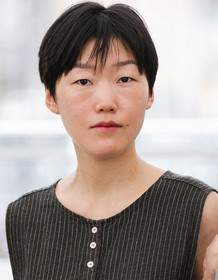
Tena
Played by Guka Han
Tena is a warm and supportive hotel desk clerk who becomes Freddie's confidante during her stay in Seoul. She plays a crucial role in introducing Freddie to her roots and assists in navigating the complexities of her family dynamics. Tena's compassion juxtaposes Freddie's turbulent emotions.
- 👭 Friend
- 💬 Supportive
- 🤝 Compassionate
-

André
Played by Louis-Do de Lencquesaing
André is a charismatic weapons dealer who brings excitement into Freddie's life. Though initially supportive, his insistence on her participating in his business complicates their relationship, ultimately leading to a difficult breakup. His character embodies the tension between personal ambition and emotional connections.
- 💼 Businessman
- 💔 Complicated
- 🔫 Ambitious
-

Maxime
Played by Yoann Zimmer
Maxime is Freddie's boyfriend who challenges her ambitions and identity. His belief that she should drive a protective role towards South Korea creates conflict in their relationship, leading to Freddie's realization about her true desires and priorities. He represents the pressures of societal expectations.
- ❤️🔥 Boyfriend
- 🤔 Conflicted
- 🌏 Protector
- FF
Freddie's Father
Freddie's father is a figure filled with regret and longing for reconciliation. His persistent attempts to connect with her create tension, showcasing the struggles of a parent seeking forgiveness. His character represents the challenges of rebuilding familial relationships after separation.
- 👨👧 Estranged
- 😔 Regretful
- 🎹 Musical
Where and When Is Return to Seoul Set?
Return to Seoul is set in Seoul, Gunsan and Hammond Adoption Center (Modern Day). Here is why the time and place matter to the story.
When
Modern Day
The events of 'Return to Seoul' take place in the modern era, highlighting contemporary issues of identity, family, and the complexities of adoption. The characters navigate modern relationships, technology, and the impact of globalization on personal connections.
Where
Seoul, Gunsan, Hammond Adoption Center
Seoul, the vibrant capital of South Korea, is known for its rich history, bustling urban life, and cultural landmarks. Gunsan is a coastal city that plays a significant role in Freddie's search for her father, representing her past and familial connections. The Hammond Adoption Center serves as a crucial backdrop for Freddie's exploration of her roots and her journey of self-discovery.
- 🏙️ City
- 🏡 Family
- 🏢 Agency
What Are the Themes of Return to Seoul?
3 ideas the story keeps returning to, among them Identity, Family and Music.
-
01
Identity
The theme of identity is central to Freddie's journey as she grapples with her background as an adoptee. Her quest to discover her biological parents reflects the universal search for self and belonging, as she navigates her dual heritage. Each encounter and revelation leads her closer to understanding who she truly is.
-
02
Family
Family is a poignant theme in the film, as Freddie's relationships with her adoptive and biological families shape her emotional landscape. The tension with her father and the hope of connecting with her mother reveal the complexities of familial bonds and the impact of absence and reconciliation.
-
03
Music
Music serves as a powerful motif in the story, symbolizing both connection and emotional release. Freddie's interactions with her father's piano compositions evoke memories and stir feelings, illustrating how music can bridge gaps and express unspoken emotions, particularly her longing for family.
How Does Return to Seoul End?
The last act of Return to Seoul and what it means, in 377 words. The ending lands as bittersweet. Big spoilers: read the plot summary first if you have not seen it.
The final act, in full
Freddie’s journey in Return to Seoul is driven by her search for identity and belonging, haunted by the ambiguity of her origins. Her impulsive arrival in Korea is a subconscious pull toward her past, even as she lives a relatively comfortable life in France with loving parents. Throughout the film, she oscillates between moments of reckless energy and deep vulnerability, revealing her fear of emotional exposure and her struggle to connect authentically. Her relationship with her birth family is fraught; they are both overbearing and unfamiliar, and her discomfort is heightened by her own inner turmoil. This tension culminates when she meets her birth father and his family, but her silence and mixed emotions underline her profound unease and disconnection.
As the story progresses, Freddie’s tumultuous romantic entanglements mirror her internal chaos. Her affection is often manipulative, driven by her need to be loved and validated, as well as her fears of abandonment. Her relationship with Korea itself becomes symbolic—her version of addiction and self-sabotage. She craves the acknowledgment she missed out on, but her fragile ego leads her to lash out at those attempting to care for her, especially when she perceives her father’s happiness or her boyfriend’s attention as threats. Despite her destructive cycles, there’s a hint of hope when she begins to confront her pain, evidenced by her genuine effort to change and her tentative connection with her mother.
In the film’s closing moments, Freddie adopts her original name, a symbolic step toward reclaiming her identity. She appears to find some peace through this act of self-acknowledgment and the hope for reconciliation with her past. However, the ending leaves us uncertain: she types an email to her mother, claiming she’s happy, but whether she actually sends it remains unknown. The email could represent her wish for closure or an act of denial, as her traumatised psyche might be too fearful or insecure to follow through. The film’s conclusion suggests that her future is still open-ended—her journey toward healing is ongoing, and perhaps her growth depends on whether she embraces her true self and allows love to heal her wounds. Ultimately, Return to Seoul leaves us with a hopeful but cautious sense that Freddie’s path to self-acceptance is complex, fragile, and full of unresolved possibilities.
What Kind of Film Is Return to Seoul?
Melancholic in tone, with steady pacing and a moderate story, going by the plot summary.
- Tone
- Melancholic
- Pacing
- Steady
- Story
- Moderate
- Intensity
- Medium
- Ending
- Bittersweet
A quietly powerful and melancholic journey of self-discovery that follows an adoptee's emotionally fraught search for her origins, marked by alienation, yearning, and the bittersweet complexities of reconnection.
- introspective
- lonely
- reflective
- melancholic
- alienating
- yearning
- identity
- international adoption
- family reunion
- biological parents
Content notes: emotional distress, familial rejection, alcohol abuse.
Quiz
How well do you remember Return to Seoul? Test yourself on the story.