
Repulsion 1965


Directed by

Roman Polanski
Made by

Compton Films
Where to Watch Repulsion
See current US streaming, rental, and purchase options for Repulsion (1965) via JustWatch.

Brew
HD
fuboTV
HD
Midnight Pulp
HD
Sony Pictures Core Amazon Channel
HD
JustWatch TV
HD
Cineverse
HD
Amazon Video
HD
Apple TV Store
HD
Fandango At Home
HD
Google Play Movies
SD
Spectrum On Demand
HD
YouTube
SD Streaming availability powered by 
Repulsion Plot Summary
Read the complete plot summary and ending explained for Repulsion (1965). From turning points to emotional moments, uncover what really happened and why it matters.
Carole Ledoux, a shy Belgian manicurist, lives a quiet, solitary life in London with her older sister Hélène Ledoux. From the outside, she appears calm and composed, but inside she carries a deep sense of detachment that makes even everyday interactions feel strained. A persistent suitor, Colin, tries to win her over with cautious enthusiasm, driving her home and pressing for closeness, only to be met with evasive replies and retreating footsteps as she slips away to her own private world. The tension between longing and withdrawal threads through her days, and the atmosphere outside her door grows steadily heavier as she clings to routines—especially her habit of brushing her teeth late at night and the uneasy sounds of life happening in the apartment above and beside hers.
Her growing unease is sharpened by Helen’s uneasy relationship with a married man named Michael, a presence that Carol dislikes and distrusts. He leaves his razor and toothbrush in her bathroom glass, a small, intimate intrusion that unsettles her further and foreshadows how deeply the personal bleed of others can intrude on her own space. Night after night, the sounds of Helen and Michael together seep into Carol’s half-formed sense of safety, turning the apartment into a pressure chamber where every noise becomes a threat.
One afternoon, a small crack in the pavement mirrors the fracture inside Carol. Colin crosses her path, and the encounter is awkward and uncomfortable; he drives her home and makes repeated attempts to kiss her, but she pulls away, fleeing upstairs to brush her teeth with frantic vigor before weeping in private. That same night, Helen asks about the toothbrush and razor in the trash, a tangle of housekeeping and intrusion that underscores how fragile Carol’s boundaries have become. Back at work, she grows increasingly distant from colleagues and customers, so much so that her boss decides to send her home early.
When Helen and Michael depart for Italy for a holiday, Carol is left alone in the apartment. A rabbit in the fridge becomes a macabre symbol of her disconnection from ordinary meals and rituals. She is distracted by Michael’s belongings scattered around the space, including an unwashed shirt whose odor makes her gag. She tries on one of Helen’s dresses and catches a dark figure in the mirror, as if the room itself is learning to imitate her fears. That night, she hears footsteps outside her bedroom and experiences a terrifying sequence in which she imagines a man breaking in and raping her. A phone call from Colin comes, but she hangs up, choosing solitude over contact.
Back at the salon, a moment of clumsiness leaves a client with a cut finger, and Carol is sent home early. A coworker discovers the uncooked rabbit’s head in Carol’s purse, a chilling sign that the boundary between fantasy and reality has dissolved. At the apartment, she studies an old family photo and witnesses the wall behind it crack and fracture just like a mirror, as if the house itself is tearing along with her mind. Colin arrives again, but Carol refuses to answer the door; he breaks in, professing his love, and she retaliates with shocking violence, bludgeoning him to death with a candlestick. Blood is cleaned, the front door barricaded, and Colin’s body placed in the bathtub. In bed, she endures another rape hallucination, waking to the same terrifying sense of violation in the dark corridor.
The next morning, Carol wanders the shadowed hallway, where hands emerge from the walls to grab at her. An upsetting telephone call from Michael’s wife arrives, and Carol cuts the wire, severing one more thread of connection. The landlord, Patrick Wymark, appears to collect the rent but finds the place in chaos. Unable to enter through the barricades, he breaks in anyway and eyes the state of the apartment—with the raw, rotting rabbit head and the overall decay you’d expect from a place consumed by fear. He propositions Carol to “take care of him” in exchange for letting the rent slide, and when she does not respond, he tries to force himself on her. She—again—fights back, using Michael’s straight razor to kill him, leaving the scene more brutal and desperate than before.
The return of Helen and Michael brings a new kind of horror. Helen is shocked by the apartment’s collapse into disorder, and Michael discovers Colin’s corpse in the bathtub. Helen finds Carol crouched under a bed in a catatonic state as neighbors stream in, and Michael carries Carol out of the room with a tense, uneasy smile. In the final image, a family photograph on the living-room wall shows Carol as a child, looking with loathing toward an older male figure in the frame, while others around her smile for the camera—an unsettling hint that the past still casts a long shadow over the present, and that loneliness can turn a home into a trap.
The film folds psychological dread into a stark, domestic landscape, where the quiet of a city apartment becomes the stage for a gradual breakdown. Through Carol’s increasing withdrawal, the story explores how isolation, intrusion, and fear can blur the line between reality and perception, culminating in a chilling confrontation with the world outside—or the parts of the self that refuse to be contained.
Repulsion Timeline
Follow the complete movie timeline of Repulsion (1965) with every major event in chronological order. Great for understanding complex plots and story progression.
Carol's awkward courtship begins
Carol Ledoux, a shy Belgian manicurist in London, struggles with everyday social interaction. Colin pursues her with fervent interest, while Carol remains distant and uneasy about forming a relationship. Her discomfort is amplified by the tense dynamic between her sister Helen and Helen's lover Michael.
Colin's advances escalate
Colin spots Carol on her walk home, offers her a ride, and drives her back to her apartment. He repeatedly tries to kiss her, but she pulls away and retreats upstairs to brush her teeth and cry. The encounter leaves Carol shaken and increasingly withdrawn.
Carol withdraws at work
Back at the salon, Carol becomes noticeably distant, barely speaking to coworkers or customers. Her erratic behavior alarms her colleagues, and her boss sends her home early for the day. The social friction foreshadows a deeper breakdown.
Helen and Michael depart for Italy
That night, Helen and Michael leave for Italy on holiday, leaving Carol alone in the apartment. The absence of others heightens her sense of isolation. She begins to confront a space filled with Michael's belongings and the echo of their relationship.
First signs of isolation and disturbances
Over the following days, Carol experiences unsettling signs of a fraying mind: a crack appears in the pavement, a dark figure seems to loom in the mirror, and she is haunted by unseen footsteps. She misses three days of work as her grip on reality loosens. The apartment closes in around her as fear grows.
Bath incident and wall cracks intensify
One morning she runs a bath and leaves it running, letting it overflow. A wall behind the bathroom begins to crack, and she locks herself in her room while hearing footsteps. She experiences a rape-like hallucination, further blurring the line between dream and reality.
Colin calls and attempts to reconnect
Returning to the outside world, Colin tries to reach Carol by phone, but she refuses to answer and hangs up. The interruption reopens the emotional wound left by their earlier encounter. Her distance toward others remains unbroken.
Salon incident and the rabbit head
At the salon, Carol accidentally cuts the finger of a client during a manicure, triggering concern from coworkers. A coworker later discovers an uncooked rabbit head in Carol's purse, a grotesque sign of her deteriorating mental state. The alarming incident foreshadows the violence to come.
Old family photo and mirror crack
Back at the apartment, Carol stares at an old family photo and the wall behind it shatters like a mirror. The image seems to reflect her fractured perception of reality. The room's strange changes intensify her confusion and fear.
Colin breaks in and is killed
Colin arrives at the apartment and Carol refuses to open the door, so he breaks in. He proclaims his love, and Carol responds with lethal resolve, bludgeoning him to death with a candlestick. She then cleans the blood, barricades the door, and places the body in the bathtub, while the rape hallucination continues in her sleep.
Hands emerge from the walls
After the murder, Carol wanders the dark hallway where hands seem to reach from the cracks in the walls and grab her. The claustrophobic space becomes a living threat as her paranoia deepens. The line between sleep and wakefulness remains obscured.
Telephone cut off during a confrontation
The angry wife of Michael calls, seeking Helen, but Carol cuts the telephone wire to prevent being found. The act underscores her severing ties to the outside world. The apartment settles into a deafening, silent tension.
Rent day turns deadly
The landlord arrives to collect rent, but Carol has barricaded herself away. He tries to rape her when she does not respond; she pushes him off and uses Michael's straight razor to hack him to death. The violence drags her deeper into her mental abyss.
Helen and Michael return and chaos erupts
Helen and Michael return to a ruined apartment, and Michael discovers Colin's corpse in the bath. Helen finds Carol under her bed in a catatonic state as neighbors flood the room. Michael carries Carol out of the apartment, a chilling smile on his face as the scene collapses into chaos.
Final photograph and implied past
In the living room, a family photograph shows a young Carol, seemingly glaring at an older male figure in the image while others smile for the camera. The shot hints at a troubling past and a deep-seated loathing that haunts her. The ending leaves the viewer with a haunting sense of psychological collapse.
Repulsion Characters
Explore all characters from Repulsion (1965). Get detailed profiles with their roles, arcs, and key relationships explained.
Carole Ledoux (Catherine Deneuve)
A shy Belgian manicurist living in London with her sister Helen, Carol is emotionally withdrawn and hypersensitive to odors, sounds, and social intrusion. Her polite, quiet exterior hides a volatile inner world that frays under pressure from male attention and domestic disruption. As events unfold, her perceptions fragment, and acts of violence erupt from a mind pushed to the edge.
Colin (John Fraser)
A polite, persistent suitor who is enamoured of Carol and tries to win her over despite her indifference. He intrudes into her space and pushes for affection, revealing the friction between social expectations and Carol's resistance. His insistence accelerates Carol's sense of threat and paranoia.
Michael (Ian Hendry)
A married man whose relationship with Helen provokes Carol's jealousy and distress. He leaves his belongings around and embodies the intrusion of another man into their home. His presence triggers Carol's spiraling paranoia and sense of violation.
Hélène Ledoux (Yvonne Furneaux)
Carol's older sister, who shares the apartment and acts as a foil to Carol's nerves. When she leaves for Italy, Carol is left alone, heightening her vulnerability and sense of abandonment.
Le propriétaire (Patrick Wymark)
The landlord who arrives to collect rent and becomes a threat when he attempts to assault Carol. His intrusion and predatory behavior escalate the sense that the home is no longer a safe space.
Spoon Player (Roman Polanski)
A mysterious, non-speaking figure credited as Spoon Player. He appears in scenes that contribute to the film's dreamlike and surreal atmosphere, reflecting Carol's unstable perception of reality.
Repulsion Settings
Learn where and when Repulsion (1965) takes place. Explore the film’s settings, era, and how they shape the narrative.
Time period
1960s
Set in the 1960s London era. The time period provides a backdrop of changing social mores and rigid domestic expectations that heighten Carol's isolation. The film's style—clinical interiors, stark lighting, and contemporary wardrobe—emphasizes a mind under siege.
Location
London, United Kingdom
The action unfolds in a compact central-London apartment where Carol and her sister Helen live. The urban noise and crowded streets outside contrast with the claustrophobic interior that traps Carol's nerves. The setting, with its modern interiors and routine domestic spaces, intensifies the sense of confinement fueling her breakdown.
Repulsion Themes
Discover the main themes in Repulsion (1965). Analyze the deeper meanings, emotional layers, and social commentary behind the film.
🪞
Isolation
Carol's withdrawal from conversation and her growing disconnection from others are at the core of the film. Her sensory sensitivities—odors, sounds, and intrusive touches—compound her isolation. As details blur between dream and reality, solitude becomes a force that shapes her actions. The house and its surfaces—walls, mirrors, and everyday objects—reflect and magnify her inner emptiness.
🔪
Violence and Repression
Violence in Repulsion appears as a manifestation of repressed sexuality and fear rather than straightforward aggression. Carol's imagined intrusions and real acts of killing puncture the boundary between reality and hallucination. The murders of Colin and the landlord are framed through clinical camera work that heightens unease rather than sensationalism. The violence serves as a purge of subconscious trauma, leaving her further entangled in delusion.
🏚️
Domestic Space
The apartment becomes a character in its own right—a cage of doors, walls, and barricades. Every domestic routine—brushing teeth, cleaning, cooking—acquires a menacing edge as Carol's psyche unravels. Cracked walls, overflowing baths, and a barricaded door symbolize the breach between inner and outer worlds. The claustrophobic setting maps the progression of Carol's mental breakdown.

Coming soon on iOS and Android
The Plot Explained Mobile App
From blockbusters to hidden gems — dive into movie stories anytime, anywhere. Save your favorites, discover plots faster, and never miss a twist again.
Sign up to be the first to know when we launch. Your email stays private — always.
Explore the mobile appRepulsion Spoiler-Free Summary
Discover the spoiler-free summary of Repulsion (1965). Get a concise overview without any spoilers.
In a cramped London flat that feels both shelter and cage, Carole Ledoux lives a quiet life as a manicurist, her days measured by the rhythm of brushes and the soft hum of the city outside. Beneath her composed exterior lies a deep, almost visceral fear of men, a dread that colors every interaction and makes ordinary moments feel precarious. The apartment, with its narrow hallways and thin walls, amplifies every creak and distant conversation, turning the domestic space into a subtle pressure cooker of anxiety.
Carole shares the flat with her older sister Helen, whose more outgoing personality and entangled romance with a married man provide a stark contrast to Carole’s withdrawn world. Though Colin—a persistent yet gentle suitor—tries to bridge the gap, his attempts only highlight Carole’s growing discomfort and her instinct to retreat into solitude. The dynamic between sister and suitor underscores a delicate balance: Carole is simultaneously drawn to and repelled by the intimacy that surrounds her, leaving her suspended between longing for connection and the terror of exposure.
When Helen departs for an Italian holiday, taking the occasional visitor with her, Carole is left alone in the silent apartment. The sudden absence of familiar voices and the lingering traces of other lives heighten the sense of isolation, and the ordinary sounds of the building begin to echo like whispered threats. In this fragile quiet, Carole’s imagination starts to unravel, blurring the line between reality and nightmare. The film steadies itself in a slow‑burning, psychological tone, where every shadow and reflected surface hints at deeper unrest, inviting the audience to feel the claustrophobic world through Carole’s increasingly unsettled perspective.
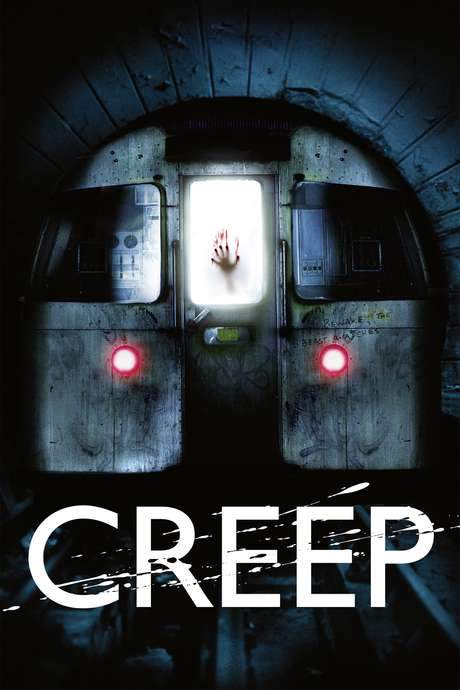
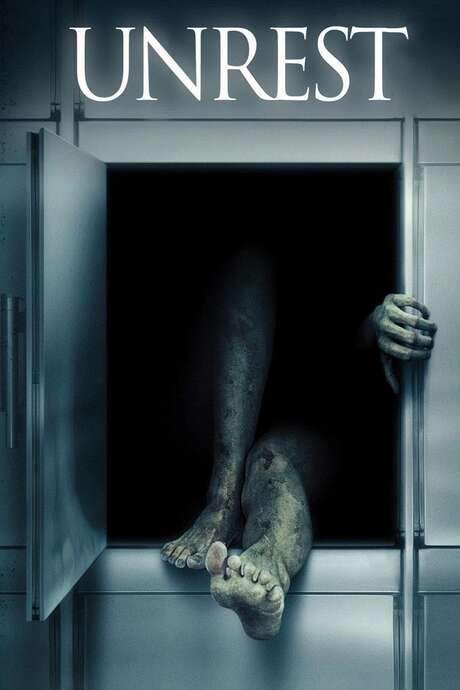
Movies with Similar Twists and Themes
Uncover films that echo the narrative beats, emotional arcs, or dramatic twists of the one you're exploring. These recommendations are handpicked based on story depth, thematic resonance, and spoiler-worthy moments — perfect for fans who crave more of the same intrigue.









Featured on this page

What's After the Movie?
Not sure whether to stay after the credits? Find out!
Check out our other apps:

SAT Sphere
Build confidence for the Digital SAT.

Mori Atlas
Discover wild places worth protecting.

Luntero
Search smarter for a home in Amsterdam.

Plot Explained
Unravel movie endings and hidden clues.

Pokechamp
Dive into Pokémon data and battle logic.

Driving Theory
Get ready for your European theory test.

Movie Dust
Plan your next cinema trip with ease.

Musemap
Find art and culture as you travel.

Selkobase
Compare credentials before committing.

Local Manual
Turn an unfamiliar country into practical next steps.

Lernavi
Compare school systems before your next move.

GymRoam
Find a workout stop wherever your plans take you.
Explore Our Movie Platform
New Movie Releases (2026)
Famous Movie Actors
Top Film Production Studios
Movie Plot Summaries & Endings
Major Movie Awards & Winners
Best Concert Films & Music Documentaries
Movie Collections and Curated Lists
© 2026 What's After the Movie. All rights reserved.
Privacy Policy