Repulsion 1965


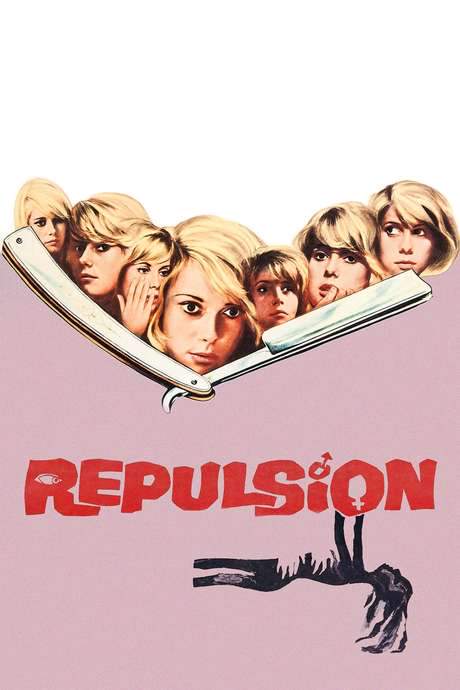
Carole, a young manicurist haunted by an intense fear of men, is left alone in her London flat when her sister and roommate Helen departs for an Italian vacation with her married boyfriend. Isolated, Carole’s anxiety spirals into terrifying hallucinations, blurring dream and reality, and driving her toward a shocking mental breakdown.


Does Repulsion have end credit scenes?
No!
Repulsion does not have end credit scenes. You can leave when the credits roll.
Where to Watch Repulsion
See current US streaming, rental, and purchase options for Repulsion (1965) via JustWatch.

Brew
HD
fuboTV
HD
Midnight Pulp
HD
Sony Pictures Core Amazon Channel
HD
JustWatch TV
HD
Cineverse
HD
Amazon Video
HD
Apple TV Store
HD
Fandango At Home
HD
Google Play Movies
SD
Spectrum On Demand
HD
YouTube
SD Streaming availability powered by 
Meet the Full Cast and Actors of Repulsion
Explore the complete cast of Repulsion, including both lead and supporting actors. Learn who plays each character, discover their past roles and achievements, and find out what makes this ensemble cast stand out in the world of film and television.

Catherine Deneuve
Carole Ledoux
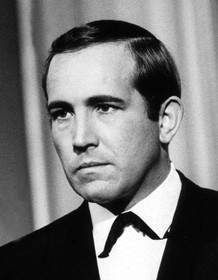
Ian Hendry
Michael

John Fraser
Colin
James Villiers
John
Patrick Wymark
le propriétaire
Yvonne Furneaux
Hélène Ledoux
Valerie Taylor
Mme Denise
Helen Fraser
Brigitte
Hugh Futcher
Reggie
Monica Merlin
Mme Rendesham
Imogen Graham
Manicurist
Mike Pratt
Workman
Renée Houston
Mme Balch
External Links and Streaming Options
Discover where to watch Repulsion online, including streaming platforms, rental options, and official sources. Compare reviews, ratings, and in-depth movie information across sites like IMDb, TMDb, Wikipedia or JustWatch.







Take the Ultimate Repulsion Movie Quiz
Challenge your knowledge of Repulsion with this fun and interactive movie quiz. Test yourself on key plot points, iconic characters, hidden details, and memorable moments to see how well you really know the film.
Repulsion (1965) Quiz: Test your knowledge of the psychological thriller Repulsion, directed by Roman Polanski and starring Catherine Deneuve.
What is the name of the main female protagonist?
Full Plot Summary and Ending Explained for Repulsion
Read the complete plot summary of Repulsion, including all major events, twists, and the full ending explained in detail. Explore key characters, themes, hidden meanings, and everything you need to understand the story from beginning to end.
Carole Ledoux, a shy Belgian manicurist, lives a quiet, solitary life in London with her older sister Hélène Ledoux. From the outside, she appears calm and composed, but inside she carries a deep sense of detachment that makes even everyday interactions feel strained. A persistent suitor, Colin, tries to win her over with cautious enthusiasm, driving her home and pressing for closeness, only to be met with evasive replies and retreating footsteps as she slips away to her own private world. The tension between longing and withdrawal threads through her days, and the atmosphere outside her door grows steadily heavier as she clings to routines—especially her habit of brushing her teeth late at night and the uneasy sounds of life happening in the apartment above and beside hers.
Her growing unease is sharpened by Helen’s uneasy relationship with a married man named Michael, a presence that Carol dislikes and distrusts. He leaves his razor and toothbrush in her bathroom glass, a small, intimate intrusion that unsettles her further and foreshadows how deeply the personal bleed of others can intrude on her own space. Night after night, the sounds of Helen and Michael together seep into Carol’s half-formed sense of safety, turning the apartment into a pressure chamber where every noise becomes a threat.
One afternoon, a small crack in the pavement mirrors the fracture inside Carol. Colin crosses her path, and the encounter is awkward and uncomfortable; he drives her home and makes repeated attempts to kiss her, but she pulls away, fleeing upstairs to brush her teeth with frantic vigor before weeping in private. That same night, Helen asks about the toothbrush and razor in the trash, a tangle of housekeeping and intrusion that underscores how fragile Carol’s boundaries have become. Back at work, she grows increasingly distant from colleagues and customers, so much so that her boss decides to send her home early.
When Helen and Michael depart for Italy for a holiday, Carol is left alone in the apartment. A rabbit in the fridge becomes a macabre symbol of her disconnection from ordinary meals and rituals. She is distracted by Michael’s belongings scattered around the space, including an unwashed shirt whose odor makes her gag. She tries on one of Helen’s dresses and catches a dark figure in the mirror, as if the room itself is learning to imitate her fears. That night, she hears footsteps outside her bedroom and experiences a terrifying sequence in which she imagines a man breaking in and raping her. A phone call from Colin comes, but she hangs up, choosing solitude over contact.
Back at the salon, a moment of clumsiness leaves a client with a cut finger, and Carol is sent home early. A coworker discovers the uncooked rabbit’s head in Carol’s purse, a chilling sign that the boundary between fantasy and reality has dissolved. At the apartment, she studies an old family photo and witnesses the wall behind it crack and fracture just like a mirror, as if the house itself is tearing along with her mind. Colin arrives again, but Carol refuses to answer the door; he breaks in, professing his love, and she retaliates with shocking violence, bludgeoning him to death with a candlestick. Blood is cleaned, the front door barricaded, and Colin’s body placed in the bathtub. In bed, she endures another rape hallucination, waking to the same terrifying sense of violation in the dark corridor.
The next morning, Carol wanders the shadowed hallway, where hands emerge from the walls to grab at her. An upsetting telephone call from Michael’s wife arrives, and Carol cuts the wire, severing one more thread of connection. The landlord, Patrick Wymark, appears to collect the rent but finds the place in chaos. Unable to enter through the barricades, he breaks in anyway and eyes the state of the apartment—with the raw, rotting rabbit head and the overall decay you’d expect from a place consumed by fear. He propositions Carol to “take care of him” in exchange for letting the rent slide, and when she does not respond, he tries to force himself on her. She—again—fights back, using Michael’s straight razor to kill him, leaving the scene more brutal and desperate than before.
The return of Helen and Michael brings a new kind of horror. Helen is shocked by the apartment’s collapse into disorder, and Michael discovers Colin’s corpse in the bathtub. Helen finds Carol crouched under a bed in a catatonic state as neighbors stream in, and Michael carries Carol out of the room with a tense, uneasy smile. In the final image, a family photograph on the living-room wall shows Carol as a child, looking with loathing toward an older male figure in the frame, while others around her smile for the camera—an unsettling hint that the past still casts a long shadow over the present, and that loneliness can turn a home into a trap.
The film folds psychological dread into a stark, domestic landscape, where the quiet of a city apartment becomes the stage for a gradual breakdown. Through Carol’s increasing withdrawal, the story explores how isolation, intrusion, and fear can blur the line between reality and perception, culminating in a chilling confrontation with the world outside—or the parts of the self that refuse to be contained.

Coming soon on iOS and Android
The Plot Explained Mobile App
From blockbusters to hidden gems — dive into movie stories anytime, anywhere. Save your favorites, discover plots faster, and never miss a twist again.
Sign up to be the first to know when we launch. Your email stays private — always.
Explore the mobile appWatch Trailers, Clips & Behind-the-Scenes for Repulsion
Watch official trailers, exclusive clips, cast interviews, and behind-the-scenes footage from Repulsion. Dive deeper into the making of the film, its standout moments, and key production insights.
Cars Featured in Repulsion
Explore all cars featured in Repulsion, including their makes, models, scenes they appear in, and their significance to the plot. A must-read for car enthusiasts and movie buffs alike.
Repulsion Themes and Keywords
Discover the central themes, ideas, and keywords that define the movie’s story, tone, and message. Analyze the film’s deeper meanings, genre influences, and recurring concepts.
Repulsion Other Names and Titles
Explore the various alternative titles, translations, and other names used for Repulsion across different regions and languages. Understand how the film is marketed and recognized worldwide.
Similar Movies To Repulsion You Should Know About
Browse a curated list of movies similar in genre, tone, characters, or story structure. Discover new titles like the one you're watching, perfect for fans of related plots, vibes, or cinematic styles.











Quick Links: Summary, Cast, Ratings, More

What's After the Movie?
Not sure whether to stay after the credits? Find out!
Check out our other apps:

SAT Sphere
Build confidence for the Digital SAT.

Mori Atlas
Discover wild places worth protecting.

Luntero
Search smarter for a home in Amsterdam.

Plot Explained
Unravel movie endings and hidden clues.

Pokechamp
Dive into Pokémon data and battle logic.

Driving Theory
Get ready for your European theory test.

Movie Dust
Plan your next cinema trip with ease.

Musemap
Find art and culture as you travel.

Selkobase
Compare credentials before committing.

Local Manual
Turn an unfamiliar country into practical next steps.

Lernavi
Compare school systems before your next move.

GymRoam
Find a workout stop wherever your plans take you.
Explore Our Movie Platform
New Movie Releases (2026)
Famous Movie Actors
Top Film Production Studios
Movie Plot Summaries & Endings
Major Movie Awards & Winners
Best Concert Films & Music Documentaries
Movie Collections and Curated Lists
© 2026 What's After the Movie. All rights reserved.
Privacy Policy