

What Is Red River About?
The premise of Red River in 328 words, with nothing given away. The full story follows below.
In the shadow of the Red River, a town straddles the uneasy border between China and Vietnam, its streets still humming with the quiet echo of a war that ended decades ago. The landscape is a blend of lush riverbanks and weather‑worn storefronts, where the daily grind is tinged with lingering memories of conflict. Light and darkness play across the market stalls, and the air is thick with a sense of both loss and fragile hope, setting a tone that is at once haunting and poignantly intimate.
A Tao lives on the river’s edge, a young woman shaped by tragedy—her father’s death in a hidden land‑mine left her with a gentle, if fragile, grasp on the world. Seeking stability, she crosses the border to work as a cleaner for A Shui, the sister of her late father who runs a modest massage parlor. Their relationship is one of quiet duty and unspoken understanding, offering A Tao a fragile foothold in a society still stitching itself together after the war’s tears.
Within the same town, a roadside karaoke spot hums with the laughter of travelers and the soft strain of old songs. Its operator, A Shan, once an aspiring theatre actor, now fills the night with music and stories, his presence a reminder of the lives that once dreamed beyond the river’s banks. He bears a striking resemblance to A Tao’s father, and an unspoken tension stirs as her curiosity draws her toward his world of melody and memory.
Among the townsfolk is Boss Shaba, a veteran whose own body bears the scar of a missing leg, a relic of the Vietnam conflict. He makes his living through the gray markets of imported cigarettes, his imposing demeanor cloaked in the quiet desperation of a man trying to find purpose after war. His interactions with A Tao introduce an undercurrent of unresolved tension, hinting at how the past continues to shape the present lives that linger along the Red River.
What Happens in Red River?
The complete story of Red River, from the first scene to the last, in 546 words (about 2 minutes). Spoilers throughout. Names in the text link to 4 cast member pages.
Spoilers ahead
Zhang Jingchu portrays A Tao, a Vietnamese girl living near the Red River on the Vietnam–China border, whose life is shadowed by a lasting trauma: she witnessed her father’s death when he stepped on a land mine while trying to recover her kite. That haunting memory leaves her with deep emotional scars as she grows up and forges her path across borders.
She moves to China to work as a cleaner for Loletta Lee Lai-Chun as Shui, her deceased father’s sister, who runs a bustling massage parlor. Shui is a protective but pragmatic presence in a border town where survival often depends on connections and opportunistic luck. The massage parlor becomes a crossroads where personal histories intersect with a rough local economy, and A Tao begins to find a foothold in a world that feels both unfamiliar and tantalizingly within reach.
In town, A Shan is introduced as a former theatre actor who now runs a roadside karaoke, a man who vaguely resembles A Tao’s father and stirs something familiar in her. Nick Cheung Ka-Fai brings this figure to life, a blend of showmanship and mystery who draws A Tao toward him with a magnetic pull that hints at simpler tenderness amid the town’s harsh edges. Her burgeoning attraction signals a shift from routine labor to a life touched by romance, longing, and risk.
The household economy of Ah Shui’s place centers on Boss Sha Ba, known in the circle as Sha Ba, a regular big spender who carries the visible marks of a hard-won life. Played by Danny Lee Sau-Yin, Sha Ba bears serious injuries from the Vietnam War and has lost his lower right leg. He has amassed wealth by parallel importing American cigarettes, a fact that underscores the gray moral economy of the border region where legality, profit, and danger often mingle. His temper and imposing presence render him a difficult patron for most of the massage girls, setting up a tense triangle of power and vulnerability around Shui’s parlor.
Because of his fierce temperament and striking appearance, Sha Ba is someone most workers avoid, creating a precarious pressure around A Tao as she navigates new loyalties and temptations. The tension is further sharpened when her singing and crowd-pulling abilities come to light, drawing the notice of A Shan. He offers to take her off Ah Shui’s hands for 200 renminbi plus a temporary resident permit for A Tao, a proposal that Ah Shui agrees to, signaling a pivotal shift in her life and the power dynamics at play in their tight-knit, fragile ecosystem.
The agreement does not close the story’s questions, but it clearly marks a turning point: A Tao steps into a new milieu where money, protection, and performance intersect, and where the costs of choosing a path forward are measured in more than just affection or loyalty. When Sha Ba learns that A Tao is no longer at the massage parlor, he dispatches his men to retrieve her, highlighting the ever-present threat of control and coercion in this world where personal histories, survival, and desire collide on the edge of the border. Bold lines of fate are drawn as these characters navigate love, power, and the search for belonging in a landscape that is as dangerous as it is intimate.
Red River Timeline: Every Key Event in Order
11 key events in the order they happen, from “Childhood near the Red River” to “Shaba’s men move to reclaim A Tao”. 11 events name a place, across 9 locations.
- 1
Childhood near the Red River
A Tao grows up near the Red River on the Vietnam/China border. She is mentally handicapped due to witnessing her father's violent death when he stepped on a land mine while trying to recover her kite. This traumatic event marks her early life and future path.
When:Childhood Where:Red River border region
- 2
The land mine tragedy and father's death
The land mine incident takes her father's life, a moment that haunts A Tao throughout her youth. The loss compounds her trauma and shapes how she navigates relationships. This event anchors the film’s emotional undercurrent.
When:Childhood Where:Red River vicinity
- 3
Move to China to work for Ah Shui
After growing up, A Tao moves to China to work as a cleaner for Ah Shui, who is her deceased father's sister and runs a massage parlor. She adjusts to a new country and a new line of daily work. The migration sets the stage for new encounters.
When:Young adulthood Where:China; Ah Shui's massage parlor
- 4
A Shan arrives and draws A Tao's interest
A Shan, a former theatre actor, operates a roadside karaoke in town and vaguely resembles A Tao's father. A Tao feels drawn to him, attracted by his presence and performances. The attraction introduces a potential romantic tension.
When:Present Where:Town; roadside karaoke venue
- 5
Shaba’s status at Ah Shui’s parlor
Boss Shaba is a regular big spender at Ah Shui's massage parlor. He sustained injuries in the Vietnam War and has lost his lower right leg. His temper and tough appearance mean that no massage girl wants to serve him.
When:Present Where:Ah Shui's massage parlor
- 6
Shaba notices A Tao’s talents
Shaba becomes aware of A Tao's singing and her ability to draw a crowd. He develops an interest in her beyond a typical client relationship. The attention sets up a potential power dynamic.
When:Present Where:Ah Shui's massage parlor
- 7
A Shan makes a deal to take A Tao
Upon discovering A Tao's talents, A Shan offers to take her off Ah Shui's hands for 200 renminbi plus a temporary resident permit for A Tao. The proposal hints at a new guardianship and a chance at a different life. It introduces financial leverage into their relationship.
When:Present Where:Town; Ah Shui's parlor
- 8
Ah Shui agrees to the transfer
Ah Shui agrees to the deal, consenting to hand A Tao over to A Shan. This decision reshapes A Tao's immediate future and living arrangements. The temporary permit adds an element of legality to the arrangement.
When:Present Where:Ah Shui's massage parlor
- 9
A Tao leaves for a new life with A Shan
Following the agreement, A Tao departs the massage parlor to begin life under A Shan’s care. The move marks a turning point in her personal journey and sense of belonging. The scope of her freedom becomes a central question.
When:Shortly after deal Where:Town
- 10
Shaba discovers she’s gone
Shaba learns that A Tao is no longer at the massage parlor. He intensifies his interest and orders his men to bring her back. The missing girl triggers a pursuit that heightens the story's tension.
When:After departure Where:Ah Shui's parlor; town
- 11
Shaba’s men move to reclaim A Tao
Shaba sends his men to locate and retrieve A Tao, setting up a potential confrontation. The attempt tests loyalties and the balance of power among the characters. The outcome remains uncertain as the chase unfolds.
When:Following discovery Where:Town outskirts
Who Are the Main Characters in Red River?
4 characters, among them Boss Sha Ba (Danny Lee Sau-Yin), A Shan (Nick Cheung Ka-Fai) and A Tao (Zhang Jingchu): who each one is and the part they play in the story. Every profile links to the actor’s page.
-
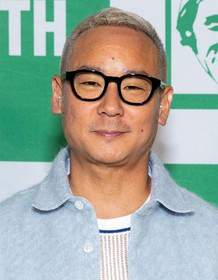
Boss Sha Ba (Danny Lee Sau-Yin)
Played by Danny Lee
A temperamental, war-scarred entrepreneur who earns money through illegal import of American cigarettes and by spending extravagantly at Ah Shui's massage parlor. His lower right leg was lost during the Vietnam War, and he uses his wealth to bend people to his will, particularly A Tao.
- 💼 Wealth
- 🧨 Temperament
- 🪖 War veteran
- AS
A Shan (Nick Cheung Ka-Fai)
Played by Nick Cheung Ka-Fai
A former theatre actor who runs a roadside karaoke in town. He vaguely resembles A Tao's father and becomes a complex romantic figure, developing an attraction to A Tao while navigating power dynamics and loyalty.
- 🎭 Performer
- 💘 Romance
- 🪙 Opportunism
- AT
A Tao (Zhang Jingchu)
Played by Zhang Jingchu
A Vietnamese girl living near the Red River who is mentally handicapped as a result of witnessing her father's death. She later moves to China to work as a cleaner for Ah Shui and is discovered for her singing and crowd-pulling abilities, which draw A Shan's interest.
- 🧠 Disability
- 💃 Performer
- 🧵 Migration
- S(
Shui (Loletta Lee Lai-Chun)
Played by Loletta Lee Lai-Chun
Owner of the massage parlor where A Tao works; she is A Tao's father's sister. She hires A Tao as a cleaner and ultimately agrees to hand her over to A Shan for a payoff and a temporary visa, highlighting the economic pressures in the border town.
- 💼 Business
- 🧭 Family ties
- 🪙 Transaction
Where and When Is Red River Set?
Red River is set in Red River region and Vietnam–China border (Contemporary era). Here is why the time and place matter to the story.
When
Contemporary era
Set after the Vietnam War, the narrative unfolds in a modern border town where cross-border commerce and entertainment mingle. Veterans and memories color the setting, while daily life moves through Chinese renminbi markets and informal employment. The timeframe supports stories of migration, aspiration, and vulnerability.
Where
Red River region, Vietnam–China border
The story unfolds in a border town along the Red River, straddling the Vietnam–China frontier. The area blends Vietnamese and Chinese communities with a rough, market-driven economy and informal industries. A massage parlor and roadside entertainment anchor the local life, reflecting the precarious livelihoods that cross-border actors navigate.
- 🏞️ Border region near Red River
- 💼 Cross-border economy
- 💆♀️ Massage parlor town
What Are the Themes of Red River?
4 ideas the story keeps returning to, among them Trauma, Power dynamics and Cross-border.
-
01
Trauma
A Tao's life is shaped by the violence she witnessed as a child on the verge of death, and the trauma continues to influence her relationships. The film tracks how memory and vulnerability color trust, attachment, and survival. Trauma drives the choices characters make in pursuit of safety and belonging.
-
02
Power dynamics
Wealth and fear are wielded like currency in the border town. Boss Sha Ba's temper and money control the fate of A Tao, highlighting how vulnerable individuals can be coerced through leverage. The story exposes exploitation masked as protection, and the moral grey areas of survival.
-
03
Cross-border
The setting sits at a cultural and economic crossroads, where Vietnamese and Chinese identities intersect. Border-town life creates a mixed, transitional space that affects language, loyalties, and romance. The narrative uses this backdrop to explore belonging, migration, and the blurred lines between worlds.
-
04
Love & longing
Romantic tension emerges between A Tao and A Shan, built on attraction, mutual need, and the lure of escape. Their brief connection is complicated by power imbalances and the looming threat of control. The film uses this dynamic to examine how desire can both sustain and imperil vulnerable individuals.
What Kind of Film Is Red River?
Melancholic in tone, with slow pacing and a moderate story, going by the plot summary.
- Tone
- Melancholic
- Pacing
- Slow
- Story
- Moderate
- Intensity
- Medium
A slow, melancholic drama set in a desolate borderland, steeped in the lingering trauma of war and exploring fragile connections between damaged individuals.
- melancholic
- tragic
- haunting
- isolated
- somber
- traumatic
- post-war trauma
- mental disability
- unconventional romance
- border town life
Content notes: war violence, land mine injury, amputation, emotional trauma, exploitation.
Quiz
How well do you remember Red River? Test yourself on the story.
