What Is Red Zone Cuba About?
The premise of Red Zone Cuba in 310 words, with nothing given away. The full story follows below.
In the simmering heat of the early 1960s, a world still reverberating from the echoes of the Bay of Pigs finds itself tangled in a web of desperate ambition and geopolitical intrigue. The island of Cuba looms as both a symbol of revolutionary fervor and a stark reminder of the Cold War’s relentless reach, casting a grim, almost palpable shadow over every decision made by those on its periphery. Against this backdrop, the film adopts a raw, unflinching tone, blending the claustrophobic atmosphere of prison walls with the sprawling, unforgiving landscape of a nation on the brink.
Griffin bursts into this volatile tableau fresh from a daring escape, his desperation matched only by a fierce will to carve out a new destiny. He quickly aligns himself with two hardened locals, Cook and Landis, whose rough pragmatism and street‑wise instincts complement his raw determination. Their uneasy camaraderie is forged in the crucible of shared desperation, each man embodying a different facet of survival: Griffin’s restless leadership, Cook’s gritty resolve, and Landis’s uneasy loyalty.
Together they set their sights on a perilous venture: an ill‑fated invasion of Cuba that promises both redemption and ruin. The promise of a substantial payout and a shot at freedom fuels their resolve, yet the mission’s fragile foundation begins to crumble the moment they encounter a charismatic, Castro‑like figure who seizes control. The capture plunges them into a nightmarish realm of sub‑human treatment, where the thin line between oppression and cruelty blurs into a relentless haze.
Amid the oppression, Griffin nurtures a flicker of hope—a daring, almost reckless plan that hints at a chance to shift the island’s fate toward peace. This seed of rebellion underscores the film’s relentless tension, painting a portrait of characters caught between bleak reality and the elusive promise of salvation, all while the world around them teeters on the edge of chaos.
What Happens in Red Zone Cuba?
The complete story of Red Zone Cuba, from the first scene to the last, in 387 words (about 2 minutes). Spoilers throughout. Names in the text link to 5 cast member pages.
Spoilers ahead
In the opening sequence, a young reporter named Jim Benton questions Mr. Wilson about three men—Griffin, Cook, and Landis—who hopped his freight train five years earlier, back in 1961. The film then shifts into a title sequence and returns to 1961, where Griffin escapes from jail and crosses paths with Cook and Landis. The trio makes their way to an airstrip run by Cherokee Jack, who airlifts them to a military training facility with the plan of being paid to participate in the infamous Bay of Pigs Invasion.
Deceived about the money they were promised, the three attempt to flee but are soon recaptured and pressed into invading Cuba. They are captured again by Cuban forces, triggering a brutal, extended sequence of executions, until they manage another escape. In a moment of desperation they abandon their badly wounded superior officer, Bailey Chastain; he pleads for them to take him along, but they refuse because he cannot be carried during their escape. He does manage to inform them about a mine back home belonging to his family, containing pitchblende, tungsten, and other valuable metals. The trio masters an airstrip, steals a light aircraft, and deserts Cuba to return to the United States.
Back on American soil, the men embark on a spree of crimes to reach the mine and help Bailey Chastain’s wife mine the metals his brother-in-law spoke of. They crush the café owner Cliff Weismeyer by throwing him down a well, and in a shocking act, Griffin rapes the blind daughter of Cliff’s family before stealing his car and slipping away. Their escape also includes hijacking Mr. Wilson’s train in Albuquerque. The fugitives press on to Arizona, where they meet Chastain’s wife Ruby and head toward the promised mine, but their car runs out of oil and law enforcement closes in. In a brutal turn, Griffin shoots Ruby and bolts into the fields, while [Landis] and [Cook] are captured.
Chastain, having survived Cuba, returns and is joyfully reunited with his wife after she is rescued and escorted home by a policeman. Griffin meets a final end in a shootout with the police; they recover his belongings—a penny and a bent cigarette—and the film closes with a somber voice-over.
Griffin “ran all the way to hell… with a penny and a broken cigarette” as the film ends.
Red Zone Cuba Timeline: Every Key Event in Order
13 key events in the order they happen, from “Reporter questions about the trio” to “Griffin's death and final reflection”. 13 events name a place, across 12 locations.
- 1
Reporter questions about the trio
In the opening sequence, Jim Benton asks about Griffin, Cook, and Landis who hopped his freight train five years earlier in 1961. Mr. Wilson calls Griffin 'he ran all the way to hell,' setting up their notoriety. The scene introduces the three fugitives and foreshadows the relentless pursuit that follows.
When:1961 Where:Train yard
- 2
Griffin escapes and reunites with Cook and Landis
Griffin escapes from jail and soon runs into Cook and Landis, reuniting the trio. They form a pact to survive and pursue opportunities together. Their next stop is an airstrip that will set their plan in motion.
When:1961 Where:Jail to airstrip
- 3
Airstrip flight to a Cuban training facility
Cherokee Jack operates an airstrip where the trio is flown to a military facility. They are promised payment to participate in the Bay of Pigs Invasion, a plan that lures them into dangerous international activity.
When:1961 Where:Airstrip (Cherokee Jack) and Cuban training facility
- 4
Deception and coerced invasion of Cuba
Deceived about the money they were promised, the trio attempts to escape but is recaptured and coerced to invade Cuba. The betrayal turns their escape into a forced mission, dragging them into wartime chaos.
When:1961 Where:Military training facility and Cuba
- 5
Captivity in Cuba and escape
They are captured by Cuban forces and subjected to a lengthy sequence of executions before finally escaping again. The brutal sequence intensifies their desperation and cements their status as fugitives.
When:1961 Where:Cuba
- 6
Abandoning Chastain; mine revelation
They abandon Bailey Chastain, their wounded superior officer, who begs them to take him along. He informs them of a mine back home containing pitchblende and tungsten, a revelation that motivates them to return to the United States.
When:1961 Where:Cuba
- 7
Return to the United States by air
The trio finds an airstrip, steals a light aircraft, and makes their flight back to the United States. The escape marks their return and sets up their crime spree on American soil.
When:1961 Where:Cuba to U.S.
- 8
Crimes begin in the U.S. to reach Ruby and the mine
Back in the U.S., they begin a crime spree to reach Chastain's wife, Ruby, aiming to mine the metals she is rumored to control. They assault Cliff Weismeyer at his café, throw him down a well, and Griffin rapes his blind daughter, then steal the cafe owner's car.
When:1961-1962 Where:New Mexico (Albuquerque) and café area
- 9
Rail-hopping continues in Albuquerque
They hop Mr. Wilson's train in Albuquerque, continuing their rail-hopping ways and drawing the police closer. This stunt echoes their early notoriety and pushes the pursuit back into the foreground.
When:1961-1962 Where:Albuquerque, New Mexico
- 10
Arizona chase and meeting Ruby
They reach Arizona and meet Chastain's wife Ruby as they press toward the mine, but the car runs out of oil and the escape stalls. The setback raises the stakes of their plan and increases the likelihood of capture.
When:1961-1962 Where:Arizona
Show the other 3 events of Red Zone Cuba Hide the last 3 events
- 11
Close call with law; Ruby is shot
Law enforcement closes in as police cars approach. Griffin impulsively shoots Ruby and flees into the fields, while Landis and Cook are arrested. The trio's momentum collapses under pursuit.
When:1961-1962 Where:Arizona road
- 12
Chastain returns and Ruby is escorted home
Bailey Chastain returns from Cuba alive and is reunited with his wife after she is rescued and escorted home by a policeman. The moment underscores the human costs of the fugitives' crimes and the fragile line between safety and ruin.
When:1961-1962 Where:Chastain's home
- 13
Griffin's death and final reflection
Griffin dies in a shootout with the police. His penny and bent cigarette are recovered, and a somber voice-over notes that Griffin ran all the way to hell.
When:1961-1962 Where:Arizona field
Who Are the Main Characters in Red Zone Cuba?
5 characters, among them Mr. Wilson, Bailey Chastain and Landis / Fidel Castro: who each one is and the part they play in the story. Every profile links to the actor’s page.
-
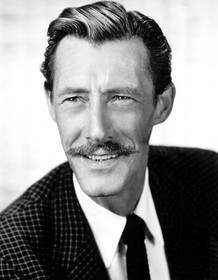
Mr. Wilson
Played by John Carradine
An aging train engineer who represents authority and serves as a moral barometer for the fugitives. He recalls the trio's past actions and anchors the pursuit with a weary, pragmatic tone. His presence highlights the consequences awaiting those who choose crime over compliance.
- 🧭 Authority
- 🚂 Railworker
- 🗺️ Witness
- BC
Bailey Chastain
Played by Tom Hanson
A wounded, senior officer whose kidnap and capture set the stakes for the fugitives. He hints at a mine back home that could become a motive for their return, grounding the chase in a personal longing beyond politics. His pleas and loyalty to his family intensify the moral weight of the fugitives' choices.
- 🎖️ Military
- 🩹 Wounded
- 🏠 Family
- L/
Landis / Fidel Castro
Played by Anthony Cardoza
One of the three fugitives who adopts a Fidel Castro alias to complicate pursuit and capitalize on opportunities. He is pragmatic and opportunistic, pushing the plan forward even when it strains their safety and ethics.
- 🧭 Opportunist
- 🎭 Dual identity
- 🪙 Greed
- G
Griffin
Played by Coleman Francis
The volatile leader of the trio, Griffin makes impulsive, often violent decisions. His reckless style triggers close calls and ultimately leads to a fatal confrontation with the police.
- 🔥 Aggressor
- 💥 Violent
- 💀 Death
- C
Cook
Played by Harold Saunders
The quieter member of the trio who participates in the crime spree but remains less developed on screen. He stays aligned with the group's plan until the end, serving as a steady if secondary force.
- 🧭 Loyalist
- 🤝 Partner
Where and When Is Red Zone Cuba Set?
Red Zone Cuba is set in Cuba, Albuquerque, New Mexico, Arizona and United States (1961). Here is why the time and place matter to the story.
When
1961
The main action unfolds in 1961, against the backdrop of Cold War tensions and the Bay of Pigs fiasco. The narrative opens with a past incident in 1956, then centers on 1961 events of escape, pursuit, and cross-border crime. The juxtaposition of a world on the brink with intimate crimes heightens the film's bleak tone.
Where
Cuba, Albuquerque, New Mexico, Arizona, United States
Set mostly in Cuba during the Bay of Pigs era and across the American Southwest, the film follows fugitives as they flee across borders and back into the United States. The Cuban and American locations frame a tense pursuit that blends political turmoil with personal crime, moving from humid airstrips to desert highways. The landscapes serve as a stark backdrop that amplifies the sense of danger, desperation, and lawlessness.
- 🚂 Train-hopping
- 🗺️ Travel
- ⚖️ Crime & morality
What Are the Themes of Red Zone Cuba?
3 ideas the story keeps returning to, among them Crime, Survival and Cold War.
-
01
Crime
Desperation drives the fugitives to commit a cascade of crimes, testing loyalties and ethics along the way. Violence and theft are treated as necessary tools for survival, blurring the line between crime and inevitability. Each decision deepens the characters' moral decline and traps them in a cycle of pursuit and punishment. The film uses these actions to probe whether redemption is possible once money and power become the motive.
-
02
Survival
Survival is the overarching priority as the trio dodges law enforcement from Cuba to the American frontier. They improvise escapes, steal, and gamble with risk in hopes of reaching safety and the promised mine. The harsh landscapes of Albuquerque and the Arizona desert reflect their peril and determination. Yet the cost of survival is measured in casualties, betrayals, and the erosion of any remaining humanity.
-
03
Cold War
The Bay of Pigs context and the political stakes cast a dark shadow over every choice the trio makes. The film intensifies the sense that ordinary crime is entangled with international power plays and covert operations. The fugitives' greed becomes a catalyst for larger political consequences, culminating in a violent showdown with authorities. In the end, the clash between personal ambition and public danger underlines the era's moral ambiguity.
What Kind of Film Is Red Zone Cuba?
Dark in tone, with fast pacing and a straightforward story, going by the plot summary.
- Tone
- Dark
- Pacing
- Fast
- Story
- Straightforward
- Intensity
- High
- Ending
- Bleak
A grim and relentless exploitation film that follows desperate fugitives through a harrowing journey of betrayal, brutality, and moral decay, culminating in a bleak and violent conclusion.
- brutal
- grim
- anxious
- cynical
- oppressive
- exploitative
- prison escape
- failed coup
- crime spree
- betrayal
Content notes: sexual assault, torture, execution, graphic violence.
Quiz
How well do you remember Red Zone Cuba? Test yourself on the story.
Where to Watch Red Zone Cuba
Stream it on Shout! Factory and Tubi TV, or rent or buy it from Amazon Video. US availability and prices from JustWatch.
 Shout! Factory Amazon Channel
  Tubi TV
 Rent or buy 1

Streaming availability in the US, powered by