

What Is Rampage: President Down About?
The premise of Rampage: President Down in 275 words, with nothing given away. The full story follows below.
In a United States still trembling from the echo of past violence, a renewed threat drifts out of the shadows, promising to upend the fragile equilibrium of power. The film opens on a nation already on edge, its media cycles saturated with whispers of unrest and the ever‑present specter of chaos. The backdrop is a contemporary America where every headline feels like a warning, and the line between security and vulnerability is razor‑thin.
Enter Bill Williamson, a figure thought lost to a catastrophic explosion but now resurfaced with a fervent conviction that his actions will carve a place in history. He moves with a calculated patience, using distance and anonymity to broadcast a contest of wills against the very institutions that once seemed unassailable. His self‑styled martyrdom fuels a disturbing belief that surrendering himself to the cause will amplify his message far beyond the moment.
Across the nation, law‑enforcement agencies scramble to piece together his riddles, their efforts a tense ballet of surveillance, negotiation, and uneasy anticipation. The tension is palpable, as each department wrestles with the weight of responsibility while the country watches, uneasy and divided. The atmosphere is drenched in gritty realism, blending the cold procedural world of federal task forces with the unsettling undercurrents of a society on the brink of collective hysteria.
The tone remains unflinching and atmospheric, a dark commentary on how a single voice—distorted through media, fear, and devotion—can ripple outward, threatening to fracture the very fabric of a nation. The film invites the audience to linger in the uneasy space between order and anarchy, where the echo of one man’s resolve may reverberate far beyond his own fate.
What Happens in Rampage: President Down?
The complete story of Rampage: President Down, from the first scene to the last, in 278 words (about 1 minute). Spoilers throughout. Names in the text link to 2 cast member pages.
Spoilers ahead
Three years after his second killing spree at WK7 TV station in Washington D.C. (following which he was presumed dead in a massive explosion), Brendan Fletcher returns from hiding and, from a sniper’s distance, takes aim at the highest seats of power, assassinating the President of the United States as well as the Vice President and the Secretary of Defense (all of these killings occur off-camera).
From a secluded cabin in the nearby woods, he taunts the authorities and readies himself for a final confrontation, convinced that he will die as a self-proclaimed martyr for his cause. The narrative follows his careful planning and the unwavering belief that his violent actions will cement his legacy, even as law enforcement closes in and the country watches with growing unease.
In the climactic sequence, a protracted and brutal firefight erupts. The shooter engages with police, SWAT teams, and FBI agents in a tense, high-stakes struggle, managing to kill a significant number of officers before being fatally wounded himself. His death sets off a much larger reaction across the nation, as thousands of supporters take up his message and mobilize around the warnings he delivered in his earlier video messages, calling for violent resistance against the wealthy and elite.
The film culminates with a news broadcast recounting the nationwide shootings and ensuing chaos, only to be interrupted when the homeless man from the previous film storms the WK7 station. Bruce Blain delivers a final, unsettling moment as he faces the camera and declares that Williamson changed his life before shooting the lens, leaving viewers with a chilling testament to the film’s exploration of influence, violence, and the ripple effects of fanaticism.
Rampage: President Down Timeline: Every Key Event in Order
11 key events in the order they happen, from “Williamson resurfaces after years in hiding” to “The final act closes on the lens”. 10 events name a place, across 8 locations.
- 1
Williamson resurfaces after years in hiding
Three years have passed since his second killing spree at WK7 TV station in Washington D.C., and authorities believed him dead after a massive explosion. He emerges from concealment with a cold resolve and begins plotting his next move. His return signals the start of a violent, final act.
- 2
The triple assassination is carried out (off-camera)
Using a sniper rifle, Williamson targets top U.S. leaders, killing the President, Vice President, and Secretary of Defense. The act is noted as happening off-camera, leaving little visual record but massive political shock. The country reels as the leadership is suddenly decapitated.
Where:Washington D.C.
- 3
Hiding in the cabin and taunting authorities
After the killings, Williamson retreats to a cabin in the nearby woods and begins taunting law enforcement. He openly defies pursuit, sharpening his anticipation of a final, fatal confrontation. From his seclusion, he frames himself as a martyr in his own disturbing narrative.
Where:Remote cabin in the woods
- 4
Plans for a final confrontation and martyrdom
Williamson hones his strategy for a climactic showdown with authorities. He believes the upcoming battle will cement his legacy as a self-proclaimed martyr for his cause. The tension builds as he readies his weapons and waits for the inevitable confrontation.
Where:Woods near cabin
- 5
Climactic firefight erupts
A prolonged firefight erupts as law enforcement closes in during the standoff. Williamson unleashes rifle fire, taking on police, SWAT, and FBI units in a brutal and chaotic confrontation. The fight is marked by escalating casualties on both sides and a clear shift toward a deadly finale.
Where:Woods vicinity
- 6
Williamson is fatally wounded
During the exchange, Williamson sustains fatal wounds and collapses. The holdout ends as his control over the confrontation fails and he dies from his injuries. His death resolves the immediate threat but seeds further turmoil.
Where:Woods vicinity
- 7
Unrest spreads nationwide
Williamson's death catalyzes widespread unrest across the United States. Thousands of supporters act on his provocative videos, turning sporadic acts of violence into a nationwide pattern. The aftermath destabilizes communities and challenges authorities.
Where:United States
- 8
News broadcasts report the chaos
News outlets scramble to cover the shootings and the growing chaos. The broadcasts frame the events as the fallout from Williamson's actions and as a warning about the erosion of order. The airwaves become a chorus of fear and uncertainty.
Where:Newsroom / TV network studios
- 9
The homeless man interrupts the broadcast
In a jarring turn, the homeless man from the previous film interrupts the station's live broadcast. He bursts into the frame, turning the scene from a national crisis into a personal confrontation with the camera. The moment marks a sudden pivot in the narrative's focus.
Where:TV station
- 10
The homeless man speaks to Williamson's impact
Facing the camera, the homeless man declares that Williamson changed his life. His words emphasize a personal transformation catalyzed by Williamson's violence. The statement carries a chilling, almost parodic sincerity as the broadcast grinds to a halt.
Where:TV station camera
- 11
The final act closes on the lens
The homeless man then shoots the lens, ending the broadcast with a visceral, terminal image. The act shifts the scene from commentary to a stark, violent punctuation mark. The film ends with this abrupt, unsettling moment.
Where:TV station
Who Are the Main Characters in Rampage: President Down?
8 characters, among them Bill Williamson (Brendan Fletcher), Bill's Girlfriend (Yan-Kay Crystal Lowe) and Homeless Man (Bruce Blain): who each one is and the part they play in the story. Every profile links to the actor’s page.
-

Bill Williamson (Brendan Fletcher)
Played by Brendan Fletcher
A former violent extremist who resurfaces from hiding to assassinate national leaders. He taunts authorities from a secluded cabin while preparing for a climactic confrontation. His unwavering belief in a self-styled martyrdom drives him to unleash a wave of violence on police, SWAT, and federal agents.
- 🗡️ Extremist
- 🎯 Marksman
- 🧭 Martyr Complex
- BG
Bill's Girlfriend (Yan-Kay Crystal Lowe)
Played by Yan-Kay Crystal Lowe
A close confidant of Williamson, sharing his worldview and personal stakes. She is drawn into the surrounding chaos, illustrating how personal relationships can be entangled with extremist plots. Her stance reflects the complexities of loyalty in the face of radical actions.
- ❤️ Confidant
- 🧭 Loyalty
- 🧪 Complex relationships
- HM
Homeless Man (Bruce Blain)
Played by Bruce Blain
A pivotal survivor from the previous film whose actions at the TV station catalyze the final act. He embodies the ordinary citizen drawn into a spectacle of political violence and becomes a stark reminder of personal transformation sparked by Williamson.
- 🗿 Survivor
- 🕯️ Catalyst
- 🗣️ Messenger
- FA
FBI Agent Murray (Scott Patey)
Played by Scott Patey
A veteran FBI agent leading the pursuit against Williamson, balancing urgency with investigative pragmatism. He coordinates with other law enforcement units while navigating the dangerous public climate. His role highlights federal response to a domestic terror incident.
- 🧭 Investigator
- 🗂️ Federal authority
- 🛡️ Lead agent
- WN
WK7 News Reporter #1 (Loretta Walsh)
Played by Loretta Walsh
A journalist covering the escalating violence and its political implications for the nation. Her reporting illustrates the media’s role in shaping public perception during a crisis. She represents the press’s presence at the center of a national emergency.
- 🗞️ Reporter
- 🗣️ Voice of the public
- 🎥 Media presence
-
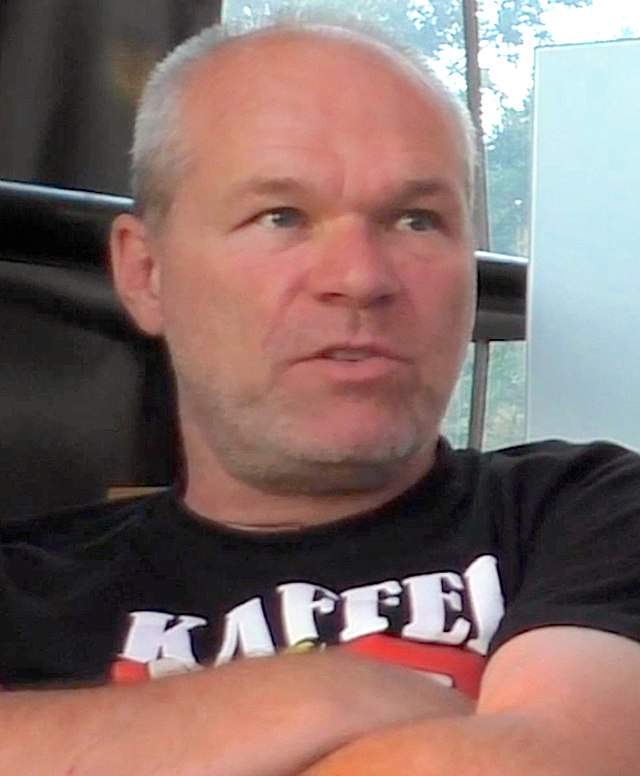
Rampage Killer #2 (Uwe Boll)
Played by Uwe Boll
One of Williamson’s associates in the mayhem, contributing to the film’s broader depiction of organized violence. His presence underscores the ensemble of threats confronting the protagonists.
- ⚔️ Antagonist
- 🧭 Co-conspirator
- 🕵️ Shadow figure
- C#
Cop #1 (Deb Mac)
Played by Deb Mac
A frontline police officer who encounters the initial bursts of chaos and becomes part of the brutal firefight. Her experience highlights the dangers faced by local law enforcement during mass violence.
- 🚓 Officer
- 🛡️ Ground reality
- 🗒️ First responder
- C#
Cop #2 (Rick Pearce)
Played by Rick Pearce
Another officer present in the chaotic response to Williamson’s assault on state power. He represents the local police force overwhelmed by sudden, deadly violence.
- 🚓 Officer
- 🛡️ Frontline defense
- 🗺️ Scene of action
Where and When Is Rampage: President Down Set?
Rampage: President Down is set in Washington, D.C., WK7 TV Station, Woods near Washington and D.C.. Here is why the place matters to the story.
Where
Washington, D.C., WK7 TV Station, Woods near Washington, D.C.
The story centers on the nation’s capital, where a WK7 TV station broadcasts the fallout of a presidential assassination. The urban core provides the political backdrop for the manhunt and media coverage. A cabin in the surrounding woods serves as the antagonist’s refuge and staging ground for his final confrontation. The locations contrast the city’s power structures with the isolation of rural outskirts.
- 🏙️ Urban Washington
- D.C.
- 🌲 Nearby woods
- 🎥 Media hub
What Are the Themes of Rampage: President Down?
3 ideas the story keeps returning to, among them Violence & Martyrdom, Propaganda & Media and Authority vs Chaos.
-
01
Violence & Martyrdom
The film centers on a violently radicalized protagonist who seeks martyrdom through acts of public violence. It examines how extremist messaging can turn personal grievances into nationwide chaos. The climax shows a prolonged firefight that fuses politics, media, and vengeance into a single, destructive arc. Williamson’s death catalyzes a nationwide sense of grievance and unrest.
-
02
Propaganda & Media
News broadcasts become instruments that amplify Williamson’s message, shaping public reaction and widening the circle of supporters. Media coverage provides a platform for the killer’s ideology, blurring the line between reporting and propaganda. The film critiques how information can be weaponized to mobilize violence. The final interruption by the homeless man underscores how media can fail to contain such chaos.
-
03
Authority vs Chaos
Law enforcement, the FBI, and government leaders strive to contain the threat, yet their efforts sometimes escalate danger through aggressive tactics. The narrative questions the legitimacy and effectiveness of a state response to domestic terrorism. It highlights the tension between upholding order and allowing political violence to override civil discourse. The result is a country destabilized by the very actions meant to secure it.
What Kind of Film Is Rampage: President Down?
Dark in tone, with fast pacing and a straightforward story, going by the plot summary.
- Tone
- Dark
- Pacing
- Fast
- Story
- Straightforward
- Intensity
- High
- Ending
- Bleak
A relentlessly violent and chaotic film that follows a domestic terrorist's final rampage, culminating in a bleak ending that leaves the nation in a state of violent unrest.
- violent
- chaotic
- angry
- oppressive
- unsettling
- cynical
- political assassination
- mass killing
- martyrdom
- societal collapse
Content notes: political assassination, mass shooting, graphic violence.
Quiz
How well do you remember Rampage: President Down? Test yourself on the story.
