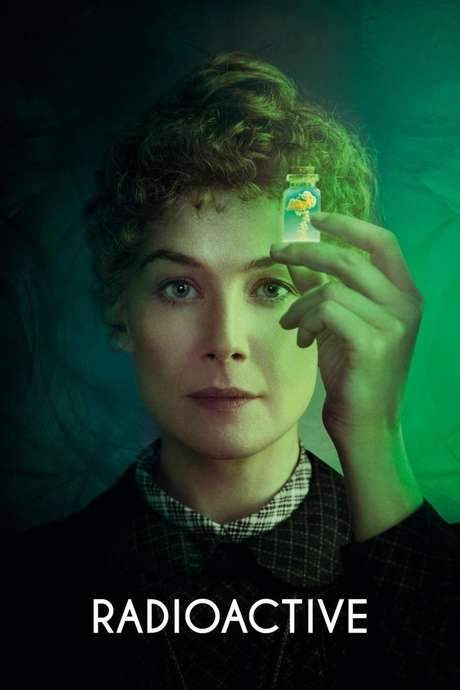
What Is Radium Girls About?
The premise of Radium Girls in 334 words, with nothing given away. The full story follows below.
In a dimly lit New Jersey factory where the soft glow of radium‑painted watch dials flickers against the clang of machinery, a generation of young women makes a living under a thin veil of industrial optimism. The atmosphere is thick with the scent of metal and the quiet hum of ambition, yet an unseen hazard lingers in the very pigment that gives the clocks their night‑time brilliance. The film settles into a measured, almost lyrical rhythm, allowing the routine of the workplace to pulse like a low‑frequency heartbeat that hints at something more dangerous beneath the surface.
The story follows two sisters, Bessie and Josephine “Jo” Cavallo, who share a modest home with their grandfather and a bond forged by necessity and affection. Bessie is spirited and curious, while Jo is practical and grounded; together they navigate the demands of the factory and the expectations of a tightly knit community. When Bessie encounters a young photographer named Walter White, his outsider perspective on politics and culture opens a doorway to ideas far beyond the factory floor, sparking a subtle rebellion against the confines of their lives.
Guiding the sisters toward a broader awareness is Ms. Wiley, a determined advocate whose presence introduces the world of consumer protection and collective action. Around them, the workplace hierarchy—including a foreman and a company doctor—offers a stark contrast between the impersonal machinery of industry and the personal stakes of those who labor within it. As the women begin to sense that something is amiss, the film weaves their growing unease into a tapestry of quiet resistance, underscored by the ever‑present glow of the radium they handle.
Through muted lighting, careful sound design, and a steady, introspective pace, the movie creates a mood that is both haunting and hopeful. It captures the tension between ordinary daily routines and the extraordinary courage required to question them, positioning Bessie and Jo at the crossroads of love, family, and an emerging fight for truth in a world that prefers to remain silent.
What Happens in Radium Girls?
The complete story of Radium Girls, from the first scene to the last, in 553 words (about 2 minutes). Spoilers throughout. Names in the text link to 5 cast member pages.
Spoilers ahead
Bessie Bessie Cavallo and her sister Josephine Cavallo Josephine Cavallo live with their grandfather in New Jersey, painting luminous watch dials at American Radium. Life at the factory brings them into contact with a broader world when Bessie meets Walter White, a young communist and photographer, who arrives to document the workers. The two quickly fall for each other, drawing one another deeper into their respective lives. Walter guides Bessie into a circle of counterculture and political thought, eventually pointing her toward Katherine Wiley, the leader of the Consumer’s League of New Jersey, whom the sisters come to rely on for support and information.
When Jo becomes seriously ill, the sisters seek medical help. The company foreman, Arthur Roeder, sends the factory doctor, Dr. Flint, who initially finds no obvious problem. After insisting on more tests, Dr. Flint delivers a grim-diagnosis: syphilis—the same diagnosis said to have afflicted their eldest sister Mary before she died two years earlier. The Cavallos refuse to accept this explanation, especially Jo, who is a virgin. They turn to Wiley for help, aware the path ahead will be difficult but hopeful that she can counter American Radium’s hold over the plant and its workers.
Bessie attempts a broader warning to the other dial painters, urging them to get tested for radium poisoning and to consider quitting the job. Wiley agrees to challenge the company, but she cautions that the road to justice will be arduous. The sisters uncover further evidence when Mary’s body is exhumed and found to contain radioactive bones, a finding that strengthens the case against American Radium. Two more girls join the Cavallos as potential plaintiffs, yet the company fights back by coercion and intimidation, shadowing the workers and trying to suppress dissent.
A pivotal turn comes when Henry Berry agrees to represent the dial painters in court. The trial begins with cautious optimism, but Bessie senses a need for stronger testimony. She locates Mr. Leech, the branch supervisor who once had a secret relationship with Mary, in the hospital and persuades him to testify about the dangers of radium. Leech eventually agrees, drawn by deep affection for Mary, but on the stand he collapses under pressure and lies about the relationship and his warnings.
As the case unfolds, the state judge grants American Radium a long extension, and a federal judge who takes a personal interest in the matter helps broker a deal for the victims, now dubbed the “Radium Girls.” The settlement offers $10,000 to each plaintiff and closes the New Jersey plant. The outcome is bittersweet for Bessie: while the settlement marks a major victory and a step toward reform, she feels the fight is not complete. Katherine Wiley reinforces the idea that the struggle is ongoing, telling her, “It is never over.” Despite her doubts, all the girls sign the agreement.
The epilogue places the events in a broader historical frame: radium was used to paint luminous clock faces up until the 1970s, and a judge who helped negotiate the settlement had been a stockholder in American Radium. The Radium Girls case leaves a lasting imprint on U.S. labor law, and a Geiger counter placed over the grave of a Radium Girl would click for more than a thousand years, a stark reminder of the long shadow cast by these events.
Radium Girls Timeline: Every Key Event in Order
12 key events in the order they happen, from “Bessie Meets Walter White” to “Epilogue: Legacy and Later Impact”. 12 events name a place, across 11 locations.
- 1
Bessie Meets Walter White
Bessie Cavallo meets Walter White, a young communist photographer, when he comes to photograph the workers at American Radium. They quickly fall for each other and begin to rely on one another as their lives intertwine with politics and risk. The budding romance pulls Bessie into a broader world that will soon clash with the factory's secrecy.
When:early 1920s Where:American Radium factory, New Jersey
- 2
Walter Introduces Bessie to Ms. Wiley
Walter introduces Bessie to his world of counter-culture ideas and to Ms. Wiley, leader of the Consumer's League of New Jersey. Wiley explains the potential dangers of radium exposure and the possibility of standing up to American Radium. The alliance plants the seeds for the forthcoming legal fight.
When:early 1920s Where:Wiley's meetings, New Jersey
- 3
Jo Falls Ill
Jo Cavallo falls ill, prompting serious concern from the sisters. They seek medical help to understand the cause of her worsening condition. The illness becomes the catalyst for challenging the factory's safety practices.
When:early 1920s Where:Home and factory, New Jersey
- 4
The Company Doctor Finds No Problem at First
Mr. Roeder sends the factory doctor, Dr. Flint, who initially finds no problem with Jo. The sisters insist on more tests to uncover the truth. This delay underscores the resistance they face from the company.
When:early 1920s Where:American Radium factory, New Jersey
- 5
Diagnosis of Syphilis and Mary's Past
Dr. Flint returns with a diagnosis of syphilis, echoing the earlier diagnosis given to Mary Cavallo before her death. The sisters refuse to accept this explanation, especially since Jo is a virgin. They seek help from Wiley, who warns them that the process won't be easy.
When:early 1920s Where:Factory clinic and Mary's memory
- 6
Wiley Warns of a Difficult Fight
Wiley warns the Cavallo sisters that confronting American Radium will be a hard battle. She urges them to get tested and push for transparency at the factory. The sisters vow to persevere despite the risks.
When:early 1920s Where:Wiley's office, New Jersey
- 7
Exhumation Confirms Radioactivity
Mary Cavallo's body is exhumed and her bones are found to be radioactive, strengthening the case against American Radium. The discovery validates the sisters' suspicions and fuels public support for action. The factory's defenses tighten in response.
When:1920s Where:Mary's grave
- 8
More Dial Painters Join the Case
Two additional girls join the Cavallo sisters as victims, expanding the collective case against the factory. American Radium responds with intimidation, coercing silence and following the women to scare them away. Public attention begins to turn more decisively toward accountability.
When:mid-1920s Where:New Jersey factory floor and streets
- 9
The Legal Battle Begins
Mr. Henry Berry agrees to represent the dial painters, and the state trial gets underway in New Jersey. Early testimony suggests the case could set a landmark precedent for workers' safety. The courtroom atmosphere is tense as the plaintiffs press for accountability.
When:1920s Where:Courthouse, New Jersey
- 10
Leech's Testimony and Betrayal
Bessie tracks down Mr. Leech, the branch supervisor who had a secret relationship with Mary, hoping for his testimony. Leech is hospitalized with radium poisoning and ultimately lies on the stand, denying the relationship and warning signs. His decision reflects the personal costs of the company’s efforts to survive.
When:1920s Where:Hospital and courtroom
- 11
Settlement Negotiations and Closure
A federal judge negotiates a deal on behalf of the Radium Girls after a long extension. The settlement awards $10,000 to each plaintiff and results in the factory's closure in New Jersey. Bessie worries the gains may be limited, but Wiley reminds her that the struggle continues in other ways.
When:late 1920s Where:Federal court/negotiations; New Jersey
- 12
Epilogue: Legacy and Later Impact
The epilogue notes that radium was used to paint luminous clocks until the 1970s and reveals the complexities of justice, including a stockholding judge. It shows how the Radium Girls case reshaped U.S. labor law and hints that a Geiger counter over a Radium Girl's grave would click for centuries. The sisters' story remains a reminder that progress requires ongoing vigilance.
When:post-1920s to present Where:Epilogue; United States
Who Are the Main Characters in Radium Girls?
8 characters, among them Bessie Cavallo (Joey King), Josephine Cavallo (Abby Quinn) and Dr. Flint (Neal Huff): who each one is and the part they play in the story. Every profile links to the actor’s page.
-

Bessie Cavallo (Joey King)
Played by Joey King
A determined sister who becomes the driving force behind the fight for safety. She refuses to accept superficial diagnoses and pushes for broader testing and awareness among her fellow dial painters. Her relationship with Walter White deepens her commitment to exposing the dangers of radium exposure.
- 💪 Courage
- ❤️ Family
-

Josephine Cavallo (Abby Quinn)
Played by Abby Quinn
Jo is one of the first to fall ill from radium exposure. Her illness and skepticism toward rushed medical conclusions propel the sisters to seek proper tests. She embodies the vulnerable yet steadfast spirit of the dial-painting workers in their fight for truth.
- 🧪 Health
- 🧭 Family
- 💪 Determination
-

Dr. Flint (Neal Huff)
Played by Neal Huff
The company doctor who initially finds no problem and later offers a troubling diagnosis. His actions illustrate how corporate interests can influence medical judgment and delay real investigations into radium poisoning.
- 🏥 Doctor
- 🧪 Science
- 💼 Corporate
- KW
Katherine Wiley (Cara Seymour)
Played by Cara Seymour
Leader of the Consumer's League of New Jersey who supports the Cavallo sisters and pushes back against American Radium. She warns that legal battles are arduous but necessary for lasting change.
- 🗽 Activism
- ⚖️ Legal
- 🧭 Justice
- ML
Mr. Leech (Scott Shepherd)
Played by Scott Shepherd
Branch supervisor who had a secret relationship with Mary and later lies under oath to protect the company. His testimony highlights the personal costs and moral compromises behind corporate defense.
- 💼 Betrayal
- ⚖️ Legal
- 🧪 Health
- HB
Henry Berry (Greg Hildreth)
Played by Greg Hildreth
The attorney who represents the dial-painters, helping to bring the case to trial and negotiating the settlement that ultimately reshapes safety and labor law.
- ⚖️ Legal
- 🗺️ Strategy
- AR
Arthur Roeder (John Bedford Lloyd)
Played by John Bedford Lloyd
The factory foreman who embodies factory authority and the corporate pressure faced by workers speaking out.
- 🏭 Factory
- 👔 Authority
- GC
Grandpa Cavallo (Joe Grifasi)
Played by Joe Grifasi
The sisters' grandfather who anchors the family in tough times, providing support as the Radium Girls fight for justice.
- 👴 Family
- 🧭 Wisdom
Where and When Is Radium Girls Set?
Radium Girls is set in New Jersey and American Radium factory (1920s). Here is why the time and place matter to the story.
When
1920s
The film unfolds during the 1920s, a period of rapid industrial growth and limited safety oversight. Factories expanded while regulations lagged behind, especially in industries like radium dial painting. Women workers faced grave health risks as communities began to demand accountability.
Where
New Jersey, American Radium factory
Set in early 20th-century New Jersey, the story centers on a factory town where dial painters work at American Radium. The plant epitomizes industrial ambition and the hazards of luminous radium paint. The community's health and workplace practices become the battleground for justice.
- 🏭 Industrial
- ⚖️ Legal
- 🧪 Health
What Are the Themes of Radium Girls?
3 ideas the story keeps returning to, among them Labor Rights, Women in Labor and Corporate Power.
-
01
Labor Rights
Radium Girls centers on workers demanding safer conditions and accountability from a powerful employer. The legal battle exposes how corporations shield themselves from responsibility. The case helps lay groundwork for broader labor protections. It shows how perseverance by workers and advocates can push changes in law.
-
02
Women in Labor
Many dial painters are young women who organize, test their health, and speak out against unsafe practices. The story explores gender norms of the era and how female workers challenge them through testimony and collective action. Activism in a male-dominated industrial world reveals the cost of speaking out. The narrative emphasizes resilience and solidarity among women workers.
-
03
Corporate Power
The company uses legal and financial pressure to delay and dilute accountability. The settlement shows how corporate interests can influence justice and workers' futures. The film contrasts profit-driven motives with human costs, illustrating systemic inequality in industrial America.
What Kind of Film Is Radium Girls?
Dark in tone, with steady pacing and a moderate story, going by the plot summary.
- Tone
- Dark
- Pacing
- Steady
- Story
- Moderate
- Intensity
- High
- Ending
- Bittersweet
A heavy, oppressive drama chronicling a grim legal and personal battle against corporate malfeasance, marked by systematic injustice, devastating illness, and defiant but costly perseverance.
- oppressive
- somber
- tense
- frustrating
- grieving
- defiant
- corporate greed
- industrial poisoning
- sisterhood
- labor rights
Content notes: radiation poisoning, terminal illness, death, corporate malfeasance, intimidation.
Quiz
How well do you remember Radium Girls? Test yourself on the story.