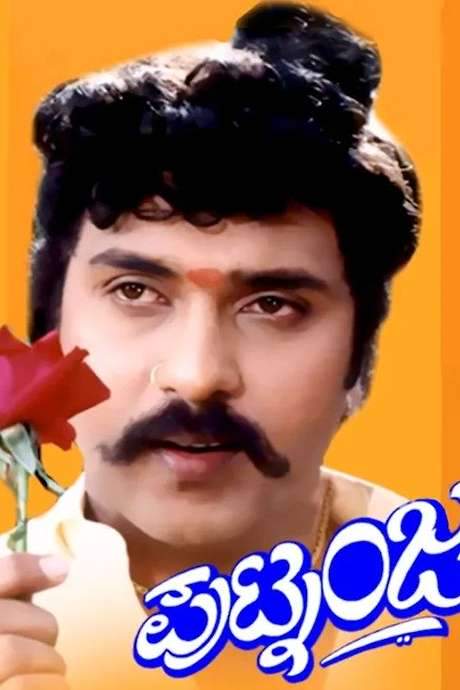


Putnanja Plot Summary
Read the complete plot summary and ending explained for Putnanja (1995). From turning points to emotional moments, uncover what really happened and why it matters.
The film features performances by Umashree, Meena, V. Ravichandran, Lokesh, and Pooja Lokesh.
Set in a close-knit farming community near Nanjangud in the Mysore district, the story follows Putnanja, a gentle and widely respected farmer whose kindness extends to everyone, especially the poorer families and those who are marginalized. He shares a simple, loving life with his devoted grandmother, Putmalli, whose wisdom and steadfast nature ground his days and remind him of the responsibilities that come with being trusted by the village. The narrative frames a man whose reputation for fairness and generosity makes him a pillar in his community, and whose personal dream centers on love and belonging.
When the news arrives that Roja, a woman who had left India for studies in America during childhood, has returned and is now within reach, Putnanja is moved to propose marriage. He travels to Roja with hopeful intent, only to face a chilly reception: Roja does not recognize him and advises him not to pursue talk of matrimony. The tension increases as Roja’s family dynamics come into play—her aunt desires a match with a richer, better-educated partner, while her maternal uncle believes Putnanja’s kindness makes him a worthy spouse, though he is constrained by the realities of family life and social pressure.
To bring the two together, Putnanja invites Roja’s family to participate in a village festival, hoping the shared time will soften resistance. Although Roja’s sister Taara initially resists going, Roja’s insistence leads to their visit, and she begins to see the village through Putnanja’s compassionate lens. Roja’s growing affection for the people and the way of village life gradually clashes with her city upbringing, even as she is drawn to the simplicity and warmth she finds there. Dharmayya, a pivotal figure, successfully persuades Roja to consider marriage to Putnanja despite her mother’s objections, steering the couple toward a potential life together.
As days unfold, Roja attempts to blend city sensibilities with village customs, occasionally overstepping norms that define the community’s way of life. A turning moment occurs when she marks her birthday by celebrating with misenjoyed revelry, including the spilling of beer, an act that is seen as excessive in the village. Putnanja responds with a firm, corrective slap, signaling a clash of two worlds and prompting Roja to leave the village to reassess her path.
The story takes another turn when Roja discovers she is pregnant, and she resolves to care for the child even without Putnanja’s support. After the birth, Putmalli takes the baby back to her own village, initiating a new separation that tests Roja’s resolve. Realizing that she cannot imagine life without Putnanja or their child, Roja makes a determined return to his village. The reunion is marked by reconciliation, as they both come to understand the value of family, perseverance, and shared responsibility. Ultimately, the couple finds a way to build a life together, anchored in mutual respect, care for one another, and the enduring bonds of kinship that the village holds dear.
Putnanja Timeline
Follow the complete movie timeline of Putnanja (1995) with every major event in chronological order. Great for understanding complex plots and story progression.
Putnanja's humble life near Nanjangud
Putnanja is introduced as a kind-hearted farmer living with his grandmother Putmalli near Nanjangud, earning respect for his generosity. The villagers know him as someone who would help the poor without hesitation.
Roja returns to India; Putnanja learns of her arrival
Roja, who had studied in America as a child, returns to India. Hearing of Roja's arrival, Putnanja rushes to her place with the hope of proposing marriage.
First proposal and Roja's unfamiliar reaction
Putnanja approaches Roja with a marriage proposal. To his surprise, Roja does not recognize him and asks that they not discuss marriage in the near future.
Family opposition to the match
Roja's family resists the match: his aunt wants Roja to marry a rich, educated man, while her mother resists and her maternal uncle supports Putnanja only because of his goodness. The clash of expectations creates pressure around the proposal.
Invitation to the village festival
Putnanja invites Roja's family to visit their village festival and spend days with them. Although Taara initially refuses, Roja insists on going, eager to see his world up close.
Roja grows fond of the village and Putnanja
During the village stay, Roja experiences the warmth of the community and begins to appreciate Putnanja's kindness. She gradually starts seeing him in a new light as a potential husband.
Marriage persuasion and agreement
After the festival, Dharmayya manages to persuade Roja to marry Putnanja despite her mother's objections. Roja accepts, setting the stage for a union that could bridge city and village life.
Roja adopts city ways in the village
Roja returns to the village but attempts to live according to city manners, neglecting the customs that govern village life. Her behavior disrupts local norms and unsettles the community, illustrating the cultural clash.
Confrontation and Roja's departure
Putnanja confronts Roja for celebrating her birthday with beer, an act seen as disrespectful to village traditions, and he slaps her as a consequence. Distressed, Roja leaves the village, feeling she cannot fit into the place.
Roja's pregnancy and resolve
Roja discovers she is pregnant with Putnanja's child and resolves to raise the baby. She steels herself to face the future, even as the personal and social pressures press in from all sides.
Putmalli takes the child to the village
Putmalli takes the newborn to her village, intending to raise the child among family and tradition. The separation underscores Roja's longing and the cultural dimension of responsibility.
Reunion and a happy life
Roja realizes she cannot live without Putnanja and their child, and she rushes to his village. They come together again, and the family begins a new, happier chapter in which they live in harmony.
Putnanja Characters
Explore all characters from Putnanja (1995). Get detailed profiles with their roles, arcs, and key relationships explained.
Putnanja
A respected farmer known for his kindness toward the poor and for living a simple, honest life. He is patient and brave in pursuing Roja, challenging the social norms of his village. His love for Roja and his commitment to his grandmother Putmalli ground the story in village values.
Roja
A young woman who grew up away from the village, having studied in America. She initially resists Putnanja's proposal but comes to admire his kindness and integrity. Her journey includes realizing she is pregnant and deciding to embrace her child and her partner.
Putmalli
Putnanja's grandmother, a pillar of the family who keeps traditional values alive. She takes the child from Roja to raise in the village and plays a guiding role in the family’s decisions. Her presence anchors the bond between generations.
Dharmayya
A facilitator who works to convince Roja's side to accept the marriage to Putnanja. He navigates social ties and community expectations to bridge families and create a union.
Aunt (Putnanja's Aunt)
Putnanja's aunt who pushes for Roja to marry someone rich and educated, representing social pressure and the desire for better prospects. She embodies the conflict between wealth and virtue in the village.
Putnanja Settings
Learn where and when Putnanja (1995) takes place. Explore the film’s settings, era, and how they shape the narrative.
Time period
1990s
The events unfold in a late 20th-century rural setting where village norms shape relationships and marriage prospects. The era reflects a time when arranged marriages, social reputation, and family honor dominate decisions.
Location
Nanjangud, Mysore District, Karnataka, India
Set near Nanjangud town in Mysore district, the story unfolds in a rural Karnataka village. The village is defined by agrarian life, temple rituals, and a tight-knit community where everyone knows each other. Traditional values guide daily routines, from festivals to social expectations.
Putnanja Themes
Discover the main themes in Putnanja (1995). Analyze the deeper meanings, emotional layers, and social commentary behind the film.
💞
Love and Social Pressure
Putnanja's steadfast affection for Roja drives the central romance. Roja's initial reluctance is shaped by family expectations and class differences. The couple's journey tests whether love can overcome social barriers and the opinions of the village.
👨🌾
Tradition vs Modernity
Roja's city upbringing clashes with rural village norms, leading to conflicts over behavior and festival rules. The narrative shows how modernization ideals brush against traditional duties and communal rituals. Choices reflect the tension between individual freedom and community expectations.
👪
Family and Community
The story hinges on family ties and the village's social network. Grandmother Putmalli, Roja's mother, and the aunt shape decisions through care and pressure. The broader community's response influences the couple's fate and eventual reconciliation.

Coming soon on iOS and Android
The Plot Explained Mobile App
From blockbusters to hidden gems — dive into movie stories anytime, anywhere. Save your favorites, discover plots faster, and never miss a twist again.
Sign up to be the first to know when we launch. Your email stays private — always.
Explore the mobile appPutnanja Spoiler-Free Summary
Discover the spoiler-free summary of Putnanja (1995). Get a concise overview without any spoilers.
In the fertile fields surrounding Nanjangud, a humble farming community clings together with the rhythm of the seasons. The village breathes a quiet confidence, its simple routines punctuated by the occasional celebration that reinforces a deep sense of belonging. Life here moves at a pace dictated by the land, where generosity is measured in shared labor and kindness is the currency of respect.
_ Putnanja_ moves through this world with a gentle authority, his reputation for fairness and compassion extending to every neighbor, especially the most vulnerable. He lives with his steadfast grandmother, Putmalli, whose quiet wisdom anchors his days and reminds him of the responsibilities that come with being the village’s trusted heart. Beneath his modest exterior lies a yearning for a lasting partnership, a desire to blend his devotion to the land with the intimacy of a shared life.
Enter Roja, a woman shaped by city streets and years spent abroad, returning to a world that feels both unfamiliar and oddly inviting. Her polished upbringing contrasts with the rustic charm of the countryside, setting up a delicate dance between tradition and modernity. While her family’s expectations and the community’s customs create subtle friction, the spark between her and Putnanja hints at a union that could bridge two very different worlds. Their budding romance carries the promise of both joy and challenge, inviting viewers to wonder how love might flourish when rooted in contrasting soil.
Featured on this page

What's After the Movie?
Not sure whether to stay after the credits? Find out!
Check out our other apps:

SAT Sphere
Build confidence for the Digital SAT.

Mori Atlas
Discover wild places worth protecting.

Luntero
Search smarter for a home in Amsterdam.

Plot Explained
Unravel movie endings and hidden clues.

Pokechamp
Dive into Pokémon data and battle logic.

Driving Theory
Get ready for your European theory test.

Movie Dust
Plan your next cinema trip with ease.

Musemap
Find art and culture as you travel.

Selkobase
Compare credentials before committing.

Local Manual
Turn an unfamiliar country into practical next steps.

Lernavi
Compare school systems before your next move.

GymRoam
Find a workout stop wherever your plans take you.
Explore Our Movie Platform
New Movie Releases (2026)
Famous Movie Actors
Top Film Production Studios
Movie Plot Summaries & Endings
Major Movie Awards & Winners
Best Concert Films & Music Documentaries
Movie Collections and Curated Lists
© 2026 What's After the Movie. All rights reserved.
Privacy Policy