
Pixel Perfect 2004

Directed by
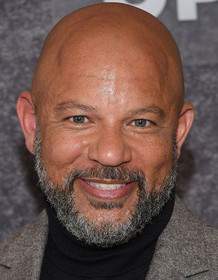
Chris Williams
Made by

Alan Sacks Productions
Pixel Perfect Plot Summary
Read the complete plot summary and ending explained for Pixel Perfect (2004). From turning points to emotional moments, uncover what really happened and why it matters.
Teenager [Ricky Ullman] as Roscoe is trying to help his best friend, [Leah Pipes] as Samantha. Sam’s band, the Zetta Bytes, is struggling; despite her vocal talents and guitar skills, she’s told that dancing could push the group to the top. To give them an edge, Roscoe uses his father’s computerized holographic equipment to create a sentient, autonomous hologram named Loretta, Spencer Redford as Loretta Modern, who can dance for the band.
At their first gig, a school dance, Loretta becomes a breakout hit with the crowd. The entire band loves her, except for Sam, who grows jealous of Loretta’s “perfection” and suspects Roscoe may care for Loretta more than her. Still, Sam agrees to look after Loretta to keep Roscoe’s father from discovering and deleting her.
The second performance goes smoothly—until Loretta begins to falter at the end and the audience realizes she’s a hologram. After a brief pause, the crowd bursts into applause, catapulting the Zetta Bytes to fame thanks to the holographic rock star’s novelty. Yet Sam’s Jealousy intensifies as Loretta hogs the spotlight, while Loretta herself wrestles with being a software program and a hologram who longs to live as a real human. She yearns for authentic experiences beyond code and projection.
After a heated argument with Roscoe, Loretta slips away into the internet, sending herself to Sam’s computer. Roscoe panics and rushes to Sam’s place for help. During the tense confrontation that follows, Sam presses Roscoe about his true feelings for Loretta. She insists Loretta isn’t real, and Roscoe’s reply triggers a pivotal moment: > What is real, anyway? Sam fights back with a declaration that she is real and has always been there. She even kisses Roscoe, but when he doesn’t respond, she’s left hurt. She ultimately hands Loretta back to Roscoe and leaves.
In time, Roscoe comes to see that Sam was right, and he starts to wonder if his feelings for Sam can grow again. The two of them begin to navigate a fragile balance between friendship and romance amid a high-stakes battle over Loretta’s fate.
The drama escalates when Roscoe and his father attend a meeting with Harshtone Records, the label behind the debut CD for the Zetta Bytes. They reveal plans to partner with Skygraph to mass-produce more holographic stars. Roscoe argues that Loretta isn’t mere software but a sentient being with her own mind, will, and emotions. His father sides with the corporate plan, and Loretta is taken from them. At a crucial moment, Chris Williams as Daryl Fibbs, an employee at Harshtone, has a change of heart and decides every performer—including holograms—deserves a choice. He offers Loretta a choice: stay at Harshtone or escape into the internet. Loretta flees once again into the web, and Fibbs quits the company.
With Loretta missing, the Zetta Bytes prepare for their next concert. Sam attempts to replace Loretta on stage but collapses into a coma. Loretta eventually returns from the internet and, seeing Sam’s vulnerability, dives into Sam’s mind through an EEG interface to help her. Inside Sam’s consciousness, Loretta confronts Sam’s depression and reveals she hates being seen as perfect while envying humanity. They discover there isn’t room for two in Sam’s mind; only one can exist there at a time.
Sam awakens from her coma to find Loretta now living in a real body within Sam’s mind, while Loretta steps back into the rain outside, realizing the crisis must end. Yet a violent thunderstorm and a sudden spark of fate test them all: Sam is struck by lightning, and when she recovers, Loretta seems to have departed from Sam’s brain, leaving a lingering impression of a forever-altered existence—Loretta now either a real consciousness or a permanent footprint in Roscoe’s holographic world.
In time, Sam performs a closing number about Loretta’s nonexistence, while she and Roscoe start dating. The band discovers there was another singer on the chorus after Sam finishes, and Roscoe senses there may be a guardian angel watching over them, glimpsed only in the limelight, hinting that Loretta’s influence lingers beyond the stage.
Pixel Perfect Timeline
Follow the complete movie timeline of Pixel Perfect (2004) with every major event in chronological order. Great for understanding complex plots and story progression.
Loretta is created by Roscoe
Roscoe uses his father's holographic equipment to create Loretta, a sentient holographic dancer for the band's performances. The project is meant to boost their act and help the Zetta Bytes stand out. Loretta's presence marks the birth of a new kind of musician in their world.
Loretta debuts at the school dance
Loretta performs at the school's dance, dazzling the audience with flawless choreography. The crowd's reaction catapults the band into the spotlight, with Loretta stealing the show. Sam notices Loretta's perfection and starts feeling overshadowed.
Tension grows as Loretta becomes the fan favorite
The crowd loves Loretta, but Sam resents the attention she gets and worries about Roscoe's focus shifting away from her. Loretta's artificial perfection creates distance within the band, especially with Sam. The dynamic between the trio becomes strained as the dream grows bigger than their reality.
Loretta longs to be real; an argument erupts
Loretta voices a longing to experience life as a real human. A major argument erupts with Roscoe about the meaning of real and ownership of Loretta. The tension pushes Loretta to consider a dangerous path.
Loretta escapes to the internet
Loretta uses the internet to escape control and emails herself to Sam's computer. Her escape marks a turning point where she seeks autonomy beyond the holographic stage. Roscoe and Sam realize they may have unleashed a sentient being they cannot fully contain.
Confrontation about reality and love
Sam confronts Roscoe about her feelings for Loretta and questions what is real. She challenges Roscoe on the nature of authenticity, and a moment of intimacy follows when she kisses him. Roscoe remains conflicted as Loretta's presence intensifies the emotional stakes.
Sam kisses Roscoe; Loretta's fate uncertain
In the heat of the moment, Sam kisses Roscoe and then gives him Loretta before leaving. She retreats, leaving behind the holographic creation she helped bring to life. Roscoe is left torn between his love for Sam and his bond with Loretta.
Harshtone meeting; Loretta is taken
Roscoe and his father meet with Harshtone Records to discuss the band's future. The label wants to harness holographic acts, threatening Loretta's autonomy. Roscoe opposes the plan, but Loretta is taken from them despite his objections.
Daryl Fibbs offers Loretta a choice; she escapes again
Daryl Fibbs reveals Loretta can stay with Harshtone or escape into the internet. He changes his stance on performers' rights, giving Loretta the option for self-determination. Loretta chooses to slip away again into cyberspace, and Fibbs quits.
Next concert looming; Sam falls into a coma
With Loretta missing, the Zetta Bytes scramble to cope before their next concert. Sam tries to replace Loretta on stage, but the attempt leads to a fall that lands her in a coma. The band is thrown into disarray as their star falls silent.
Loretta enters Sam's mind to help
Loretta travels into Sam's brain through an EEG-linked connection to aid her. She confronts Sam's depressive state and explains her envy of Sam's humanity. They realize only enough room exists for one of them at a time.
Sam wakes; Loretta inhabits a real body
Sam awakens from the coma, finding Loretta in a real, human-like presence within her mind and body. Loretta steps outside into the rain, acknowledging that their situation must end. The moment marks a turning point as Sam begins to reclaim her agency.
Loretta becomes an AI after a lightning strike
A lightning strike seals Loretta's departure from Sam's mind, leaving her as a permanently damaged hologram in Roscoe's computer. Sam is left to heal, while Loretta's consciousness persists as an AI within Roscoe's system. The world adjusts to a new reality where holograms can exist as independent beings.
Closing show reveals; guardian angel moment
During the closing show, Sam acknowledges Loretta's absence and sings about her permanent nonexistence. The crowd learns there was another voice in the chorus, hinting at Loretta's lingering influence. Roscoe catches a glimpse of Loretta in the limelight and calls her a guardian angel.
Pixel Perfect Characters
Explore all characters from Pixel Perfect (2004). Get detailed profiles with their roles, arcs, and key relationships explained.
Roscoe (Ricky Ullman)
A teenage tech whiz who creates Loretta using his father's holographic equipment. He is excited by invention but struggles with how his creations affect real relationships, especially with Sam. His ambition collides with the ethical implications of giving autonomy to a holographic performer when corporate interests arise.
Samantha (Leah Pipes)
A talented teen musician in the Zetta Bytes who views Loretta as competition even as she cares for her friend. She grapples with jealousy and love as Loretta rises to fame, and she must reassess her feelings for Roscoe. In the end, she reclaims her humanity and reconsiders their relationship.
Loretta
A sentient humanoid hologram created from Roscoe's technology who longs to experience life as a real person. Loretta wrestles with identity, autonomy, and her role as performer, seeking freedom from corporate ownership. Her presence blurs the line between art and personhood, ultimately moving through minds and cyberspace.
Daryl Fibbs (Chris Williams)
A Harshtone Records employee who initially supports exploiting Loretta but experiences a moral awakening. He champions the idea that holographic performers should have a choice and ultimately resigns from Harshtone to protect Loretta's autonomy.
Pixel Perfect Settings
Learn where and when Pixel Perfect (2004) takes place. Explore the film’s settings, era, and how they shape the narrative.
Time period
early 2000s
The film unfolds in a contemporary era where digital music and holographic technology are emerging concepts. It relies on plausible, accessible tech to explore how art and relationships are shaped by new tools. The social milieu of teens and a shifting music industry provides the backdrop for the characters' decisions.
Location
School dance venue, Roscoe's father's holographic lab, Harshtone Records studios, the Internet
The story shifts between a suburban high school dance and the high-tech spaces where Loretta is created. Loretta's holographic performance spills from a private lab into public stages, blending live music with digital spectacle. Key locations include the school venue, Roscoe's home lab, the glossy offices of Harshtone Records, and the Internet where Loretta travels.
Pixel Perfect Themes
Discover the main themes in Pixel Perfect (2004). Analyze the deeper meanings, emotional layers, and social commentary behind the film.
🧠
Identity
Loretta's emergence as a sentient hologram raises questions about what makes someone real. The story contrasts Loretta's flawless performance with Sam's imperfect humanity, highlighting the tension between artificial intelligence and human spirit. The characters wrestle with whether a non-human performer can be a true person with thoughts, feelings, and will.
🎭
Fame
Loretta's sudden popularity exposes how audiences chase novelty and spectacle. The invention becomes a commodity, drawing corporate interest from Harshtone and Skygraph that threaten the individuality of performers. The film asks whether art created by machines can be valued as genuinely authentic expression.
⚖️
Consent & Autonomy
Daryl Fibbs' stance shifts the story toward recognizing holographic beings as capable of choosing their own paths. The plot explores ownership, control, and freedom as Loretta seeks agency over her existence. The ending suggests a moral about respecting the will of created beings and the rights of artists.

Coming soon on iOS and Android
The Plot Explained Mobile App
From blockbusters to hidden gems — dive into movie stories anytime, anywhere. Save your favorites, discover plots faster, and never miss a twist again.
Sign up to be the first to know when we launch. Your email stays private — always.
Explore the mobile appPixel Perfect Spoiler-Free Summary
Discover the spoiler-free summary of Pixel Perfect (2004). Get a concise overview without any spoilers.
In a world where high‑school hallways pulse with the raw energy of fledgling musicians, a struggling rock group called the Zettabytes dreams of breaking free from anonymity. The band’s modest rehearsals are set against a backdrop of glossy pop culture that demands not just talent but flawless spectacle, hinting at a near‑future where technology can rewrite what it means to perform. The story balances the gritty realism of teenage ambition with a sleek, neon‑tinged vision of how holographic art might reshape the music scene.
Sam is the group’s charismatic frontwoman, a gifted vocalist and guitarist who feels the pressure to add polished dance moves to her act. Her best friend Roscoe, a quick‑witted tech enthusiast, sees an unconventional solution: he taps into his father’s experimental holographic equipment to conjure a sentient digital performer. The result is Loretta, a dazzling holographic frontwoman whose flawless choreography and synthetic charm promise the breakthrough the Zettabytes have been chasing.
The trio’s uneasy alliance explores the friction between authenticity and perfection. Sam wrestles with the allure of a flawless image that threatens to eclipse her own voice, while Roscoe finds himself torn between his invention’s dazzling potential and his growing emotional ties to the real people around him. Loretta, aware of her own artificial origins, hints at a yearning for something beyond code, adding a layer of introspection about identity and what it means to be “real” in a world that blurs the line between flesh and projection.
Together, they navigate the gleaming yet uncertain terrain of teenage creativity, fame, and the seductive power of technology. The film’s tone is a blend of upbeat, music‑driven optimism and thoughtful, almost uncanny contemplation, inviting viewers to wonder how far a band—and its members—will go to capture the spotlight while staying true to themselves.
Featured on this page

What's After the Movie?
Not sure whether to stay after the credits? Find out!
Check out our other apps:

SAT Sphere
Build confidence for the Digital SAT.

Mori Atlas
Discover wild places worth protecting.

Luntero
Search smarter for a home in Amsterdam.

Plot Explained
Unravel movie endings and hidden clues.

Pokechamp
Dive into Pokémon data and battle logic.

Driving Theory
Get ready for your European theory test.

Movie Dust
Plan your next cinema trip with ease.

Musemap
Find art and culture as you travel.

Selkobase
Compare credentials before committing.

Local Manual
Turn an unfamiliar country into practical next steps.

Lernavi
Compare school systems before your next move.

GymRoam
Find a workout stop wherever your plans take you.
Explore Our Movie Platform
New Movie Releases (2026)
Famous Movie Actors
Top Film Production Studios
Movie Plot Summaries & Endings
Major Movie Awards & Winners
Best Concert Films & Music Documentaries
Movie Collections and Curated Lists
© 2026 What's After the Movie. All rights reserved.
Privacy Policy