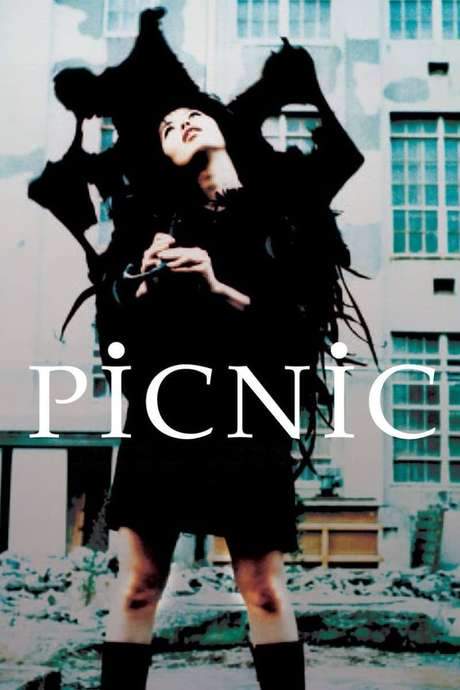
Picnic 1996

Directed by

Shunji Iwai
Made by

Fuji Television Network
Picnic Plot Summary
Read the complete plot summary and ending explained for Picnic (1996). From turning points to emotional moments, uncover what really happened and why it matters.
Coco, played by Chara, is dropped off at a mental asylum for young teenagers, where she’s met by a chorus of oddly enthusiastic staff who confiscate nearly everything she owns except a crow feather scarf she clings to tightly. Inside her room, she soon meets other patients, notably Tsumuji, played by Tadanobu Asano, and Satoru, played by Koichi Hashizume, who become friends during a shared art therapy session. While in his cell, Tsumuji experiences a vivid, troubling hallucination of his grade school teacher who molests him, a memory that shadows his interactions with the others.
One morning, after Coco steals black paint from the storeroom, the three boys scale the asylum walls and peer out at the road beyond. They explain that they’re simply exploring and won’t get in trouble if they stay within the lines of the walls. Coco follows them along the block and, drawn by curiosity, stops near a church to watch a hymn recital. A priest emerges and speaks with them about the nature of God; Tsumuji admits he’s unconvinced of God’s existence because prayers for the end of the world go unanswered, while Coco declares birth to be the world’s beginning and death its end, insisting that her parents are her God. The priest gives them a Bible, encouraging them to read it.
Tsumuji pores over the Bible and points to Genesis as evidence that God created the world, which deepens their fixation on the book’s apocalyptic visions. Back at the asylum, they’re restrained and sent to a punishment ward, lying strapped to beds. At night, a staff nurse rapes Tsumuji, who then hallucinates the teacher taunting and urinating on him.
The trio’s Bible study deepens into a shared belief about an impending apocalypse. They interpret the book’s publication date as a reference point and grow excited about the event, planning a picnic as they wait for it to begin. They stray beyond the church and into the city, drawing stares as they wander in broad daylight. In the chaos, they steal a gun from a pursuing police officer and mock a billboard for a sports drink.
In a residential area, Satoru reaches for a discarded trash bag and is horrified to discover a severed hand, then recoils and runs from his companions. When Coco and Tsumuji continue their walk, a sudden rainstorm triggers Tsumuji’s trauma; he confesses that years of abuse drove him to stab his teacher to death on a rainy day. Coco comforts him and reveals her own secret—she killed her identical twin Kiki in a game of who-is-fake. They share a brief, intimate moment before reaching an offshore beacon at sunset.
They open the picnic basket, find it empty, and pretend to eat. Tsumuji suggests that shooting the sun with the police officer’s gun might trigger the end of the world. He fires three shots into the sun, but nothing happens. Coco teases him for being a lousy shot, then takes the gun herself and shoots herself in the head, ending her world. The crow feathers from her scarf burst into the air as Tsumuji cradles her body, and the gun clicks harmlessly into the empty sky.
Picnic Timeline
Follow the complete movie timeline of Picnic (1996) with every major event in chronological order. Great for understanding complex plots and story progression.
Arrival at the asylum
Coco is dropped off at a mental asylum for young teenagers by her parents. The staff swarm her, and a nurse treats her roughly, confiscating most belongings and adornments except for her crow feather scarf, which she clings to. The harsh reception sets the tone for the inmates' grim environment.
First connections in art therapy
In the art therapy session, Coco meets Tsumuji and his friend Satoru and they gradually become friends. The environment is hostile, but the trio finds a moment of camaraderie through shared drawings and conversations. This bond anchors their later actions.
Tsumuji's traumatic memory
While in his cell, Tsumuji hallucinates his grade-school teacher molesting him, revealing the depth of his trauma. The vision leaves him shaken and isolated from the others. The scene foreshadows how abuse shapes the boys' perceptions of safety and trust.
Escaping the walls to explore
After stealing black paint from the storeroom, Coco, Tsumuji, and Satoru scale the asylum walls and gaze out at the road beyond. They explain they won’t get in trouble if they don’t go past the edge, then Coco follows them further along the wall. The act hints at their longing for freedom and a broader world.
Church encounter and divine debate
Coco ventures beyond the wall to a church and they watch a hymn recital. A priest engages them in a discussion about God, and Coco defines birth as the world’s beginning and death as its end, calling her parents her God. The priest gives them a Bible and urges them to read it.
Return and punishment at the asylum
Back at the asylum, the trio is restrained and taken to a punishment ward, strapped to beds. That night, a staff nurse rapes Tsumuji, and he hallucinates the teacher taunting and urinating on him. The abuse cements the brutal atmosphere surrounding the children.
Bible obsession and the end of the world
The group grows increasingly absorbed in the Bible, especially passages about the end of the world. They interpret the book’s publication date as the reference point for the apocalypse. Their fixation drives them toward a grand, doomed plan.
Into the city and a dangerous theft
Excited by their belief in an approaching apocalypse, they go beyond the church into the main city and attract stares. They steal a gun from a pursuing police officer and mock a billboard for a sports drink. The thrill of rebellion grows, trading safety for peril.
Discovery of a severed hand
In a residential area, Satoru rummages through a discarded trash bag for food and uncovers a severed hand, horrifying the group. He runs away in panic while the others react with shock and fear. The grim find underscores the fragility of life outside the asylum’s walls.
Satoru's fall and injury
While continuing their walk, Satoru slips and falls off a wall, hitting his head on a rock. He drags himself forward, dazed, insisting that he must climb again, before finally losing consciousness from blood loss. The incident marks a violent turn in their journey.
Confessions and intimate bond
Coco confesses that she killed her identical twin Kiki in a game of who-is-fake, and Tsumuji reveals he stabbed his teacher after years of abuse. The two comfort each other and share a brief kiss, momentarily easing the weight of their traumas. The moment deepens their fragile connection.
At the offshore beacon
They reach an offshore beacon as the sun sets and open an empty picnic basket, pretending to eat to fill the void. The trio discusses whether shooting the sun with the gun could trigger the predicted event. The scene juxtaposes childish ritual against ominous intention.
The sun shot attempt
Tsumuji fires three shots into the sun, but nothing happens, and Coco teases him about his aim. The failed attempt underscores the futility of their plan and the collapse of their earlier bravado. They confront the emptiness of unrealizable apocalyptic fantasies.
Coco's final act
Coco shoots herself in the head, ending her world. Feathers from her scarf burst into the air as Tsumuji grasps her body and the empty gun clicks into the sky. The moment is both a literal and symbolic end to their shared illusion and lives.
Picnic Characters
Explore all characters from Picnic (1996). Get detailed profiles with their roles, arcs, and key relationships explained.
Coco (Chara)
A resourceful teenage girl who clings to her crow feather scarf amid the asylum’s rules. She befriends Tsumuji and Satoru during art therapy and joins their exploration beyond the walls. She reveals that she killed her twin in a game of who-is-fake, showing a capacity for dark acts alongside loyalty and fear. Her presence anchors the trio’s longing for escape and meaning.
Tsumuji (Tadanobu Asano)
A patient haunted by past abuse who hallucinates his molested teacher. He forms a bond with Coco and Satoru and participates in their dangerous explorations beyond the asylum walls. His trauma fuels impulsive choices, including painful memories that surface under stress. He shares the fear, tenderness, and protective instincts that drive the group’s risky pursuit of the end-times spectacle.
Satoru (Koichi Hashizume)
Friend of Tsumuji who joins the wall-climbing adventure and the trio’s search for meaning beyond the fence. He reacts with fear and curiosity as they encounter dangerous discoveries, like the severed hand, while trying to navigate a world that feels both close and unknowable. His presence adds a hopeful but cautious counterbalance to the group’s reckless bravado.
Coco's Father (Takaaki Kabuto)
A distant paternal figure implied by the parents who drop Coco off at the asylum, establishing a fractured family background that shadows her sense of belonging and authority. His absence frames Coco’s dependence on her own strength and on the company of peers within the asylum. He is part of the backstory rather than an active presence in the events.
Pastor (Keiichi Suzuki)
A priest who emerges from the church to debate God with Coco and Tsumuji, offering a Bible and an invitation to read. His dialogue probes belief, doubt, and the appeal of apocalypse as a fate-choosing moment. He embodies a source of guidance that is at once comforting and enigmatic for the youths.
Picnic Settings
Learn where and when Picnic (1996) takes place. Explore the film’s settings, era, and how they shape the narrative.
Location
Mental asylum for young teenagers, city outskirts, church, offshore beacon
The primary setting is a mental asylum for young teenagers, whose walls and staff create a claustrophobic environment. The story spills out onto the roads outside, into a church, and into the urban landscape as Coco, Tsumuji, and Satoru seek space to breathe and imagine beyond confinement. The journey culminates at an offshore beacon where the trio confronts the end of the world they imagine.
Picnic Themes
Discover the main themes in Picnic (1996). Analyze the deeper meanings, emotional layers, and social commentary behind the film.
🩹
Trauma
Trauma from abuse, neglect, and violent acts shapes the characters’ perceptions and reactions. The asylum becomes a pressure cooker where painful memories surface through behavior, conversations, and fantasies. The apocalyptic frame serves as a dramatic outlet for unaddressed wounds and the urge to escape them.
⛪
Religion
Church and Bible passages anchor the trio’s search for meaning amid chaos. A priest and a Bible become both comfort and catalyst, guiding and provoking their interpretations of God and the end times. The film explores how faith institutions can offer guidance while also catalyzing risky beliefs and actions.
🌱
Innocence
Childlike curiosity drives moments of exploration, pretend picnics, and religious reading, contrasted with brutal realities. The characters cling to small rituals as their world unravels, highlighting the fragility of youth when faced with violence and mortality. The impending apocalypse intensifies the tension between innocence and the desire to control fate.

Coming soon on iOS and Android
The Plot Explained Mobile App
From blockbusters to hidden gems — dive into movie stories anytime, anywhere. Save your favorites, discover plots faster, and never miss a twist again.
Sign up to be the first to know when we launch. Your email stays private — always.
Explore the mobile appPicnic Spoiler-Free Summary
Discover the spoiler-free summary of Picnic (1996). Get a concise overview without any spoilers.
In a city that feels both ordinary and otherworldly, three teenagers confined to a quiet mental institution become convinced that the world will end on a single, imminent day. Driven by this looming certainty, they slip away from the safety of their walls and set out on a surreal wander through rooftops, high‑soaked alleys, and open streets, hunting for the perfect spot from which to watch the final moment unfold. Their journey transforms the urban landscape into a dream‑like canvas, where every narrow passage and distant skyline seems to pulse with hidden meaning.
Coco arrives at the facility clutching a crow‑feather scarf, her restless energy and curiosity immediately drawing the other two into her orbit. Tsumuji carries a quieter intensity, his gaze often drifting inward as he wrestles with memories that surface through art‑therapy sessions. Satoru provides a steady, observant presence, balancing the group’s dynamics with his understated humor. Together they forge a fragile friendship, each bringing a distinct perspective on freedom, belief, and the looming apocalypse.
The film’s tone hovers between whimsical reverie and quiet melancholy, using the city’s verticality—its rooftops and towering walls—as a metaphor for the characters’ yearning to rise above their confinement. Conversations drift from the nature of divinity to the personal definitions of beginnings and endings, underscoring a world where the mundane is constantly reframed by inner turmoil. The trio’s shared quest for a picnic spot becomes a moving meditation on hope, companionship, and the desire to witness something larger than themselves.
Through lingering shots of sun‑drenched vistas and rain‑slicked streets, the story invites viewers to contemplate the thin line between imagination and reality. As the teenagers navigate the city’s hidden contours, the audience is left with a lingering sense of curiosity: what will they discover when they finally pause to watch the world they believe is about to change?
Movies with Similar Twists and Themes
Uncover films that echo the narrative beats, emotional arcs, or dramatic twists of the one you're exploring. These recommendations are handpicked based on story depth, thematic resonance, and spoiler-worthy moments — perfect for fans who crave more of the same intrigue.


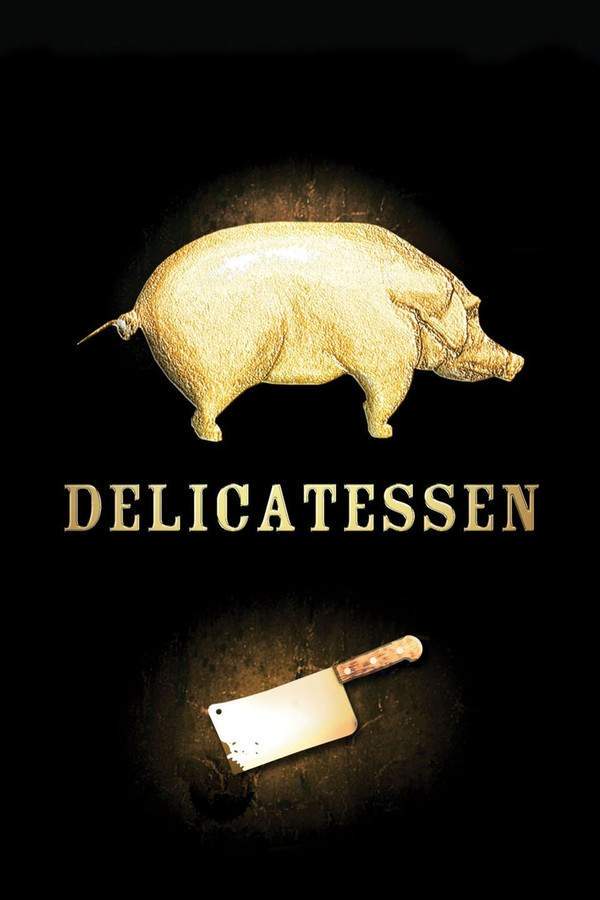

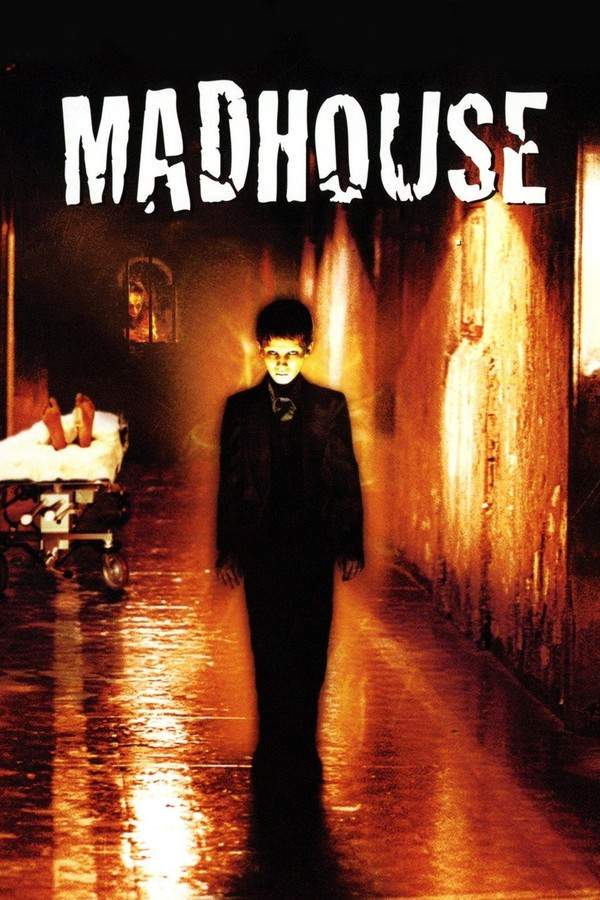
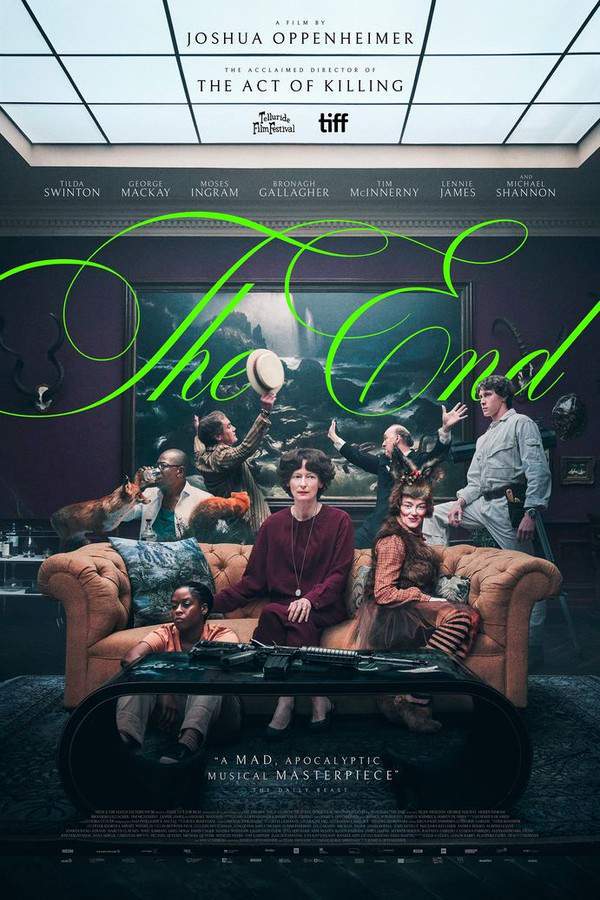

Featured on this page

What's After the Movie?
Not sure whether to stay after the credits? Find out!
Check out our other apps:

SAT Sphere
Build confidence for the Digital SAT.

Mori Atlas
Discover wild places worth protecting.

Luntero
Search smarter for a home in Amsterdam.

Plot Explained
Unravel movie endings and hidden clues.

Pokechamp
Dive into Pokémon data and battle logic.

Driving Theory
Get ready for your European theory test.

Movie Dust
Plan your next cinema trip with ease.

Musemap
Find art and culture as you travel.

Selkobase
Compare credentials before committing.

Local Manual
Turn an unfamiliar country into practical next steps.

Lernavi
Compare school systems before your next move.

GymRoam
Find a workout stop wherever your plans take you.
Explore Our Movie Platform
New Movie Releases (2026)
Famous Movie Actors
Top Film Production Studios
Movie Plot Summaries & Endings
Major Movie Awards & Winners
Best Concert Films & Music Documentaries
Movie Collections and Curated Lists
© 2026 What's After the Movie. All rights reserved.
Privacy Policy