

Where to Watch Phullwanti
See current US streaming, rental, and purchase options for Phullwanti (2024) via JustWatch.





Phullwanti Plot Summary
Read the complete plot summary and ending explained for Phullwanti (2024). From turning points to emotional moments, uncover what really happened and why it matters.
Phulwanti, a celebrated Lavani dancer renowned throughout India, receives an invitation to perform at a wedding. Initially hesitant, she ultimately agrees upon learning that the wedding will take place in Pune, not because of the performance itself but because she has long harbored a desire to visit Mastani Mahal. Her admiration for Mastani goes beyond her as a dancer; Mastani embodies qualities of courage, grace, and defiance that resonate deeply with Phulwanti, inspiring her to see this journey as both a personal pilgrimage and an opportunity to showcase her artistry.
During her stay in Pune, Phulwanti is also invited to perform during the auspicious festival of Vasant Panchami at the Peshwa Darbar, where she seeks the blessings of Goddess Saraswati before her dance. Her performance is a blend of devotion and art, touching the hearts of everyone present. Among the court members is Venkat Vishnu Shastri, a respected scholar known for his stern views and rigid beliefs. When he witnesses a Lavani dancer performing in a sacred space, he is visibly displeased and is prepared to leave, yet his attitude shifts when Phulwanti dedicates a beautiful tribute to the goddess. Her dance moves the audience, yet Shastri remains unmoved, making a condescending remark about the purity of Saraswati in the context of a dancer.
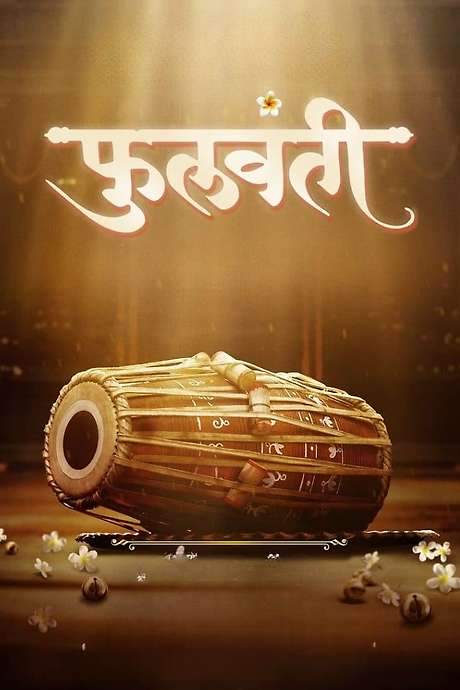
Stung but maintaining her dignity, Phulwanti responds with courage, challenging Shastri to a unique duel: he must learn to play the pakhwaj, an instrument he has little skill in, while she performs her dance. The stakes are high — the first to err three times will lose and become a slave to the other. The court is stunned by this unexpected challenge, yet Shastri accepts calmly. What follows is an unlikely contest: intellect versus art, pride versus humility.
In preparation for the challenge, Phulwanti undergoes rigorous training with some of the finest gurus from across the country, honing her already impressive dance skills. Shastry, meanwhile, faces a stern reprimand from his own guru for his disrespect and insult toward Phulwanti, warning him that he has not only dishonored a true artist but also disrespected the very essence of art itself. Despite this, Shastri diligently learns to master the pakhwaj, displaying humility and discipline as the confrontation approaches. As the day draws near, excitement and tension ripple through Pune.
Back at home, Shastri’s wife Laxmi quietly endures her worries and fears. She worries that if her husband loses, their family’s dignity could be tarnished, and if he wins, a talented woman like Phulwanti might become a servant in their home. Torn between loyalty and insecurity, she silently supports her husband with prayers and unwavering strength.
The day of the competition arrives, filling the court with anticipation. What unfolds is a spectacular display of skill and emotion — Phulwanti’s dance aligns perfectly with Shastri’s newfound mastery of the pakhwaj. Both push themselves to their limits, but ultimately, Phulwanti makes her third mistake. Shastri emerges victorious.
Yet, in a surprising turn, Phulwanti greets her loss with a gracious smile. She bows respectfully rather than showing despair. Later that night, she reveals that her loss was intentional and strategic, a demonstration of her confidence and dignity. Instead of taking her as a servant, Shastri takes her to the Peshwa Wada and liberates her, stating that his only aim was to free her from her unconscious ego. Moved to tears, Phulwanti confesses that she had fallen in love with him from the moment she saw him — not simply as a scholar, but as a man of “fierce integrity.”
Despite her feelings, she refuses to accept her freedom and choose love, emphasizing her principled stand. The next morning, she finds her house empty, with only a letter and her ghungroo (ankle bells). The letter clarifies that she is free to keep her art, pride, and home, and that Shastri, acknowledging her feelings, remains loyal to his wife.
Meanwhile, on the road leaving Pune, [Laxmi] gently asks her husband whether her place in his heart had ever been truly shaken. Shastri, caught off guard, begins to speak but is stopped by his wife, who softly remarks, “Don’t answer, because I know you won’t lie… and I’m not ready to hear the truth.” The heavy silence that follows symbolizes the complex emotions of love, duty, loyalty, and sacrifice — choices made quietly in the name of honor.
The film concludes with [Phulwanti] performing her ghungroo dances passionately, expressing her heart’s truth in the house of Vishnu Shastri, embodying her indomitable spirit and love for her art. Her journey reflects the timeless themes of resilience, love, and respect for one’s craft, resonating deeply with the ideals of courage and integrity.
Phullwanti Timeline
Follow the complete movie timeline of Phullwanti (2024) with every major event in chronological order. Great for understanding complex plots and story progression.
Phulwanti Declines Wedding Invitation
Phulwanti, a renowned Lavani dancer, initially declines the invitation to perform at a wedding. Learning that the wedding is in Pune, she accepts the invitation driven by her desire to visit Mastani Mahal rather than perform. This decision marks her personal pilgrimage and a step towards her artistic and emotional aspirations.
Visit to Mastani Mahal
Phulwanti visits Mastani Mahal in Pune, inspired by Mastani's legacy of courage and grace. Her visit symbolizes her admiration for Mastani and her own quest for artistic and personal fulfillment. It also signifies her connection with the historical and cultural significance of Pune.
Invitation to Perform at Peshwa Darbar
Phulwanti is invited to perform at the auspicious occasion of Vasant Panchami at the Peshwa Darbar. She prepares to perform, blending devotion to Goddess Saraswati with her dance, showcasing her artistry in a sacred space. The event symbolizes her recognition as a great artist of her time.
Performance and Confrontation with Shastri
During her performance, Phulwanti’s tribute to Goddess Saraswati moves the audience, but scholar Venkat Vishnu Shastri, a critic, disapproves of a Lavani dancer in a sacred space. He prepares to leave, but her dance halts him, causing a subtle confrontation about art and tradition. His condescending remark leads to a challenge between them.
Challenge: Court Duel of Art and Intellect
Shastri accepts a challenge proposed by Phulwanti to play the pakhwaj while she dances. The contest is set as a battle of pride, discipline, and artistic skill, where the first to make three mistakes will lose. The court watches eagerly as both prepare for this unusual competition.
Training Under Gurus
Phulwanti trains rigorously with top gurus from across India to refine her dance, while Shastri learns to play the pakhwaj under his guru’s discipline. Their different journeys reflect their dedication and the importance of mastery in their respective arts, heightening anticipation for the contest.
The Duel Day Arrives
On the day of the competition, the court is filled with tension and excitement. Phulwanti and Shastri perform their parts, pushing their limits in a compelling display of art and rhythm. The duel culminates in Phulwanti making her third mistake, leading to Shastri’s victory.
Phulwanti’s Purposeful Loss
Despite losing, Phulwanti smiles gracefully and reveals she lost intentionally. Her composure and dignity highlight her understanding of the deeper meaning behind the challenge. Her act of respect signifies her strength and confidence in her artistry and spirit.
Shastri Frees Phulwanti
Shastri, moved by her dignity, frees Phulwanti instead of claiming the reward. He acknowledges her talent and declares that he only wanted to free her from ego, recognizing her as a true artist and a woman of integrity. This act of kindness marks a turning point in their relationship.
Phulwanti Declares Love
Phulwanti, moved to tears, confesses her love for Shastri, whom she admires not just as a scholar but as a man of fierce integrity. Her declaration highlights her emotional transformation and the deep connection she has developed during her time in Pune.
Phulwanti’s Return and Her Gift
The next morning, Phulwanti finds her house empty but receives a letter and her ghungroos, affirming her freedom to keep her art and pride. Shastri’s note acknowledges her feelings, but he affirms his loyalty to his wife, emphasizing her independence and dignity.
Laxmi’s Quiet Reflection
On the road leaving Pune, Laxmi quietly questions her husband about his feelings, sensing unresolved emotions. Shastri, caught off guard, begins to speak but is silenced by her, highlighting the complex dynamics of loyalty, love, and sacrifice within their relationship.
Final Scene: Phulwanti’s Dance
The film concludes with Phulwanti performing her ghungroos dance at Vishnu Shastri’s house. Her dance signifies her resilience, independence, and her unwavering commitment to her art and identity, ending the story on a note of empowerment and artistic fulfillment.
Phullwanti Characters
Explore all characters from Phullwanti (2024). Get detailed profiles with their roles, arcs, and key relationships explained.
Phulwanti
A renowned Lavani dancer celebrated for her grace and resilience, Phulwanti embodies courage and artistic excellence. She seeks to visit Mastani Mahal as a symbol of her admiration, turning her journey into a personal pilgrimage that challenges societal norms. Her character exemplifies pride in her art and an internal strength rooted in tradition and passion.
Venkat Vishnu Shastri
A respected scholar known for his strict views and prejudiced attitude towards art and devotion, Shastri’s character displays humility and a desire for self-improvement. His willingness to learn pakhwaj and participate in the contest reveals a complex personality driven by pride and integrity. He symbolizes intellectual rigor and moral strength.
Laxmi
Shastri’s wife, who quietly supports her husband and fears the societal repercussions of the contest. Her silent strength and loyalty reveal her concern for dignity and love within a rigid societal framework. She embodies loyalty, insecurity, and emotional resilience.
Phullwanti Settings
Learn where and when Phullwanti (2024) takes place. Explore the film’s settings, era, and how they shape the narrative.
Time period
18th or early 19th century
The movie depicts a period likely around the late 18th to early 19th century, based on the references to the Peshwa era and traditional Indian court settings. This was a time of social stratification, cultural expression, and evolving traditions, which influence the characters' interactions and the societal norms portrayed.
Location
Pune, Mastani Mahal, Peshwa Wada
The film is set primarily in Pune, a city known for its rich history and cultural vibrancy. Key locations include Mastani Mahal, symbolizing courage and artistic expression, and the Peshwa Wada, a historic site representing political power and tradition. Pune’s historical and spiritual landmarks provide a backdrop that intertwines history, devotion, and artistic pursuit.
Phullwanti Themes
Discover the main themes in Phullwanti (2024). Analyze the deeper meanings, emotional layers, and social commentary behind the film.
🎭
Art & Pride
The film explores the power of art as a form of expression and a challenge to societal prejudices. Phulwanti’s dance symbolizes cultural strength and personal pride, while the court competition highlights the clash between intellect and emotion. The story underscores how artistic mastery can serve as a form of resistance and identity.
❤️
Love & Sacrifice
A central theme is love that transcends social and personal boundaries. Phulwanti’s admiration for Shastri, her acceptance of loss, and her declaration of love emphasize the importance of emotional authenticity. The film also examines sacrifices made by characters in the name of loyalty, dignity, and inner truth.
🎯
Honour & Integrity
The story underscores the significance of maintaining honour and integrity in a rigid society. Shastri’s humility and honesty, along with Laxmi’s silent strength, reflect the moral struggles characters face. The ending emphasizes that true honour lies in love, loyalty, and inner virtue rather than societal status.

Coming soon on iOS and Android
The Plot Explained Mobile App
From blockbusters to hidden gems — dive into movie stories anytime, anywhere. Save your favorites, discover plots faster, and never miss a twist again.
Sign up to be the first to know when we launch. Your email stays private — always.
Explore the mobile appPhullwanti Spoiler-Free Summary
Discover the spoiler-free summary of Phullwanti (2024). Get a concise overview without any spoilers.
In the vibrant courts of 19th‑century Pune, where music swirls through marble halls and devotion is woven into every celebration, tradition holds a tight grip on notions of purity. Rituals at festivals like Vasant Panchami bring scholars, aristocrats, and artists together, each performing their prescribed role beneath the watchful eyes of the divine. The city pulses with a restless energy, a place where reverence for the past meets the quiet yearning for change.
Phulwanti is a celebrated Lavani dancer whose reputation echoes far beyond the borders of Maharashtra. Renowned for her skill, grace, and the resonant clang of her ghungroo, she carries the weight of a profession that is both admired and scorned. Branded as impure simply for moving to rhythm, she feels the sting of societal judgment and resolves to prove that dignity cannot be stripped by narrow conventions. Beneath her public poise lies a personal pilgrimage: a longing to visit the legendary Mastani Mahal, drawn by the memory of a historic figure whose courage and defiance mirror her own aspirations.
When an invitation arrives to perform at a prestigious wedding in Pune, the opportunity becomes more than a stage—it opens the doorway to the very court that doubts her worth. There, Venkat Vishnu Shastri, a respected scholar known for his rigid beliefs, observes the dance with a mixture of disdain and curiosity. His scholarly presence adds an intellectual counterpoint to the artistic atmosphere, creating a subtle tension that hints at deeper questions about art, faith, and the limits of tradition.
Amid the fragrant incense and the echo of drums, Phulwanti finds herself at the crossroads of reverence and rebellion. The film invites viewers into a world where a dancer’s talent becomes a quiet act of resistance, and where the clash of ideas—between a learned authority and a vibrant artist—promises to reshape perceptions of purity, respect, and self‑affirmation.
Featured on this page

What's After the Movie?
Not sure whether to stay after the credits? Find out!
Check out our other apps:

SAT Sphere
Build confidence for the Digital SAT.

Mori Atlas
Discover wild places worth protecting.

Luntero
Search smarter for a home in Amsterdam.

Plot Explained
Unravel movie endings and hidden clues.

Pokechamp
Dive into Pokémon data and battle logic.

Driving Theory
Get ready for your European theory test.

Movie Dust
Plan your next cinema trip with ease.

Musemap
Find art and culture as you travel.

Selkobase
Compare credentials before committing.

Local Manual
Turn an unfamiliar country into practical next steps.

Lernavi
Compare school systems before your next move.

GymRoam
Find a workout stop wherever your plans take you.
Explore Our Movie Platform
New Movie Releases (2026)
Famous Movie Actors
Top Film Production Studios
Movie Plot Summaries & Endings
Major Movie Awards & Winners
Best Concert Films & Music Documentaries
Movie Collections and Curated Lists
© 2026 What's After the Movie. All rights reserved.
Privacy Policy