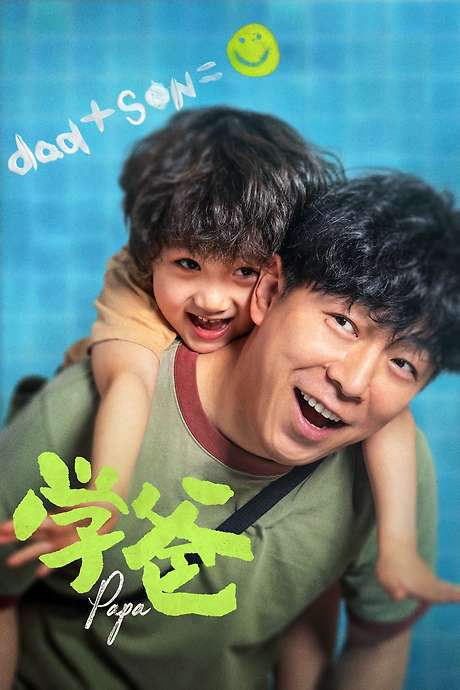
Papa 2023

Directed by

Su Liang
Made by

Papa Plot Summary
Read the complete plot summary and ending explained for Papa (2023). From turning points to emotional moments, uncover what really happened and why it matters.
Nin, Huang Bo returns to his busy cha chaan teng on a morning that should feel ordinary, but the atmosphere around him is thick with wary glances and quiet questions from colleagues and neighbors. The day abruptly shifts into a brutal revelation: his son Ming killed Nin’s wife Yin and daughter Grace, and turned himself in to the police the night before. In the days that follow, Nin sells the restaurant to one of his long-time waiters, choosing distance from the place that has become a chamber of painful memories. He then attends Ming’s trial, where Ming’s confession unfolds with a chilling clarity: the killings were driven by a voice telling him he had a mission to eradicate a portion of the population in order to save the world.
Sometime later, Nin spends an evening with his mother and his sister’s family, and a carefully kept lie about his wife and children finally comes to light as his mother reveals she has known the truth all along. The story then plunges into a deeper past: Nin remembers meeting Yin back in 1993, when their families opposed the union, yet Nin resolves to marry Yin, and the couple welcomes their first son. This recollection sheds light on the stubborn devotion that runs through the family’s history, even as it foreshadows the fractures to come.
Nin visits Ming in prison and asks about a pardon to increase the number of visits, a request Ming resists with a string of excuses. Left alone at home with their house cat Carnation, Nin’s loneliness edges toward desperation when he hires a door-to-door prostitute, only for deceit to break apart the fragile emotional balance and trigger an emotional breakdown. A subsequent family therapy session, guided by a psychiatrist, brings Nin and Ming into a tense, candid conversation. Nin demands an explanation for the murders, and Ming finally bares his true thoughts, admitting that he feels Nin never truly listened to what their family wished to say.
Before the tragedy, Yin once urged Nin to slow down and stop running the restaurant around the clock, but Nin’s response is to keep pushing forward. Grace, meanwhile, brings home a stray cat she names Carnation, and despite Ming’s misgivings about limiting the animal’s freedom, she insists on keeping it. The pet’s presence becomes a quiet point of contention within a family already stretched thin. Carnation disappears once, only to be found again after Ming, anxious, rescues it from a perilous edge in the corridor.
During the long summer, Ming works at Nin’s restaurant and clashes with his father over a packing method, which ends in a mess and a visible rift between them. Ming asks Nin for a new phone with photography functions, but Nin refuses, arguing that multifunctional phones are prone to failure. Instead, Nin purchases a camera, which Ming protests he doesn’t want. Using his summer job salary, Ming buys the phone himself, and on a family trip to Hainan, their mother discovers the phone and returns the money she had spent, choosing not to challenge Nin outright but quietly stepping back while Nin sleeps, leaving Ming puzzled about why a discussion never happens.
By 2013, Ming has spent four years in a psychiatric hospital, and a request for early release is denied even as Nin, now retired, expresses his willingness to care for Ming full-time. Ming writes a letter to Nin, apologizing and asking his father to visit him on his eighteenth birthday. Nin does visit, but the reunion is muted, with the murders left unspoken between them. Years pass, and Ming is released as an adult, returning to the old home and sharing a quiet lunch with his father. The film closes as Ming looks at a family photo, leaving the audience with a lingering sense of what was said and unsaid within a family marked by tragedy, memory, and the fragile possibility of reconciliation.
Papa Timeline
Follow the complete movie timeline of Papa (2023) with every major event in chronological order. Great for understanding complex plots and story progression.
Morning revelation at the cha chaan teng
Morning at the cha chaan teng, Nin returns to work and is met by odd gazes from colleagues and neighbors. The tense atmosphere hints that something is deeply unresolved within the family. It becomes clear that Ming has murdered Nin's wife Yin and daughter Grace and surrendered to the police the night before.
Nin sells the cha chaan teng
Sometime later, Nin sells the cha chaan teng to one of his waiters, signaling his withdrawal from the place that now brings pain. He no longer wants to see the restaurant, which stands as a painful reminder of his loss. This marks a turn in his life as he tries to move forward.
Ming's trial and confession
Nin attends Ming's trial and watches as Ming confesses to the killings. Ming explains his motive, saying he heard a voice telling him he had a mission to eliminate part of the population to save the world. The revelation adds a chilling layer to the tragedy and leaves Nin to confront his son's judgment and guilt.
Dinner with mother reveals secrets
One night Nin shares a meal with his mother and his sister's family. He lies, saying that his wife and children are busy, but his mother reveals she has known what happened all along. The confrontation deepens the sense of secret knowledge within the family.
Flashback to 1993 Yin and Nin
Nin recalls meeting Yin in 1993, when their engagement was opposed by both families. Despite the objections, Nin insists on marrying Yin, and the couple soon welcomes their first son. The memory shows the early tension around their union and foreshadows later consequences.
Nin visits Ming in prison and asks for pardon
Nin visits Ming in prison and asks him to apply for a pardon to increase his number of visits. Ming refuses, offering various excuses. The exchange reveals the strain of the father-son relationship even behind bars.
Loneliness and Carnation the cat
Lonely at home with their house cat Carnation, Nin attempts to hire a door-to-door prostitute. The woman deceives him and leaves with his payment, triggering an emotional breakdown. The incident underscores Nin's isolation in the wake of family tragedy.
Family therapy session
During a family therapy session, Nin and Ming speak under a psychiatrist's guidance. Nin demands an explanation for why their loved ones were killed, while Ming finally reveals that he believes Nin never listened to what his family wanted to say. The session exposes the unresolved communication at the heart of the family’s downfall.
Yin's demand to stop the restaurant
Before the murders, Yin had urged Nin to stop running their restaurant around the clock. Nin refused, prioritizing work over family life. The dispute illustrates the mounting strain before the fateful night.
Carnation crisis and Grace's cat
Grace brings home a stray cat named Carnation and insists on keeping it, despite Ming's objections. Grace's interest in the cat fades over time, leaving Nin and Ming to shoulder the responsibility. Carnation later goes missing, and Ming carefully rescues it from a perilous edge.
Summer clash over packing and the phone
During the summer Ming works at Nin's restaurant and clashes with his father over the packing method used by staff. He asks Nin to buy him a new phone with photography functions, but Nin refuses, preferring a traditional camera. Ming uses his summer salary to buy the phone himself, showing his independence and desire for control over his own tools.
Hainan trip and maternal interference
On a family trip to Hainan, Nin's mother discovers the phone Ming purchased and returns the money he spent. She waits until Nin is asleep to avoid arguing with him, showing a fragile balance within the family. She does not object to Ming's purchase but avoids discussing it with Nin.
Year 2013 in hospital
In 2013, Ming has been locked in the psychiatric hospital for four years and his request for early release is denied. Nin expresses his willingness to care for Ming full-time now that he is retired. The exchange highlights Nin's ongoing commitment despite the tragedy and his distance from the past.
Ming's letter and the birthday visit
Ming writes a letter to Nin apologizing for his actions and asks his father to visit him on his 18th birthday. Nin visits on that birthday but refuses to discuss the murders during their reunion. The private exchange underscores the lingering damage and the difficulty of reconciliation within the family.
Release and ending a family photo
Years later, Ming is released as an adult and returns to his old home. He shares a meal with his father, they have lunch together, and the film ends as Ming looks at their family photo. The closing image suggests a cautious, unresolved peace rather than closure.
Papa Characters
Explore all characters from Papa (2023). Get detailed profiles with their roles, arcs, and key relationships explained.
Lei Dali (Nin) - Huang Bo
Owner of the cha chaan teng and pillar of the family, Nin is steady, practical, and deeply haunted by the recent tragedy. He struggles to listen to his son and balance work with family life, frequently masking his grief behind routine. His attempts to keep the restaurant running become a refuge and a reminder of what has been lost.
Ming (Wang Xun)
Nin's son, a once-bright young man who commits a brutal murder after claiming a voice commanded him. He is drawn between loyalty to his family and a belief in a wider, dangerous mission. His arrest, imprisonment, and eventual therapy drive the film's exploration of guilt and accountability.
Yin
Nin's wife and Grace's mother, Yin's memory and influence loom over the family, even after her death. Her desire for balance and a life beyond 24/7 work clashes with Nin's stubborn routines. She represents the compassionate but fragile core of the family.
Grace
Nin and Yin's daughter, early life energy that contrasts with the family's heavy grief. Grace brings a stray cat into the home, symbolizing a thread of life that persists amid turmoil.
Carnation (Cat)
The family cat, a small but persistent presence that mirrors the household's emotional tides. Carnation's antics and disappearances punctuate the story, highlighting themes of care and fragility within the family.
Papa Settings
Learn where and when Papa (2023) takes place. Explore the film’s settings, era, and how they shape the narrative.
Time period
1993-2013
The story moves from 1993, when Nin and Yin's relationship faces family opposition, through the subsequent decades, to 2013 when Ming is imprisoned and the family confronts the consequences of violence. It repeatedly shifts between past and present to reveal how earlier decisions shape current trauma. The end hints at a new chapter, with Ming returning as an adult after release.
Location
Cha chaan teng, Nin's home, Prison, Hainan
The film largely takes place around a busy cha chaan teng in Hong Kong, anchoring the family drama in a familiar, everyday space. The restaurant functions as a social hub where memories are formed and revisited, intertwining work with family life. Other crucial scenes unfold at Nin's home, in a prison during Ming's trial, and on a family trip to Hainan, highlighting how place marks different emotional states.
Papa Themes
Discover the main themes in Papa (2023). Analyze the deeper meanings, emotional layers, and social commentary behind the film.
💔
Family Tragedy
The film centers on a family shattered by murder, forcing Nin to confront the past while maintaining rituals that kept the family together. Nonlinear storytelling reveals memories from different years, showing how ordinary routines mask deep wounds. The cha chaan teng and the home become stages where grief mutates into memory and guilt.
🧠
Memory & Guilt
Ming's confession and his claim that a voice commanded him to make the world safer blur the line between fate and responsibility. Nin's attempts to understand his son's actions reveal the limits of listening to family members and the difficulty of assigning blame. The film uses recollections across years to complicate straightforward moral judgments.
🤝
Forgiveness & Reconciliation
As Nin and Ming confront each other in therapy and visits, forgiveness remains elusive but possible. The ending suggests a cautious reunion, with Nin choosing to engage with his son despite the past. The film questions whether forgiveness can coexist with accountability and ongoing strain.

Coming soon on iOS and Android
The Plot Explained Mobile App
From blockbusters to hidden gems — dive into movie stories anytime, anywhere. Save your favorites, discover plots faster, and never miss a twist again.
Sign up to be the first to know when we launch. Your email stays private — always.
Explore the mobile appPapa Spoiler-Free Summary
Discover the spoiler-free summary of Papa (2023). Get a concise overview without any spoilers.
In the bustling heart of a city where the clatter of a cha‑chaan‑teng becomes the backdrop to everyday hopes, a family gathers around a modest restaurant that has become both livelihood and legacy. The parents, driven by a fierce desire to give their child an edge in an unforgiving education system, pour their energy into planning every step of his future, their conversations a mix of practicality and quiet yearning. The atmosphere is one of hopeful determination, tinged with the unspoken weight of cultural expectations that linger in every shared meal and whispered reminder.
Nin is the tireless proprietor of the eatery, a man whose hands know the rhythm of the kitchen as well as the pulse of the street outside. He balances the relentless demands of running a business with the pressure to be the anchor for his family, often pushing himself beyond fatigue to keep the doors open. His devotion is palpable, yet his relentless drive sometimes creates a distance that is felt more than spoken, setting the stage for subtle discord beneath the surface of daily routine.
Ming represents the next generation, caught between the aspirations his parents hold for him and his own emerging sense of self. As he navigates school, work at the restaurant, and moments of uneasy adolescence, he grapples with expectations that feel both motivating and suffocating. A stray cat, affectionately called Carnation, becomes a quiet symbol of the family’s fragile bonds—a living reminder of the tenderness that persists amid mounting pressure. Occasional visits to a therapist hint at deeper currents, suggesting that communication gaps run deeper than the occasional argument over a phone or a camera.
The film’s tone is measured and contemplative, painting everyday life with a palette of muted colors and lingering glances. It captures the quiet intensity of a family striving for success while wrestling with the unvoiced fears and hopes that linger in the spaces between words. This delicate portrait invites viewers to feel the pull of tradition, the ache of longing, and the fragile possibility of understanding that may—or may not—find its way through the walls of the modest restaurant.
Featured on this page

What's After the Movie?
Not sure whether to stay after the credits? Find out!
Check out our other apps:

SAT Sphere
Build confidence for the Digital SAT.

Mori Atlas
Discover wild places worth protecting.

Luntero
Search smarter for a home in Amsterdam.

Plot Explained
Unravel movie endings and hidden clues.

Pokechamp
Dive into Pokémon data and battle logic.

Driving Theory
Get ready for your European theory test.

Movie Dust
Plan your next cinema trip with ease.

Musemap
Find art and culture as you travel.

Selkobase
Compare credentials before committing.

Local Manual
Turn an unfamiliar country into practical next steps.

Lernavi
Compare school systems before your next move.

GymRoam
Find a workout stop wherever your plans take you.
Explore Our Movie Platform
New Movie Releases (2026)
Famous Movie Actors
Top Film Production Studios
Movie Plot Summaries & Endings
Major Movie Awards & Winners
Best Concert Films & Music Documentaries
Movie Collections and Curated Lists
© 2026 What's After the Movie. All rights reserved.
Privacy Policy