
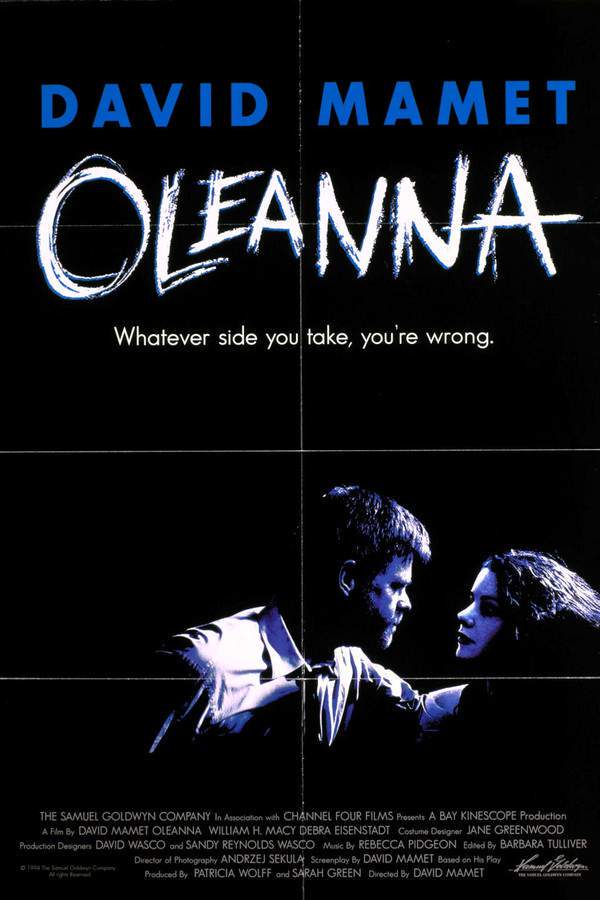
Oleanna 1994

Directed by

David Mamet
Made by

Samuel Goldwyn Company, The
Oleanna Plot Summary
Read the complete plot summary and ending explained for Oleanna (1994). From turning points to emotional moments, uncover what really happened and why it matters.
Carol, a college student, navigates a tense confrontation with her professor, John, over a failing grade and a career-influencing decision that heightens the stakes around power, consent, and accountability. Set against the backdrop of tenure considerations and a looming house purchase for John and his wife, the dynamic between student and professor becomes the arena where wants and boundaries are tested.
From the outset, Carol is frustrated by the course material, which includes a book authored by John himself. The discourse in the classroom grows sharp as Carol challenges the professor’s teaching approach and the implications of his ideas. In a moment intended to be comforting, John places a hand on her shoulder, and Carol instinctively recoils, signaling a breakthrough in her understanding of the relationship’s boundary. The encounter exposes a mismatch between John’s self-assurance and Carol’s perception of power dynamics in academia. Although John initially appears to miss the mark in recognizing the harm his actions might be causing, he attempts a riskier move, offering Carol an A grade if she agrees to return to his office to discuss the material further.
The following visit finds Carol transformed, not merely asking questions but presenting a methodical case. She has filed a formal complaint with the tenure committee, citing a pattern of sexist remarks toward students and documenting John’s offer of an incentive for a private meeting. The tension in the room shifts from a debate about pedagogy to an accusation of harassment, and Carol asserts that her charges are not about a single misstep but about a broader pattern of behavior. John’s response leans toward defensiveness: he questions how his actions could be interpreted as harassment and pushes for a private resolution in hopes of having the complaint withdrawn. Carol remains resolute, standing up to his attempts to appease and control the narrative. Before Carol can exit, John physically blocks the door and seizes her, and her scream punctures the uneasy calm of the office.
The story tracks the consequences of that escalation. John is suspended and faces potential dismissal and the end of his tenure bid. In a final, formal meeting, Carol intensifies her claims, naming John’s specific flaws and stating that her charges have escalated to an accusation of attempted rape — a charge she knows to be false, yet she stakes her position in a high-stakes game of reputations and legalities. She also invokes “her group,” a reference to an organization she speaks for as she files the complaints, signaling a broader campaign against the professor’s conduct and a larger cultural context within the university. She even suggests a bargaining tactic: she would drop her charges if John would agree to remove from the university’s books a list of titles proposed by her group, including John’s own book. John refuses, and he insists that Carol leave his office. He moves to answer a phone call from his wife, and the tension peaks when he addresses his wife with the familiar term “baby,” a word that prompts Carol to speak up and challenge him. This moment reveals the fracture in their power dynamic and triggers John’s ultimate breakdown.
What follows is a harrowing reckoning. John’s demeanor shifts from defensive to fully unhinged as he explodes with anger, his words punctuated by savage outrage. The scene emphasizes the dangerous potential of unchecked authority when provoked and the disorienting consequences that can follow a confrontation of this magnitude. After the incident, John gathers himself, mutters a stunned admission, and looks back at the wreckage of what happened. In response, Carol delivers a quiet, piercing retort that underscores the moral gravity of the encounter: “Yes, that’s right.” The film uses this exchange to crystallize the divergence between appearance and reality in a power-imbalanced relationship.
Throughout, the narrative threads together themes of power, consent, and accountability in an institutional setting. The tension isn’t solely about one officer’s behavior but about the structures that enable or fail to restrain abuse. Carol’s actions — the formal complaint, the documentation of remarks, the insistence on group standards, and the steadfast refusal to let the matter be settled privately — paint a portrait of a student who refuses to normalize coercive behavior masked as mentorship. The story examines how fear, professional ambition, and cultural pressures intersect to produce both harm and a complicated pursuit of justice within an academic environment.
Even as the plot follows a tightly wound sequence of events — from the initial breach of boundaries to the final, explosive confrontation — it remains focused on the human costs behind the headlines. The characters grappling with guilt, denial, and responsibility illuminate the messy reality of power in higher education. The film presents a stark, unflinching look at how easily trust can erode when one person holds influence over another, and how far a person must go to demand accountability when that trust has been compromised.
“A” grade
Oh, my God.
baby
In the end, the narrative does not shy away from the uncomfortable truths it exposes. It challenges viewers to weigh the complexities of truth, retaliation, and consequence, offering a sober meditation on what it means to stand up to misconduct within a system designed to protect those in authority. The result is a provocative, unsettling character study of competing loyalties and moral choices that linger long after the final scene.
Oleanna Timeline
Follow the complete movie timeline of Oleanna (1994) with every major event in chronological order. Great for understanding complex plots and story progression.
Carol visits John to discuss a failed grade
Carol goes to Professor John's office to challenge the grade she received. John is juggling tenure and personal concerns like a potential house purchase, which colors the conversation in a tense way. During their heated exchange, John puts his hand on her shoulder to comfort her, but Carol recoils, and he suggests he could give her an A if she returns to discuss the material.
Carol plans escalation after the first talk
After the first meeting, Carol leaves with unresolved concerns and decides to plan an escalation. She prepares to document the issues and move toward a formal complaint. The tension from the encounter lingers as she prepares for a more assertive confrontation.
Carol's second visit and formal complaint
During her second visit, Carol reveals that she has filed a formal complaint accusing John of sexual harassment. She presents documented remarks she says show a pattern of sexist comments and also cites the earlier offer of an A grade in exchange for a meeting. The exchange grows physically threatening when John blocks the door and grabs her, causing her to scream for help.
John is suspended and tenure review begins
Following the confrontation, the university suspends John and pauses tenure proceedings as investigators review the allegations. The potential dismissal hangs over him while his actions are examined and a broader discipline process begins. The incident becomes a catalyst for administrative action on campus.
Final meeting introduces attempted rape charges
During a final meeting, Carol asserts that the charges have expanded to include attempted rape, an accusation she knows is false. She mentions her group and presents a list of books she wants removed from the university, including John's own work. The dialogue remains tense as she presses her demands and clarifies the stakes of the dispute.
John refuses and answers a phone call
John refuses to withdraw the charges and tries to end the meeting. He answers a phone call from his wife during the confrontation, signaling personal pressure and further ill will in the room. The exchange shows how personal and professional lines are blurred in the dispute.
Carol objects to an intimate remark
Carol explicitly tells John not to call his wife baby, revealing the personal stakes in their dispute. John becomes visibly agitated as the conflict continues to intensify. The confrontation moves closer to an explosion of violence rather than a solution.
John violently attacks Carol
In a shocking turn, John savagely beats Carol and hurls obscenities during the outburst. He calms only after realizing what he has done, muttering Oh, my God. The assault marks a brutal turning point in the events described.
Immediate aftermath and cries for help
Carol screams for help as the room’s tension erupts into chaos and witnesses respond. The campus community becomes aware of the violent incident, triggering initial reactions from bystanders and security. The event quickly escalates from a dispute into a matter of safety and accountability.
Administrative action and ongoing proceedings
The university initiates disciplinary proceedings in the wake of the assault, and John faces serious consequences regarding his employment and tenure status. The case centers on harassment and violence, and the outcome remains to be determined as investigations continue. The campus community watches the process unfold.
Group dynamics and the removal list
Carol references her group as part of the broader action, tying the complaint to an agenda that includes removing specific books from the university library, including John’s own work. This framing shows how organized advocacy can intersect with personal grievances in the conflict. The matter widens beyond a single incident to institutional policy considerations.
Story ends with the assault and institutional response
The summary ends on the violent act and the ensuing institutional response, leaving the immediate outcome unresolved. The confrontation implicates power, harassment, and accountability within the campus community. The final moment centers on the consequences that ripple through both characters and the university.
Oleanna Characters
Explore all characters from Oleanna (1994). Get detailed profiles with their roles, arcs, and key relationships explained.
John — William H. Macy
A college professor whose ambition for tenure and prestige shapes his responses to Carol's criticisms. He begins as seemingly helpful but reveals a controlling attitude as the conflict unfolds, believing his intent justifies his actions. The escalation culminates in a brutal violent act in his office.
Carol — Debra Eisenstadt
A determined college student who challenges authority and pushes back against power imbalances. She documents sexist remarks and the offer of an A grade in exchange for meeting with John, growing more assertive as the confrontation unfolds. Her actions exploit formal processes to pursue accountability.
Oleanna Settings
Learn where and when Oleanna (1994) takes place. Explore the film’s settings, era, and how they shape the narrative.
Time period
1990s
The action unfolds in a contemporary university environment, reflecting the era's ongoing debates about tenure and campus governance. It situates formal complaint processes and office discussions as central to the narrative, with the stakes anchored in academic authority. The setting implies a modern, real-world pace where conflicts escalate in real time.
Location
University campus, Professor's office
The story unfolds largely within a university setting, centered on classrooms and a private office where crucial conversations occur. The campus atmosphere underscores institutional power and academic stakes, framing conflicts about tenure and boundaries. These spaces become the stage for a confrontation that moves from private concerns to public consequences.
Oleanna Themes
Discover the main themes in Oleanna (1994). Analyze the deeper meanings, emotional layers, and social commentary behind the film.
⚖️
Power
Power dynamics anchor every exchange between Carol and John, with John's tenure and authority shaping how he communicates and negotiates outcomes. He uses his position to influence the situation, even offering an A grade in exchange for a private meeting. Carol pushes back, leveraging formal avenues to challenge authority and call for accountability. The conflict reveals how institutional power can distort judgment and escalate toward coercive behavior.
🚨
Harassment
Harassment is presented as a contested concept, with Carol accusing John of sexual harassment and documenting sexist remarks. John questions the boundary and argues for private resolution, insisting intent should shape interpretation. The formal complaint process becomes a battleground for assessing impact, power, and accountability. The tension shows how accusations can be weaponized within the dynamics of the university.
🔍
Truth
Truth becomes a battlefield as each side crafts a narrative to support their position. John maintains innocence and urges privacy; Carol demands public accountability and a rigorous examination of evidence. The film illustrates how memory, interpretation, and rhetoric shape what counts as fact. The culminating moment with a falsified charge underscores the fragility of truth in heated disputes.
🤝
Consent
Consent is depicted in fraught terms, with boundaries tested by clear power imbalances. Carol recoils when John attempts a comforting gesture, and later asserts that formal processes can pressure outcomes. John blocks the door and grabs her, an act that exposes the dangerous misuse of authority. The violence at the end marks a devastating breakdown of consent and the severe personal and professional consequences that follow.

Oleanna Spoiler-Free Summary
Discover the spoiler-free summary of Oleanna (1994). Get a concise overview without any spoilers.
In the stark corridors of a university, a semester‑long class becomes the crucible for a larger, unsettling conversation about power and responsibility. Carol, a determined student, finds herself wrestling with dense material that echoes the voice of her professor, a scholar whose own book anchors the syllabus. When she reaches out for guidance, she is met not with mentorship but with an attitude that feels both dismissive and condescending, setting the stage for a clash that feels as much intellectual as it is personal.
John, the professor, stands at a crossroads of professional ambition and private life: a tenure review looms, as does a looming house purchase that promises a new chapter with his wife. His confidence in his own ideas and his position within the academic hierarchy creates a palpable tension, especially when gestures meant to be reassuring are interpreted through a very different lens. The film lingers on the subtle choreography of their exchanges, letting the silence between words speak louder than any lecture.
The campus itself feels like a character, its polished walls and echoing lecture halls framing a drama that questions how far influence can stretch before it becomes coercion. The tone is deliberately claustrophobic, with tight, dialogue‑driven scenes that keep the audience hovering between empathy and discomfort. As the two protagonists navigate meetings that blur the line between scholarly discussion and personal boundary, the narrative probes the uneasy balance between authority and autonomy, hint‑by‑hint hinting at the stakes that hover just beyond the surface.
Against this backdrop, the story invites viewers to contemplate the fragile architecture of respect within institutions that prize both knowledge and reputation. It is a character study that thrives on tension, nuance, and the ever‑present question: when the roles of teacher and learner become entangled, what is left of the space for honest dialogue?
Movies with Similar Twists and Themes
Uncover films that echo the narrative beats, emotional arcs, or dramatic twists of the one you're exploring. These recommendations are handpicked based on story depth, thematic resonance, and spoiler-worthy moments — perfect for fans who crave more of the same intrigue.

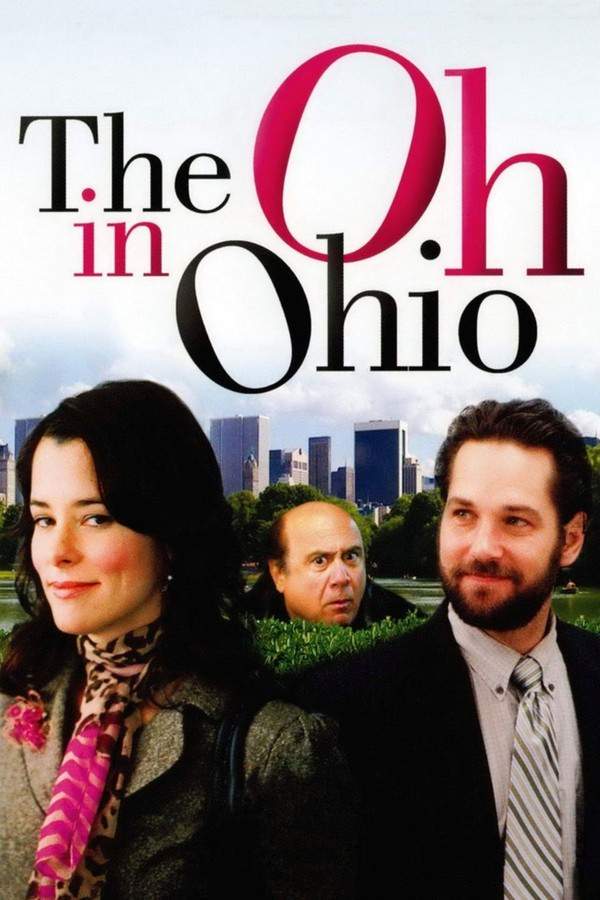

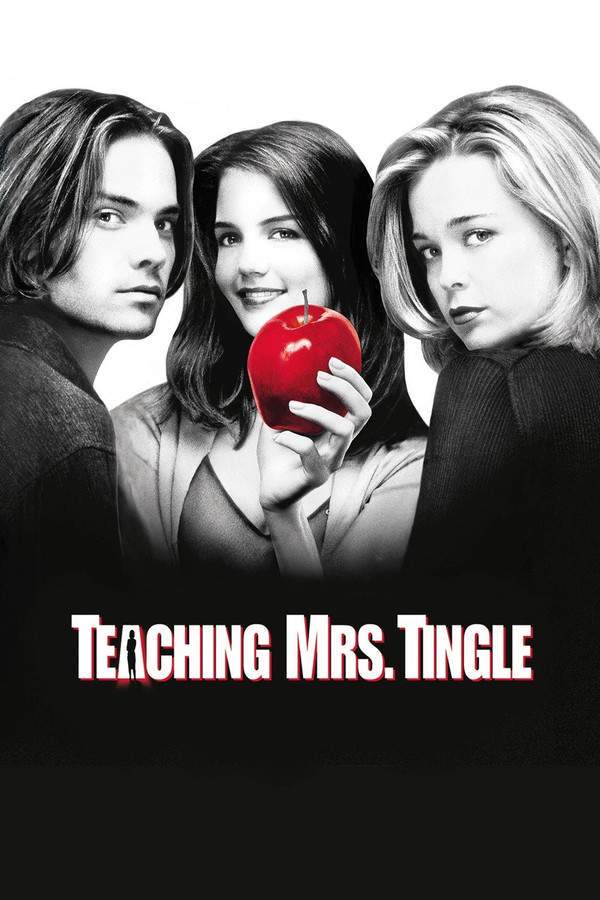

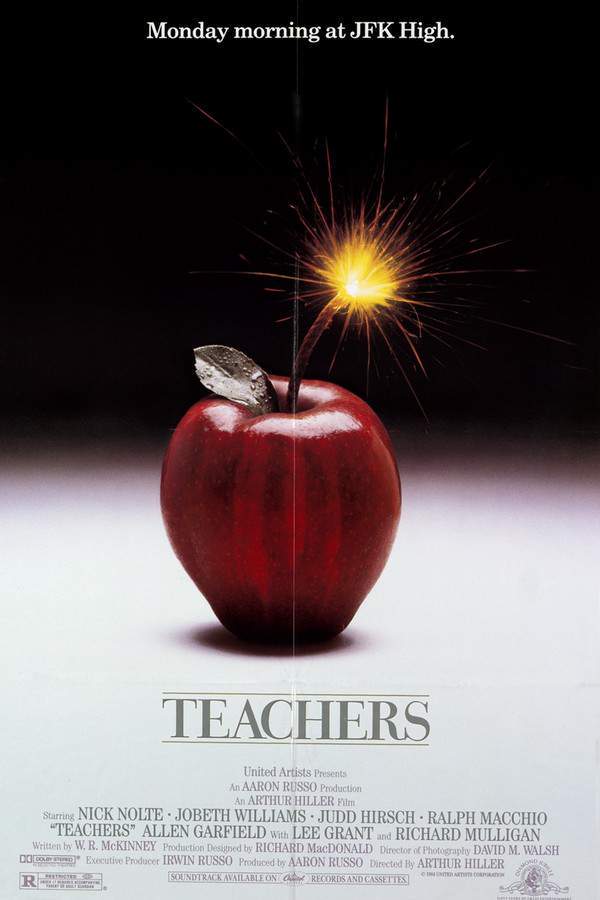

Featured on this page

What's After the Movie?
Not sure whether to stay after the credits? Find out!




Explore Our Movie Platform
New Movie Releases (2026)
Famous Movie Actors
Top Film Production Studios
Movie Plot Summaries & Endings
Major Movie Awards & Winners
Best Concert Films & Music Documentaries
Movie Collections and Curated Lists
© 2026 What's After the Movie. All rights reserved.