What Is Ode to Billy Joe About?
The premise of Ode to Billy Joe in 306 words, with nothing given away. The full story follows below.
In the sweltering heat of 1950s Mississippi, a small town hums with the low‑key rhythm of daily life while the looming Tallahatchie River watches it all from a distance. The era’s modest homes, dusty backroads, and seasonal gatherings create a world where every smile can carry a secret and every glance may be read by the ever‑watchful community. A soft, nostalgic soundtrack underscores a lingering sense of yearning, and the visual palette—sun‑bleached fields, faded porches, and the ever‑present bridge—conveys both the freedom of youthful summer and the weight of tradition pressing down on it.
At the heart of this world is Bobbie Lee Hartley, a fifteen‑year‑old girl whose curiosity about love and independence is matched only by the expectations of her close‑knit family. Across town, Billy Joe McAllister drifts between the carefree spirit of adolescence and the invisible lines drawn by those who claim to know what’s best for him. Their paths intertwine amid school dances, late‑night conversations, and the secret places where two teenagers can momentarily escape the scrutiny of neighbors and elders.
The town itself acts as an unspoken character, its gossip mill turning whispers into a persistent backdrop that colors every private encounter. Family pressures, moral expectations, and the fear of scandal hover like heat‑distorted air, urging the young couple to navigate their feelings with a cautious tenderness. Even the local sawmill boss, Dewey Barksdale, occupies a familiar spot in this social tapestry, embodying the adult world that both watches and shapes the youths’ choices.
Against this richly rendered setting, the film lingers on the delicate dance of first love, the yearning for an identity beyond prescribed roles, and the quiet determination of a girl on the cusp of adulthood. The looming bridge, ever present in the landscape, hints at the crossroads awaiting the characters without revealing the direction they will ultimately choose.
What Happens in Ode to Billy Joe?
The complete story of Ode to Billy Joe, from the first scene to the last, in 631 words (about 3 minutes). Spoilers throughout. Names in the text link to 1 cast member page.
Spoilers ahead
Set in 1953, the film follows the fragile romance between [Bobbie Lee Hartley], [Glynnis O’Connor], and [Billy Joe McAllister], [Robby Benson], as they navigate the tight lines drawn by the Hartley family who insist she is too young to date. The town’s gossip mill becomes a constant hum, coloring every quiet moment with a sense of looming judgment, and the couple must decide how far they’re willing to go before the world around them shuts them out.
One night at a jamboree, Billy Joe, already rattled by pressure and liquor, slips toward a hidden corner behind the gathering and encounters something shocking. In his intoxicated state, he has sex with a man he encounters there, the sawmill boss [Dewey Barksdale], [James Best]. The weight of that act begins to shadow his days; he disappears for several days, then returns, bringing new tension to the expected path of his young life.
When Billy Joe and [Bobbie Lee Hartley] finally seek out a secluded place near the bridge spanning the Tallahatchie River, their longing collides with guilt and fear. The relationship awakens a tenderness in Bobbie Lee, and for a moment she lets herself hope. But Billy Joe cannot bring himself to consummate what he starts, torn by the knowledge of what happened and the social consequences that would follow. He confesses that he did know what he was doing and chose it anyway, a revelation that shatters the quiet certainty of their budding love.
Tearfully, he bids her a cryptic goodbye and then steps beyond the edge of the world he knows, choosing to end his life by jumping from the bridge. The town’s preacher, who had seen them together, and others spread a version of events that paints his death as the result of learning he had possibly impregnated her—an interpretation designed to protect the family’s reputation more than illuminate the truth. In the wake of the tragedy, the Hartley family’s world tightens around Bobbie Lee; her brother insists she must either quietly pursue an abortion or, if she keeps the baby, leave town.
As in the original song and the novel, the bridge becomes a powerful symbol: the ragdoll that Billy Joe tosses away—the ragdoll dropped from the same height, fluttering down as a quiet relic of youth slipping into adulthood. The film’s mood lingers on the cost of rumor and the loneliness of a girl who must decide whether to stay or leave, knowing that no one will ever fully believe what happened between her and Billy Joe.
With the weight of expectations pressing down, Bobbie Lee resolves to begin a new chapter elsewhere. Very early one morning, she packs a suitcase and heads toward town to catch a bus. On her way, she encounters Dewey Barksdale on the bridge, and he reveals that he intends to confess to her father to clear her name. She counsels him against exposing the truth, arguing that such revelation would crush Billy Joe’s family and bring ruin on Barksdale himself. She also admits that she does not fear the fates that await her and, in a quiet moment of resolve, she offers a stark, fearless line that encapsulates the film’s ache and its innocence:
Oh, I’ll be back before long; I’m only 15. What do I know of the world?
In the end, the plan shifts: Barksdale agrees to escort Bobbie Lee to the bus station, and the two walk together across the bridge, stepping into an uncertain future while the town continues to talk, but with a new chapter quietly beginning just out of sight. The film closes on that road ahead, a small silhouette against a vast, complicated world, where memory and truth struggle to coexist and where the courage to leave home becomes a fragile act of growing up.
Ode to Billy Joe Timeline: Every Key Event in Order
12 key events in the order they happen, from “Jamboree night and Billy Joe's drunken discovery” to “Final journey together across the bridge”. 12 events name a place, across 10 locations.
- 1
Jamboree night and Billy Joe's drunken discovery
During the jamboree, Billy Joe McAllister gets drunk and appears nauseated as he enters a makeshift brothel behind the gathering. He engages in sex with a man, later revealed to be his sawmill boss, Dewey Barksdale. The encounter triggers gossip and guilt that shadow his relationship with Bobbie Lee.
When:1953, night of the jamboree Where:Jamboree area, behind the gathering
- 2
Billy Joe vanishes after the night
After the encounter, Billy Joe disappears for several days, leaving Bobbie Lee worried and the town guessing about his whereabouts. Rumors start to circulate as his absence stretches on. When he returns, the couple's relationship remains tense but unresolved.
When:days after the jamboree Where:Tallahatchie County vicinity
- 3
Rekindled intimacy near the bridge
Upon his return, they meet at a secluded spot near the Tallahatchie River bridge where they become intimate. Bobbie Lee gives in to her feelings and encourages him to make love to her. The moment deepens their bond while foreshadowing tragedy.
When:after his return Where:Secluded spot near the Tallahatchie River bridge
- 4
Billy Joe confesses a held secret
Billy Joe confesses to Bobbie Lee that he has slept with a man and knew it was a sin. He explains that he did it deliberately, despite doubts about his control. The confession reveals the depth of his guilt and the internal conflict that will lead to tragedy.
When:the night following his return Where:Near the bridge
- 5
Billy Joe's suicide
Overcome by guilt, Billy Joe leaps from the bridge and dies in the river below. The act shatters his family and the town’s sense of morality. The tragedy becomes the pivot around which the town's rumors crystallize.
When:shortly after the confession Where:Bridge spanning the Tallahatchie River
- 6
Rumors spread about pregnancy
The local preacher, who witnessed Billy Joe with Bobbie Lee, and other townsfolk spread a false story that Billy Joe killed himself after learning he had impregnated her. The rumor magnifies the town’s sense of shame and propriety. The truth is buried by those eager to preserve appearances.
When:days after Billy Joe's death Where:Town gossip circle; Hart County community
- 7
Family pressure to abort or leave town
Bobbie Lee's brother demands she quietly abort the baby or leave town to spare the family further scandal. The pressure from family and community intensifies as the rumors spread. She bears the weight of the accusation while seeking some form of escape.
When:in the wake of the rumors Where:Hartley family home
- 8
Ragdoll symbol and loss of childhood
Consistent with the story's symbolism, an object—Bobbie Lee's ragdoll—is thrown from the bridge, symbolizing the loss of childhood and the dawn of adulthood for Bobbie Lee. The gesture anchors the tragedy in the town's memory. It underscores the emotional stakes for Bobbie Lee as she faces an uncertain future.
When:aftermath of Billy Joe's death Where:Bridge over the Tallahatchie River
- 9
Bobbie Lee decides to leave home
Knowing no one will believe she and Billy Joe did not have sex and that she was never pregnant, Bobbie Lee resolves to leave home. The decision marks a break with her past and a bid for personal agency amid stigma. Her choice signals the start of a new, uncertain chapter.
When:very early morning after the scandal Where:Hartley household
- 10
Bobbie Lee prepares to depart
Early morning, Bobbie Lee packs a suitcase and walks toward town to catch a bus. The scene focuses on her quiet determination to escape the town's constraints. Her departure foreshadows a future where she must redefine her life beyond the scandal.
When:early morning Where:From home to town; bus stop
- 11
Confrontation on the bridge: confession planned
On the bridge, Dewey Barksdale meets Bobbie Lee and reveals he plans to confess to her father to clear her name. She urges him not to, arguing that the truth would ruin Billy Joe's reputation further. He agrees to ride with her toward the bus station instead of making a confession.
When:early morning, just before departure Where:Bridge over the Tallahatchie River
- 12
Final journey together across the bridge
Together they walk across the bridge toward the bus station, choosing a path forward rather than clinging to the past. The scene ends with this ambiguous, hopeful moment as they cross into an uncertain future. The ending leaves their fate open to interpretation.
When:end of film Where:Bridge over the Tallahatchie River
Who Are the Main Characters in Ode to Billy Joe?
6 characters, among them Billy Joe McAllister (Robby Benson), Bobbie Lee Hartley (Glynnis O'Connor) and Dewey Barksdale (James Best): who each one is and the part they play in the story. Every profile links to the actor’s page.
-
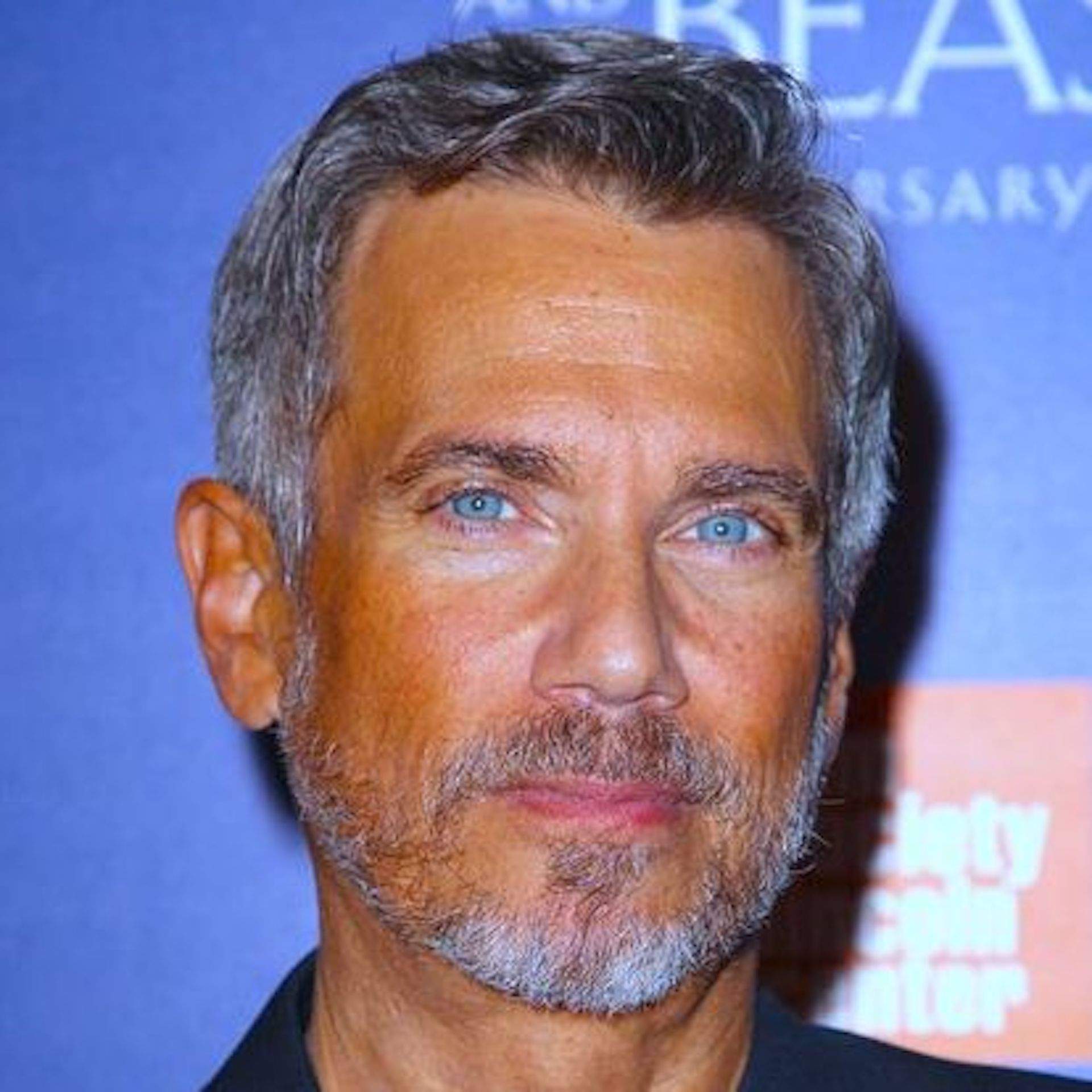
Billy Joe McAllister (Robby Benson)
Played by Robby Benson
A teenage boy whose impulsiveness and guilt drive him into a secret encounter with a man, which he understands as a sin. He hides his sexuality and the consequences of his actions, ultimately choosing to leave a lasting mark on the town by his final act. His internal conflict exposes the clash between desire, guilt, and societal expectations.
- 🎭 Teen
- 💔 Guilt
- 🗺️ Small Town
-
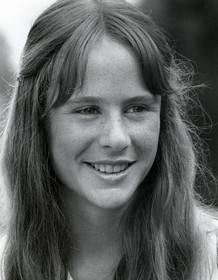
Bobbie Lee Hartley (Glynnis O'Connor)
Played by Glynnis O'Connor
The film's focal narrator and love interest who faces pressure to conform to family and social norms. She demonstrates resilience and a willingness to accept adulthood on her own terms, even as she grapples with the consequences of her choices. Her perspective anchors the story’s emotional arc.
- 🎭 Protagonist
- 💪 Resilience
- 🕊️ Coming of Age
- DB
Dewey Barksdale (James Best)
Played by James Best
A man in a position of power who becomes entangled with Billy Joe. His actions create the initial secrecy that triggers the subsequent tragedy. He is portrayed as a catalyst whose decision to keep quiet or confess tests his conscience.
- 🏚️ Authority
- ⚖️ Secrets
- 👤 Moral Conflict
- A'
Anna 'Mama' Hartley (Joan Hotchkis)
Played by Joan Hotchkis
A protective mother who embodies the town’s moral stance, urging caution and policing of appearances. Her actions reflect the family’s struggle to shield itself from scandal while wrestling with the social costs of truth.
- 👩 Family
- 🛡️ Protection
- 🗣️ Gossip
- JH
James Hartley (Terence Goodman)
Played by Terence Goodman
The father figure in the Hartley family, representing conservative values and scrutiny of behavior. His stance reinforces the town’s judgmental atmosphere and influences how the family responds to rumor and crisis.
- 👨 Family
- 🧭 Conservatism
- 🗨️ Judgment
- G'
Glenn 'Papa' Hartley (Sandy McPeak)
Played by Sandy McPeak
The family patriarch whose presence underscores the gravity of reputation and lineage. He embodies the weight of expectations placed on the younger generation and the fear of dishonor.
- 🧓 Elder
- 🛡️ Reputation
- 🪶 Legacy
Where and When Is Ode to Billy Joe Set?
Ode to Billy Joe is set in Mississippi and Tallahatchie River (1953). Here is why the time and place matter to the story.
When
1953
Set in the early 1950s rural Mississippi, a period characterized by strict social codes and conservative norms. Premarital relationships, gender roles, and rumors drive the town’s response to scandal. The atmosphere is punctuated by quiet, oppressive expectations and the tragedy that can unfold from a single, whispered truth.
Where
Mississippi, Tallahatchie River
The story unfolds in a rural Mississippi town centered around the Tallahatchie River bridge. It portrays a tight-knit community where the bridge and jamboree are focal points for youth gatherings, secrets, and moral judgment. The setting emphasizes the isolating gaze of small-town life and the weight of communal expectations.
- 🎭 Drama
- 💔 Romance
- 🏞️ Small Town
What Are the Themes of Ode to Billy Joe?
3 ideas the story keeps returning to, among them Forbidden Love, Gossip and Shame and Innocence and Loss.
-
01
Forbidden Love
Two young people pursue a charged romance amid a community that stigmatizes sexuality outside marriage. Their relationship faces social scrutiny, secrecy, and the looming pressure to conform. The romance drives the plot toward a devastating choice and a lasting scar on the town.
-
02
Gossip and Shame
Rumors swirl through the town after a private encounter is exposed, shaping reputations and outcomes more than truth. The community weaponizes judgment to police morality, often hurting the innocent while preserving appearances. The film shows how words enact consequences long after events occur.
-
03
Innocence and Loss
Innocence is depicted as a fragile state, represented by childhood imagery like the ragdoll tossed from the bridge. The narrative tracks a young girl's coming-of-age under stress, and the tragedy that erodes youthful certainty. The story ends with a difficult acceptance of grown-up realities.
What Kind of Film Is Ode to Billy Joe?
Melancholic in tone, with slow pacing and a moderate story, going by the plot summary.
- Tone
- Melancholic
- Pacing
- Slow
- Story
- Moderate
- Intensity
- Medium
- Ending
- Bittersweet
A slow, melancholic southern drama steeped in the oppressive heat of the 1950s, where a tender first love is shadowed by tragedy, gossip, and the lonely burden of secrets.
- melancholic
- lonely
- nostalgic
- oppressive
- tender
- somber
- coming of age
- first love
- lgbtq identity
- small town gossip
Content notes: suicide, sexual content.
Quiz
How well do you remember Ode to Billy Joe? Test yourself on the story.