What Is Never Too Late About?
The premise of Never Too Late in 276 words, with nothing given away. The full story follows below.
In the quiet corridors of Hogan Hills Retirement Home, a group of Vietnam‑era veterans still carries the echo of a brotherhood forged under fire. Once celebrated as the “Chain Breakers,” these men now navigate a world where routine check‑ins and the slow tick of institutional clocks replace the chaos of combat. The home itself feels both sanctuary and cage, its gentle pastel walls holding back memories that are too vivid to fade.
The story centers on four former soldiers, each haunted by a different unfinished chapter. Caine dreams of the open sea, longing for a chance to feel wind against his face again. Bronson, the unspoken leader of their past unit, bears the weight of decisions that still sting, while quietly tending to a love that time has begun to erase. Angus bears the pride of a forgotten sports triumph, a medal that never truly reached his hands. Wendell wheels through the days with a restless spirit, his past life of rebellion and a strained relationship with his son lingering like a phantom limb. Their shared past is a tapestry of loyalty, loss, and the stubborn desire to reclaim pieces of themselves that age has tried to smooth away.
When a new, younger orderly arrives—Elliot, the son of the home’s matron—an unexpected spark of possibility flickers among the veterans. Their quiet rebellion begins to take shape, hinting at a daring venture that could let them chase long‑held aspirations before the final sunset. The tone balances wistful melancholy with a gritty, lingering humor, inviting the audience to wonder whether the fire that once burned on distant battlefields can still blaze within the walls of a retirement home.
What Happens in Never Too Late?
The complete story of Never Too Late, from the first scene to the last, in 574 words (about 2 minutes). Spoilers throughout. Names in the text link to 8 cast member pages.
Spoilers ahead
Four former prisoners of war, the Chainbreakers, who broke out of a Vietnamese prison, are now residents of Hogan Hills, a retirement home for returned veterans. Each man carries unfinished business outside, but under the Mental Health Act they’re not allowed to leave. Bronson led the group and has since feigned Alzheimer’s symptoms to stay near Norma McCarthy, a former Army nurse he fell in love with. Norma is now a widow, and their complicated bond sits at the heart of the tension inside the home. The others still see the burden of leadership in Bronson’s past, blaming his choices for their long years behind bars and the moment they first slipped away.
Caine would love nothing more than to sail on his own yacht, but he is restrained for his safety, a living reminder of the limits that keep them confined. Wendell is a wheelchair-bound former bikie and bank robber, a man who still wears gloves, a flannel shirt, and a badge-studded vest, locked between a past full of crime and a present that won’t release him. Angus Wilson is an ex-VFL footballer for Collingwood, celebrated as the “mighty Magpies” and a 1973 Brownlow Medal winner who was disqualified for punching an opponent, never officially receiving the honor. Together these four men sketch a brittle balance of camaraderie and old grievances while eyes stay watchful inside Hogan Hills.
They enlist help from Elliot, a young orderly who is the son of Lin, the Vietnam-born matron in charge of the home. Unknown to the four escapees, Lin is the daughter of a prison guard who refused to shoot them and paid the price for that decision with his life. This hidden lineage threads through the plot, adding a quiet tension as the inmates plot their next move while the staff navigate loyalty and fear within the walls.
After several foiled attempts, the plan comes to a head when they escape in a hearse and pick up Bruce Wendell. Meanwhile, [Wendell] and his son watch a game at Adelaide Oval (the showdown between Adelaide Crows and Port Power); in a bold move, Angus steals the Brownlow medal from its display case, a symbol of past glory that now ferries their escape. They slip away in the Glenelg tram and manage to persuade the police that they are innocent tourists, a ruse that buys them precious hours.
Bronson finally reaches the jetty and reunites with Norma; she accepts his proposal, offering a fragile hope that the life he longs for might still exist beyond the retirement home’s gates. They push on to the marina where Caine’s yacht rests, and he sails off toward the horizon, choosing a future that seems to outpace the years he spent behind bars. In the closing moments, Bronson tells Lin about her father and offers his thanks, a quiet acknowledgment of shared histories and the bonds that endured through fear and time. Norma returns to Hogan Hills, but the memory of Bronson eludes her, leaving a poignant sense of longing. Angus remains wearing his medal, a stubborn link to a glory time, while Bruce steps into the role of his father’s caregiver, signaling a new dynamic shaped by responsibility and care rather than escape.
The film closes on a note of bittersweet resilience: the Chainbreakers’ longing for freedom remains, even as the world outside shifts and those left behind—Lin, Norma, and the others—grapple with what it means to come home again.
Never Too Late Timeline: Every Key Event in Order
13 key events in the order they happen, from “Hogan Hills: four Chainbreakers living under the Mental Health Act” to “Final scene: Lin, Norma, Angus, Bruce; aftermath”. 13 events name a place, across 6 locations.
- 1
Hogan Hills: four Chainbreakers living under the Mental Health Act
Four former prisoners of war, members of an elite squad nicknamed the Chainbreakers, reside at Hogan Hills retirement home under the Mental Health Act. They each have unfinished business outside and are not allowed to leave the facility. Their shared past and restrictions create mounting tension as they contemplate a break from their confined lives.
Where:Hogan Hills
- 2
Bronson feigns illness to stay close to Norma
Bronson pretends to have worsening symptoms so he can remain near Norma, the widow Army nurse he once loved. Norma lives with Alzheimer's, making their past relationship murky and their connections fragile. The other ex prisoners blame Bronson's leadership for their Vietnam imprisonment, though he continues to manipulate events from within the home.
Where:Hogan Hills
- 3
Caine's dream of sailing but being restrained
Caine longs to sail on his own yacht, a symbol of freedom he cannot reach while confined inside the retirement home. He remains restrained for his own safety, underscoring the sense of being trapped. His longing mirrors the group's broader desire to escape their past and reclaim control.
Where:Hogan Hills retirement home
- 4
Wendell's confinement and estrangement from Bruce
Wendell is a wheelchair bound former biker and bank robber who hasn't stepped outside since 1975. He is alienated from his son Bruce, and his letters are always returned unopened. He regrets missing the simple chance to share ordinary moments, like taking Bruce to a football game.
Where:Hogan Hills
- 5
Angus's Brownlow medal and disqualification
Angus, a former Collingwood player, was disqualified for punching an opponent and never received the 1973 Brownlow Medal. He clings to the medal as a relic of past glory and the injustice of his punishment. The medal becomes a tangible symbol driving his stubborn resolve to escape.
Where:Hogan Hills
- 6
Elliot joins; Lin's son; Lin's matron background
The four inmates enlist Elliot, a young orderly, to help with their plans. Lin, the Vietnam-born matron in charge, is unaware of her son's role in guarding them. Unknown to the escapees, Lin is the daughter of a prison guard who refused to shoot the escapees and was executed for his failure.
Where:Hogan Hills
- 7
Lin's lineage revealed
The backstory of Lin's family is revealed: she is the daughter of the guard who refrained from shooting the escapees and was executed. This revelation deepens the tension between authority and the escapees. It foreshadows conflicts that could threaten the plan.
Where:Hogan Hills
- 8
Escape by hearse and Bruce is picked up
After several foiled attempts, the chainbreakers escape the home in a hearse and pick up Bruce along the way. The daring breakout marks a shift from planning to action and tests the group's cohesion. The escape demonstrates their willingness to risk everything for a chance at outside life.
Where:Hogan Hills
- 9
Adelaide Oval: Wendell and Bruce watch the game; Angus steals the medal
At Adelaide Oval, Wendell and his son Bruce watch a football match as part of a momentary escape from the pursuit. During the scene, Angus steals the Brownlow Medal from its display case, turning a symbol of glory into a prize they can use or lose. The theft intensifies the stakes and links the past to their present flight.
Where:Adelaide Oval
- 10
Glenelg tram escape and police ruse
The group flees again by boarding a Glenelg tram and convincingly posing as innocent tourists. The police buy their act and release them, allowing the escape to continue. The improvisation shows how they survive on the edge of freedom.
Where:Glenelg tram
Show the other 3 events of Never Too Late Hide the last 3 events
- 11
Bronson and Norma: jetty meeting and proposal
Bronson meets Norma on the jetty, and she accepts his proposal, giving his plan a glimmer of hope for a future together. The moment lifts Bronson's spirits even as the past lingers. Norma's frail memory adds ambiguity to the commitment.
Where:Jetty
- 12
Marina rendezvous and Caine's yacht sails away
The group reaches the marina where Caine's yacht is moored, and he sails off toward the horizon. The voyage becomes a symbolic escape, leaving behind the life they fled. It marks a quiet departure from their immediate pursuit of freedom.
Where:Marina
- 13
Final scene: Lin, Norma, Angus, Bruce; aftermath
In the closing moments, Bronson thanks Lin by recounting her father's restraint and offering his gratitude. Norma returns to the retirement home but does not recognise Bronson, a sign of her illness and the distance between memory and love. Angus still wears his medal, and Bruce has become his father's caregiver, signaling the changed roles that freedom has forced on them.
Where:Hogan Hills retirement home
Who Are the Main Characters in Never Too Late?
9 characters, among them Jack Bronson (James Cromwell), Norma McCarthy (Jacki Weaver) and Hank (Max Cullen): who each one is and the part they play in the story. Every profile links to the actor’s page.
-
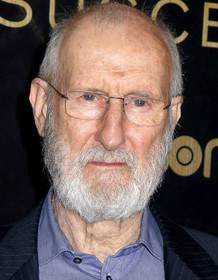
Jack Bronson (James Cromwell)
Played by James Cromwell
An American former leader of the Chainbreakers, Bronson has feigned Alzheimer's to stay close to Norma. Charismatic and cunning, his past leadership fuels both camaraderie and blame as the group navigates confinement and longing.
- 🪖 Veteran
- 🧠 Alzheimer’s
- 💔 Love
-

Norma McCarthy (Jacki Weaver)
Played by Jacki Weaver
A former Army nurse and widow, Norma captivates Bronson and embodies care and resilience. She accepts his proposal at the marina, but memory and recognition complicate their connection, culminating in a moment of unfulfilled reunion.
- 💖 Romance
- 👩⚕️ Care
- 🌟 Resilience
-

Hank (Max Cullen)
Played by Max Cullen
A wheelchair-bound ex-biker and bank robber, Hank carries a history of rebellion and rough justice. He remains fiercely loyal to the group while contemplating life outside the home and his relationship with his own son.
- 🧳 Outlaw
- ♿ Disability
- 🏍️ Biker
-
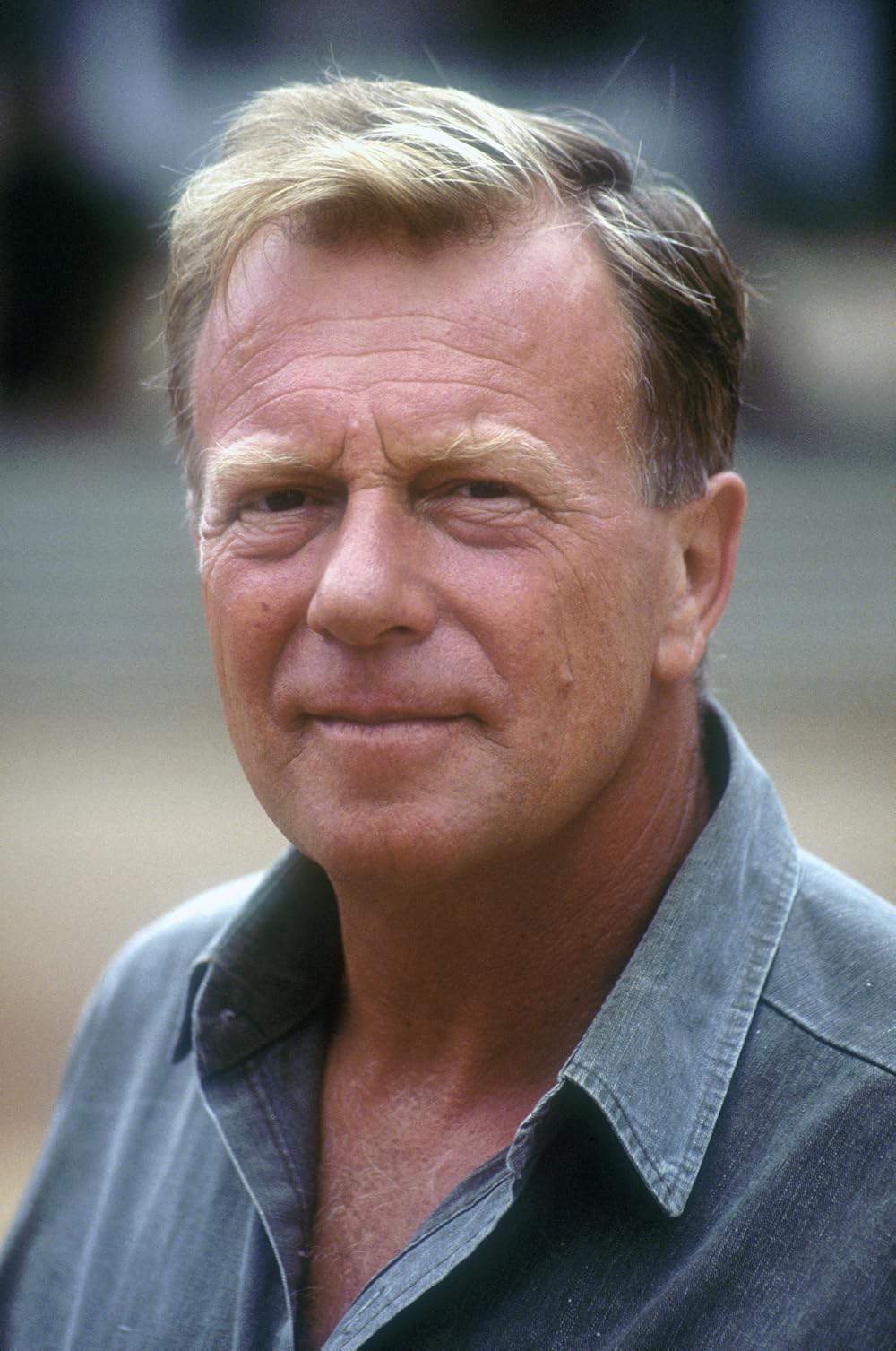
Angus Wilson (Jack Thompson)
Played by Jack Thompson
A former VFL footballer with a Brownlow medal tarnished by disqualification, Angus embodies a stubborn pride. His medal theft becomes a symbolic bid to reclaim honor and break from a life of constraint.
- ⚽ Athlete
- 🏅 Honor
- 🗝️ Rebellion
- L(
Lin (Renee Lim)
Played by Renee Lim
Vietnam-born matron in charge at Hogan Hills, Lin guards a personal secret: she is the daughter of a prison guard who refused to shoot the escapees. Her presence threads through authority and loyalty, adding quiet tension to the group’s plans.
- 🏥 Caretaker
- 🗺️ Heritage
- 🕯️ Secrets
- E(
Elliot (Simone Annan)
Played by Simone Annan
A young orderly and Lin's son, Elliot helps the former POWs clandestinely. He represents the new generation’s willingness to challenge the system and plays a key role in bridging generations.
- 👶 Helper
- 🧩 Bridge-building
- 🧠 Curiosity
- BW
Bruce Wendell (Shane Jacobson)
Played by Shane Jacobson
James Wendell's son, alienated and distant, he becomes part of the family dynamics during the escape. His evolving relationship with his father adds emotional weight to the journey.
- 👨👦 Family
- 🧩 Reconciliation
- 🚦 Duty
- JW
James Wendell (Roy Billing)
Played by Roy Billing
A wheelchair-bound former biker and bank robber, James embodies the weariness and grit of the group. His dynamic with his son shapes the emotional core of the narrative as they confront confinement and care.
- 🪖 Veteran
- 👨👦 Father
- 🔒 Confinement
- JC
Jeremiah Caine (Dennis Waterman)
Played by Dennis Waterman
An older Chainbreaker craving new horizons, Caine longs for sailing but remains restrained for safety. His practical wisdom anchors the group and helps navigate tricky decisions.
- 🚢 Sailor-at-heart
- 🛡️ Loyalty
- 🔒 Safety-first
Where and When Is Never Too Late Set?
Never Too Late is set in Hogan Hills Retirement Home, Adelaide, South Australia and Australia (late 1990s). Here is why the time and place matter to the story.
When
late 1990s
The events unfold in a late 1990s Australian context, after the Vietnam era veterans’ imprisonment and confinement. The football culture referenced through the Adelaide Crows and Port Power situates the period after 1997. The era’s attitudes toward mental health care and elder independence shape how the characters seek freedom within constrained systems.
Where
Hogan Hills Retirement Home, Adelaide, South Australia, Australia
Hogan Hills is a retirement home for returned veterans. The story shifts between the home’s restrictive corridors and the broader cityscape of Adelaide as the men plot their escape. Key locations include the Adelaide Oval, the Glenelg tram, and the marina, grounding the narrative in South Australia’s landscape. The setting blends institutional restraint with the rough-edged charm of coastal Adelaide.
- 🏠 Retirement Home
- 🗺️ Australian Setting
- 🌊 Coastal City
What Are the Themes of Never Too Late?
3 ideas the story keeps returning to, among them Veteran Solidarity, Love and Deception and Freedom vs Confinement.
-
01
Veteran Solidarity
Aging veterans form a tight-knit, loyal group who rely on shared history to survive. Their collective bond drives daring moves and mutual protection as they confront confinement and the longing for normalcy.
-
02
Love and Deception
Bronson’s feigned Alzheimer's to be near Norma creates a complex web of affection and manipulation. The relationship tests trust, memory, and the line between care and control, culminating in a poignant moment of recognition.
-
03
Freedom vs Confinement
Escape attempts collide with institutional authority, illustrating each character’s private rebellion against control. The chain of deceptions and bold acts probes what true freedom means when independence is tightly regulated.
What Kind of Film Is Never Too Late?
Bittersweet in tone, with steady pacing and a moderate story, going by the plot summary.
- Tone
- Bittersweet
- Pacing
- Steady
- Story
- Moderate
- Intensity
- Medium
- Ending
- Mixed
A bittersweet and reflective journey with a group of aging war veterans seeking redemption, blending heartfelt moments of late-life adventure with the poignant realities of memory loss and reconciliation.
- hopeful
- reflective
- nostalgic
- adventurous
- melancholic
- heartwarming
- aging
- unresolved past
- veterans
- redemption
Content notes: war trauma, alzheimer's disease, incarceration.
Quiz
How well do you remember Never Too Late? Test yourself on the story.