
Muhammad: The Messenger of God 2015

Directed by
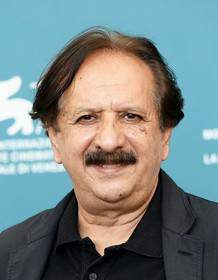
Majid Majidi
Made by

Nourtaban Film Industry
Muhammad: The Messenger of God Plot Summary
Read the complete plot summary and ending explained for Muhammad: The Messenger of God (2015). From turning points to emotional moments, uncover what really happened and why it matters.
Majidi’s film offers a sweeping, intimate look at pre-Islamic Arabia seen through the early life of Muhammad from birth to age thirteen. At the outset, a screen message explains that the film blends historical facts with personal impressions about Muhammad, and that some moments may resemble events in his life rather than strict historical records. This framing invites viewers to consider not just what happened, but how it could feel to witness these moments as a child forming a sense of mercy and presence.
The tale opens with the legendary invasion of Mecca led by Abraha, Arash Falahat Pisheh as the King of Habasha, who commands a well-armed host of thousands, with cavalry and elephants. As the armored line approaches the sacred city, the elephants are said to falter, and a sudden, miraculous counterforce is described: flocks of tiny birds rain down stones, annihilating the invaders and preserving the Kaaba’s sanctity. A month after this extraordinary event, Muhammad is born, and the camera shifts to cradle the newborn against a landscape of caravans, markets, and families that will shape his early years.
From the start, the film situates him within a living social world. Halimah Sareh Bayat tends to the infant and becomes a window into the customs of care, nurture, and community that cradle a child in that era. His mother, Aminah Mina Sadati, and his extended family, including Abu Talib Mehdi Pakdel and Abdul Muttalib Alireza Shojanoori, watch over him as the family navigates tribal loyalties, hardship, and the fragile balance between devotion and daily survival. The film threads in intimate vignettes that hint at the shaping of Muhammad’s character—his trust, his sense of justice, and the mercy he would come to embody.
As the narrative progresses toward the boy’s early adolescence, the world outside Mecca expands—mirroring the Prophet’s eventual travels. Hz. Ali Murat Şenol and Hamza Hamidreza Tajdolat appear as figures who embody courage and protection in the wider community, while Fatimah Pantea Mehdinia and other family members anchor the story in the intimate bonds of kinship. The film also introduces notable figures like Abu Lahab Mohammad Asgari and Bahira, the Syriac monk who will encounter the young Muhammad on a later journey; the monk is portrayed by Sadegh Hatefi. The director presents these threads with a patient, contemplative rhythm, resisting melodrama in favor of a sober, humane tone that emphasizes mercy, connection, and a sense of divine presence.
Toward the end, the story culminates with the young Muhammad’s journey toward Syria and the encounter with Bahira, a moment the film presents as a bridge to his future path and wider spiritual horizon. The production emphasizes a deliberate choice to portray these events as a blend of history and allegory rather than a strict chronicle, a stance that Majidi openly defends, stating that the film contains no controversies and no differences between Shia and Sunni viewpoints. In doing so, the film invites reflection on how a figure of universal significance can be imagined across cultures and time, keeping the focus on compassion, mercy, and the enduring resonance of Muhammad’s life.
Muhammad: The Messenger of God Timeline
Follow the complete movie timeline of Muhammad: The Messenger of God (2015) with every major event in chronological order. Great for understanding complex plots and story progression.
Opening disclaimer: facts and impressions
The film opens with a message that it blends historical facts with the director's personal impressions about Muhammad. It notes that some events are not historically verified but echo aspects of Muhammad's biography. The aim is to convey Muhammad's presence and mercy through impressionistic scenes.
Abraha's attack on Mecca
Under King Abraha, a large army with thousands of soldiers and elephants declares war on the Kaaba. The attack is depicted as a major pre-Islamic threat to Mecca and its sacred site. The viewer is introduced to the scale of the siege before Muhammad's birth.
Approach of the invading army
The well-equipped force advances toward Mecca, signaling an imminent assault on the city. The people brace for impact as the fate of the Kaaba seems uncertain. The tension is heightened by the elephants' presence and the looming threat.
Elephants halt at divine command
Just before the assault, the elephants stop moving, as if guided by a higher call. The sudden pause disrupts the invasion and alters the course of history for Mecca.
Birds and stones rain down
A swarm of small birds swoops in and pelts the army with stones, turning the invasion into a miraculous debacle. The onslaught devastates Abraha's forces and foreshadows the protection of the Kaaba. The event is described as a divine intervention.
Abraha's army is annihilated
The foreign army is wiped out, and their invasion collapses. The immediate consequence is the safety of Mecca and the Kaaba. The narrative marks this as a pivotal pre-Islamic miracle.
Muhammad's birth
A month after the elephant attack, Muhammad is born in Mecca. His birth frames the life that the film will narrate from his own perspective. The event marks the beginning of the film's central journey.
Muhammad's early childhood in Mecca
The film follows Muhammad from birth through early childhood as seen through his eyes. It sketches life in pre-Islamic Arabia from a child's view, presenting the environment and people of the era. The pacing focuses on sensory impressions rather than explicit facts.
Life in pre-Islamic Arabia through Muhammad's perspective
Through Muhammad's perspective, the viewer is introduced to everyday life, values, and the social climate of the era. The narrative uses his experiences to illustrate mercy and humanity in a young context. It reinforces the film's theme of Muhammad's presence even before revelation.
Journey to Syria and encounter with Bahira
Toward the end of the film, young Muhammad undertakes a journey to Syria. He encounters Bahira, a Christian monk who perceives signs of a future prophetic mission. This episode marks a key turning point in Muhammad's early life.
Director's stated objective
Director Majidi explains that the film's objective is to convey Muhammad's presence and mercy through scenes that blend fact and personal impression. He argues the storytelling can bridge audiences without fueling controversy. The approach aims to present unity across different Islamic traditions.
Notes on controversy and viewpoint
Majidi states that the film contains no controversies and no differences between Shia and Sunni points of view. He frames the project as an attempt to focus on mercy and shared humanity. The note reinforces the film's inclusive intent.
Muhammad: The Messenger of God Characters
Explore all characters from Muhammad: The Messenger of God (2015). Get detailed profiles with their roles, arcs, and key relationships explained.
Abraha
A powerful ruler who leads a grand invasion of Mecca with elephants. His campaign is depicted as a test of faith for the Meccan people, culminating in a miraculous interruption that highlights the sanctity of the sacred site.
Bahira
A Christian monk who recognizes signs of Muhammad's future prophethood during the journey to Syria. His insight serves as a pivotal moment of spiritual foreshadowing within the story.
Halimah
A Bedouin nurse who cares for Muhammad in his early childhood. Her warmth and simple hospitality leave a lasting imprint on his development and sense of mercy.
Umm Jamil
A Quraysh figure whose presence reflects Meccan social dynamics and the pressures surrounding Muhammad's early life within the clan.
Abu Talib
Muhammad's guardian and paternal uncle, whose protective presence helps shield the young Prophet during turbulent times.
Abdul Muttalib
Muhammad's grandfather and a respected elder who oversees the clan and the sacred Kaaba guardianship, anchoring Meccan tradition.
Abu Sufyan
A Quraysh leader representing Meccan political dynamics and early resistance within the tribe's power structure.
Fatimah
Muhammad's daughter, placed within the extended family timeline to anchor the Prophet's lineage in the narrative.
Hamza
Hamza ibn Abdul-Muttalib, a strong protector within the Meccan circle whose presence underscores loyalty and defense.
Ali
Ali ibn Abi Talib, a nephew who appears as part of the early circle around Muhammad, hinting at future support.
Abu Lahab
A member of Muhammad's wider family who represents the internal opposition in the early Meccan milieu.
Benjamin
A minor figure within the film's cast who participates in the historical drama surrounding Muhammad's early years.
Berkah
A companion figure witnessing the early Meccan life and events that frame the Prophet's upbringing.
Muhammad: The Messenger of God Settings
Learn where and when Muhammad: The Messenger of God (2015) takes place. Explore the film’s settings, era, and how they shape the narrative.
Time period
570s CE
Set in the late 6th century, the story situates Muhammad's birth shortly after a dramatic military episode in Mecca. The era is marked by tribal codes, caravan trade, and religious rituals that define pre-Islamic Arab society. The film presents a historical backdrop enriched with spiritual overtones as it traces the Prophet's earliest years.
Location
Mecca, Syria
The action unfolds in Mecca, the desert trading city at the heart of pre-Islamic Arabia, where tribal loyalties and sacred rites shape daily life. A journey to Syria frames the early arc of Muhammad's life and a key encounter that foreshadows his future. The setting emphasizes the sacredness of the Kaaba and the social context into which Muhammad is born.
Muhammad: The Messenger of God Themes
Discover the main themes in Muhammad: The Messenger of God (2015). Analyze the deeper meanings, emotional layers, and social commentary behind the film.
🌟
Prophecy
The film blends historical events with a devotional lens, presenting Muhammad's birth as a sign of mercy and divine presence. It invites viewers to sense destiny at the start of Islam. The portrayal treats sacred moments as catalysts that ripple through history.
🕊
Miracle
The halt of Abraha's army and the legendary birds are framed as a miraculous sign rather than mere legend. This event underscores the sacred protection surrounding Mecca and hints at Muhammad's extraordinary future. The narrative uses wonder to emphasize faith over mere historical recounting.
🕋
Heritage
The film offers a window into pre-Islamic Arabian culture, showing how clan loyalties, hospitality, and religious beliefs shape daily life. It contrasts desert harshness with spiritual yearning, building a sense of lineage leading to Muhammad's emergence. The setting and characters together create a tonal reservoir for the Prophet's story.

Coming soon on iOS and Android
The Plot Explained Mobile App
From blockbusters to hidden gems — dive into movie stories anytime, anywhere. Save your favorites, discover plots faster, and never miss a twist again.
Sign up to be the first to know when we launch. Your email stays private — always.
Explore the mobile appMuhammad: The Messenger of God Spoiler-Free Summary
Discover the spoiler-free summary of Muhammad: The Messenger of God (2015). Get a concise overview without any spoilers.
In a sun‑baked landscape that stretches from bustling market alleys to the tranquil dunes surrounding a sacred sanctuary, the film opens a window onto pre‑Islamic Arabia with a reverent, almost meditative gaze. The production‑designed set—built outside Tehran and touched by the stark horizons of South Africa—feels both timeless and tangible, while Vittorio Storaro’s richly textured cinematography bathes every frame in golden warmth. A. R. Rahman’s lyrical score weaves through the scenery, underscoring a world where daily rituals and whispered prayers linger in the same breath, inviting the audience to feel the pulse of a society on the cusp of profound change.
At the heart of this world is the newborn Muhammad, cradled amid the soft murmurs of his extended clan. His mother Aminah watches with a blend of hope and humility, while the kindly caretaker Halimah offers a gentle, grounding presence that reflects the nurturing customs of the time. Around them, his uncle Abu Talib and grandfather Abdul Muttalib embody the tribe’s tangled loyalties and resilient spirit, shaping a childhood steeped in compassion, curiosity, and an ever‑present sense of justice. Through quiet, intimate vignettes, the film hints at the early formation of a character whose inner light will later illuminate far beyond the desert sands.
Beyond the family circle, the bustling streets of Mecca pulse with the lives of figures such as the brave Ali, the steadfast Hamza, and the caring Fatimah, each contributing to a tapestry of communal bonds and shared destiny. Shadowed presences like Abu Lahab and the enigmatic monk Bahira appear as part of a broader cultural mosaic, suggesting pathways that stretch toward distant horizons. The storytelling remains contemplative rather than sensational, favoring a sober, humane rhythm that emphasizes mercy, connection, and the subtle, growing awareness of a young soul navigating a world on the brink of transformation.
Featured on this page

What's After the Movie?
Not sure whether to stay after the credits? Find out!
Check out our other apps:

SAT Sphere
Build confidence for the Digital SAT.

Mori Atlas
Discover wild places worth protecting.

Luntero
Search smarter for a home in Amsterdam.

Plot Explained
Unravel movie endings and hidden clues.

Pokechamp
Dive into Pokémon data and battle logic.

Driving Theory
Get ready for your European theory test.

Movie Dust
Plan your next cinema trip with ease.

Musemap
Find art and culture as you travel.

Selkobase
Compare credentials before committing.

Local Manual
Turn an unfamiliar country into practical next steps.

Lernavi
Compare school systems before your next move.

GymRoam
Find a workout stop wherever your plans take you.
Explore Our Movie Platform
New Movie Releases (2026)
Famous Movie Actors
Top Film Production Studios
Movie Plot Summaries & Endings
Major Movie Awards & Winners
Best Concert Films & Music Documentaries
Movie Collections and Curated Lists
© 2026 What's After the Movie. All rights reserved.
Privacy Policy