What Is Mr. Lucky About?
The premise of Mr. Lucky in 288 words, with nothing given away. The full story follows below.
In a cramped wartime port where the clang of shipyard hammers mixes with whispered pleas for aid, the city pulses with both desperation and opportunity. Beneath flickering lanterns, charitable rallies and high‑stakes gambling mingle, creating a backdrop that feels both urgent and surreal. The atmosphere is drenched in a smoky blend of hope and exploitation, where every handshake could conceal a hidden agenda.
Joe Adams, a fast‑talking grifter with a silver tongue and an effortless charm, drifts through this world as a self‑styled humanitarian. He presents himself as the organizer of a relief effort, using his knack for persuasion to gather support for war‑torn victims while quietly balancing the precarious line between generosity and personal gain. His confidence masks a restless mind always calculating the next move, and his reputation for smooth‑talking makes him a magnetic figure in the bustling docks.
Amid the sea of donors and volunteers, Dorothy Bryant emerges as the picture of earnest dedication. She lives for the cause, buoyed by a fierce belief that a single act of kindness can change lives across the battle‑scarred continents. When Joe and Dorothy cross paths, the chemistry is immediate—a collision of cynicism and idealism that sparks both attraction and tension. Their conversations ripple with the promise of something deeper than the superficial exchanges that dominate the waterfront.
As the two navigate the thin veneer of charity, Joe finds his practiced detachment wavering under the weight of genuine affection. The growing connection forces him to glance at the mirror he’s long avoided, hinting at an inner struggle between his well‑rehearsed scams and a budding conscience. The film sways between gritty realism and romantic intrigue, inviting viewers to wonder whether love can truly rewrite a life built on deception.
What Happens in Mr. Lucky?
The complete story of Mr. Lucky, from the first scene to the last, in 711 words (about 3 minutes). Spoilers throughout. Names in the text link to 5 cast member pages.
Spoilers ahead
Late one winter night, Charles Bickford as Hard Swede rows up to a public dock in a small dinghy, noticing a young woman who walks to the pier’s edge. When a new night watchman (an uncredited Emory Parnell) spots her and fears she may jump, Swede steps in to calm things down. The sailor then recites her story, and the film slides into a long flashback that unfolds the main drama.
Joe Adams, Cary Grant, is a gambler and a smooth-talking grifter who is trying to dodge trouble from two directions. First, he and his treacherous partner, Paul Stewart as Zepp, have just received draft notices to join the army as the United States gears up for World War II. Second, one of Joe’s underlings, Juan Varro as Joe Bascopolus, has just died, his military status listed as 4F, meaning he is unfit to serve. The men gamble for control of their gambling ship and for Bascopolus’s identity, and Zepp cheats, yet Joe wins the stake. Even so, Zepp still fails his own physical examination.
Beyond the immediate risk of the draft, money is tight and threatens to ground their operation. Joe turns to the head of the local War Relief organization, Captain Veronica Steadman, Gladys Cooper, and convinces her to let him run a “charity” casino, on the pretense of raising funds to outfit a relief ship. He promises the project will benefit those in need, even as his own cravings for money grow stronger. The scheme also brings him into contact with Dorothy Bryant, a fashionable and spirited woman whom he soon charms. Dorothy is introduced to Joe by force of circumstance, and she tells her snobbish grandfather with a spark of mischief that “Joe’s the first man I’ve ever met I’m afraid of. It’s exciting.” As she confides in him, she also testifies to the dangerous allure Joe has.
The intrigue deepens at the charity ball itself. Joe’s crew uses false bottoms in the cashboxes to skim most of the money, casting a shadow over the whole event. For a moment, Joe wrestles with a moral choice and tells his right-hand man, the Crunk, that the loot should go to war relief. But Zepp overhears and tightens his grip, forcing Joe at gunpoint to finish collecting the cash. Dorothy, witnessing the scene, mistakenly concludes that Joe is willingly taking part in the theft. To protect her, Joe knocks her unconscious, and the two men continue their loot-and-ship ploy. In the ensuing struggle, Joe fights Zepp and kills him, though not without taking a gunshot wound himself. He escapes, leaving behind a trail of blood, and he soon sends the stolen funds back to Dorothy through his trusted ally Swede. He then loads his ship with the charity’s supplies, aiming to deliver the relief goods where they’re needed most.
Dorothy learns the grim truth soon after: the man she believed Joe to be is dead—the body she sees in the photo is not him. The name on the ship that Bascopolus once worked on is mentioned, and Dorothy hurries to the dock in time to see the ship slip away toward Europe. She begs Joe to take her with him, but he insists she deserves a better life and withdraws, hiding his own heartbreak. The ship ultimately meets a grim fate at sea when it is torpedoed and sinks on the return voyage, and Dorothy later visits the pier each night, clinging to the memory of those distant hopes.
The flashback returns to the present, and Swede had hoped Dorothy would be waiting. When Joe arrives at the other end of the pier, he suggests they go out on the town to celebrate their last night in port instead of returning to the ship. A watchful guard tries to decide who should move the dinghy, and a coin flip becomes the arbiter of fate. Joe loses the flip, and as he walks toward the end of the dock, Dorothy rushes into his arms. He is visibly surprised, but he returns the embrace, even as Swede scrutinizes the coin—the coin that has a head on both sides, revealing that the fateful flip was never about luck, but about a deeper, carefully laid plan that may have already written their ending.
Mr. Lucky Timeline: Every Key Event in Order
15 key events in the order they happen, from “Night at the public dock” to “The reunion and the double-headed coin”. 15 events name a place, across 13 locations.
- 1
Night at the public dock
Late one winter night, Swede rows to a public dock in a dinghy and hides as a young woman walks to the end of the pier. A night watchman notices her and Swede stops him from bothering her. The sailor begins recounting her story, and the film segues into a long flashback.
When:Late winter night Where:Public dock
- 2
Joe the Greek and the looming draft
Joe 'the Greek' Adams is a gambler facing mounting trouble as draft notices loom and his treacherous partner Zepp circles him. They scheme to swap identities with their recently deceased underling Bascopoulos to dodge service. The plan foreshadows the ruthless tactics they will use to stay afloat.
When:Pre-ball Where:City gambling den
- 3
Identity swap plan takes shape
Bascopoulos has died, leaving a 4F status to exploit. Joe and Zepp gamble for his identity to dodge the draft, and Zepp cheats, but Joe still wins the potential advantage. The scheme sets the tone for their ruthless approach to money and war-time survival.
When:Pre-ball Where:Gambling den
- 4
Charity casino and Dorothy's orbit
Joe persuades Captain Veronica Steadman, head of War Relief, to authorize a 'charity' casino to fund a relief ship. He begins courting Dorothy Bryant, a wary socialite who is drawn to his charm. He even teaches her Australian rhyming slang as their relationship deepens.
When:Pre-ball Where:War Relief office / Dorothy's circle
- 5
Renaming the gambling ship Briny Marlin
To honor Dorothy, Joe renames his gambling ship the Briny Marlin, signaling a blend of romance and risk. The ship becomes a symbol of their cause as it operates in the shadows of war-time fundraising. The crew treats the name as a badge of daring and devotion to the plan.
When:Pre-ball Where:Onboard the ship
- 6
A wartime letter and a life rethink
On the day of the charity ball, Joe receives a letter addressed to Bascopoulos from his mother in Axis-occupied Greece. He brings it to a Greek Orthodox priest for translation and learns that villagers fought to the death when German paratroopers landed. Moved, Joe rethinks his life and priorities.
When:Ball day Where:Ball venue / priest's office
- 7
Looting begins at the ball
During the ball, Joe's men use false bottoms in cashboxes to steal most of the money. Joe has a change of heart and tells his right-hand man Crunk that the money should go to war relief. Zepp overhears and tensions rise as the plan unfolds.
When:Evening Where:Ballroom
- 8
Zepp tightens the grip
Zepp overhears Joe's pledge to send the loot to relief and forcibly wrests control, forcing Joe at gunpoint to continue collecting funds. The moral line blurs as fear and greed push the crew toward greater risk. The ball becomes a trap for every participant.
When:Evening Where:Ballroom
- 9
Dorothy catches the crime and a knockout
Dorothy unexpectedly discovers the theft in progress and mistakenly believes Joe is a willing participant. To shield her from the truth, Joe knocks her out and the two men push forward with the heist. The deception tightens around everyone involved.
When:Evening Where:Ballroom
- 10
Killing Zepp and a wounded escape
In a struggle that erupts from the theft, Joe kills Zepp but is shot himself in the process. He escapes the ballroom, leaving behind a trail of blood and a shattered plan. He resolves to salvage what he can by sending the money to Dorothy and loading the ship with relief supplies.
When:Evening Where:Ballroom / dock
Show the other 5 events of Mr. Lucky Hide the last 5 events
- 11
Refunds to Dorothy and ship preparations
Joe arranges for the stolen money to be sent back to Dorothy via Swede while loading his ship with the charity's supplies. The dual aims of love and philanthropy clash with the violence of the caper. The plan to depart port grows more desperate as consequences mount.
When:Evening Where:Dock / ship
- 12
Dorothy learns the truth of Bascopoulos
Dorothy learns that Bascopoulos is dead and sees a photograph of the man who died; it isn’t Joe. She rushes to the dock as the ship sails toward Europe, begging Joe to take her with him. He tells her she deserves better and hides his own heartbreak.
When:After ball Where:Dock
- 13
The doomed voyage
The ship carrying relief supplies is torpedoed and sinks on the return trip, claiming many who believed in the mission. Dorothy mourns at the pier, visiting it each night and clinging to Joe's memory. The tragedy scars her and reshapes her view of love and sacrifice.
When:Return voyage Where:North Atlantic / pier
- 14
Swede plans a reunion at the pier
Back on the pier, Swede arranges for Joe to meet him there, hoping to seal a last night in port before departure. A guard flips a coin to decide who must move the dinghy, and Joe draws heads—only to lose in the moment that seals his fate.
When:Present Where:Pier
- 15
The reunion and the double-headed coin
As Joe walks toward the end of the dock, Dorothy sees him and rushes into his arms, their reunion charged with mixed relief and pain. Swede then reveals the coin’s true nature: it has a head on each side, signaling that the reunion was knowingly arranged. The twist casts the entire sequence as a carefully staged ending.
When:Present Where:End of the dock
Who Are the Main Characters in Mr. Lucky?
5 characters, among them Joe Adams, Zepp and Dorothy Bryant: who each one is and the part they play in the story. Every profile links to the actor’s page.
-
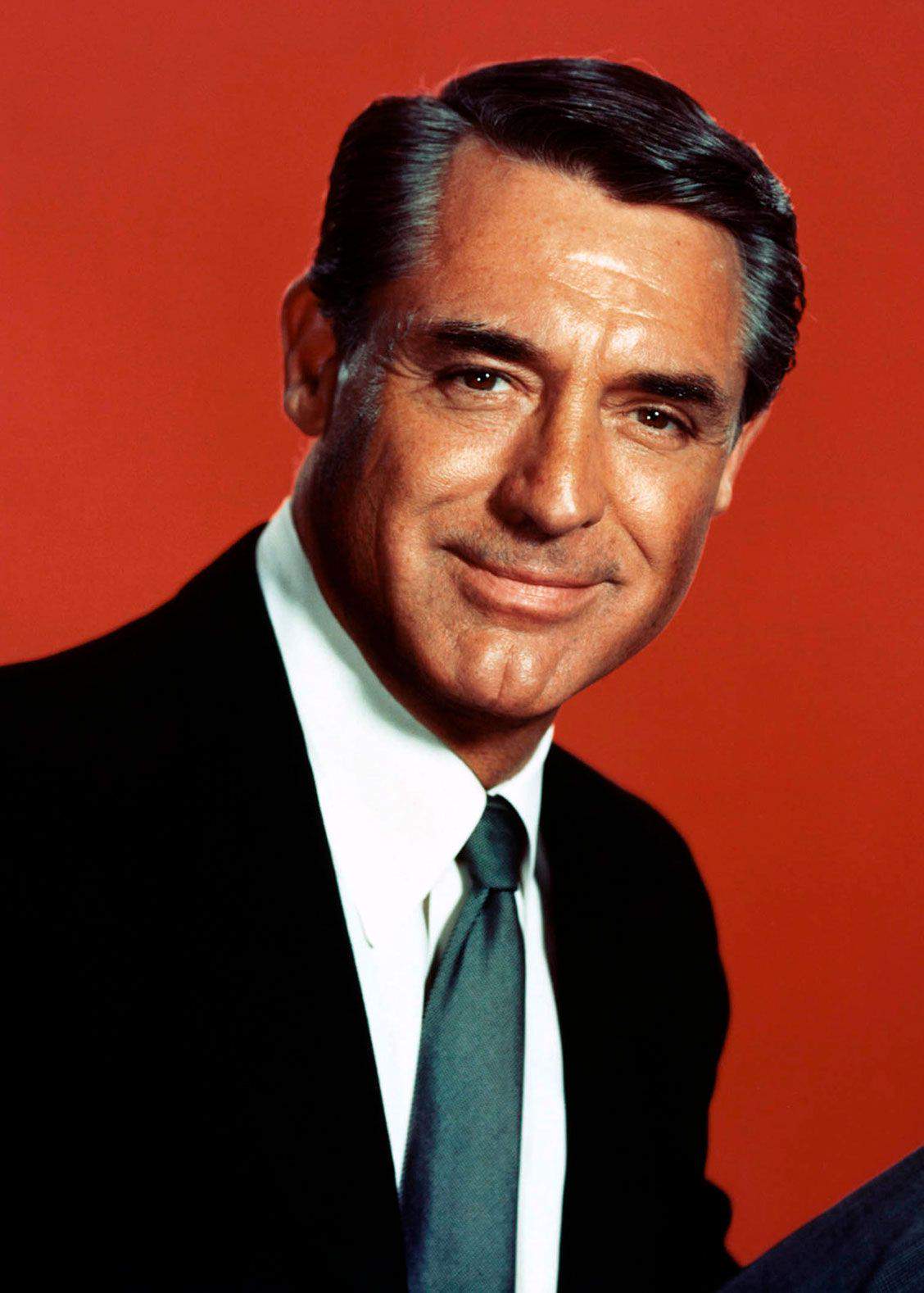
Joe Adams
Played by Cary Grant
A smooth-talking gambler and grifter who orchestrates a draft-dodging scheme under the cover of a war-relief charity. He is charming and calculating, drawn to money yet capable of genuine self-reflection when confronted with real consequences. His arc moves from self-serving deception toward a reluctant, morally weighted reckoning.
- 🎭 Charmer
- 💰 Ambitious
- 🕊️ Redeemed
-
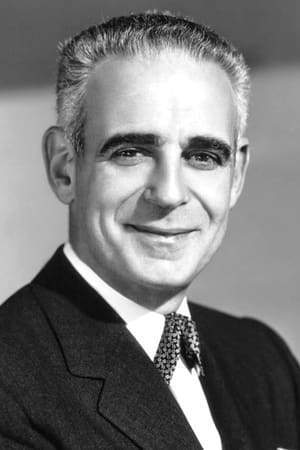
Zepp
Played by Paul Stewart
Joe's treacherous partner who cheats to secure their gambling profits and tries to force Joe to take the loot. He is ruthless and controlling, pushing the operation toward a dangerous edge. His downfall accelerates the shift from crime to conscience as the plan unravels.
- ⚔️ Antagonist
- 💸 Opportunist
- 🔪 Dangerous
-

Dorothy Bryant
Played by Laraine Day
A wealthy socialite drawn to Joe’s charisma and the thrill of a life beyond propriety. She balances snobbish reserve with a growing empathy, experiencing love tempered by skepticism. Her arc centers on trust, vulnerability, and the possibility of a better choice when confronted with truth.
- 💎 Elite
- 💗 Romantic
- 🎭 Dramatic
-
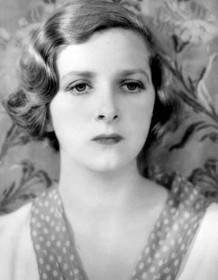
Captain Veronica Steadman
Played by Gladys Cooper
Head of the War Relief organization who authorizes the charity venture and monitors its integrity. She embodies wartime idealism tempered by practical skepticism, aiming to protect relief funds while supporting a cause that could help beyond the surface. Her stance highlights the tension between noble aims and vigilance against exploitation.
- 🎖️ Authority
- 🛡️ Protector
- 🕊️ Hope
- C
Crunk
Played by Alan Carney
Joe's loyal right-hand man who helps run the gambling operation and participates in the theft. He embodies the tension between loyalty to a friend and the lure of easy cash, illustrating how quickly moral lines blur in wartime crime.
- 🧭 Loyal
- 💼 Enforcer
- 🌪️ Ruthless
Where and When Is Mr. Lucky Set?
Mr. Lucky is set in Public dock, War Relief charity ball and Axis-occupied Greece (Early 1940s (World War II)). Here is why the time and place matter to the story.
When
Early 1940s (World War II)
Set against the backdrop of World War II, the plot threads through draft notices, wartime fundraising, and the moral strain of contributing to the war effort. The period’s scarcity and urgency push characters toward risky gambles and improvisational schemes. The era’s atmosphere amplifies the stakes of loyalty, sacrifice, and consequence.
Where
Public dock, War Relief charity ball, Axis-occupied Greece
The story centers around a working harbor where a gambling operation hides behind a charity facade. A formal War Relief ball provides the backdrop for key revelations, while flashbacks briefly take the viewer to Greece under Axis occupation. The dock and ball scenes anchor the tension between illicit gains and wartime philanthropy.
- 🛥️ Harbor
- 🎗️ War relief setting
- 🗺️ Axis-Occupied Greece
What Are the Themes of Mr. Lucky?
4 ideas the story keeps returning to, among them Redemption, Charity and Ethics and Love and Truth.
-
01
Redemption
A charismatic con man confronts the consequences of his schemes when he chooses a path toward truth and responsibility. The turning point arrives as he realigns his goals with genuine aid for war relief, rather than personal gain. The narrative follows his struggle between self-interest and a conscience awakened by real-world impact.
-
02
Charity and Ethics
The War Relief operation operates as a cover for illicit gambling, highlighting the precarious line between philanthropy and manipulation. Characters weigh the ends against the means, testing whether noble intentions justify questionable methods. The story questions whether wartime needs can justify deceitful fundraising.
-
03
Love and Truth
Romance intertwines with deception as Dorothy is drawn to Joe’s charm, only to confront the moral ambiguities of his world. Trust must endure scrutiny when deceit is exposed, forcing characters to choose honesty over sentiment. The arc shows how love can catalyze personal growth and ethical choices.
-
04
Chance and Fate
Gambling, luck, and pivotal coins symbolize the randomness of fate under pressure. The counterfeit coin and the foil of false promises underscore how small choices ripple into life-altering outcomes. The climax uses chance to reveal character and determine what is truly earned through risk.
What Kind of Film Is Mr. Lucky?
Bittersweet in tone, with steady pacing and a moderate story, going by the plot summary.
- Tone
- Bittersweet
- Pacing
- Steady
- Story
- Moderate
- Intensity
- Medium
- Ending
- Bittersweet
A romantic crime drama with a steady pace, blending the charming chemistry of a deceptive con man's redemption with tense criminal schemes and a melancholic, fateful ending.
- romantic
- tense
- melancholic
- nostalgic
- guilty
- charismatic
- romantic deception
- con artist redemption
- wartime morality
- identity theft
Content notes: gun violence, knocked unconscious, death, war.
Quiz
How well do you remember Mr. Lucky? Test yourself on the story.
Where to Watch Mr. Lucky
Stream it on YouTube TV, or rent or buy it from Amazon Video and Apple TV Store. US availability and prices from JustWatch.
Stream 1
 YouTube TV




Streaming availability in the US, powered by