
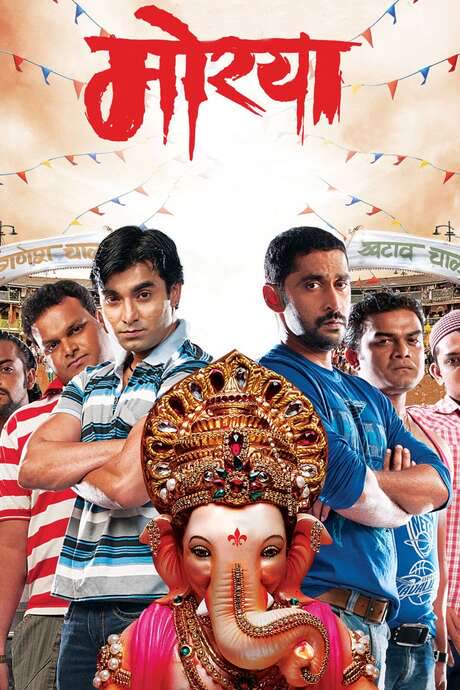
What Is Morya About?
The premise of Morya in 271 words, with nothing given away. The full story follows below.
In the bustling heart of Mumbai, two adjoining chawls—Ganesh Chawl and Khatav Chawl—stand as colorful slices of the city’s relentless rhythm. Narrow lanes echo with the clatter of daily life, while the air is constantly scented with incense, street food, and the salty sea breeze that drifts in from the harbor. Here, community is more than a word; it is an ever‑present pulse that swells each year with the arrival of festivals, turning ordinary streets into stages for devotion, music, and shared celebration.
At the core of this vibrant world is a spirited rivalry that has become as much a tradition as the holidays themselves. The youthful crowd of Ganesh Chawl rallies around Manya, a charismatic leader whose optimism fuels their drive to outshine their neighbors. Opposite them, the residents of Khatav Chawl look to Sameer, a determined figure who channels their pride into ever more elaborate displays. Their competition, sparked during events like Gokulashtami and crescendoing at Ganeshotsav, is marked by a playful yet fierce contest of decorations, idols, and processions, each side hoping to claim the title of the city’s most memorable celebration.
The tone of the film is a lively blend of humor, nostalgia, and the palpable energy of a city that never sleeps. While the rivalry pushes both sides to extraordinary lengths, an undercurrent of camaraderie weaves through the bustling preparations, hinting that the true spirit of the festival resides not in triumph but in togetherness. The streets, awash in colour and rhythm, become a living tapestry that celebrates both competition and community, inviting the audience to feel the heartbeat of Mumbai long before any resolution unfolds.
What Happens in Morya?
The complete story of Morya, from the first scene to the last, in 286 words (about 1 minute). Spoilers throughout.
Spoilers ahead
In bustling Mumbai, two neighboring chawls—Ganesh Chawl and Khatav Chawl—keep alive an age‑old tradition centered on Ganeshotsav. Nestled along prime streets, they become dynamic hubs when the festival arrives, drawing devotion and attention from residents who celebrate as a community.
For years, these two neighborhoods have waged a spirited competition for the title of the most memorable Ganeshotsav celebration. The rivalry goes beyond friendly bragging, with each side pulling out all the stops to showcase creativity, pride, and communal spirit. The narrow lanes that separate them transform into stages for an annual clash of grandeur, color, and innovation.
As the festival nears, anticipation thickens the air. Residents meticulously plan every detail—elaborate decorations, intricate idols, and a carefully curated procession—all aiming to outshine the other side. The rival camp responds with equal fervor, pushing the boundaries of tradition to leave a lasting impression on neighbors and passersby.
Evenings fill with rehearsals, drumbeats, and shared laughter as both factions prepare for the main event. Friendly banter from the sidewalks carries a warm heat, marking the competition while underscoring the community’s deep‑rooted pride.
On the day of Ganeshotsav, the streets come alive in a riot of color, the fragrance of fresh flowers mingling with the sounds of traditional instruments. Ganesh Chawl and Khatav Chawl stand as living testaments to Mumbai’s vibrant cultural mosaic, each contributing its own distinctive flair to the grand spectacle.
Yet beneath the rivalry lies a subtle camaraderie. The festival’s spirit binds the two chawls in a shared devotion to the divine, reminding attendees that the true strength of Ganeshotsav lies in togetherness. In the heart of Mumbai, amid banners, music, and celebration, the message is clear: unity prevails, and it makes these festivities truly exceptional.
Morya Timeline: Every Key Event in Order
12 key events in the order they happen, from “Rivalry Awakens: Planning Begins” to “Festival End: Spirit of Togetherness Prevails”. 12 events name a place, across 12 locations.
- 1
Rivalry Awakens: Planning Begins
Residents of Ganesh Chawl and Khatav Chawl begin the yearly Ganeshotsav planning. Ganesh Chawl meticulously maps every detail of their celebration, from decorations to idols and a curated procession. The air is charged with competitive energy as both sides stake their claim to the festival crown.
When:Weeks before Ganeshotsav Where:Ganesh Chawl
- 2
Khatav Chawl's Countermove
Khatav Chawl responds with equal fervor, mobilizing their own teams for lights, idols, and a show-stopping procession. The rivalry stiffens as each side promises innovation to outshine the other. The race to outdo the neighbor intensifies.
When:Weeks before Ganeshotsav Where:Khatav Chawl
- 3
Lane Showdowns Begin
The narrow lanes between the chawls transform into showcases of creativity and bravado. Residents secretly compare plans, swapping ideas and then refining their displays. The stage is set for a visual duel that mirrors the city’s bustle.
When:Days before Ganeshotsav Where:Between Ganesh Chawl and Khatav Chawl
- 4
Evenings of Rehearsal
Evenings are alive with rehearsals, drumbeats, and laughter as both factions practice their processions. The rivalry persists, but the shared joy of the festival unites the community even in jest. Neighbors become judges of who will perform best.
When:Evenings leading up to festival Where:Ganesh Chawl and Khatav Chawl
- 5
Elaborate Preparations
Decorations, intricate idols, and a meticulously curated procession take shape under the watchful eyes of volunteers. Each side pushes boundaries of tradition to leave a lasting mark. The festival begins to feel inevitable as preparations escalate.
When:Days before Ganeshotsav Where:Both chawls
- 6
Festival Mood Descends on the City
The city fills with the scent of flowers, color, and music as Ganeshotsav draws near. The community's anticipation grows, and the lanes glow with lanterns and banners. The air is thick with excitement and friendly rivalry.
When:Leading up to festival Where:Mumbai streets around the chawls
- 7
Final Touches and Mock Rivalry
Final touches are applied to idols and floats, with both sides performing small displays to outshine the other. The rivalry persists, but the underlying respect for the festival's spirit becomes clear in whispered compliments after each rehearsal. The neighborhood crowds begin to gather nightly.
When:Last few days before Ganeshotsav Where:Ganesh Chawl / Khatav Chawl
- 8
Festival Day Arrives
On the day of Ganeshotsav, the streets come alive with riotous color, fragrant flowers, and rhythmic beats. Ganesh Chawl and Khatav Chawl unveil their celebrations, drawing crowds and rival organizers into a grand, shared spectacle. The city witnesses a living tapestry of Mumbai’s cultural mosaic.
When:Festival day Where:Streets of Mumbai between the chawls
- 9
Grand Processions Unfold
Each faction rolls out its procession and idol, turning the lanes into stages of performance. Spectators cheer, compare, and celebrate the creativity on display. Despite the competition, there is a sense of community forged through the festival.
When:Festival day Where:Between Ganesh Chawl and Khatav Chawl lanes
- 10
Tension and Camaraderie Intertwine
The rivalry remains fierce, but moments of shared joy and mutual respect emerge amid the drumbeats and prayers. Participants exchange nods and smiles, acknowledging the other side’s skill and dedication. The festival becomes a bridge rather than a barrier.
When:Festival day Where:Chawl lanes
- 11
Rivalry Fades into Unity
As celebrations continue, the two communities recognize a common purpose beyond victory—keeping Ganeshotsav alive as a beacon of tradition and togetherness. The lines between rival factions blur in the festive color and music. The neighborhood feels lighter and more connected.
When:Festival day to evening Where:Chawls and streets
- 12
Festival End: Spirit of Togetherness Prevails
When the festival closes, memories of competition linger, but the enduring lesson remains: the spirit of togetherness makes Ganeshotsav exceptional. The two chawls share in the communal joy and vow to return next year with renewed energy. The city’s rhythm continues, enriched by this shared celebration.
When:After festival Where:Mumbai city
Who Are the Main Characters in Morya?
2 characters, among them Sameer (Chinmay Mandlekar) and Manya (Santosh Juvekar): who each one is and the part they play in the story. Every profile links to the actor’s page.
- S(
Sameer (Chinmay Mandlekar)
Played by Chinmay Mandlekar
Sameer is a resident of one chawl and a key participant in organizing Ganeshotsav celebrations. He navigates the pressure to outshine the rival faction while staying rooted in tradition. His leadership and energy drive the planning, rehearsals, and public display, reflecting the festival’s competitive spirit.
- 🎭 Protagonist
- 🏙️ Urban Resident
- M(
Manya (Santosh Juvekar)
Played by Santosh Juvekar
Manya is a leading figure in the rival faction from the neighboring chawl. He channels ambition and creativity into bold, imaginative displays, challenging the other side. His role highlights the drama, resourcefulness, and communal pride involved in Ganeshotsav.
- 🎭 Rival
- 🎨 Creative Leader
Where and When Is Morya Set?
Morya is set in Ganesh Chawl, Khatav Chawl and Mumbai (Present day). Here is why the time and place matter to the story.
When
Present day
The events unfold around the annual Ganeshotsav festival in contemporary Mumbai. The festival season brings the city together with parades, music, and elaborate idols, while neighborhood rivalries intensify the competition. The timeline centers on a single Ganeshotsav cycle, highlighting the preparations and celebrations across the two chawls.
Where
Ganesh Chawl, Khatav Chawl, Mumbai
Set in Mumbai, the story centers on two adjoining chawls—Ganesh Chawl and Khatav Chawl—where a dense urban landscape frames the Ganeshotsav celebrations. The narrow lanes between the chawls transform into a stage for rival fans, processions, and grand decorations. The city’s festival-driven mood and diverse community shape the atmosphere.
- 🏙️ Urban setting
- 🎉 Festival hub
- 🏘️ Neighbourhood rivalry
What Are the Themes of Morya?
3 ideas the story keeps returning to, among them Rivalry, Creativity and Unity.
-
01
Rivalry
Two neighbouring chawls compete to outdo each other during Ganeshotsav, creating a high-stakes cultural duel. The rivalry motivates creativity, as residents push traditional limits with decorations, idols, and processions. Yet, beneath the competition, a communal spirit hints at shared roots and mutual respect.
-
02
Creativity
The celebrations become a canvas for imagination, with ornate idols, vibrant decorations, and meticulously choreographed processions. Residents invest time and artistry to craft moments of awe that reflect Mumbai's diverse cultural tapestry. The contest acts as a showcase of local talent and collective effort.
-
03
Unity
Even amid rivalry, Ganeshotsav binds residents, families, and neighbors in a festival of belonging. Shared rituals, music, and laughter create bridges between competing factions. The film suggests that the true strength of the celebration lies in togetherness and communal joy.
What Kind of Film Is Morya?
Hopeful in tone, with steady pacing and a straightforward story, going by the plot summary.
- Tone
- Hopeful
- Pacing
- Steady
- Story
- Straightforward
- Intensity
- Medium
- Ending
- Happy
A vibrant and spirited portrayal of Mumbai's neighborhood culture, where a friendly annual festival rivalry unfolds with infectious energy, colorful celebrations, and an ultimately heartwarming sense of community and unity.
- festive
- communal
- competitive
- colorful
- spirited
- joyful
- community rivalry
- cultural tradition
- festival competition
- neighborhood bonds
Quiz
How well do you remember Morya? Test yourself on the story.
Where to Watch Morya
Rent or buy it from Amazon Video. US availability and prices from JustWatch.
Rent or buy 1

Streaming availability in the US, powered by 
