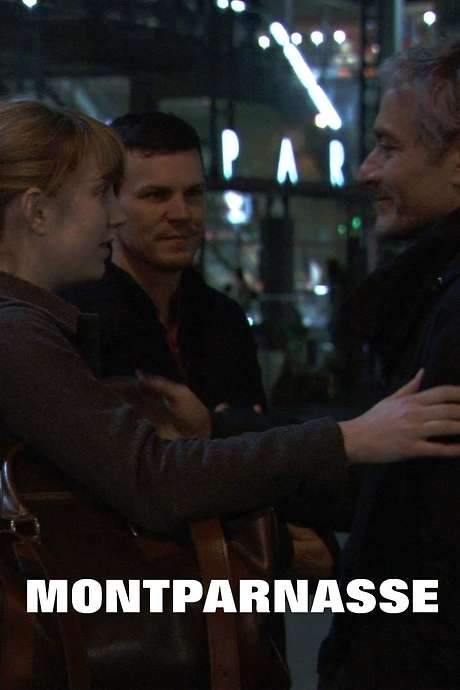
Montparnasse 2009

Directed by

Mikhaël Hers
Made by

Grande Ourse Films
Montparnasse Plot Summary
Read the complete plot summary and ending explained for Montparnasse (2009). From turning points to emotional moments, uncover what really happened and why it matters.
In Paris, the artist Modigliani, known as Modi, drifts through a bohemian existence where painting is as much a ritual as a profession. He drinks heavily and spends many nights in smoky rooms, sleeping with the alluring writer Beatrice while he sketches and paints, though his canvases rarely find buyers. The city hums with a restless energy that matches his fragile health, and his days slip by in a haze of cigarettes, coffee, and scattered strokes on canvas. Then comes a turning point: he meets a beautiful young art student named Jeanne Jeanne Candel, and a new, tender pull enters his life. Their bond deepens quickly, even as Jeanne’s guarded family tries to shield her from Modi’s stormy world. Modi’s circle—especially the Zborowskis, who swing in and out of his orbit—tries to keep him afloat, but the singer’s breath of life grows fainter with every passing day.
When Modi returns to Paris, the Zborowskis arrange a solo show in the prestigious gallery of Madame Weill, a moment meant to crown his star. The atmosphere is celebratory on the surface—free drinks flow, friends mingle, and the room buzzes with the aura of artistic potential. Yet the economics of fame bite hard: nobody buys. In the wake of complaints, the police remove a nude from the window, and a cold, calculating dealer named Morel explains the cruel calculus of art markets—that Modi’s death might finally unlock the price of his work. The Zborowskis press on, finding an American millionaire who expresses real interest in Modi’s canvases, canvases that will later be revered worldwide. But the offer comes with a chilling condition: the blue-eyed image of Jeanne would be used to advertise the prize. Modi recoils, repelled by the idea that beauty should be commercialized in such a way, and he walks away from the bargain with a quiet, stubborn dignity.
Despondent over his struggle to fuse the pursuit of beauty in paintings of Beatrice and Jeanne with any lasting commercial reality, Modi wanders cafes, trying and failing to sell drawings that feel true to his heart. His strength drains away, and he collapses in the street. He is taken to a hospital, where he dies alone, leaving a room full of half-finished dreams and the weight of what might have been. Morel comes and goes in the shadows of this tragedy, purchasing up all the unsold works for immediate cash, a stark reminder of how the market consumes even the quietest, most intimate truths of an artist’s life. In the end, the world moves on, but Modi’s fragile brilliance lingers in every line of his canvases, a testament to a life spent chasing beauty amid the noise of a fickle world.
Montparnasse Timeline
Follow the complete movie timeline of Montparnasse (2009) with every major event in chronological order. Great for understanding complex plots and story progression.
Modi's bohemian Paris life
Modi leads a bohemian life in Paris, spending long days drinking and nights with Beatrice while painting little and struggling to sell his work. He drifts through studios and cafés, chasing beauty more than commerce. The strain of excess begins to show in his health.
Beatrice as companion and muse
Beatrice, a beautiful writer, becomes Modi's constant companion, fueling his bohemian lifestyle. She is present in many scenes as he pursues art and pleasure, often at the expense of finances. The relationship highlights Modi's tension between artistic hunger and personal indulgence.
Meeting Jeanne, the art student
Modi meets Jeanne, a beautiful young art student whose family tries to keep her apart. She becomes a magnetic presence in his life, drawing him toward a deeper emotional and artistic involvement. Her confinement by her family foreshadows the obstacles they will face.
Zborowskis lend support
The Zborowskis, Modi's friends, do their best to keep him afloat—booking places, promoting his work, and offering practical support. Their loyalty contrasts with Modi's unstable finances and health. They become crucial anchors in his chaotic life.
Health forces move to Nice
Facing fragile health from alcohol and tobacco, Modi goes to Nice to recuperate. The sea air offers relief but his condition remains precarious. The change of scene hints at a possible fresh start, even as his obsession with art endures.
Jeanne escapes and joins Modi in Nice
Jeanne escapes her protective family and travels to Nice to be with Modi, becoming inseparable. Their bond strengthens as Modi's health wanes and his artistic preoccupations deepen. The couple's relationship anchors the emotional core of the period.
Return to Paris
Modi returns to Paris after the stay in Nice, reentering the city with his inner circle managing his career. The return sets the stage for a major solo show that could change his fortunes. The period marks a collision of artistic ambition and financial precariousness.
One-man show at Madame Weill
The Zborowskis arrange Modi's first major solo show at the prestigious Madame Weill gallery, hoping to establish his reputation. The opening draws a crowd and plenty of free drinks, but the sales are disappointingly sparse. The event underscores the market's resistance to Modi's art despite growing acclaim.
Nude removed from the window
During the opening, complaints lead to police intervention and the removal of a nude from Modi's window display. The incident heightens attention on Modi's provocative work and foreshadows the commodification debate. The gallery's prestige cannot conceal the commercial reality.
Morel's cynical market view
Morel, a cynical dealer, explains the market's cruel logic: Modi is expected to die soon, and then prices will rise. His cold calculation reveals how the art world monetizes tragedy. Modi absorbs the reality but remains focused on beauty rather than profit.
American interest and Jeanne's image
An American millionaire shows genuine interest in Modi's canvases, but proposes using Jeanne's blue eyes to advertise the works. Modi refuses, unwilling to reduce his partner to a marketing gimmick. The moment crystallizes the conflict between artistic integrity and commercial exposure.
Desperate attempts to sell in cafés
With economics tightening, Modi walks through cafés trying to sell his drawings, but finds little or no traction. The failure underscores the gap between artistic ideal and market demand. His resolve remains intact even as opportunities thin.
Collapse and hospital
Physically exhausted, Modi collapses in the street and is taken to a hospital. The episode highlights the toll of his lifestyle and relentless creative drive. His mortality becomes an undeniable presence in his final months.
Modi dies in hospital
Modigliani dies alone in the hospital, his passing marking the end of a life devoted to art and suffering. Beatrice and Jeanne remain distant from the moment of his death. His death seals the fate of his unfinished, living legend.
Morel buys unsold works posthumously
Without telling Jeanne what has happened, Morel rushes to buy all unsold works for immediate cash. The dealer converts Modi's late-stage market futility into a cash windfall, exploiting the timing of his death. Jeanne discovers the purchases after the fact, as Modi's legacy takes on a new, commercial life.
Montparnasse Characters
Explore all characters from Montparnasse (2009). Get detailed profiles with their roles, arcs, and key relationships explained.
Modi / Amedeo Modigliani
A bohemian painter whose life centers on painting, drinking, and romantic entanglements with Beatrice and Jeanne. His fragile health and relentless pursuit of beauty drive the story’s emotional arc, culminating in his solitary death in a hospital.
Jeanne
A beautiful art student locked away by her family, she escapes to join Modi in Nice and becomes his inseparable companion. Her youth and allure attract attention from patrons and dealers, highlighting how women’s image can be commodified in the art world.
Beatrice
An attractive writer and Modi's partner in bohemian life. Her relationship with Modi reflects the tension between creative freedom and social constraints, as their bond fuels both inspiration and turmoil.
Morel
A cynical dealer who treats Modi as a commodity and predicts his early death will boost posthumous value. He represents the merciless market forces that loom over the artist and orchestrate sales after the artist's death.
Montparnasse Settings
Learn where and when Montparnasse (2009) takes place. Explore the film’s settings, era, and how they shape the narrative.
Time period
Early 20th century (1910s–1920s)
The story unfolds during a vibrant but precarious period in Paris' art world, when cafés and studios were hotbeds of experimentation. It is a time when galleries, patrons, and dealers shaped an artist's market, oft balancing artistic ambition with financial precarity. The narrative spans Modi's rise, his health decline, and the collision of art with commerce.
Location
Paris, Nice
Montparnasse follows a bohemian circle of painters and writers in Paris, centering on Modigliani's life in the Montparnasse district. The film moves from the cafes of Paris to a restorative sojourn in Nice, echoing the era's itinerant artistic lifestyle. The Paris gallery scene and public spaces where art is discussed and displayed frame Modi's world.
Montparnasse Themes
Discover the main themes in Montparnasse (2009). Analyze the deeper meanings, emotional layers, and social commentary behind the film.
🎨
Art vs Commerce
The film pits Modi's pursuit of beauty and expressive truth against a commodifying art market. Dealers push for marketable narratives, while free-spirited painting struggles to translate into sales. The opening at Madame Weill's gallery and the investor's interest highlight the tension between artistic integrity and commercial appeal.
💔
Love and Jealousy
Modi's relationships with Beatrice and Jeanne drive the emotional core of the story. Beatrice's bohemian romance contrasts with Jeanne's entrancing youth and family constraints. The story navigates affection, desire, and the pain of heartbreak within a turbulent life.
🕯️
Mortality
Health deterioration fueled by alcohol and tobacco shadows Modi's creative brilliance. The artist collapses in the street and dies alone in a hospital, underscoring the fragility of life and the tragedy of a genius undone by circumstance.

Coming soon on iOS and Android
The Plot Explained Mobile App
From blockbusters to hidden gems — dive into movie stories anytime, anywhere. Save your favorites, discover plots faster, and never miss a twist again.
Sign up to be the first to know when we launch. Your email stays private — always.
Explore the mobile appMontparnasse Spoiler-Free Summary
Discover the spoiler-free summary of Montparnasse (2009). Get a concise overview without any spoilers.
The neon‑lit boulevards of Montparnasse pulse with a quiet electricity after dark, their glow spilling onto empty streets that feel both intimate and endless. The district, a mix of historic cafés, sleek modern towers, and hidden gardens, becomes a nocturnal gallery where light and shadow play across stone façades and glass windows. As the city breathes a slower rhythm, the air carries a faint perfume of roasted coffee and distant rain, hinting at stories waiting to be whispered beneath the lamplight.
Three young women drift through this midnight tapestry, each step a subtle negotiation between curiosity and nostalgia. Their journey begins with a lingering farewell coffee, the bitter‑sweet taste lingering as they share memories and unspoken promises. A camera becomes their companion, capturing fleeting moments—a flicker of street art, a reflection in a shop window, the way the city’s neon gleam catches in their eyes. Their footsteps lead them from the bustling tower plaza, where the city’s pulse feels palpably alive, to the hush of the station’s esplanade, where trains glide silently like distant thoughts.
The night unfolds like a low‑key concerto, culminating on a modest terrace where a small concert weaves gentle melodies into the cool air. The music swells just enough to echo the women’s internal rhythms, drawing a delicate line between the external world and their inner reflections. As the last notes fade, the horizon begins to blush with the first hints of dawn, and the streets of Montparnasse start to awaken, casting a soft, golden light over the lingering shadows.
In this single night, the film paints an immersive portrait of friendship, transition, and the fleeting beauty of urban nocturnes. The tone is contemplative yet buoyant, inviting the audience to wander alongside the trio, feeling the subtle tension between endings and beginnings, and to wonder what new chapters lie just beyond the emerging light.
Movies with Similar Twists and Themes
Uncover films that echo the narrative beats, emotional arcs, or dramatic twists of the one you're exploring. These recommendations are handpicked based on story depth, thematic resonance, and spoiler-worthy moments — perfect for fans who crave more of the same intrigue.
Featured on this page

What's After the Movie?
Not sure whether to stay after the credits? Find out!
Check out our other apps:

SAT Sphere
Build confidence for the Digital SAT.

Mori Atlas
Discover wild places worth protecting.

Luntero
Search smarter for a home in Amsterdam.

Plot Explained
Unravel movie endings and hidden clues.

Pokechamp
Dive into Pokémon data and battle logic.

Driving Theory
Get ready for your European theory test.

Movie Dust
Plan your next cinema trip with ease.

Musemap
Find art and culture as you travel.

Selkobase
Compare credentials before committing.

Local Manual
Turn an unfamiliar country into practical next steps.

Lernavi
Compare school systems before your next move.

GymRoam
Find a workout stop wherever your plans take you.
Explore Our Movie Platform
New Movie Releases (2026)
Famous Movie Actors
Top Film Production Studios
Movie Plot Summaries & Endings
Major Movie Awards & Winners
Best Concert Films & Music Documentaries
Movie Collections and Curated Lists
© 2026 What's After the Movie. All rights reserved.
Privacy Policy